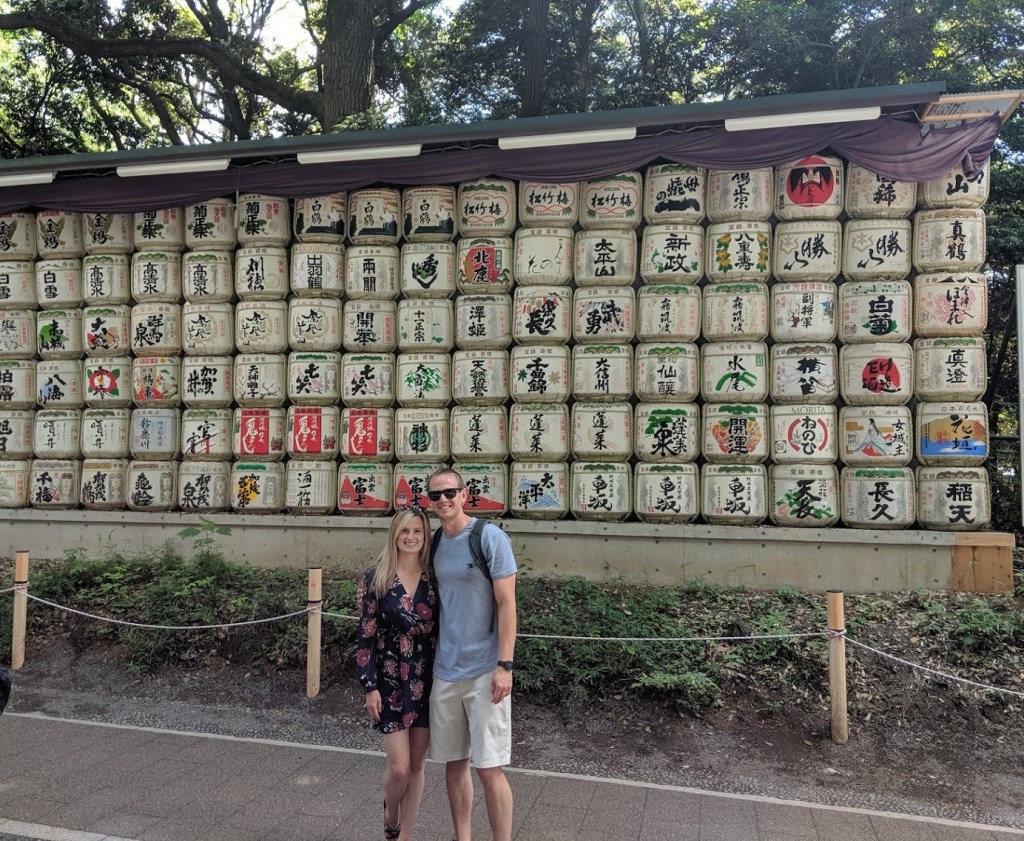
We spent almost two weeks in Japan and fell in love with the culture, people and scenery. I highly recommend visiting Japan for the tasty food, unique experiences and a chance to meet some of the friendliest people. This blog post covers our adventures through Tokyo, relaxing time in Hakone, cultural experiences in Kyoto and the hidden treasure we found near Hiroshima.
You can jump ahead to any part of our trip by clicking on each city below:
One thing I would recommend you do before going to Japan is to purchase a JR Pass. This is a rail pass that can only be purchased by tourists visiting Japan and you must purchase it before entering Japan. If you are planning on traveling to 3 or more cities in Japan, I would recommend getting the pass. Rather than recreating the wheel, here is the link to the Japan Guide I used to learn all about the JR Pass. JR Pass Details
Tokyo
Tokyo Day 1 May 28th
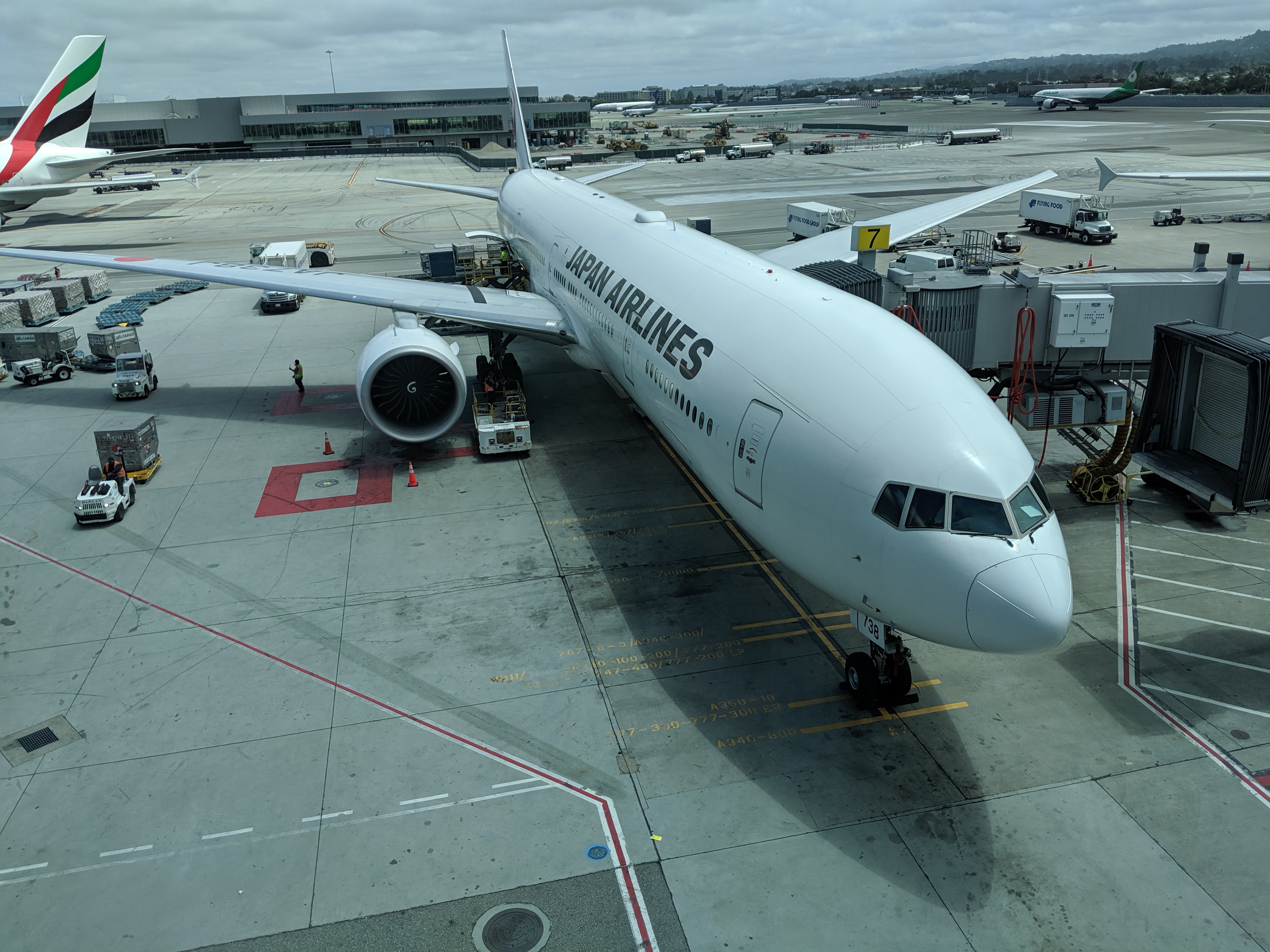
We traveled to Japan late May/ early June and we were lucky with the weather. It was quite warm, around 85-90 fahrenheit, each day and there was almost no rain. We started off our trip flying into Tokyo on JAL, which is Japan’s airline. This is one of the best airlines I have been on, the flight attendants are so attentive, you get blankets and pillows, free entertainment and food. They also put out snacks all around the plane in between meal service. I would highly recommend this airline.
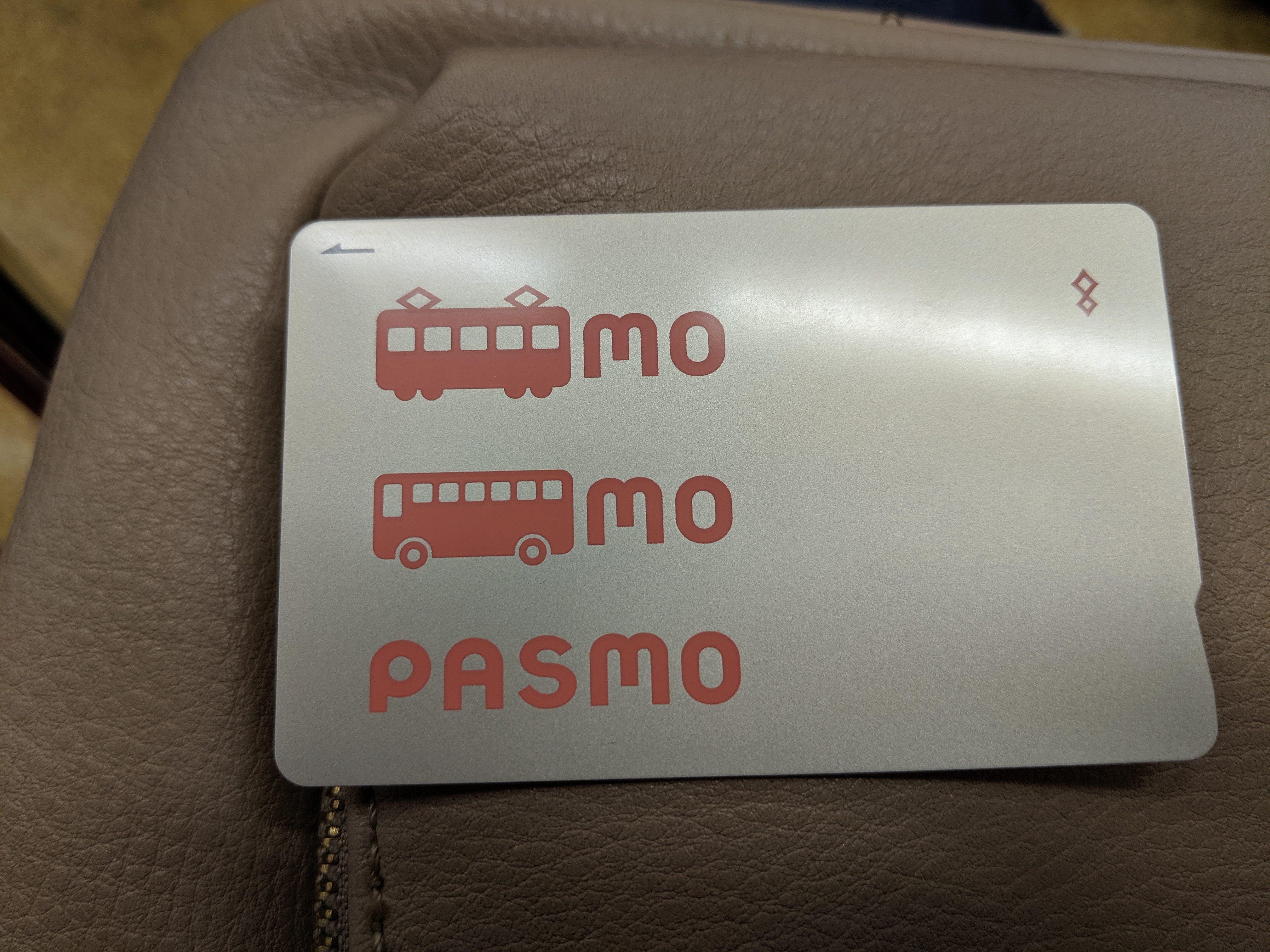
When flying into Tokyo there are two different airports, both relatively close to the city. We decided to fly into Haneda since there were direct flights from San Francisco. We arrived at the airport and immediately each bought a PASMO CARD. For intercity transportation across Japan there are many different IC cards that can be used to pay the fare. We chose the PASMO card since it is one of the cards they have in Tokyo and could be used all across Japan. They are 500 yen (about $4.50) deposit and then you load them with as much money as you want. You can turn it in at the end of your trip for the remaining balance and deposit back.
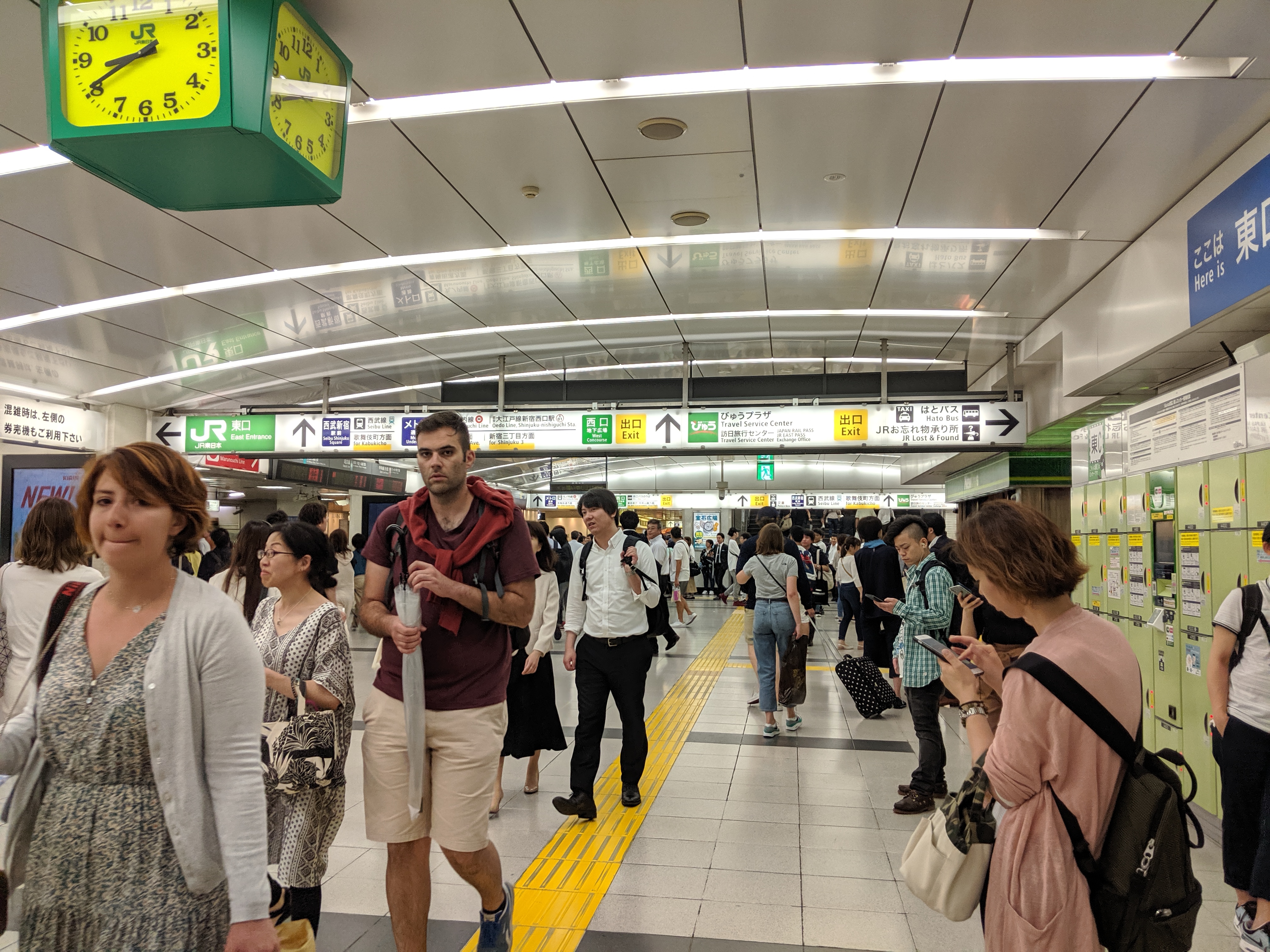
From the airport we used google maps to guide us to our hotel. It worked perfectly in Japan and told us exactly which trains to take. For perspective, the busiest station in Tokyo, Shinjuku, has 3.5 million people pass through it every day.
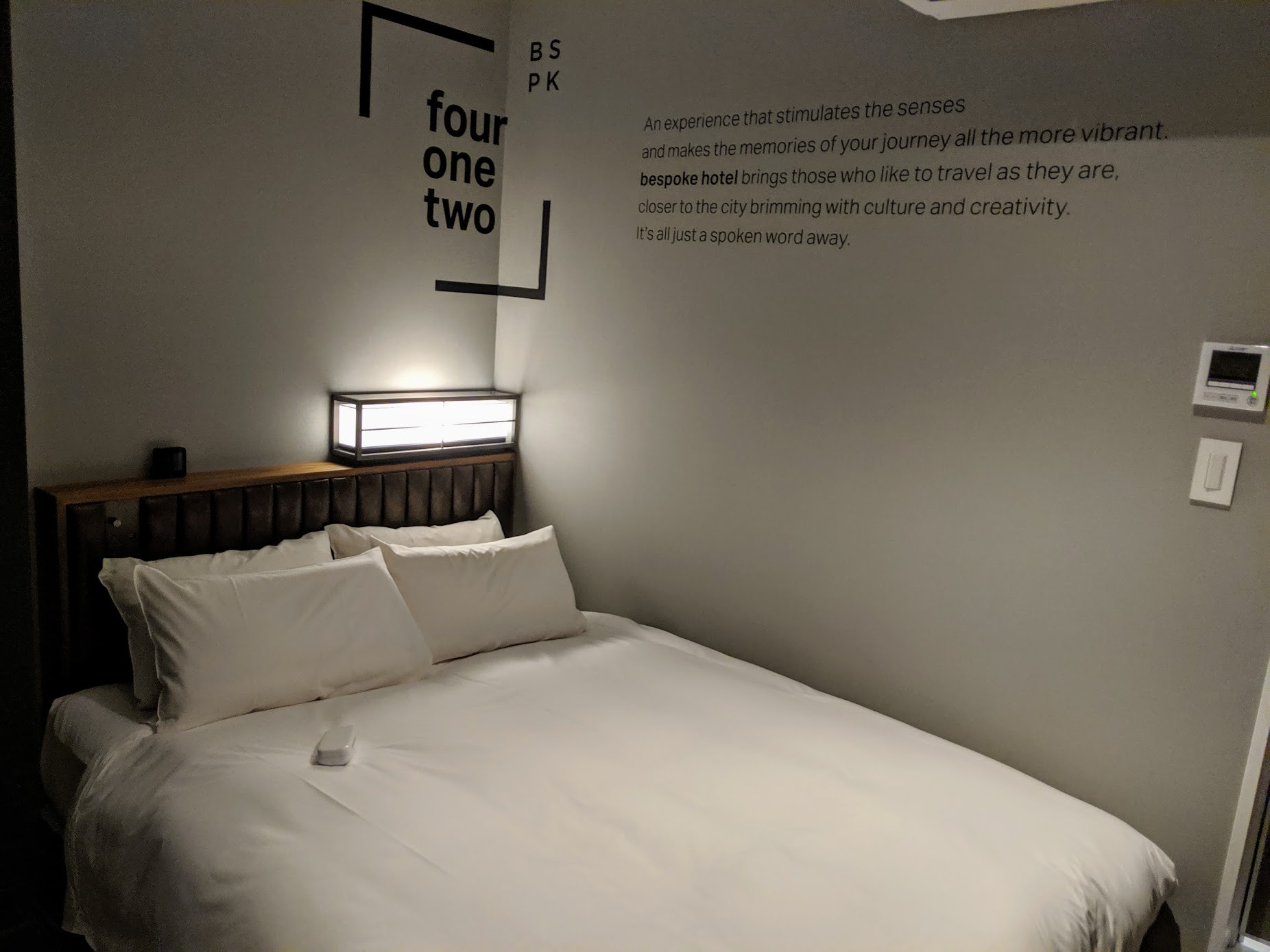
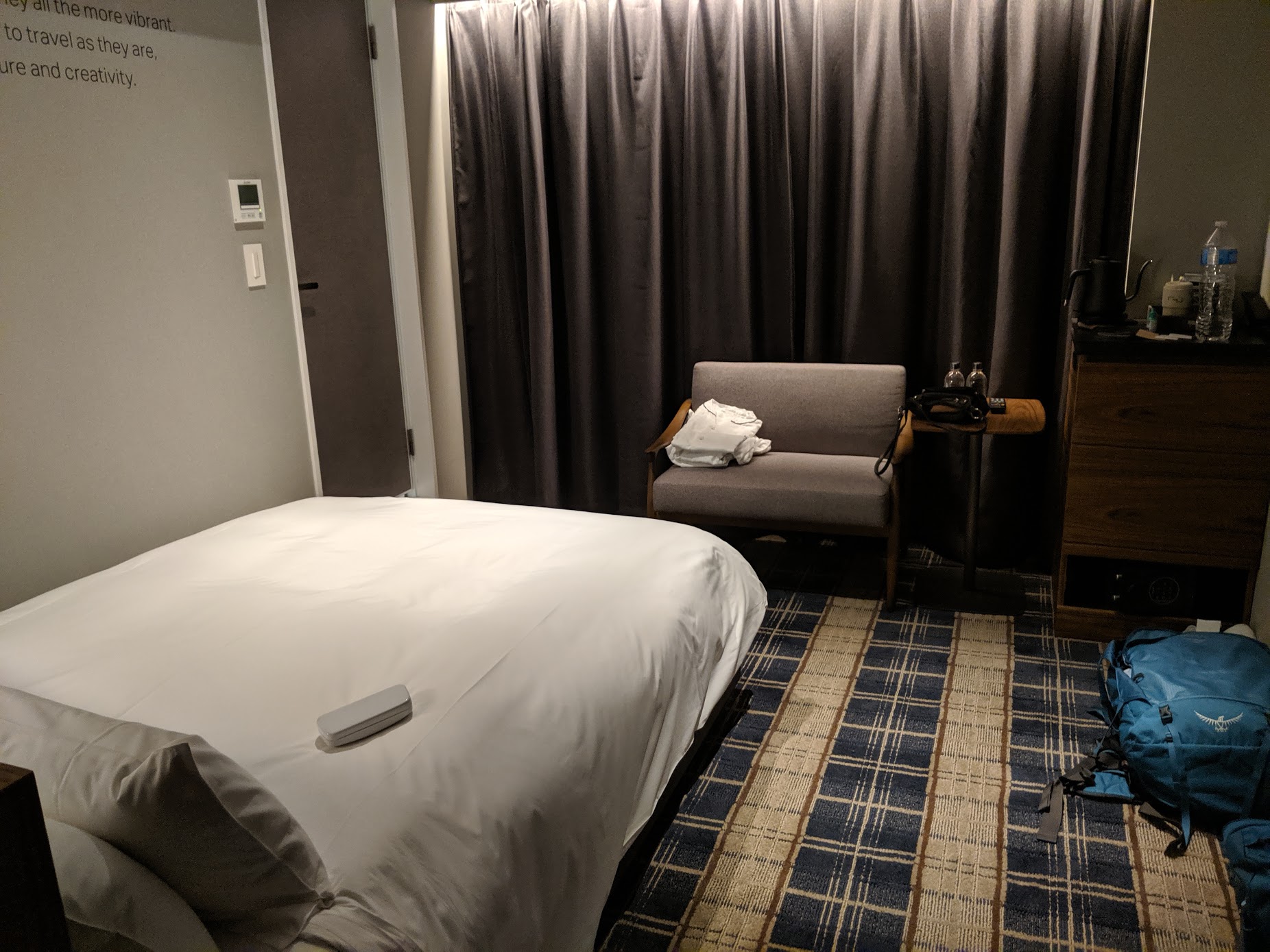
We stayed in Shinjuku at Bespoke Hotel which was in a great location, quiet and clean. There are so many places to stay in Tokyo. I would recommend staying in Shinjuku or Shibuya. I used the Nerd Nomads site to decide where we would stay. Where to stay in Tokyo.
Day 2 May 29th
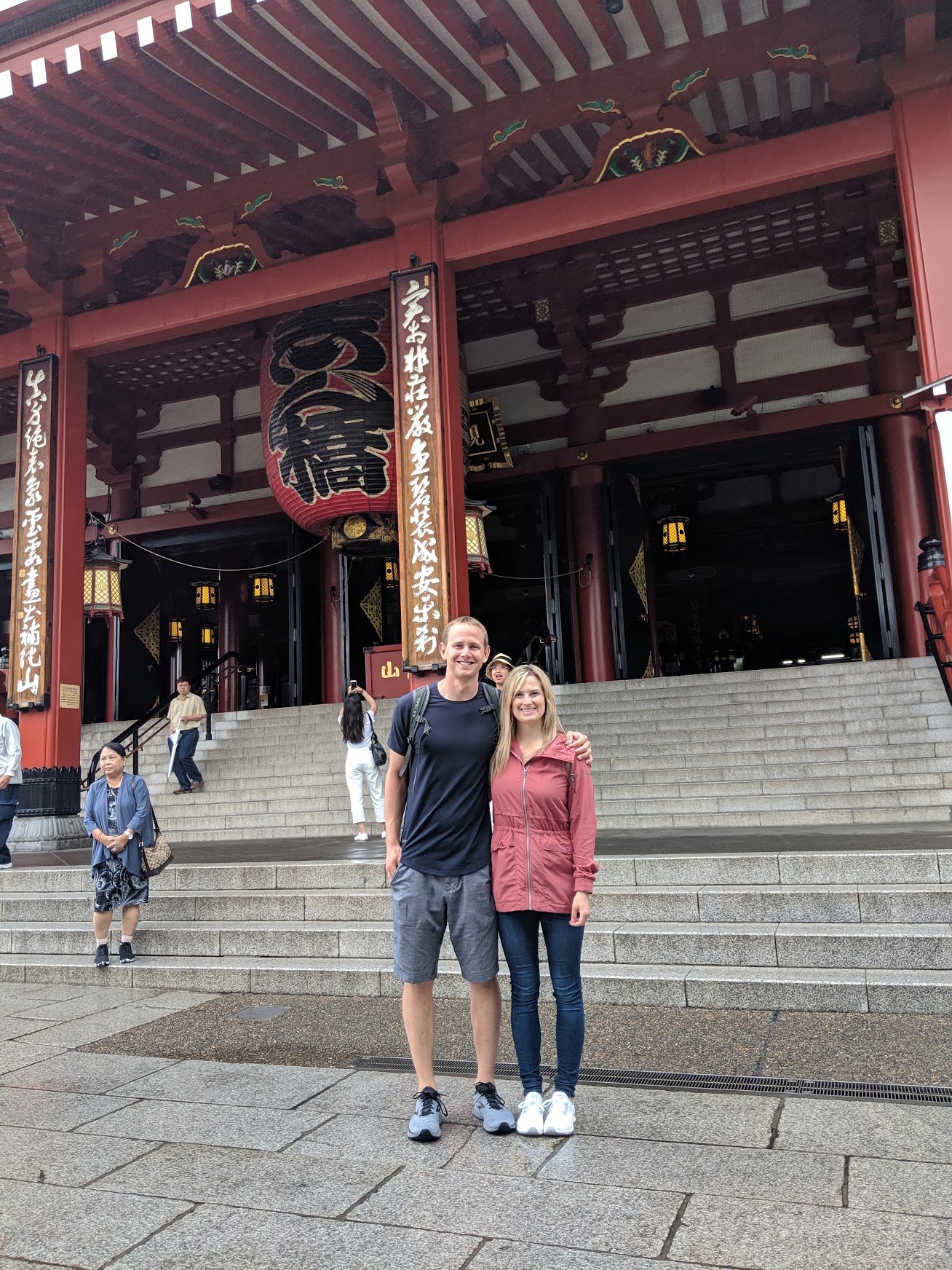
The next morning we woke up around 6:00 am, has a quick breakfast at our hotel and then took the train North about 45 minutes to Asakusa. Asakusa is the historical capital of Tokyo where there are several historical monuments located there. The main attraction is the Senso-ji Temple. It is the oldest Buddhist temple in the capital, built in the 7th century with a five story pagoda next to it.
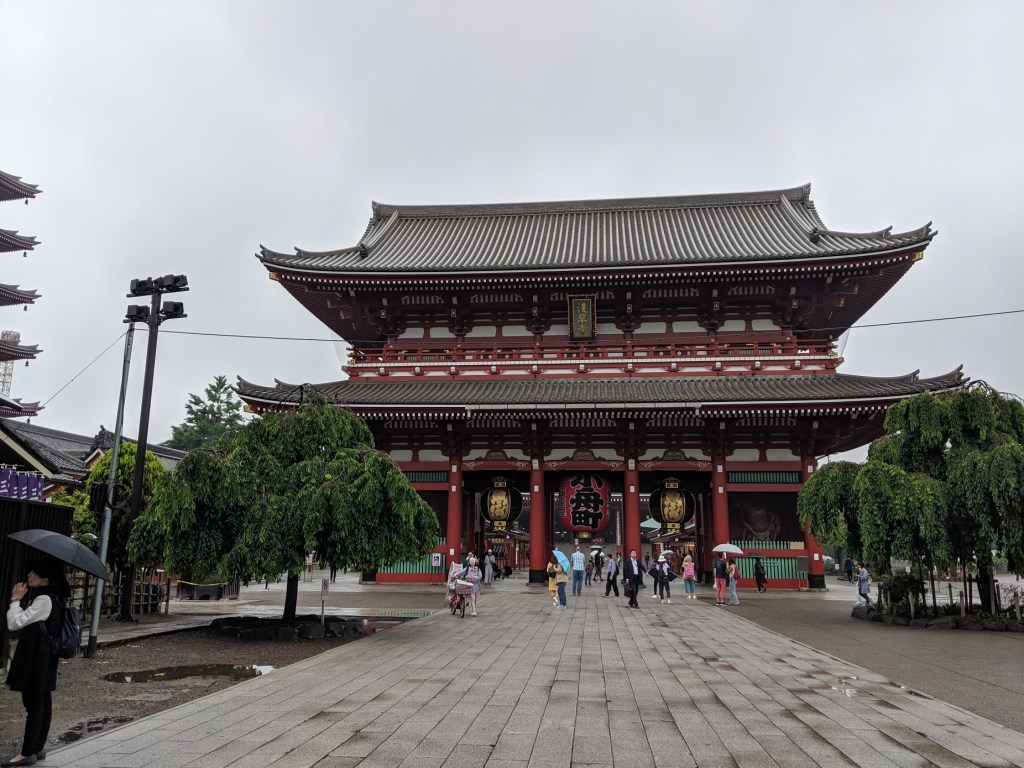
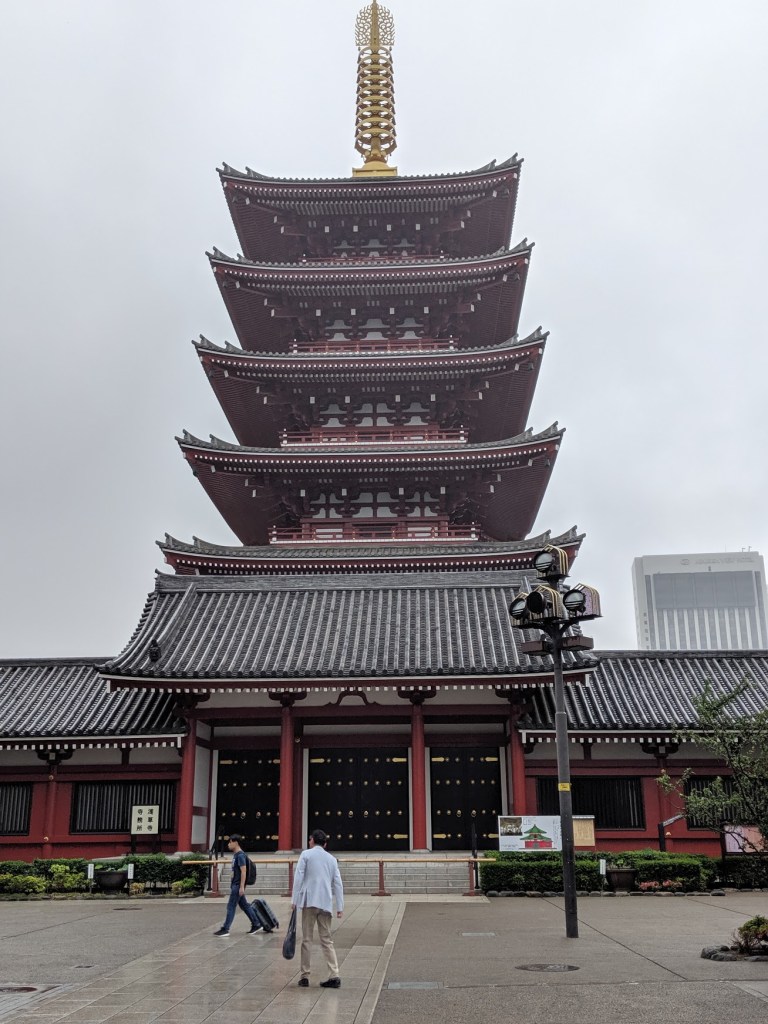
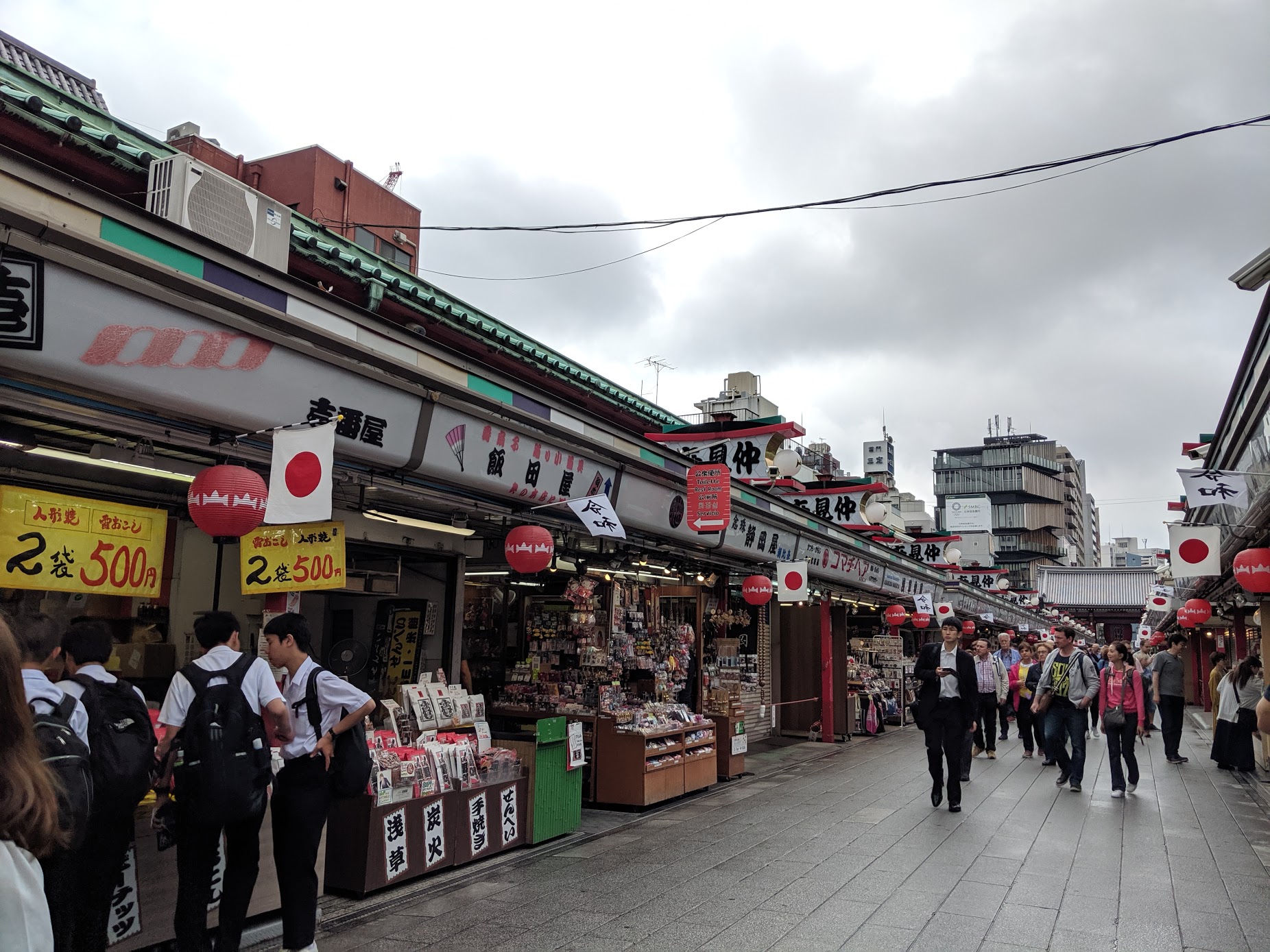
Leading up to the temple is a shopping street, Nakamise Dori street where there are shops selling crafts, souvenirs and snacks. In the temple grounds, there is a large metal pot full of incense and Japanese people say the smoke gives good health. The temple is open 6am-5pm. We did a tour with Tokyo Localized called Asakusa Free Walking Tour which started at 9:30 am. It was very helpful to have a tour this first day and give us an overview of the temple.
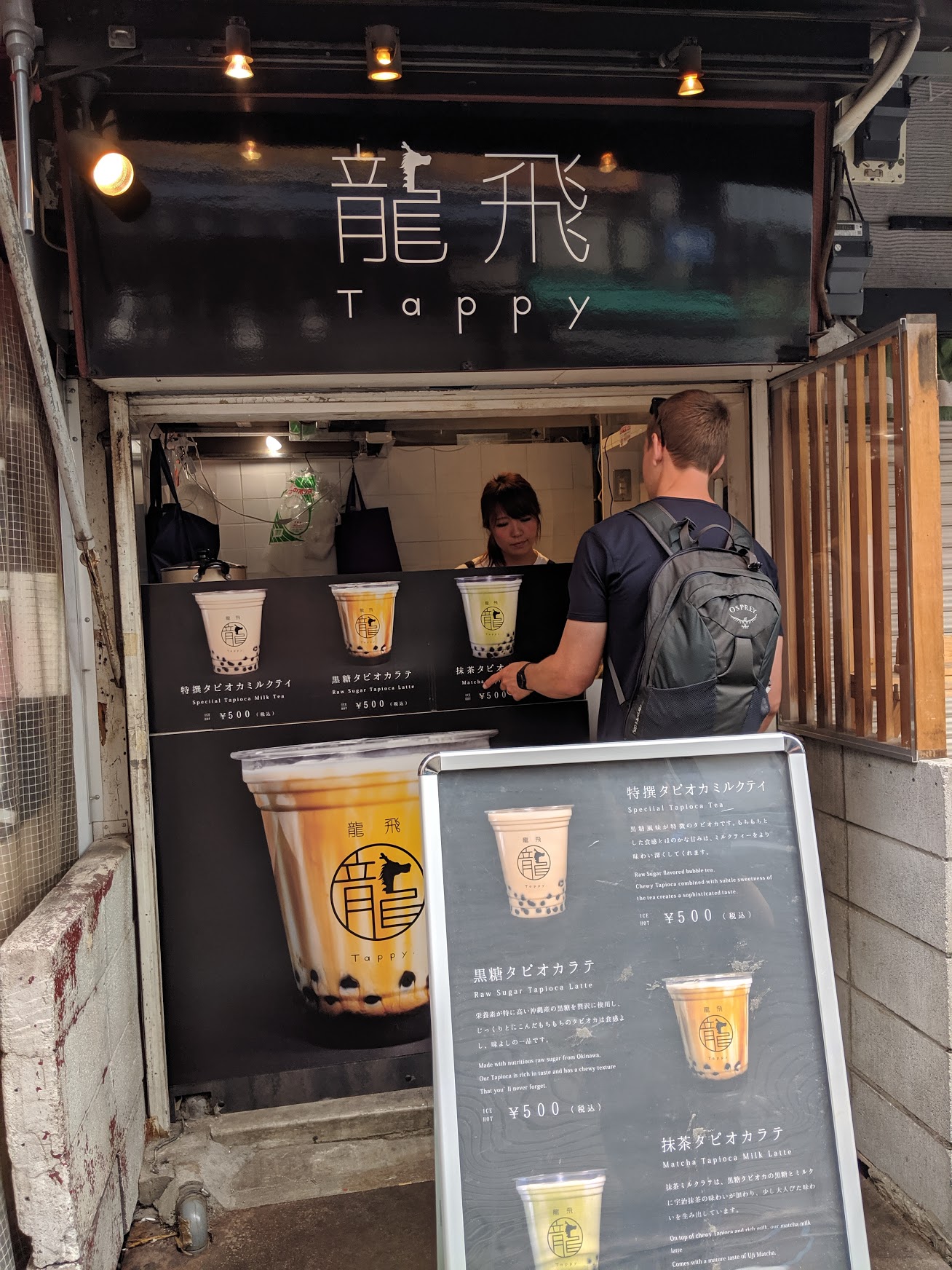
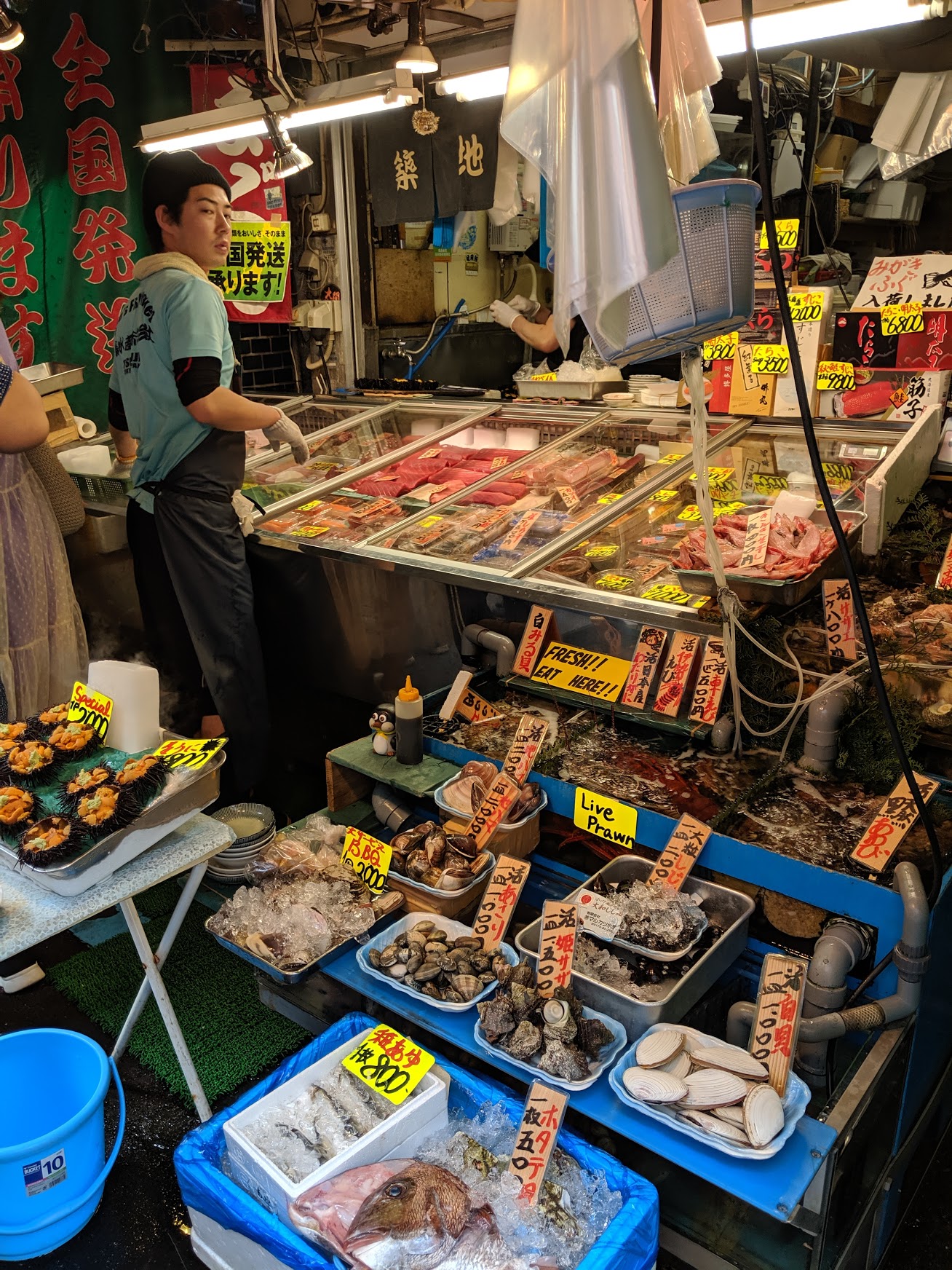
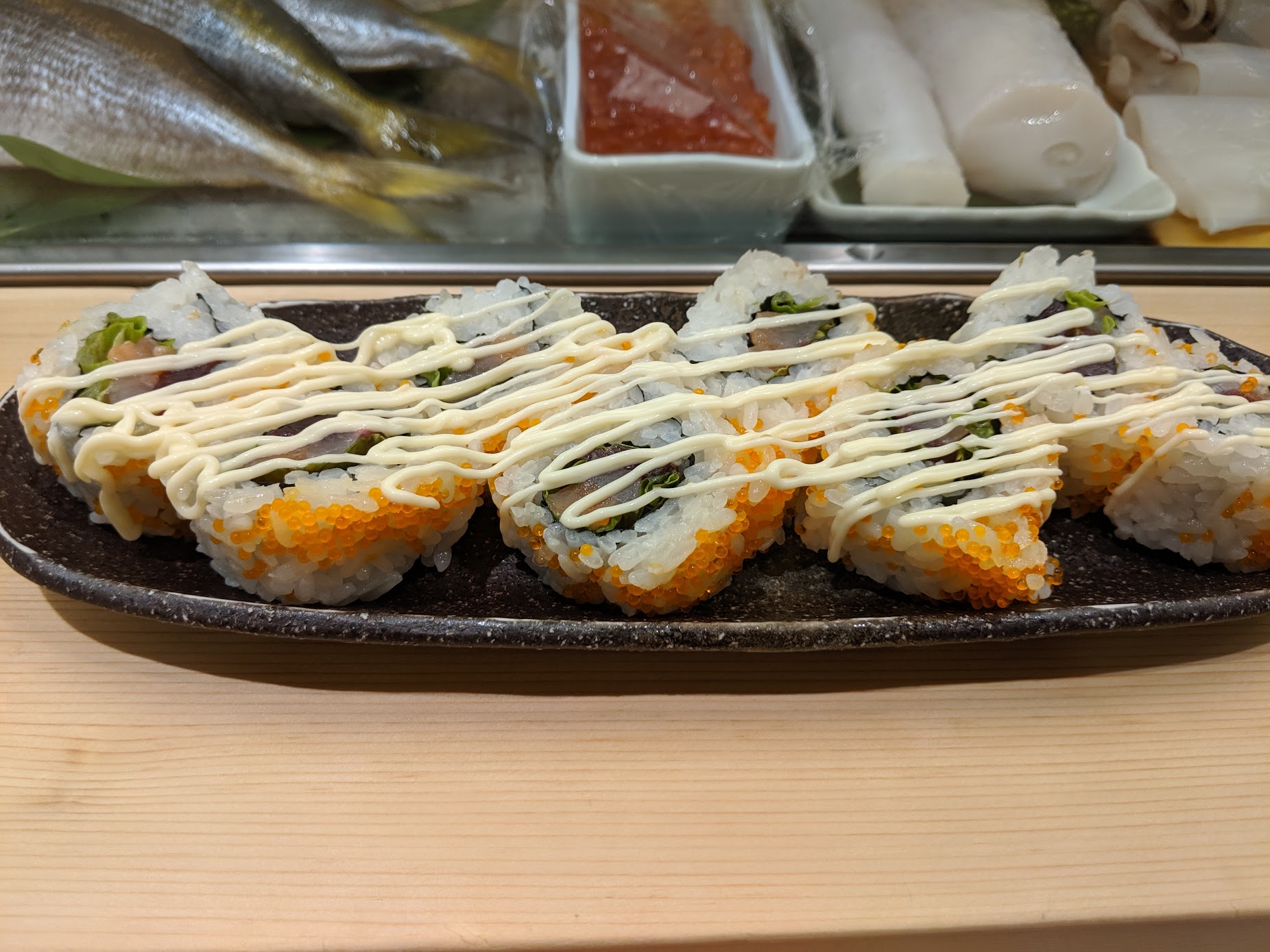
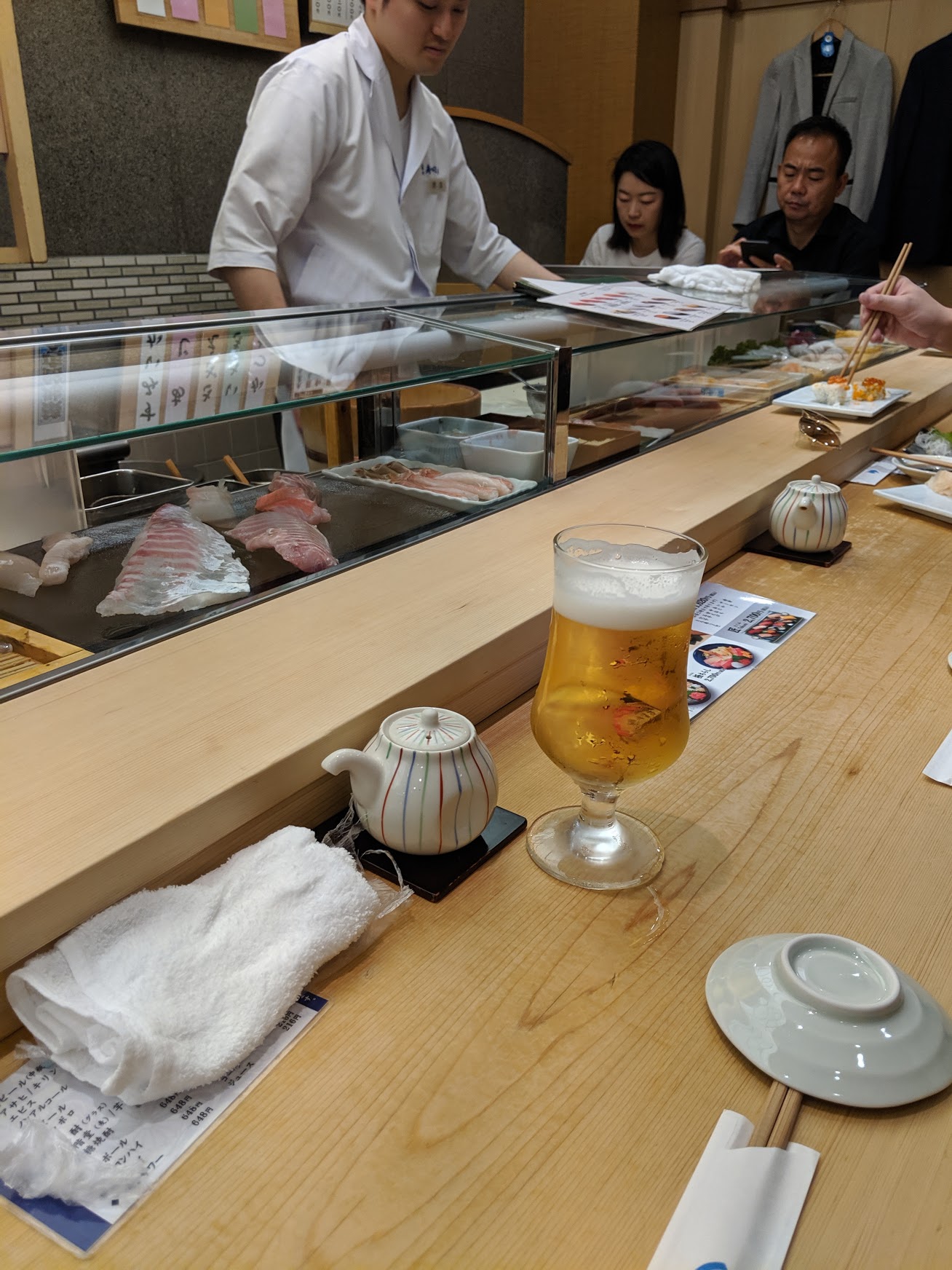
After the tour we took the train to the Tsukiji Fish Market for lunch.This used to be the location of the largest wholesale fish and seafood market in the world, but in October 2018 it moved to a new location. Although the inner fish auction no longer exists at this location, the outer market is open and has many shops and restaurants. It is open 9AM- 6PM. We decided this was a great place for sushi and found a small sushi bar that seated 15 people. It was absolutely delicious and a fun experience. We then got some Boba tea and trained back to Shinjuku.

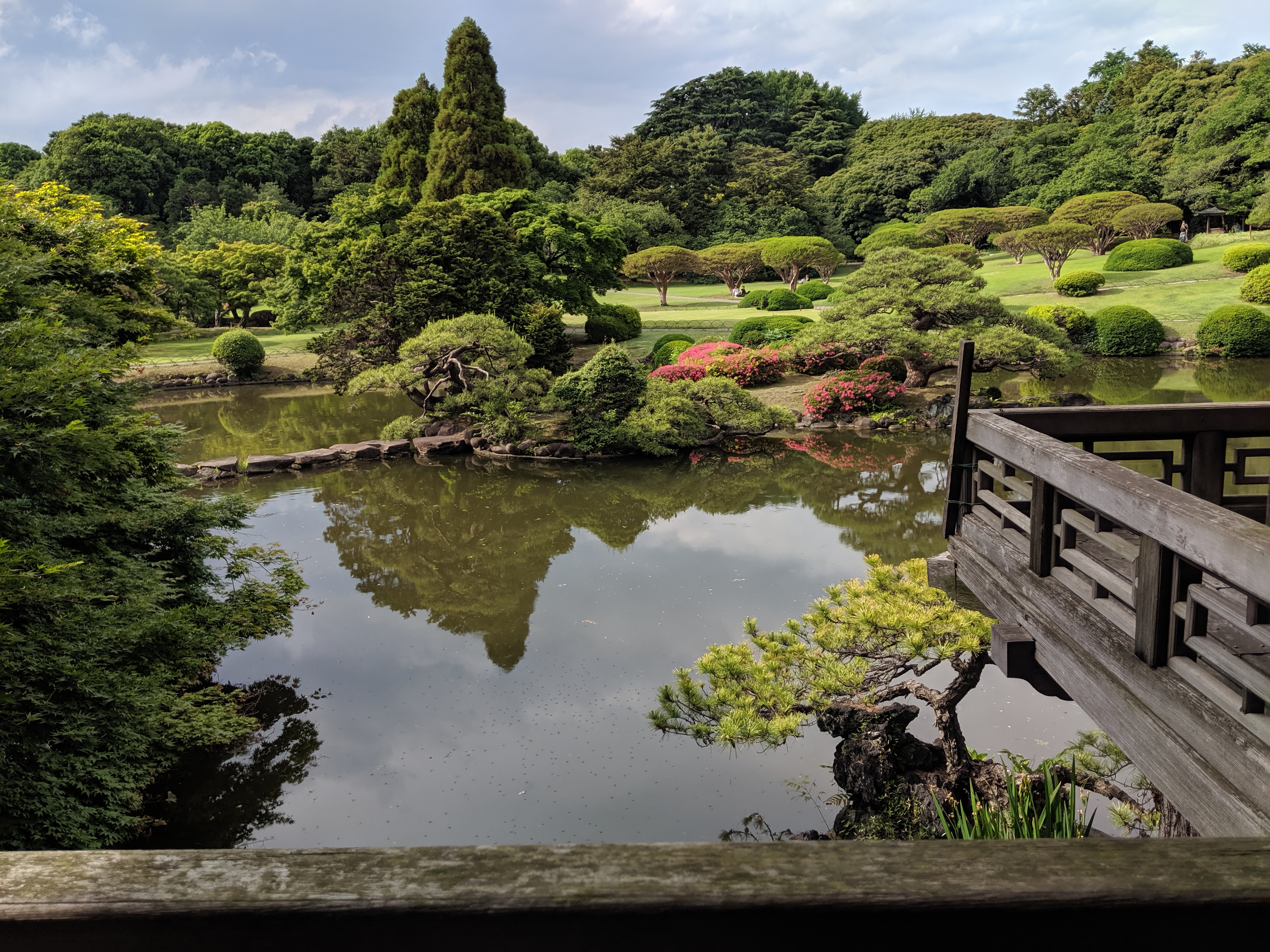
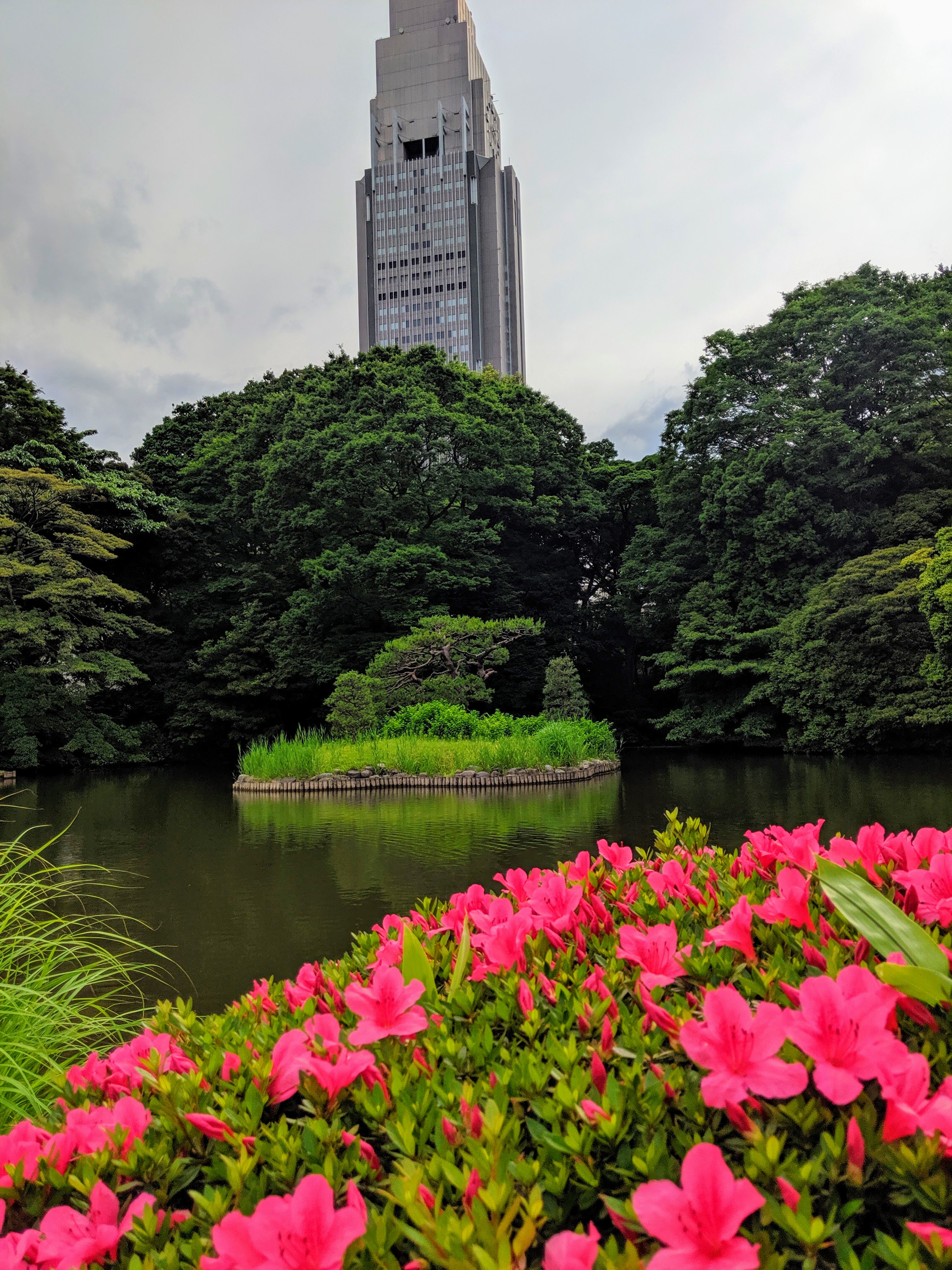
Shinjuku is one of the largest neighborhoods in Tokyo, dubbed the crazy entertainment district with thousands of restaurants, shops, entertainment and other attractions. For a break from the city we walked through Shinjuku Gyoen Park, which was very pretty with ponds and paths through the trees. It is one of Tokyo’s largest and most popular parks. Large ponds with islands and bridges, large greenhouse. It is $1.50 to enter and open 9:00am-4:00pm.
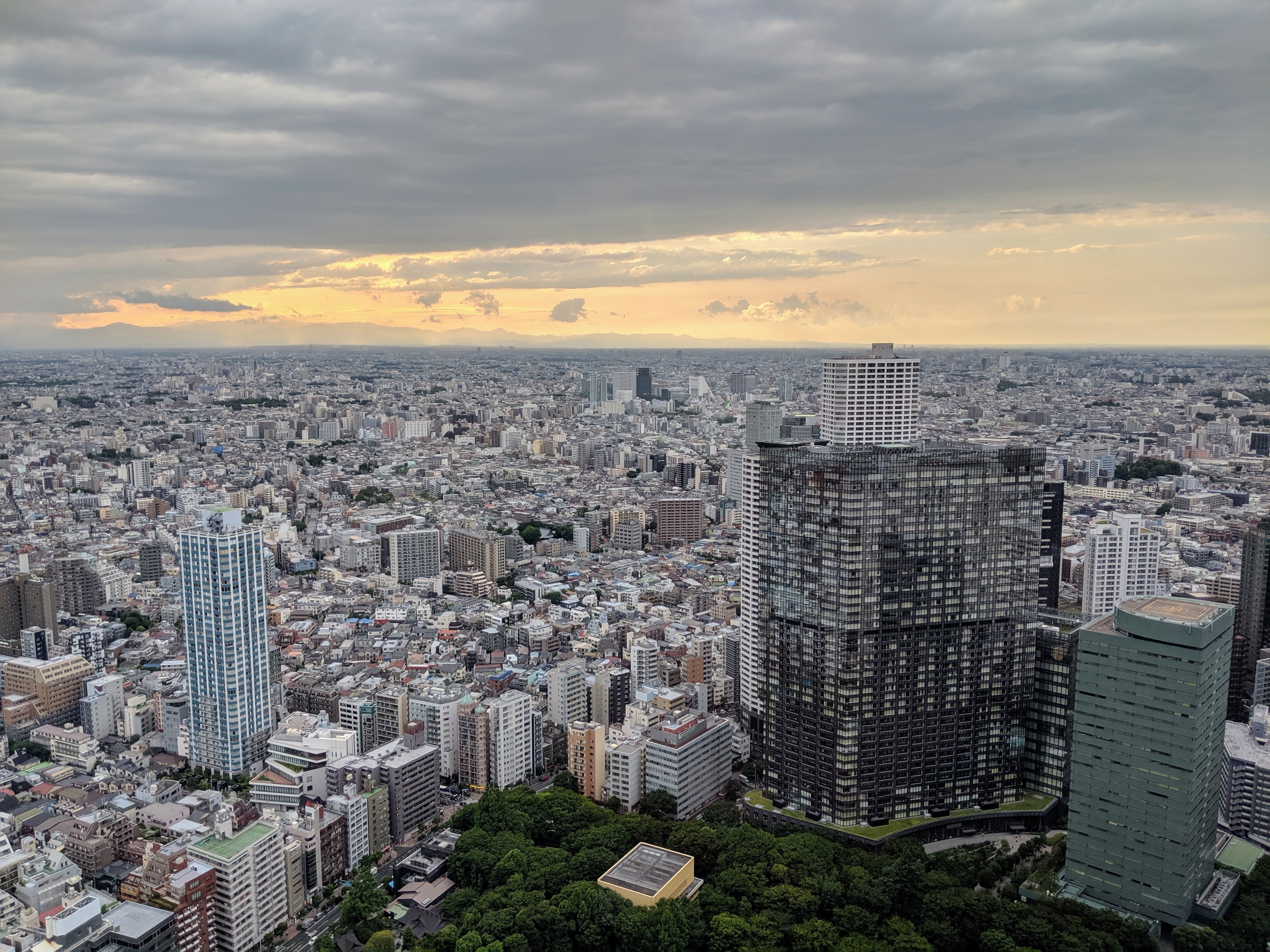
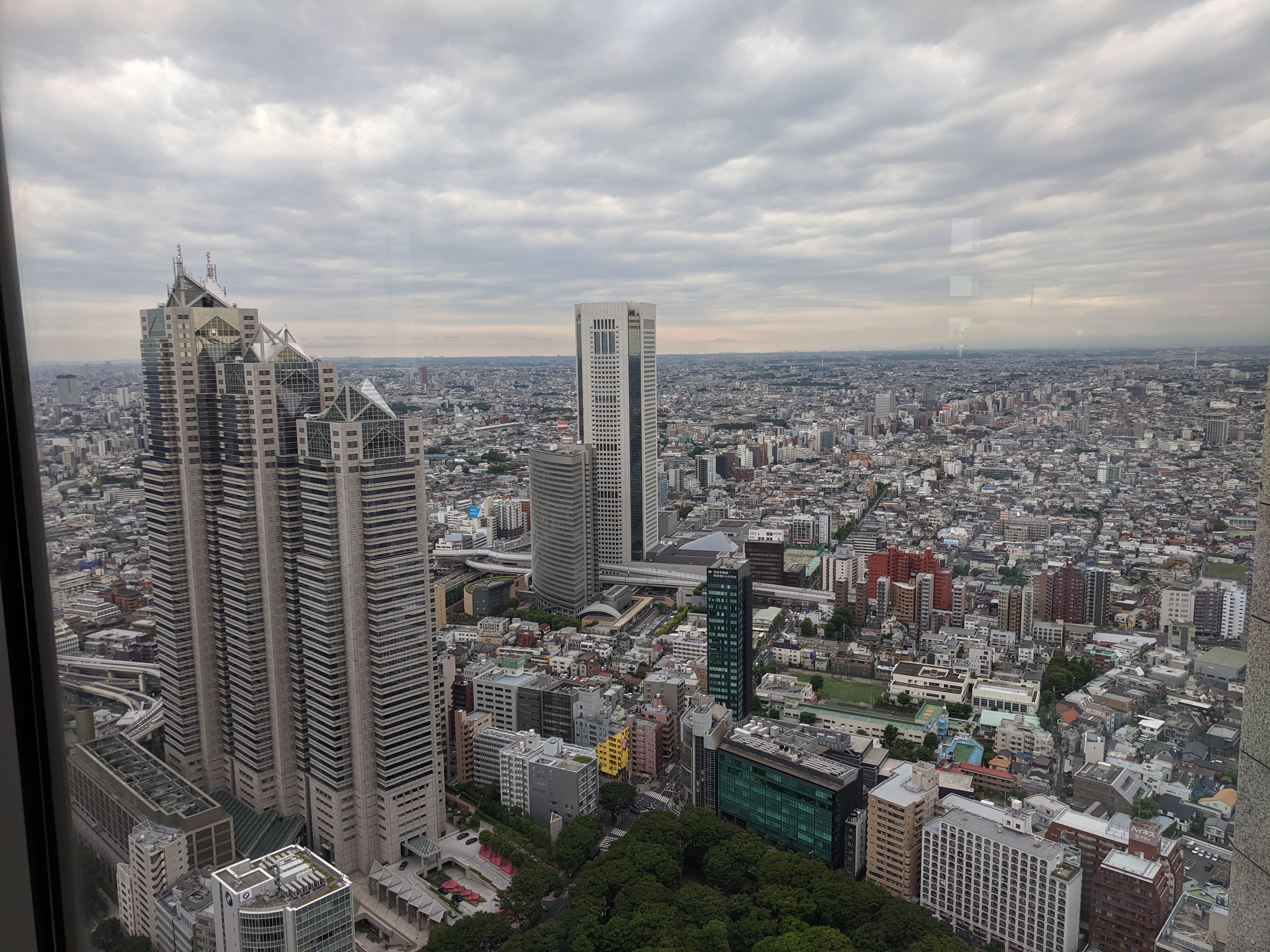
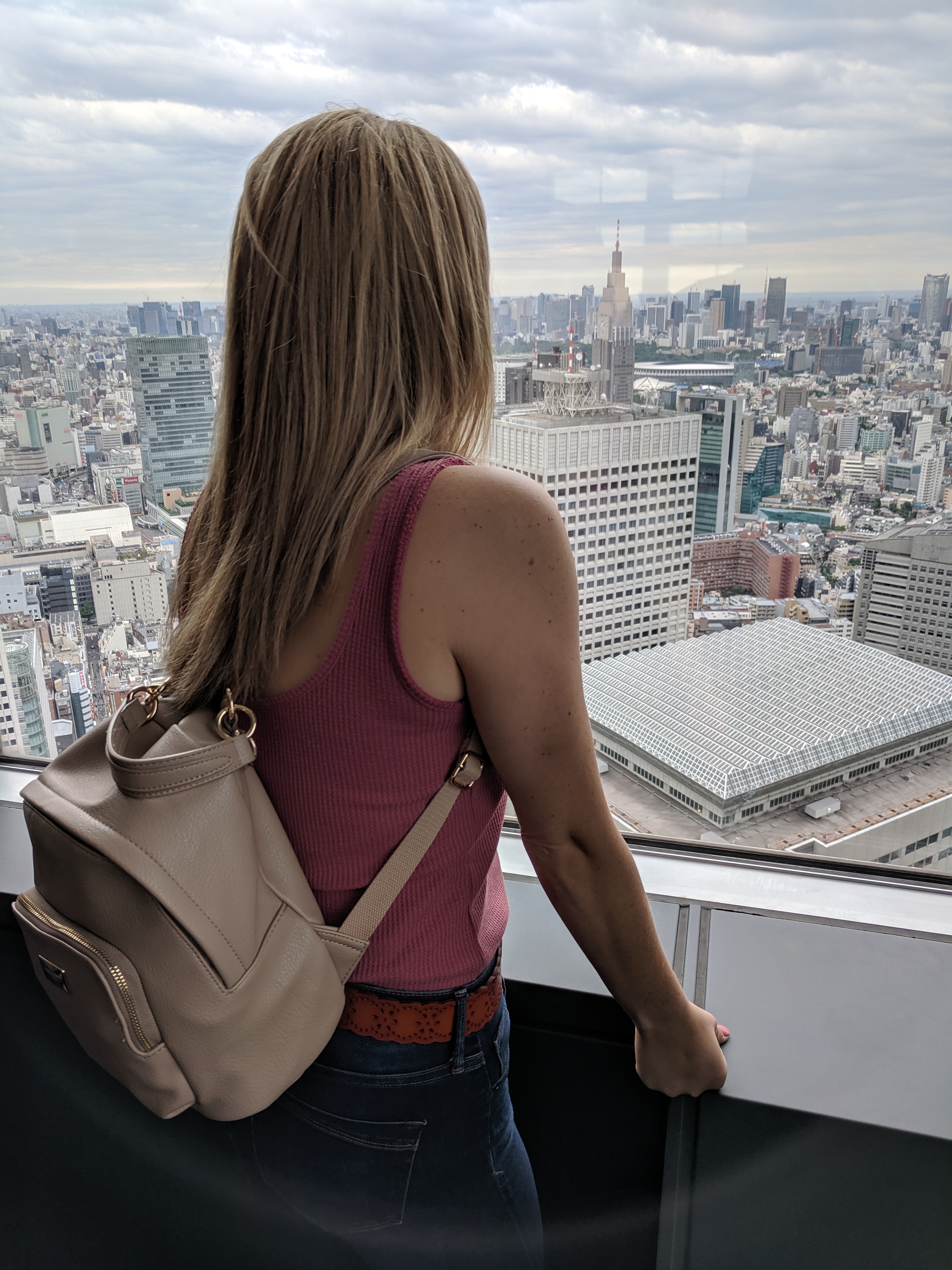
After the park we walked over to the free observation deck on the 45th floor of the Tokyo Metropolitan Government Building for a great view over the city. I would highly recommend this on a clear day. We went around 5:00 pm on a weekday and the wait to go up in the elevator was about 15 minutes.
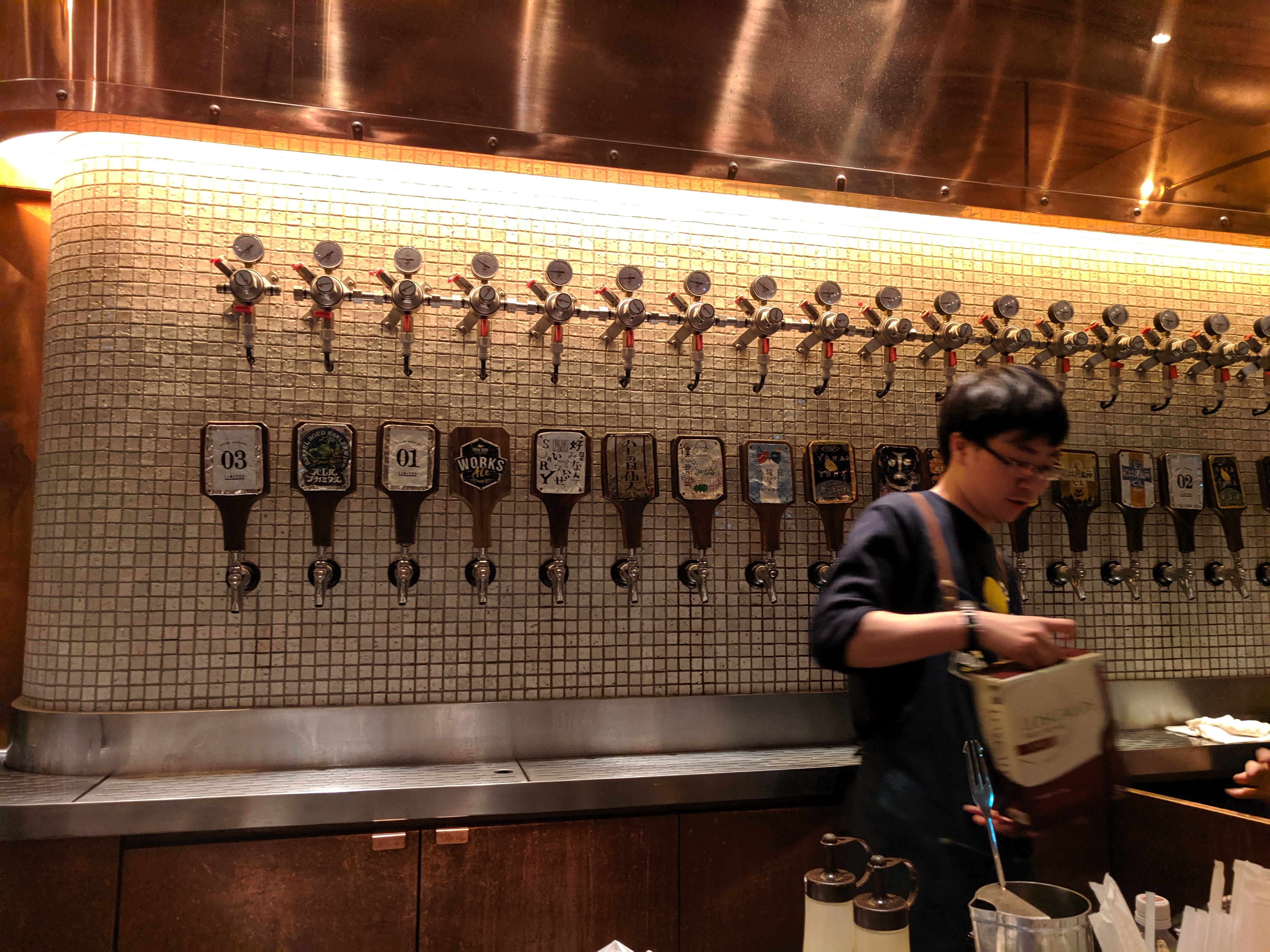
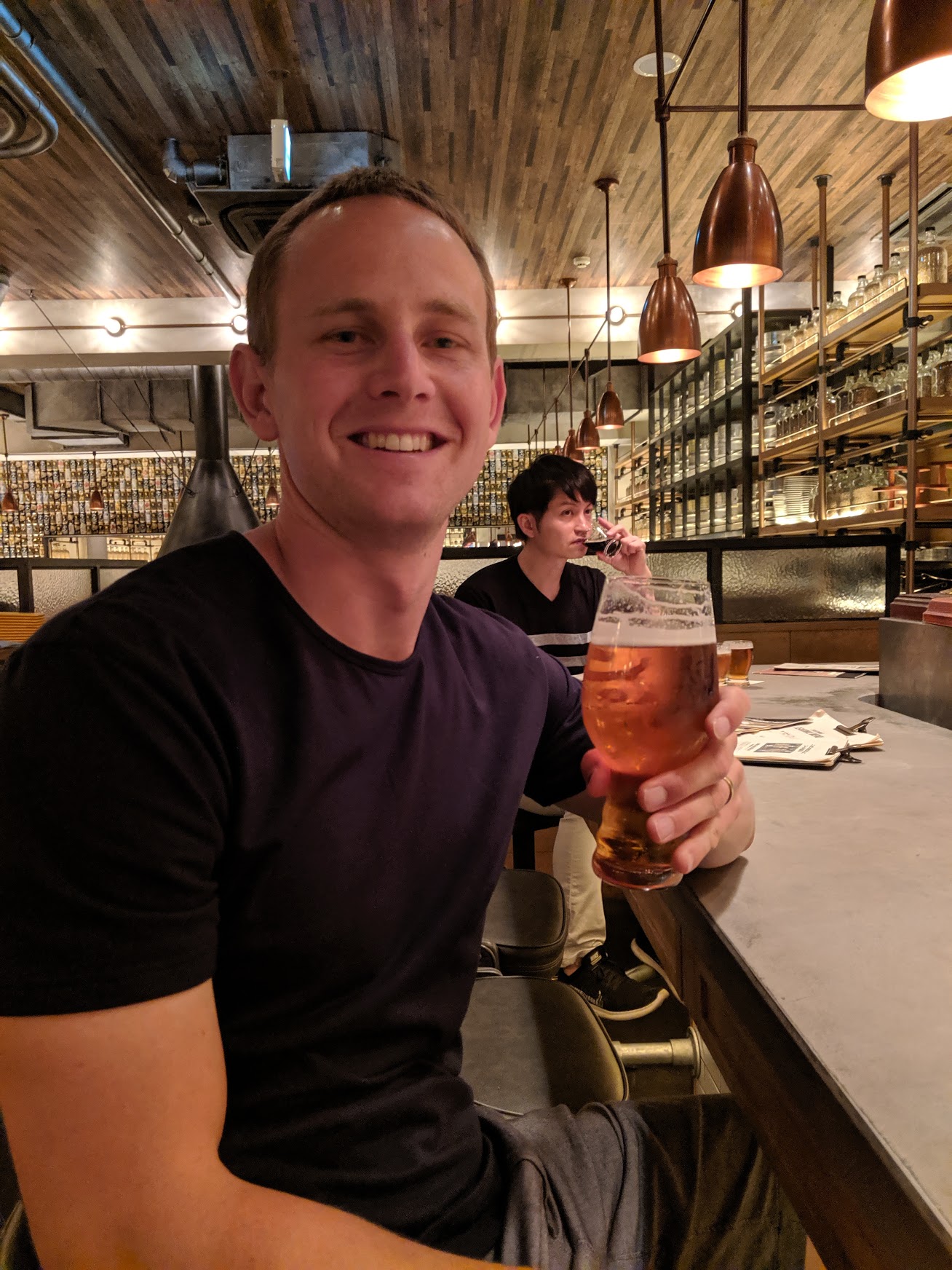
We headed back to Shinjuku for dinner at a local brewery Yona Yona Brewery. You walk down stairs to get to the restaurant but once inside it has a great, cool atmosphere. I would highly recommend this place for great beer and food. It was a mix of Western and Japanese food.
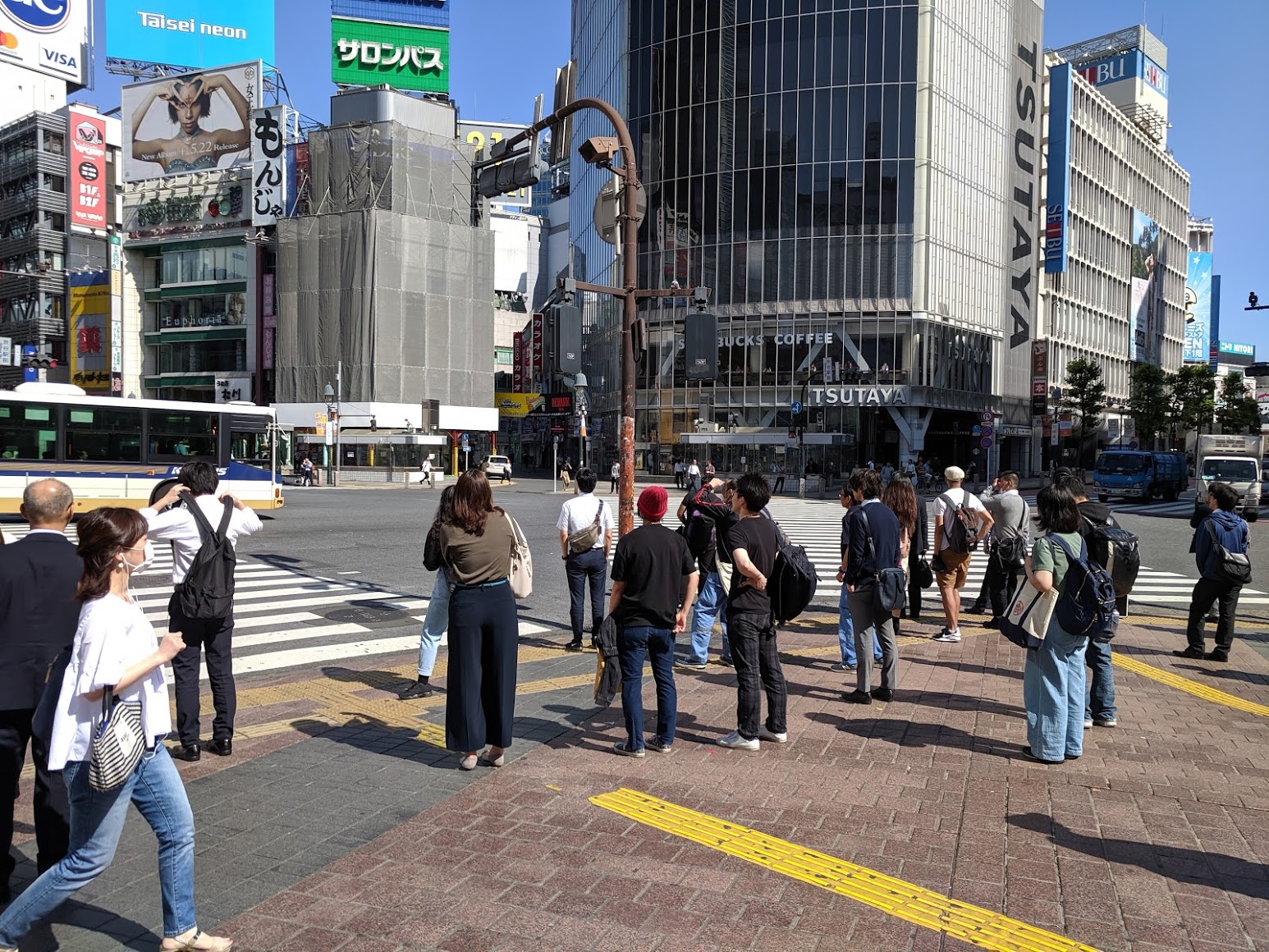
The next morning we woke up and had breakfast at our hotel and then took the train to Shibuya to watch the pedestrian walkway at Shibuya Crossing from Starbucks. There are a few places you can go to watch the crossing but Starbucks has one of the best views and you can get a coffee while you are at it. Shibuya Crossing is one of the busiest intersections in the world where you can watch up to 2,500 people cross this intersection at once. It is definitely a sight to see when it is busy. We visited the crossing around 9:00 am on a weekday so it was not as busy as later times we visited the crossing on our trip. The busiest time and the time you want to see it (if you are ok with crowds) is commute time, in the morning or weekend evenings/ nights.
Day 3 May 30
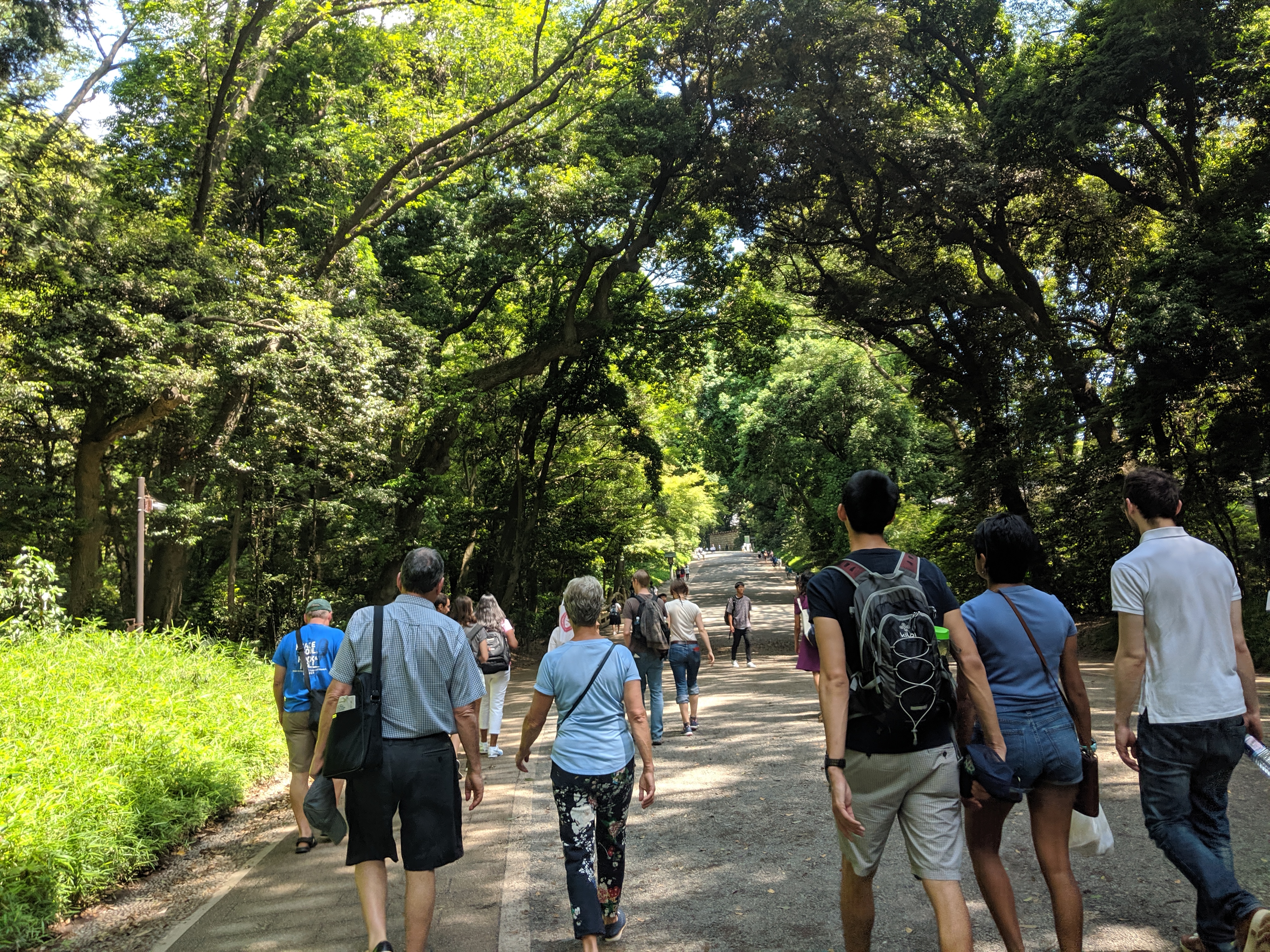
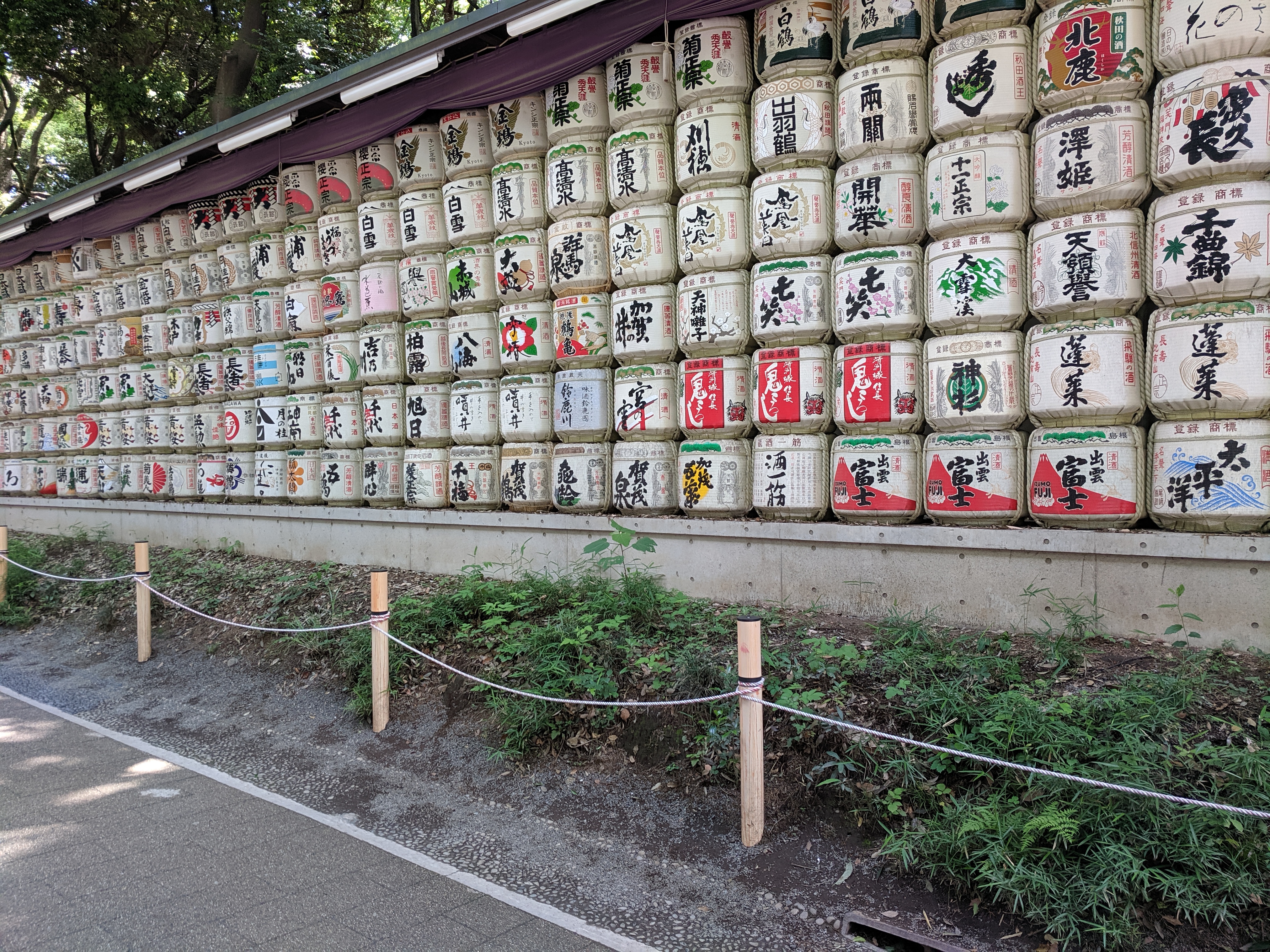
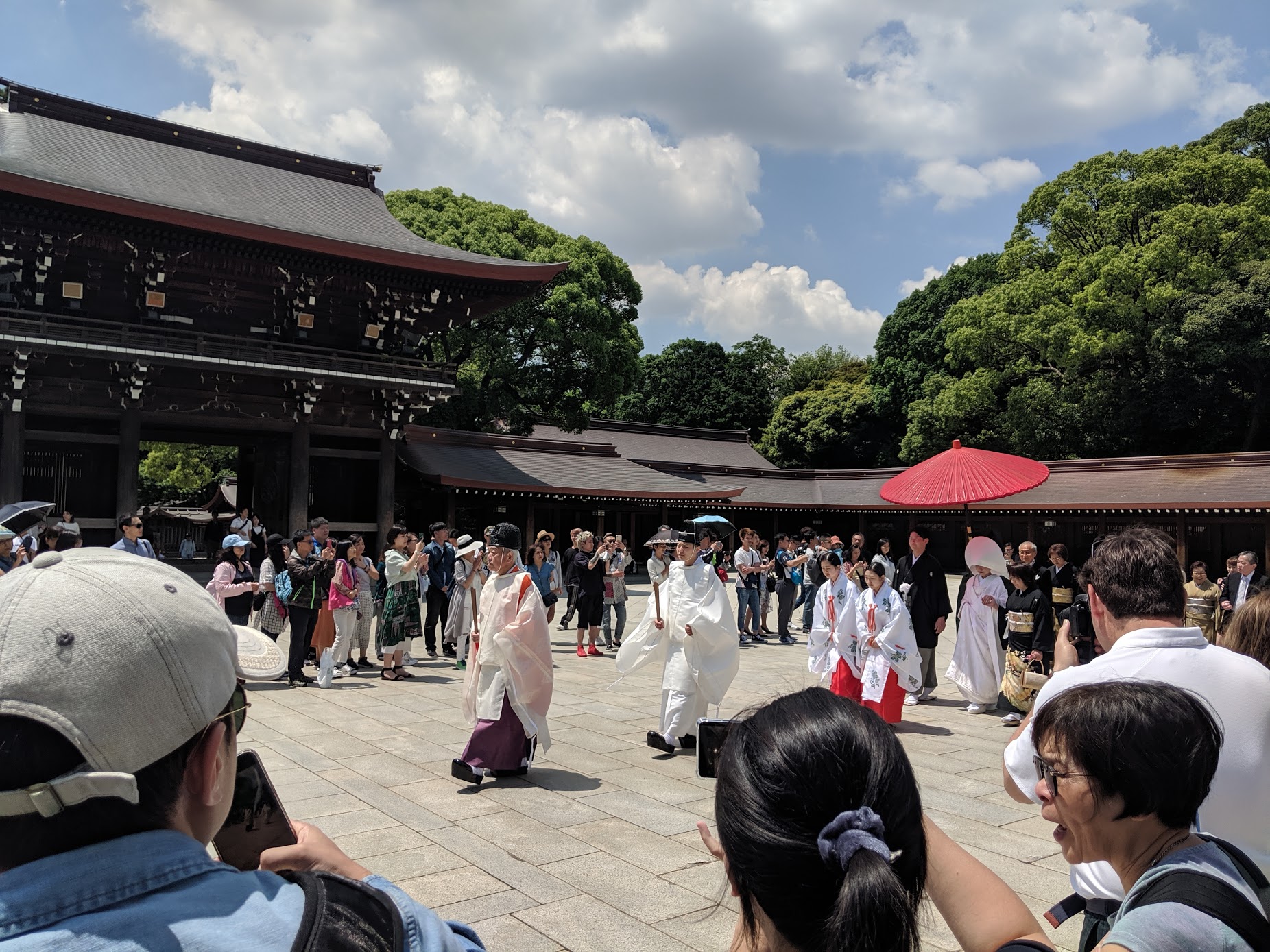
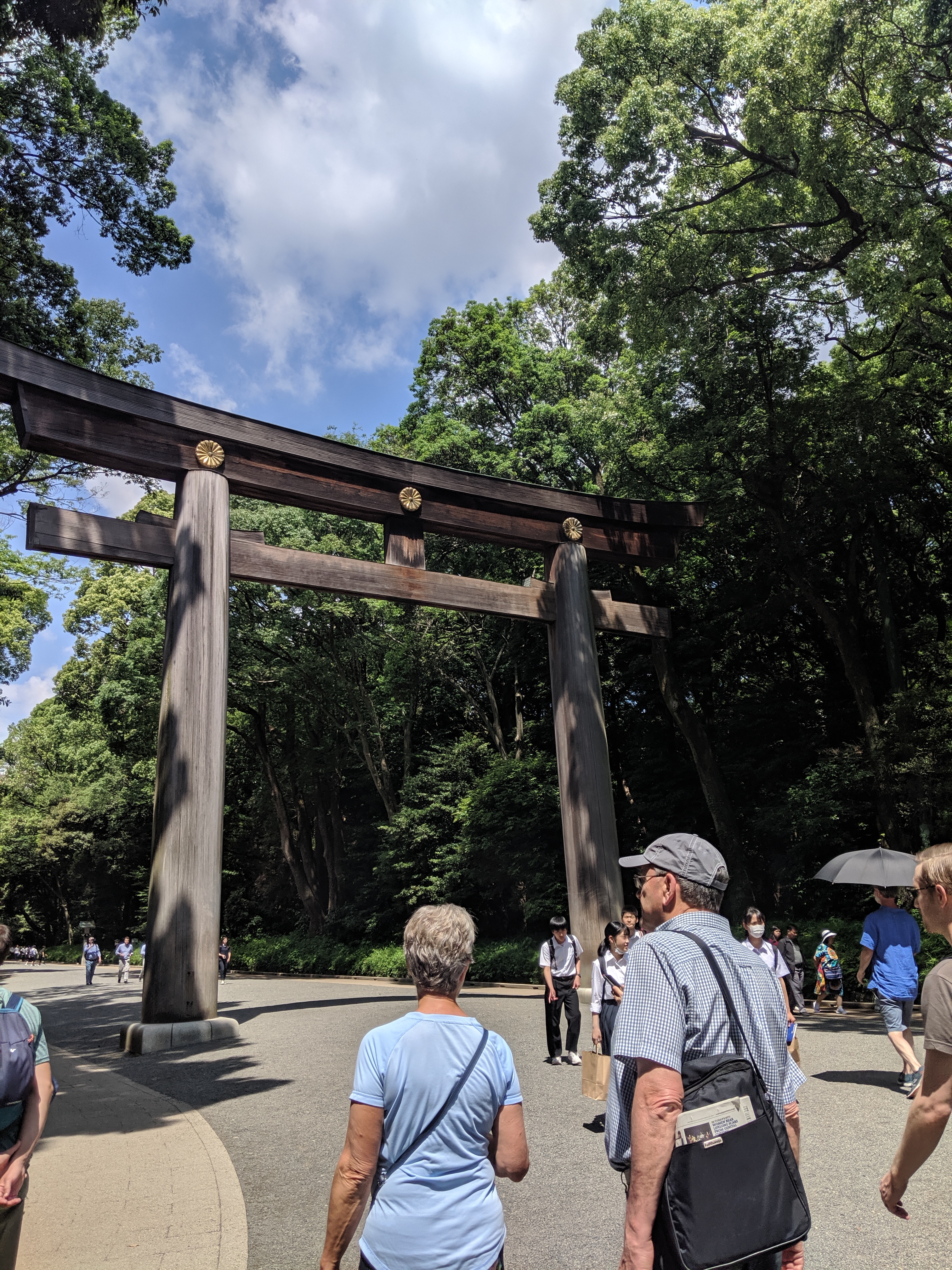
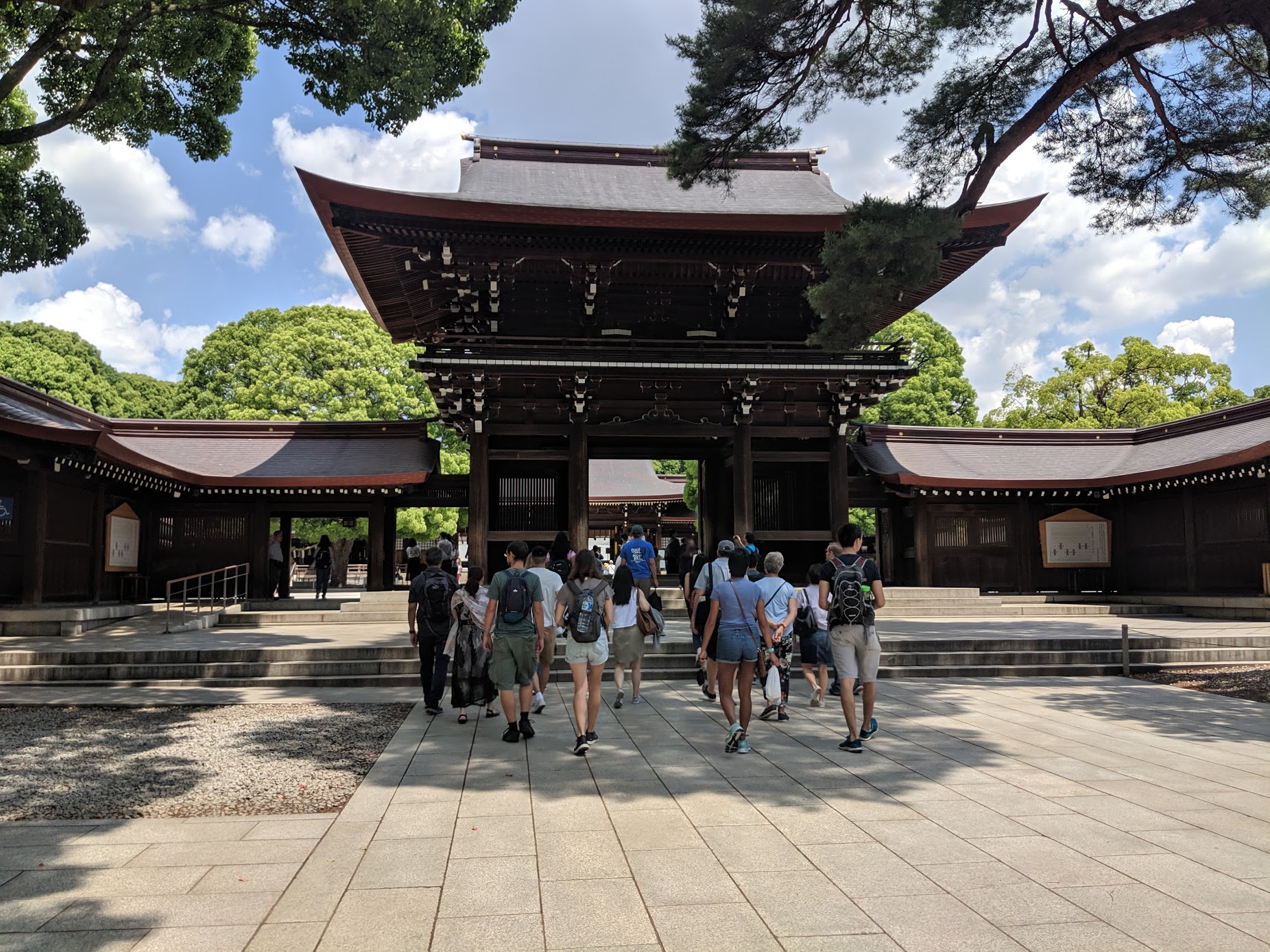
After the crossing we walked about 40 minutes to the starting point of our Meiji Jingu Shrine and Harajuku walking tour which started at 9:30 am. It was a great walking tour and nice to have a guide since there are so many people. Meiji Jingu Shrine is Tokyo’s biggest shrine, dedicated to Emperor Meiji and his Empress Shoken. It is located in a beautiful green park, Yoyogi park. It was built in 1920 and bombed during WWII and then rebuilt in 1958. There is no admission fee and it is open dawn to dusk.
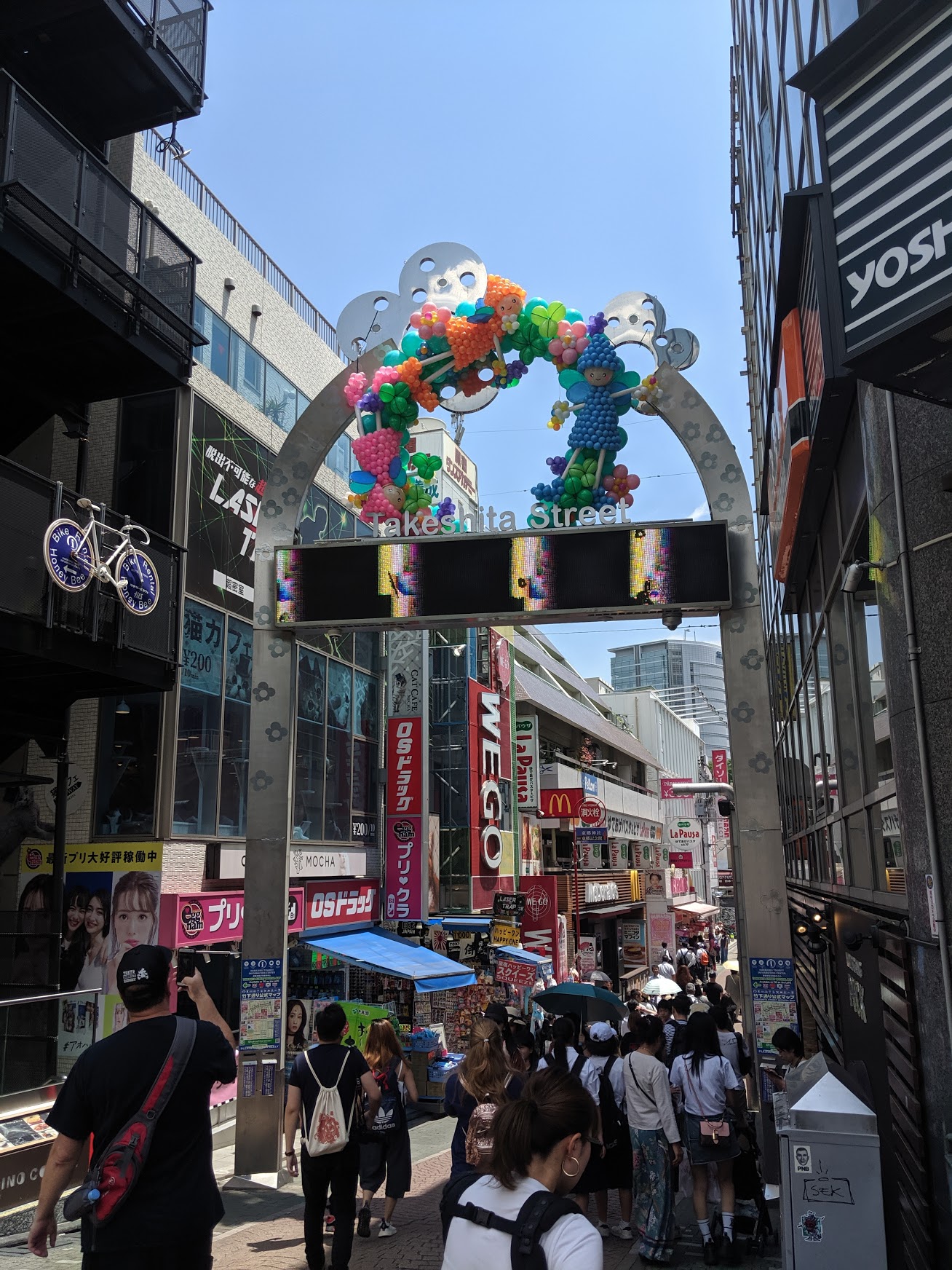
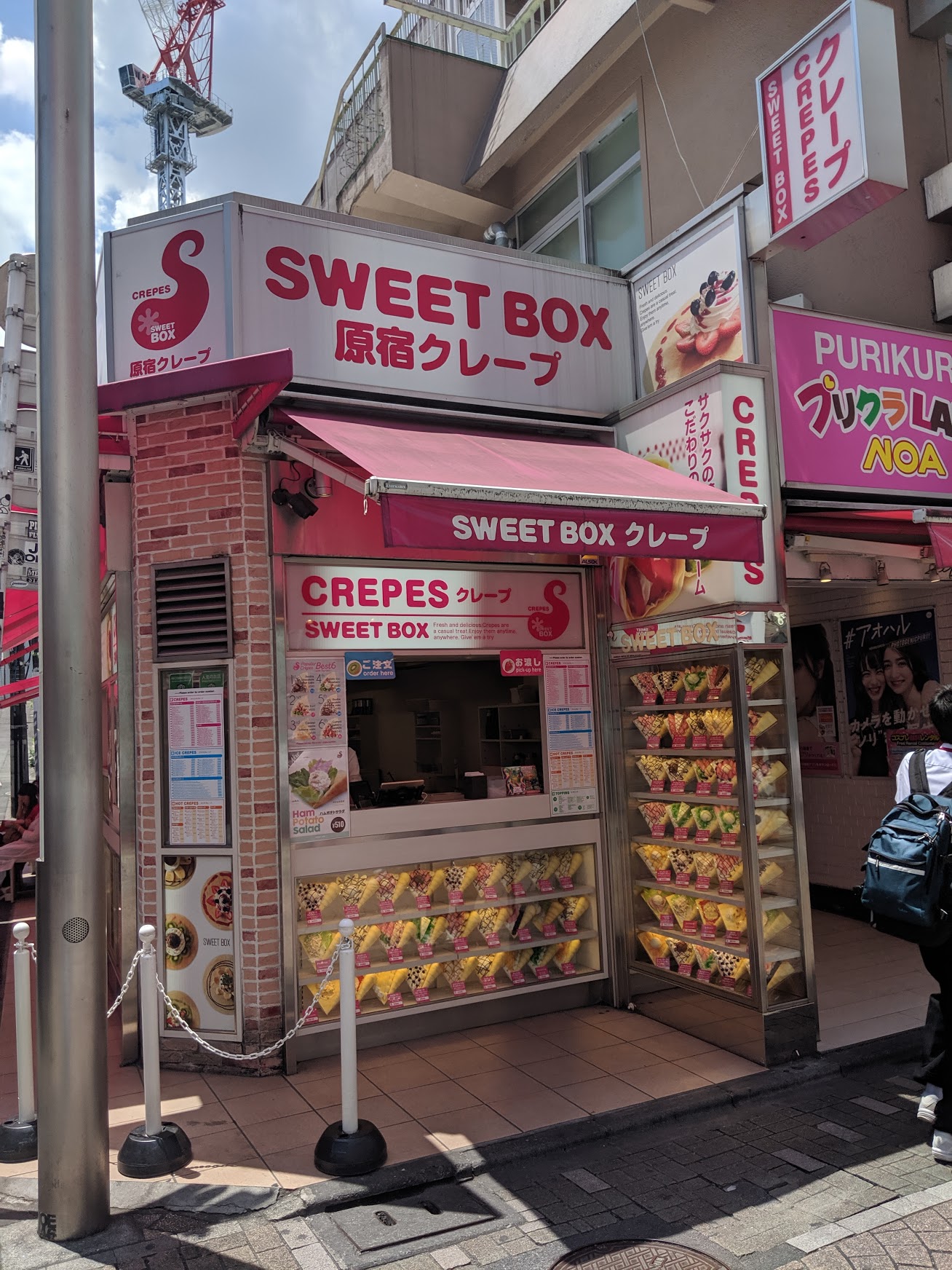
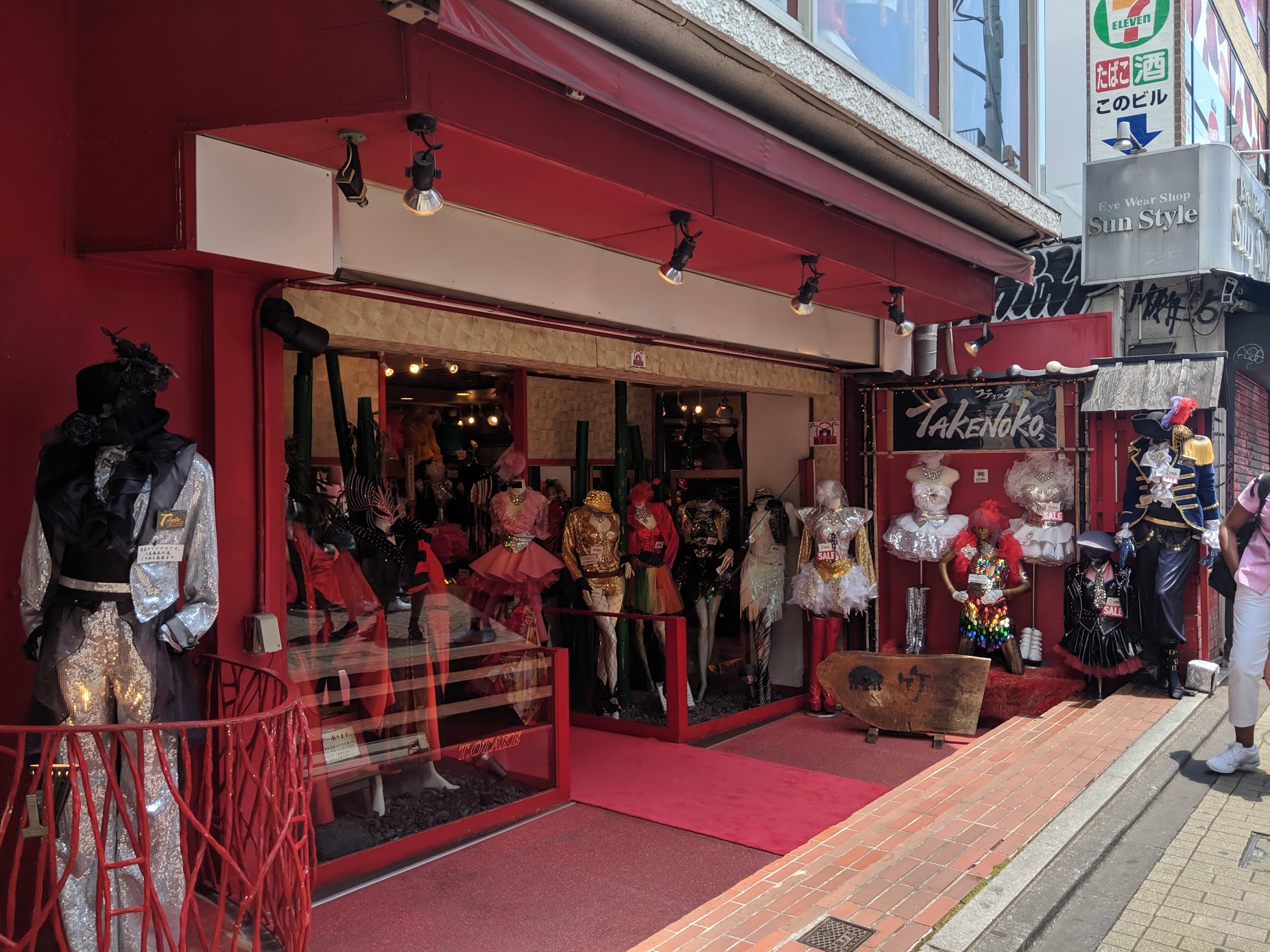
After the shrine we walked down Harajuku Takeshita Dori Street(most shops open at 11am) which has fun stores and cafes. They say it is the highschool girls dream street with candy, teen shops and bright lights.
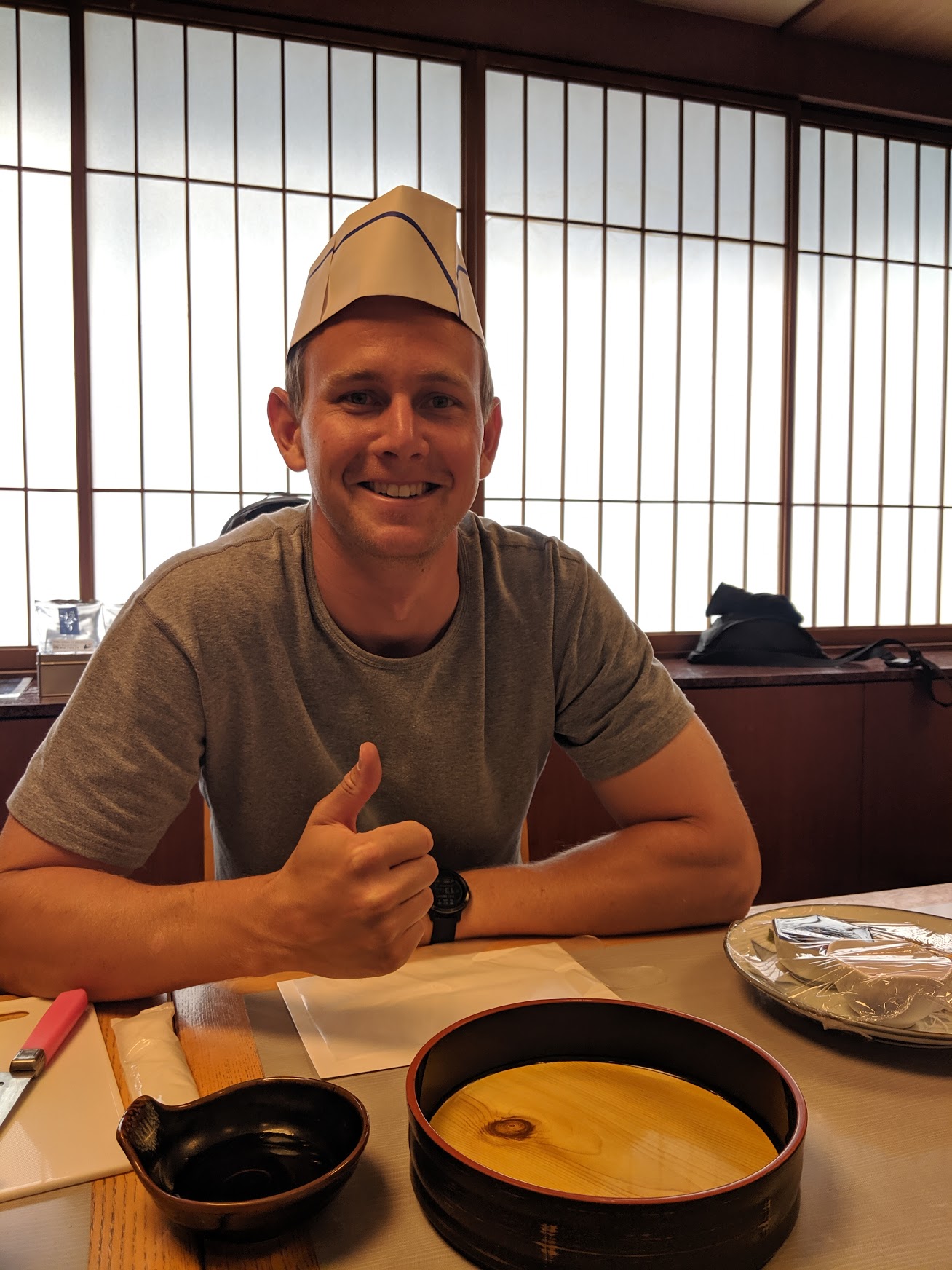
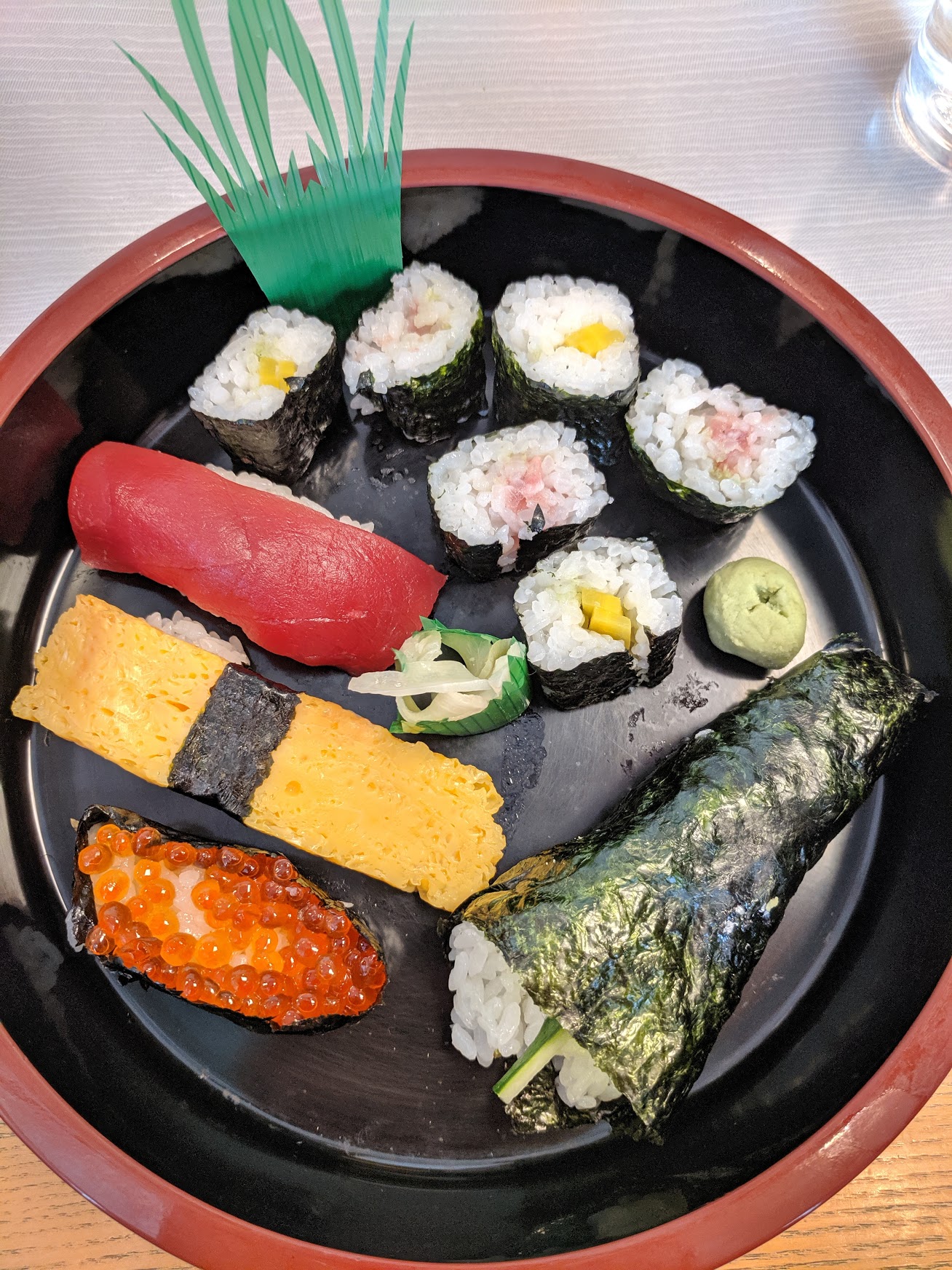
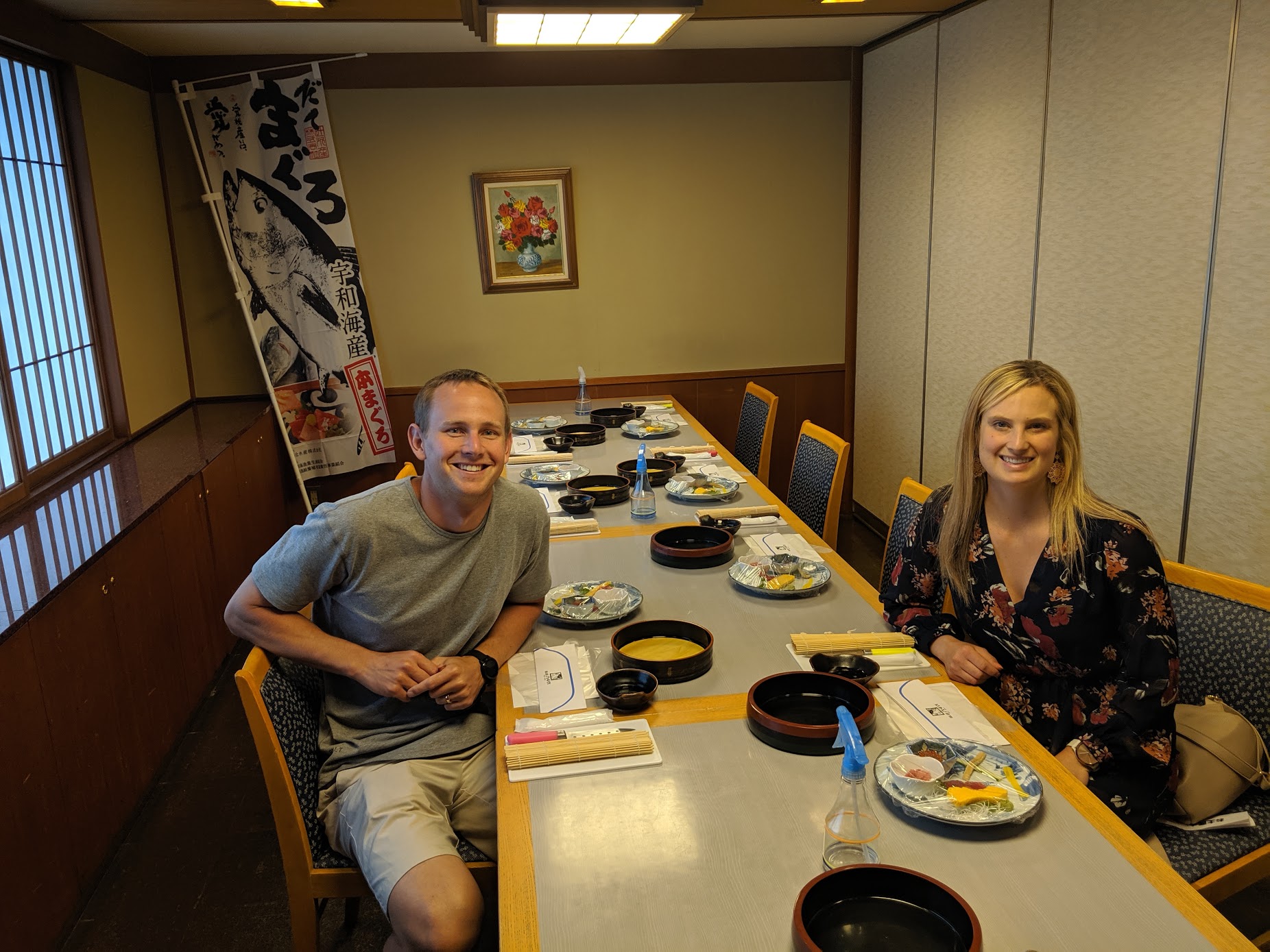
After the walking tour we went to our Airbnb Sushi Making Experience with Kazuki who runs multiple sushi restaurants. We made 5 kinds of sushi and Kazuki walked through the process step by step. There were 5 other people in our group and it was very interesting to talk to them about their travels and experiences. Two were from France, two were from Singapore and one was from San Francisco. I would highly recommend doing this AirBnb experience or any experience to get immersed in the culture and be able to talk to people who live in the city.
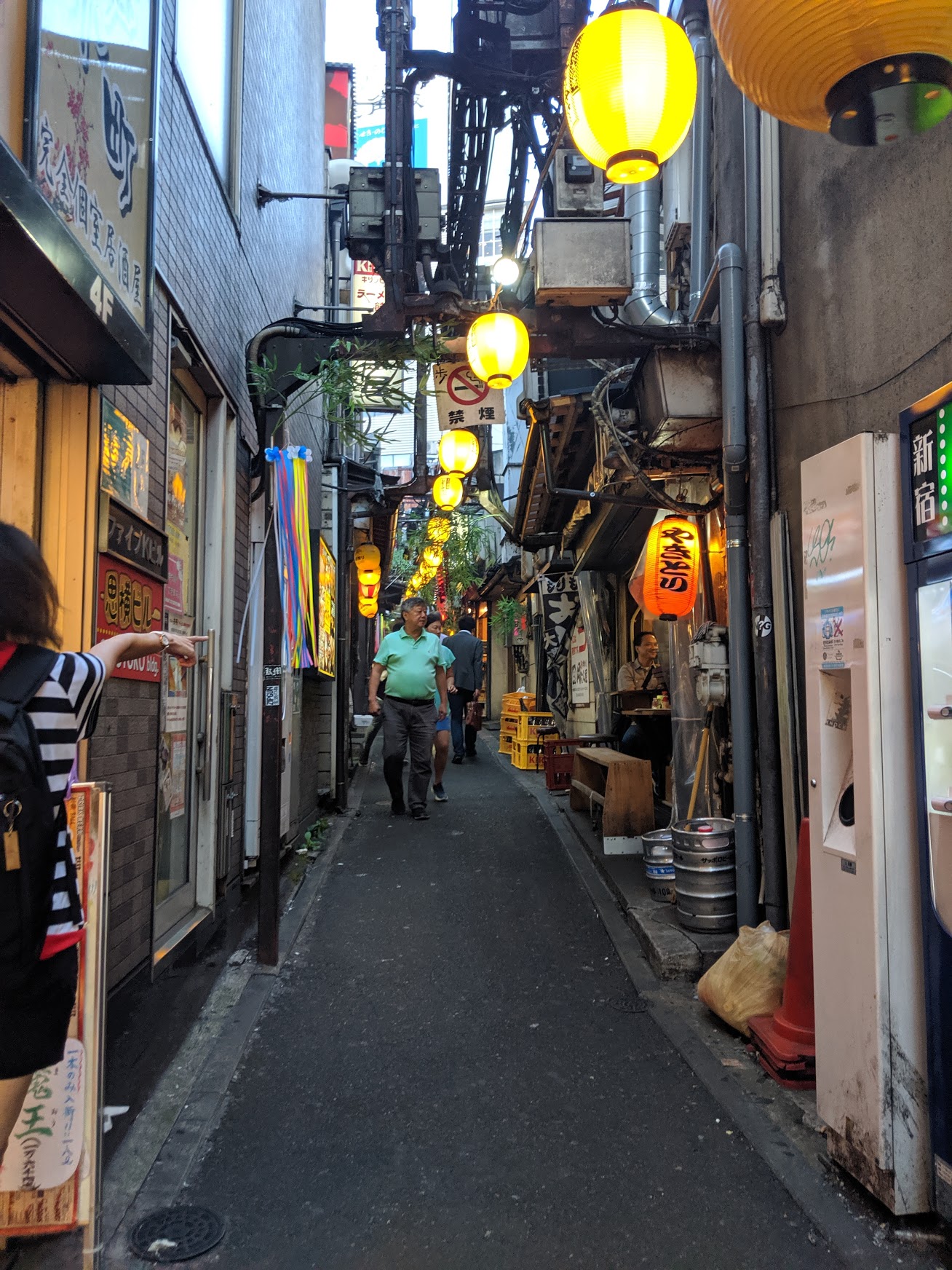
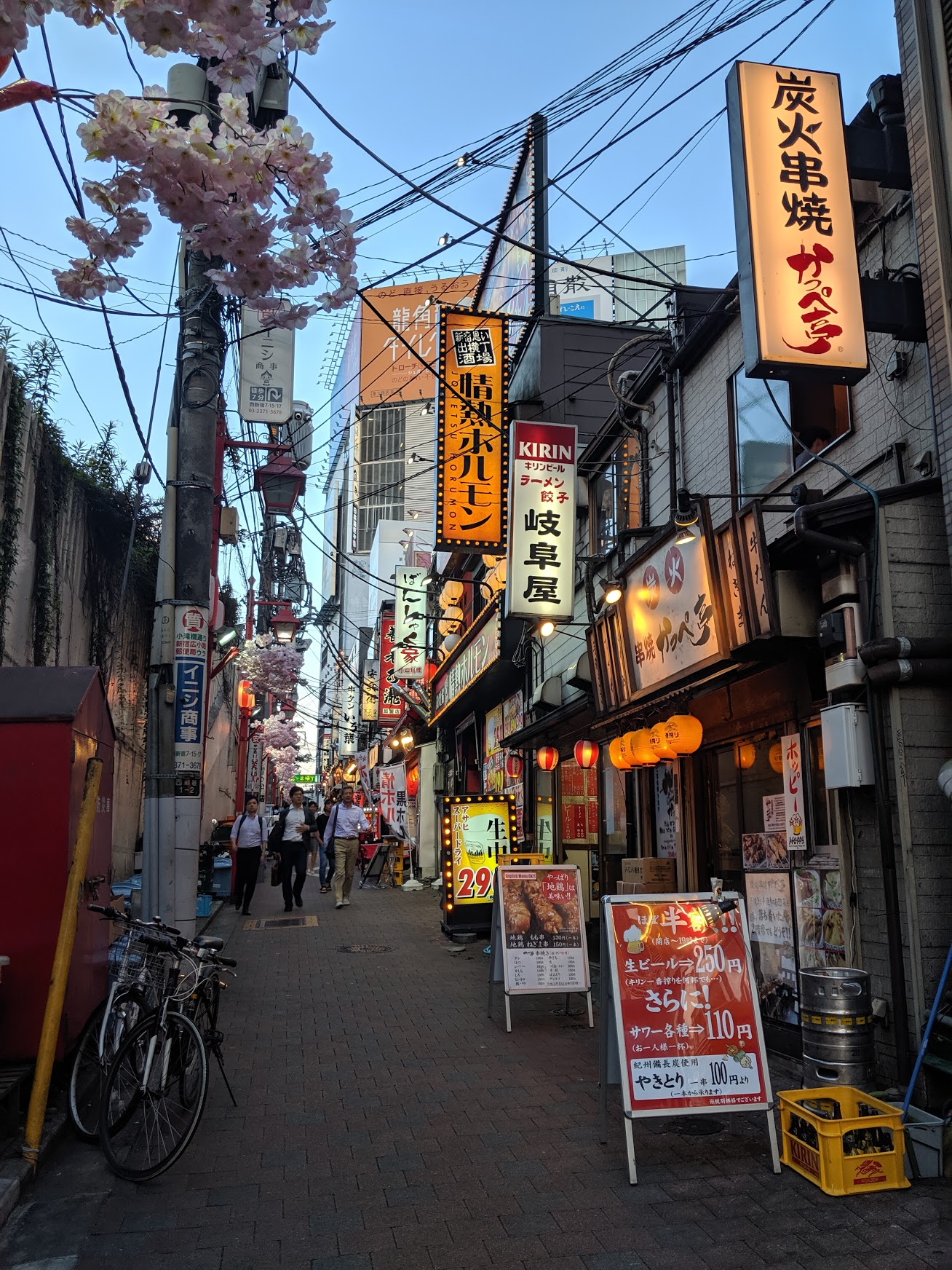
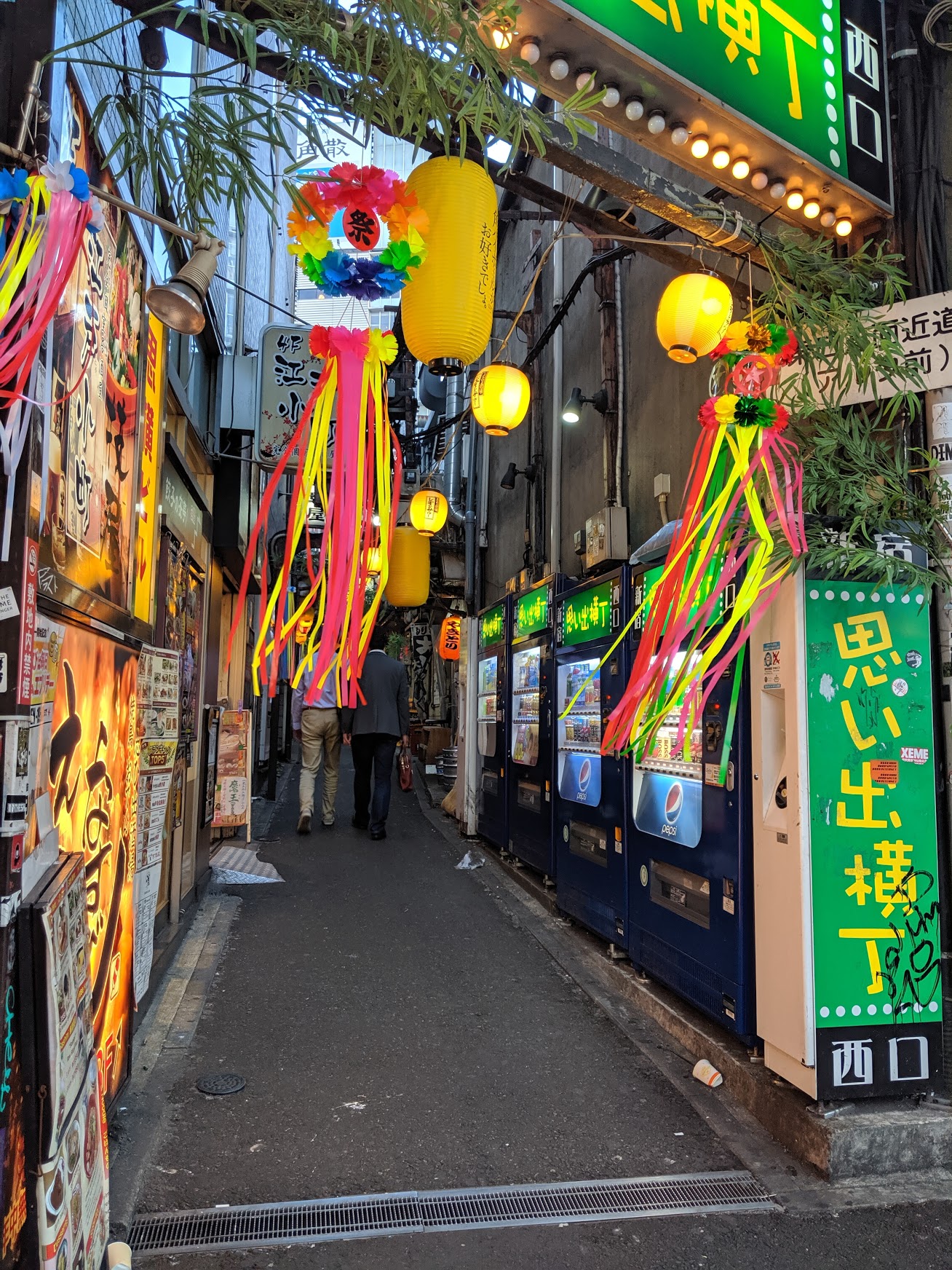
After the class, we wandered around the city and made our way back to the hotel. On our way to dinner we walked through Omoido Yokocho (Piss Alley) which is a small network of alleyways filled with dozens of tiny eateries serving ramen and soba. It started as an illegal drinking quarter in late 1940s, but is now a prime spot for cheap drinks, yakitori (Chicken skewers). A fire in 1999 burned down all the shops but Japan rebuilt the alley to look just as it did in the past. We went to dinner at Watering Hole Brewery in Shinjuku. The beer was good but pricey, about $11 for a pint. They had salads which was a nice change, but I wouldn’t recommend going there.
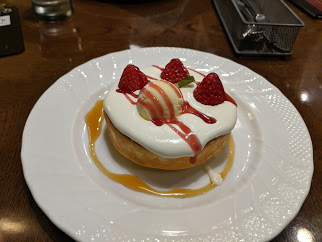
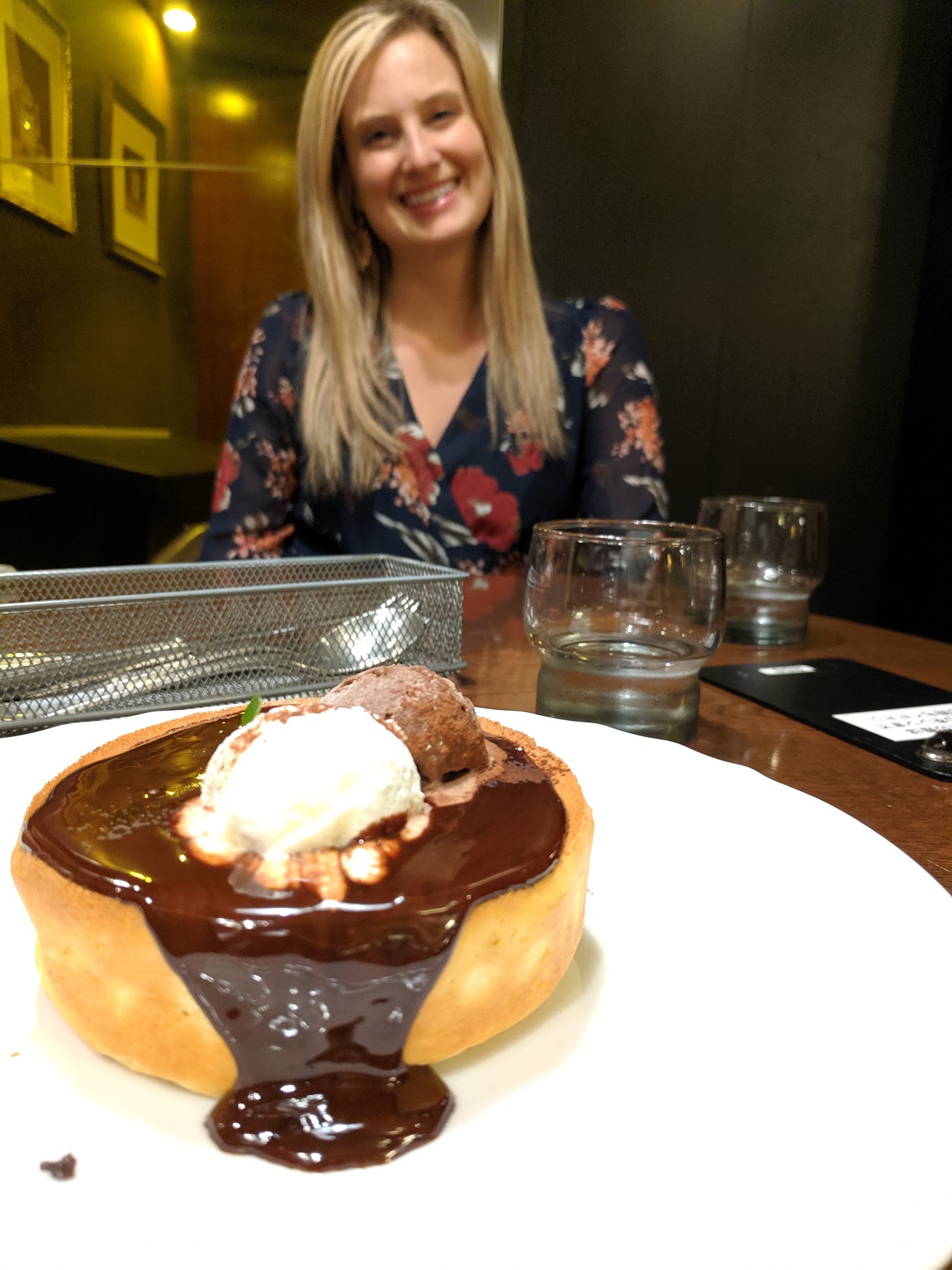
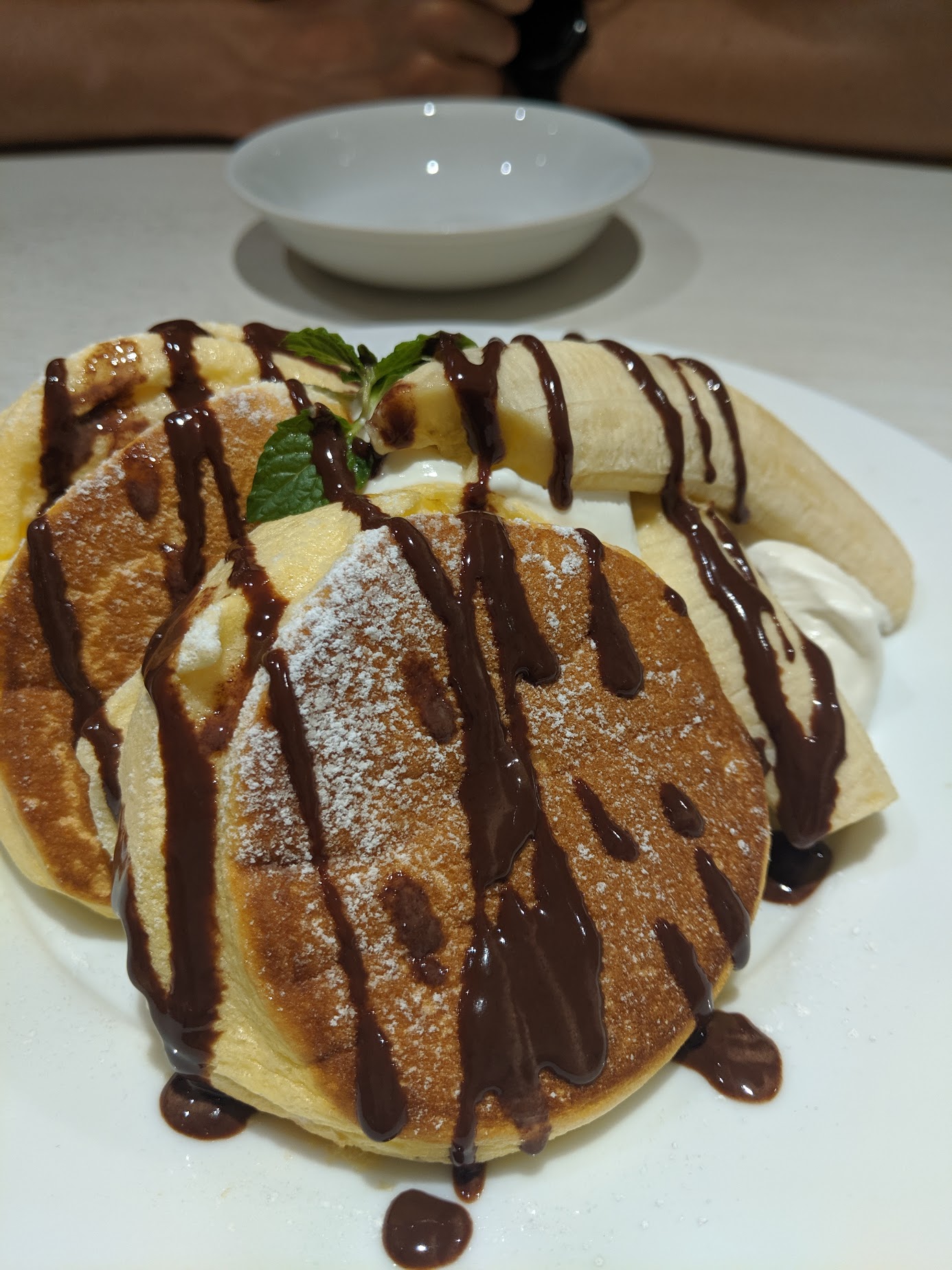
After dinner we went to get fluffy pancakes for dessert. We got lost a couple of times but we finally found the place we wanted to go to, Hoshino Coffee. I got a strawberry cream pancake and Michael got a pancake with chocolate sauce. They were very delicious and fluffy! A nice way to end the day.
Hakone
Hakone Day 4 May 31
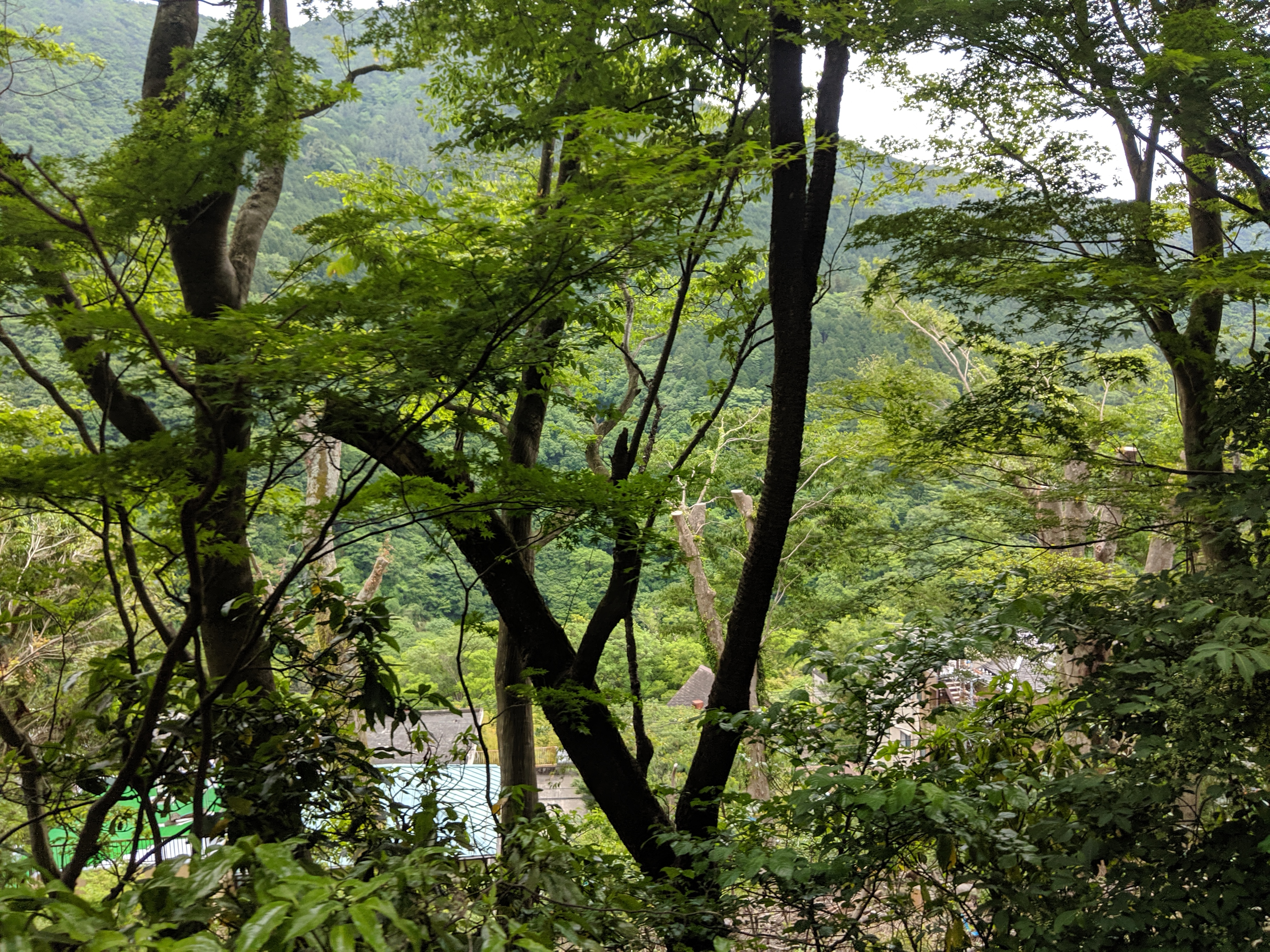
We woke up early the next day to start our journey to Hakone. Hakone is an area encompassing Lake Ashi and the mountains around Gora in the Hakone Izu National Park. It is known for it’s views of Mount Fuji, hot springs (Onsens), and the unique loop that takes you to all the sights on different forms of transport.
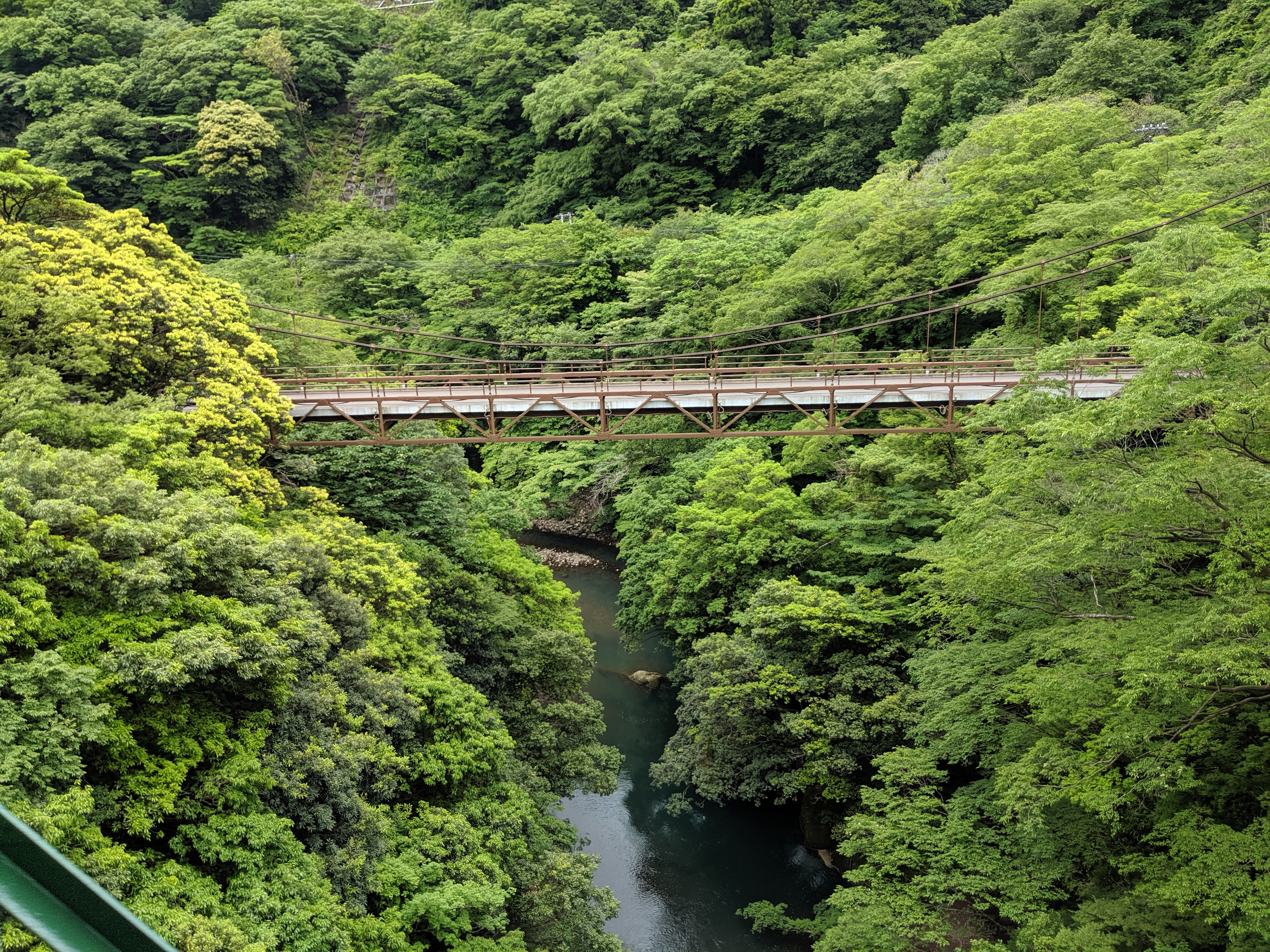
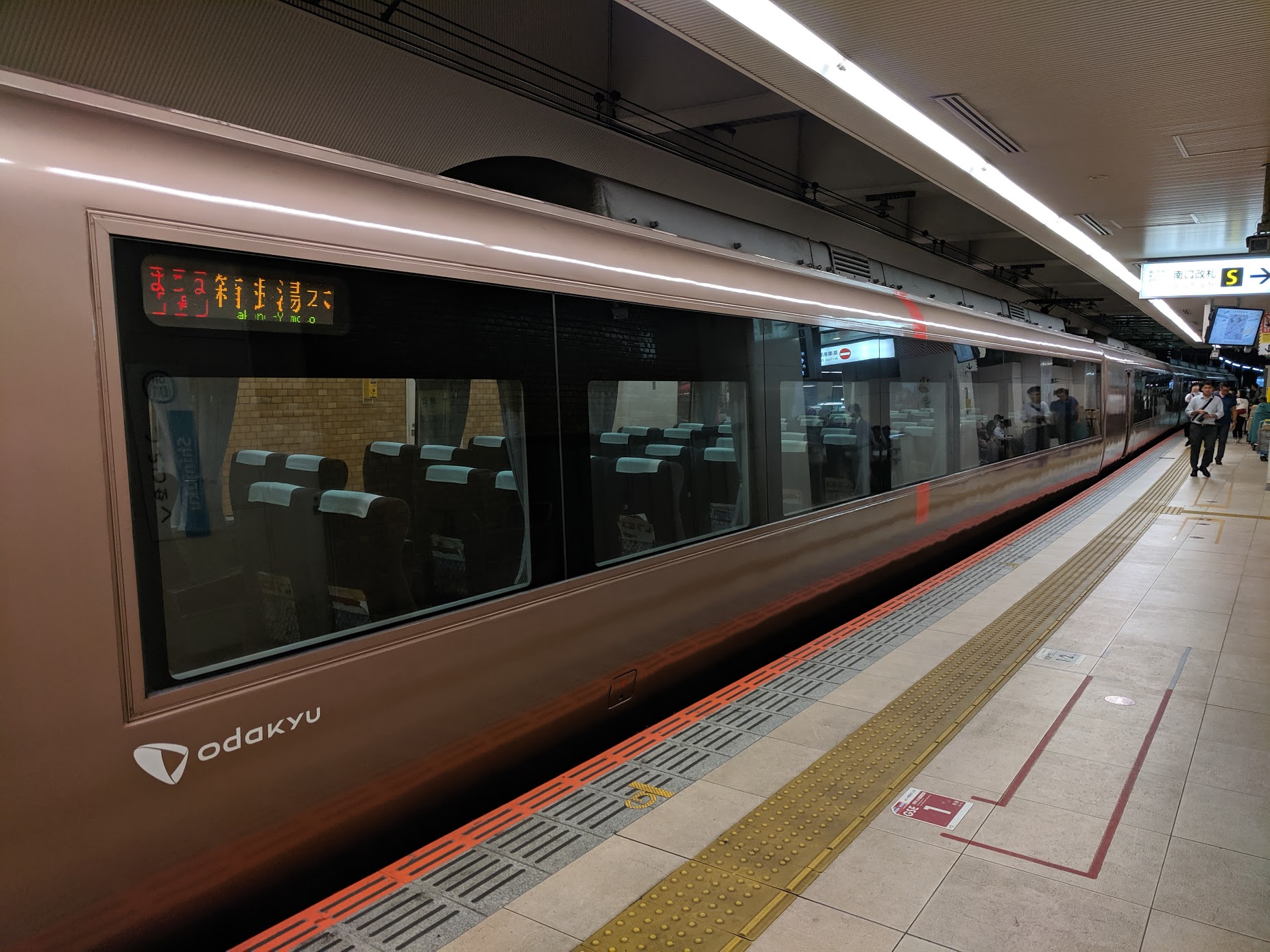

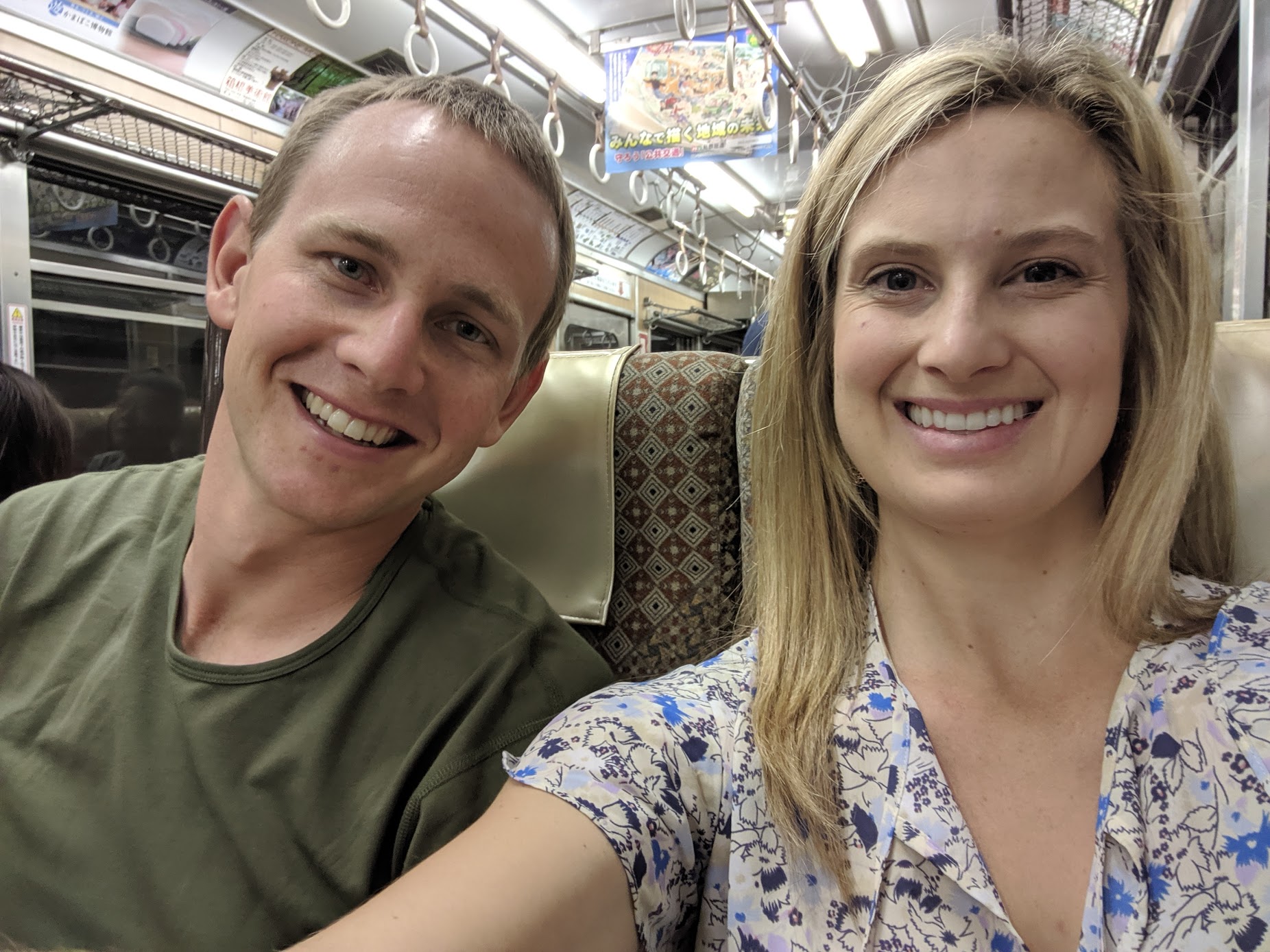
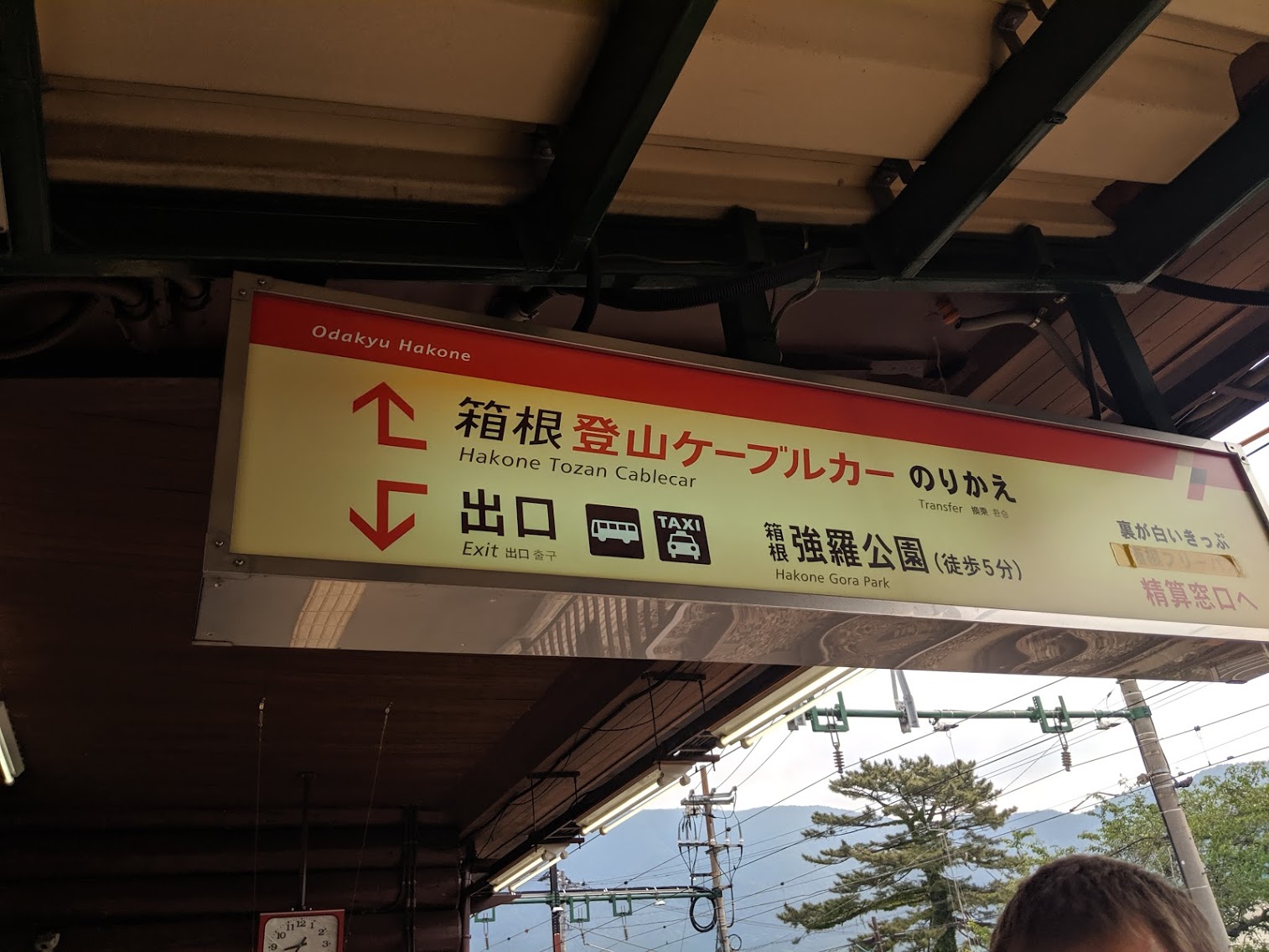
There are a couple different routes you can take from Tokyo to Hakone and we decided to take the Romance Car from the Shinjuku station to Hakone Yumoto and from there we took a cable car to Gora. The Romance car is just a train from Tokyo to Hakone. You need to make reservations and it is a little more expensive than the regular train. We heard that it may have nicer views on your way to Hakone, but I think it is similar to the other train. Once we got to Gora we bought the Hakone Free Pass which gets you free transportation on almost everything in Hakone, including the train, bus, ropeway and ferry. I would recommend getting this if you are planning on traveling around the city and going to the lake.
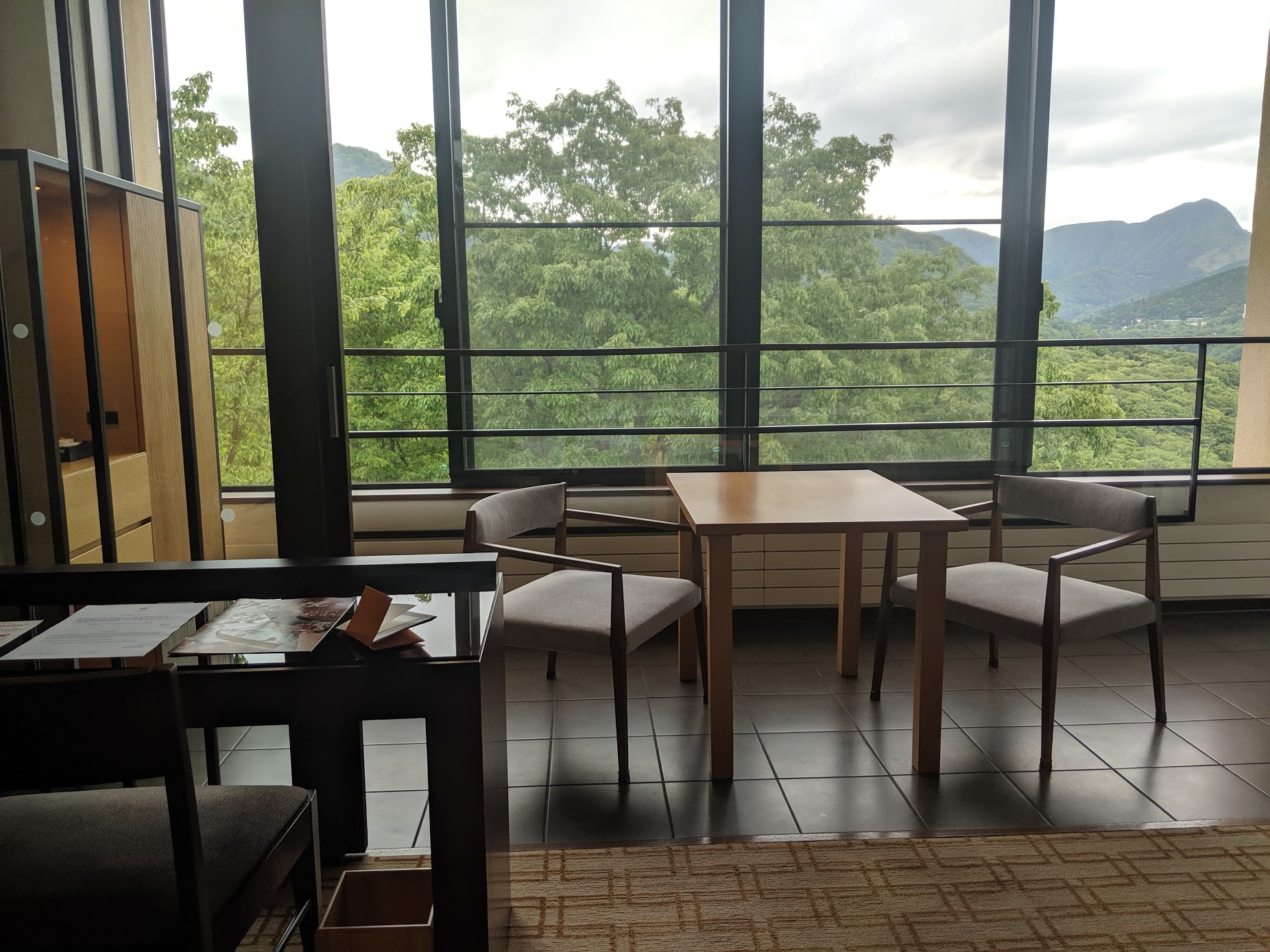
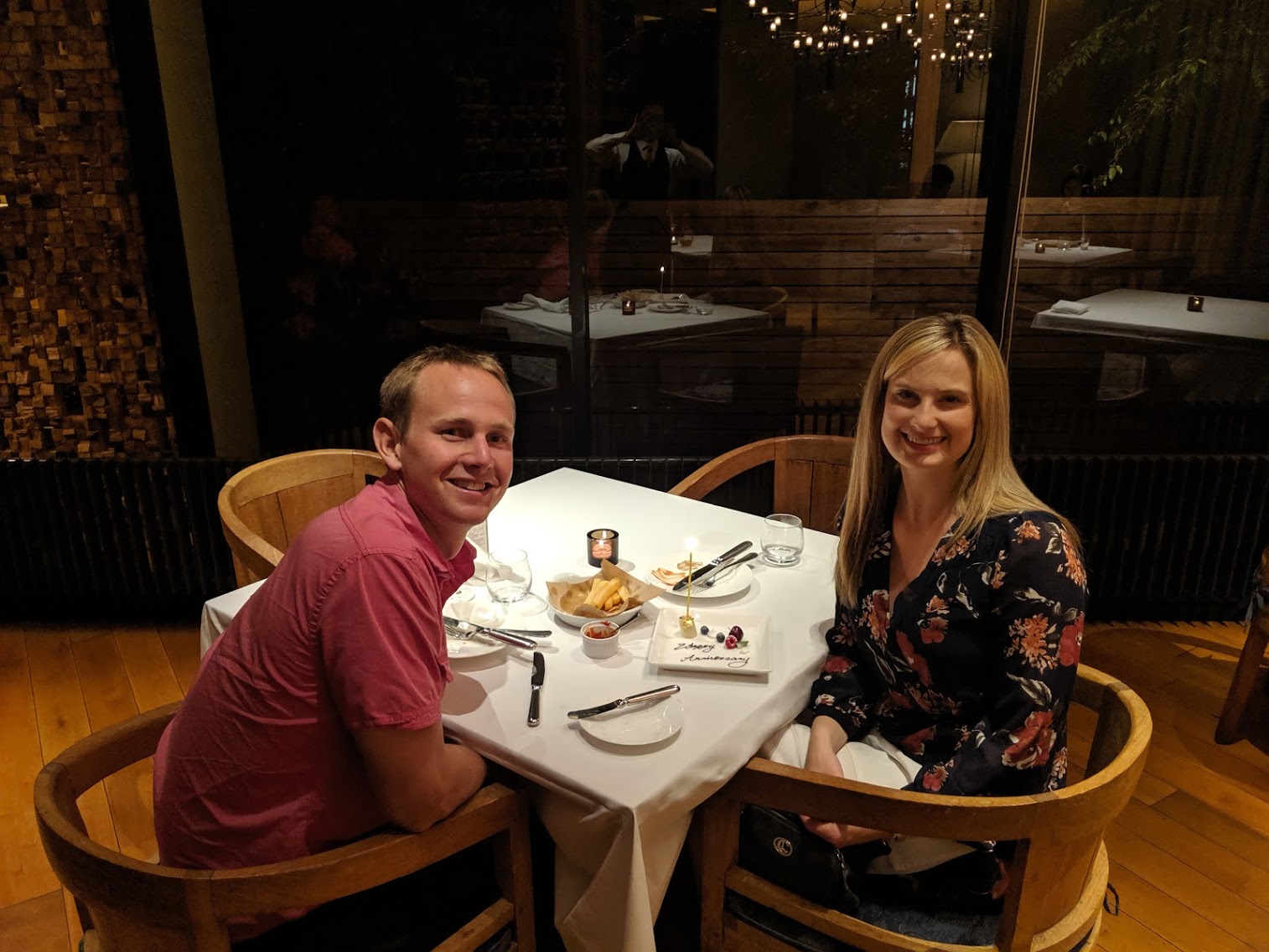
Once in Hakone we checked into our hotel, the Hyatt Regency Hakone Resort and Spa. This hotel was absolutely amazing and the hotel staff were very nice. We decided to stay here since we were celebrating our anniversary in Hakone and wanted a special place to stay. After checking in to the hotel we headed out to explore Hakone.

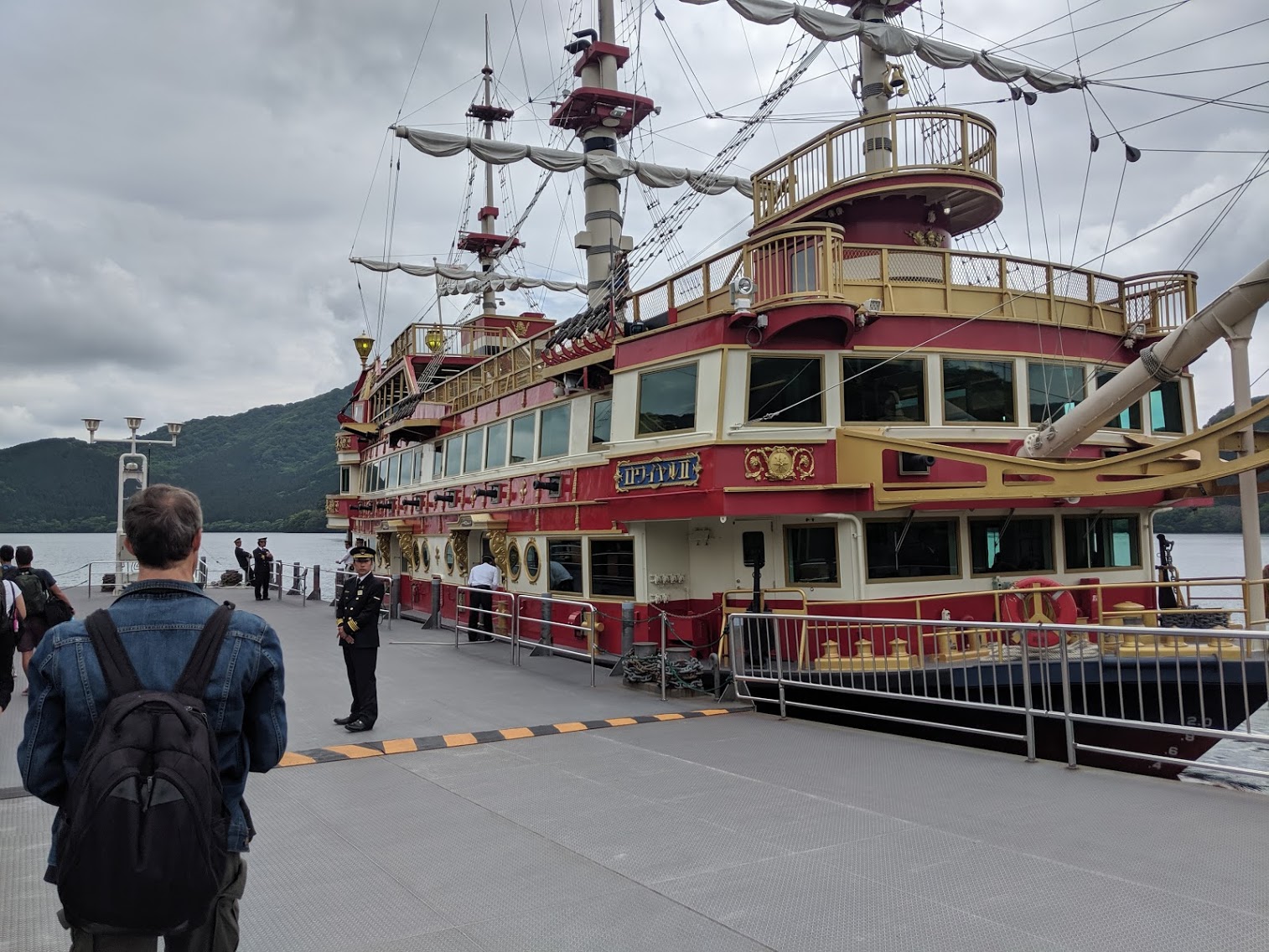
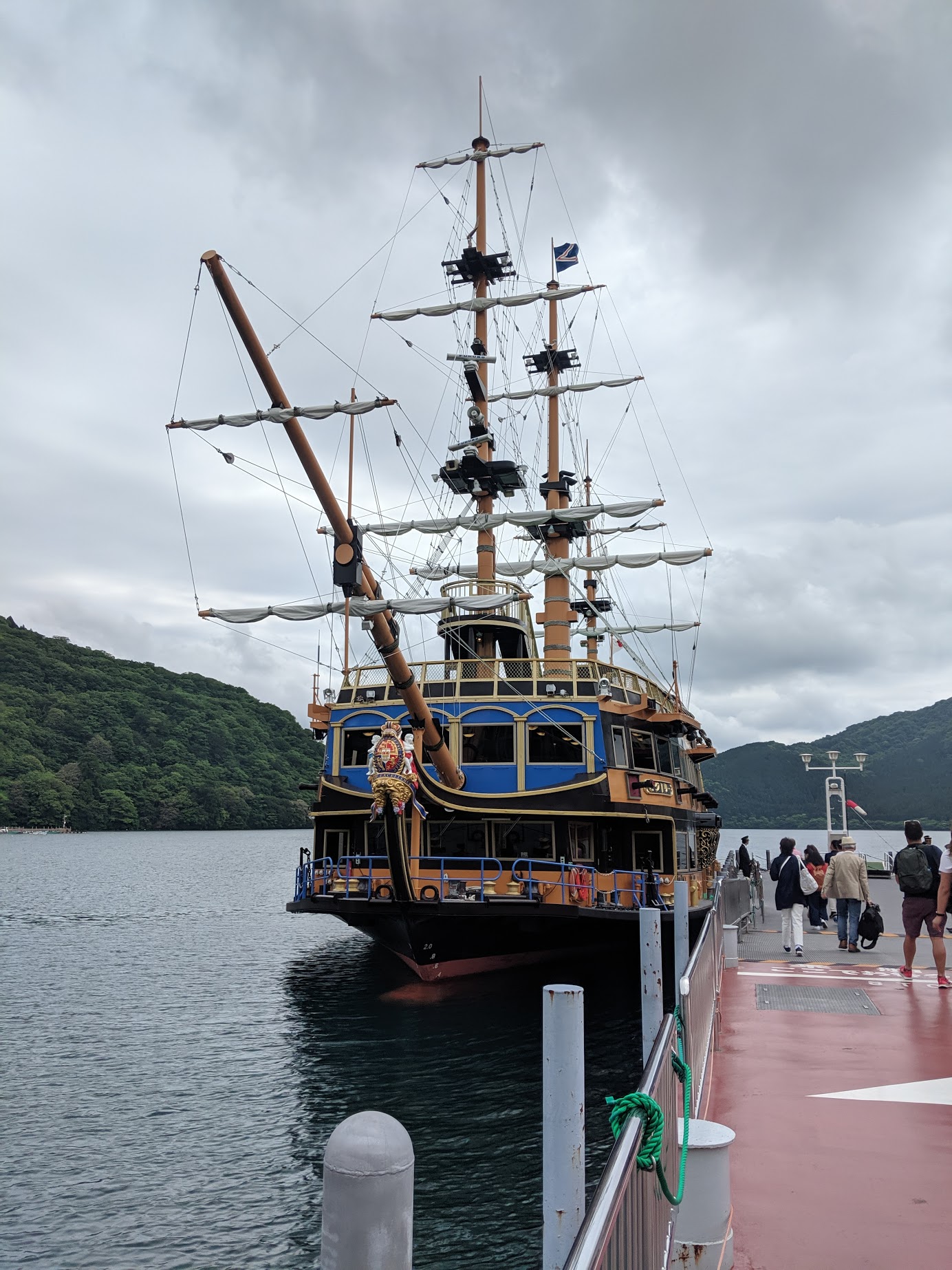
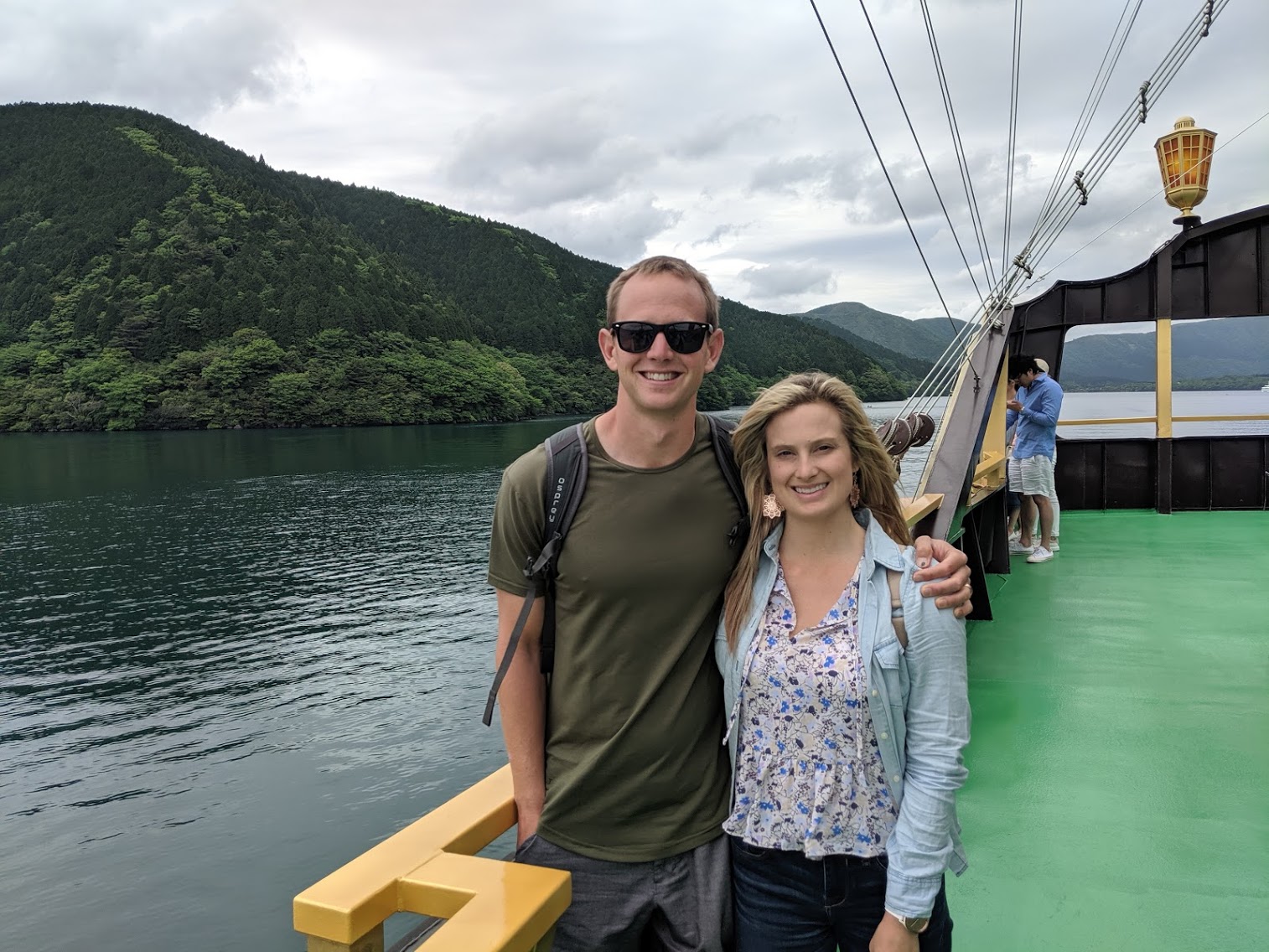
Unfortunately the ropeway was closed due to volcanic activity so we were not able to take it but they had a shuttle bus in between where the ropeway would have been and down to the lake. Once at LakeAshi, the main ferry is called Togendai Ferry and it looks like a pirate ship. It is really fun to ride and on a clear day you can see Mount Fuji while you are out on the lake. There are three different stops you can get on and off on the lake.
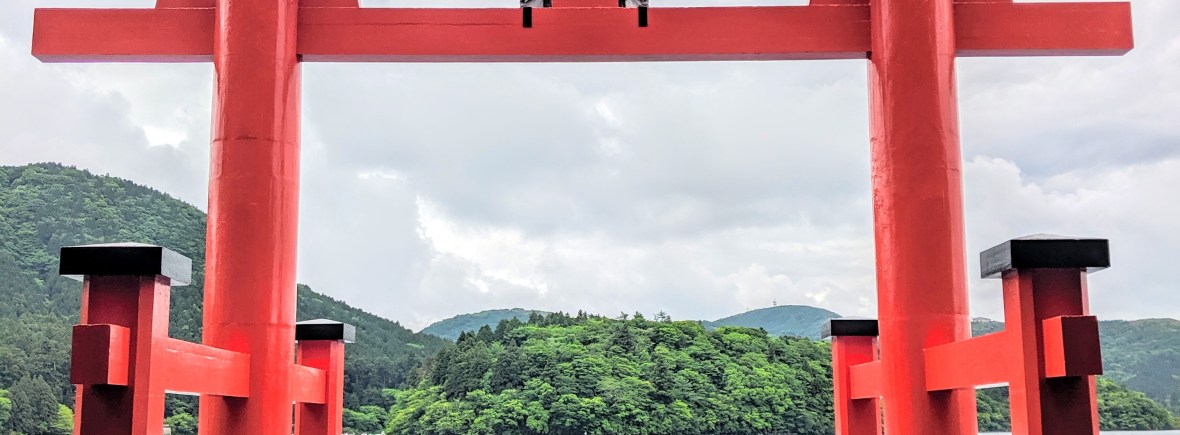
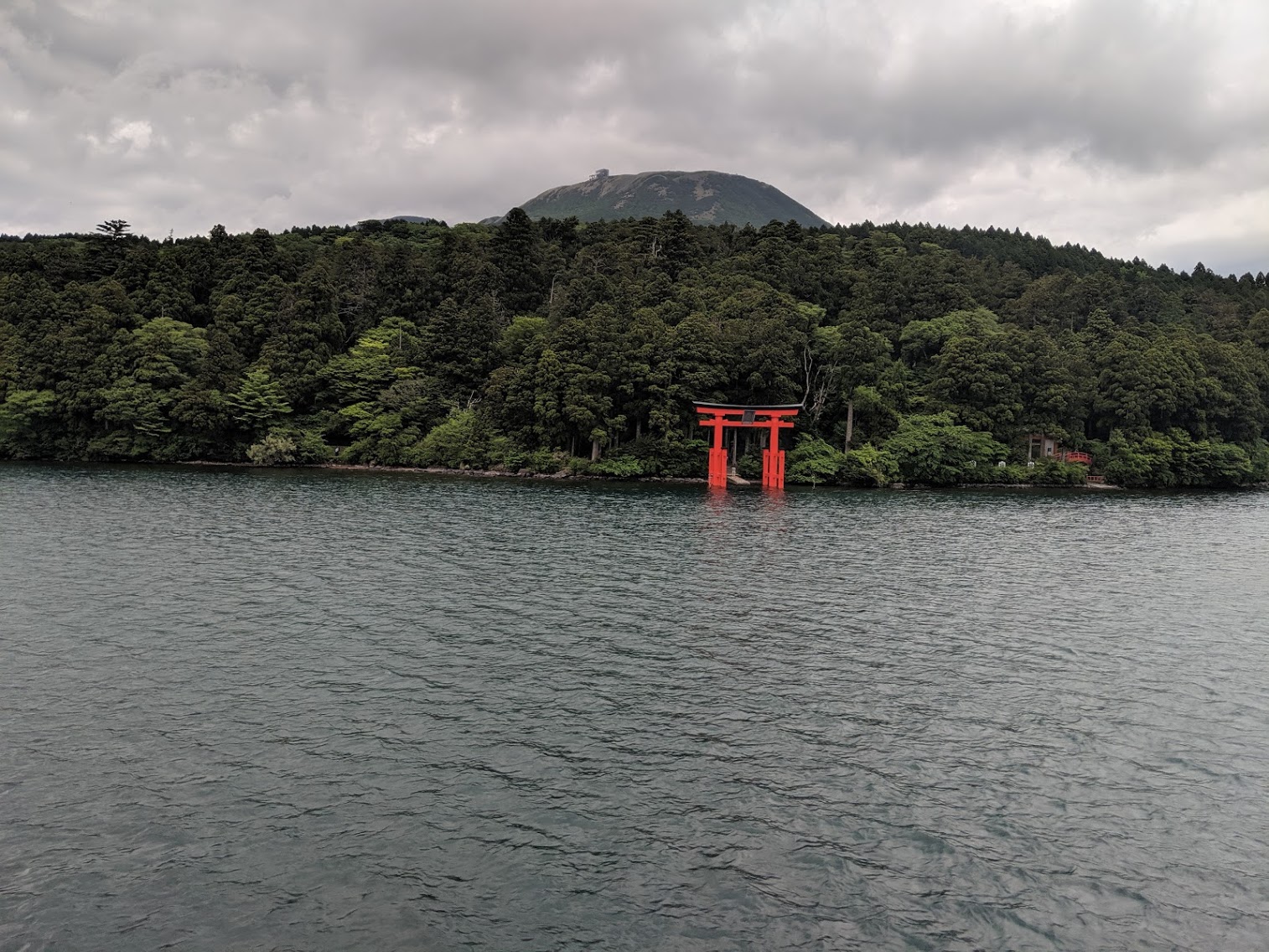
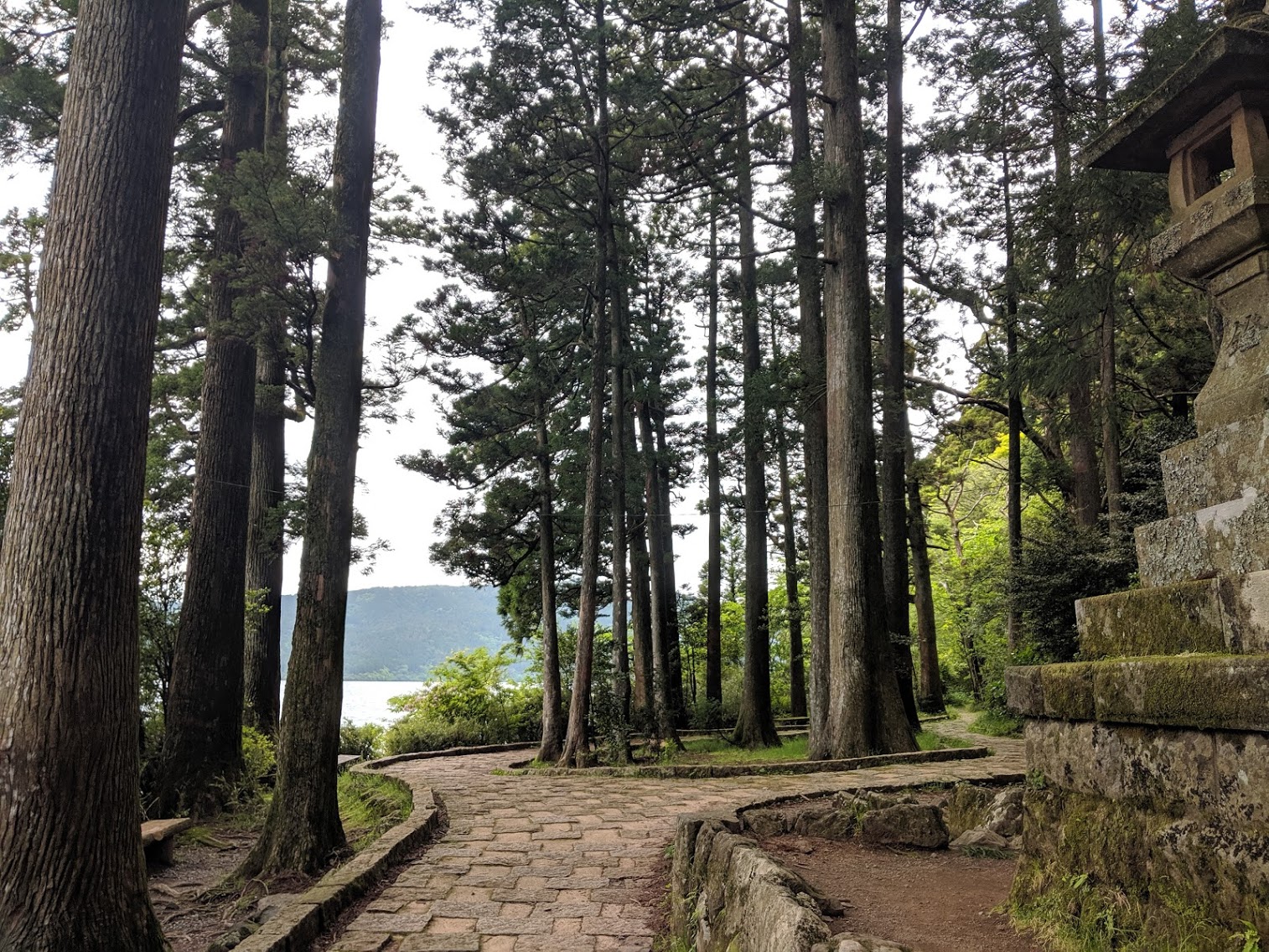
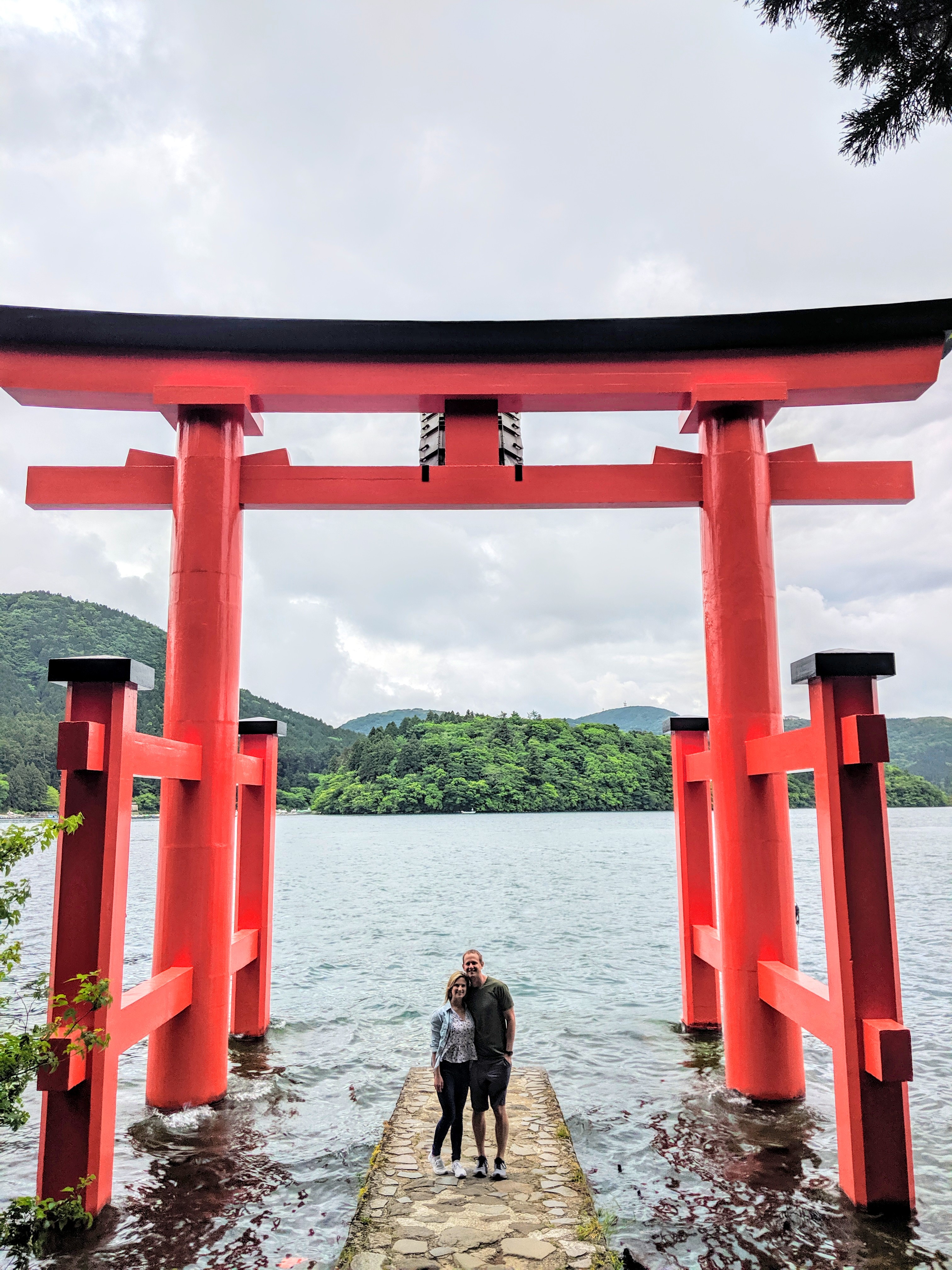
We decided to get off the boat at Hakone Machi (first stop) and got a quick snack. We walked 2 km to Motohakone, which is also a ferry stop, through the ancient Cedar Avenue . At Motohakone we walked to the Hakone Shrine Torii Gate which is located a short distance pass the ferry terminal. The actual shrine buildings are hidden in the dense forest but the torii gate is located in the lake right offshore. A path leads to the torii gate in Lake Ashi and is a very beautiful sight to see. Hakone shrine was founded in 757 during the reign of Emperor Kosho. The original shrine was at the summit of the komagatake peak of Mount Hakone and was related to the shores of Lake Ashi.
After the torii gates, we then got back on the ferry and took it to the starting point and took the bus back to our hotel. Our hotel offered free unlimited happy hour every night 4-7 so we definitely took advantage of that and relaxed in the beautiful lobby area.
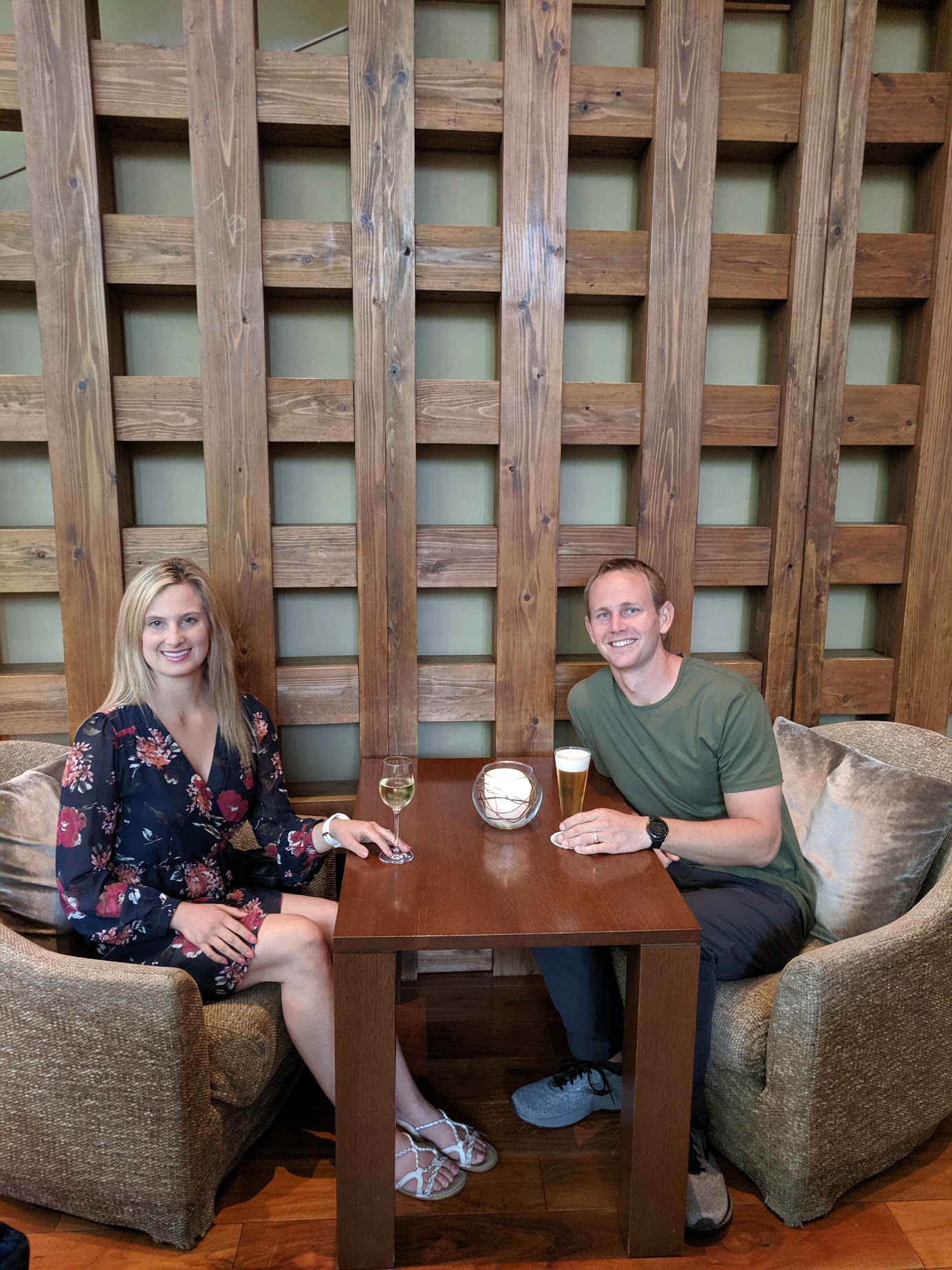
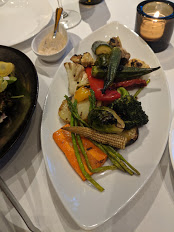
We took a taxi to Gora Brewery for dinner which was absolutely amazing. The name is a little deceiving because you think it will be a brewery, but it is not. They do brew beer but the decor makes you feel like you are in a forest and they cook at a bar that you can sit in front of and watch. Behind the chefs is a huge window looking outside to the forest. I highly recommend this place for dinner. We split gyoza pot stickers, I got salmon with vegetables and Michael got soft shell crab roll.
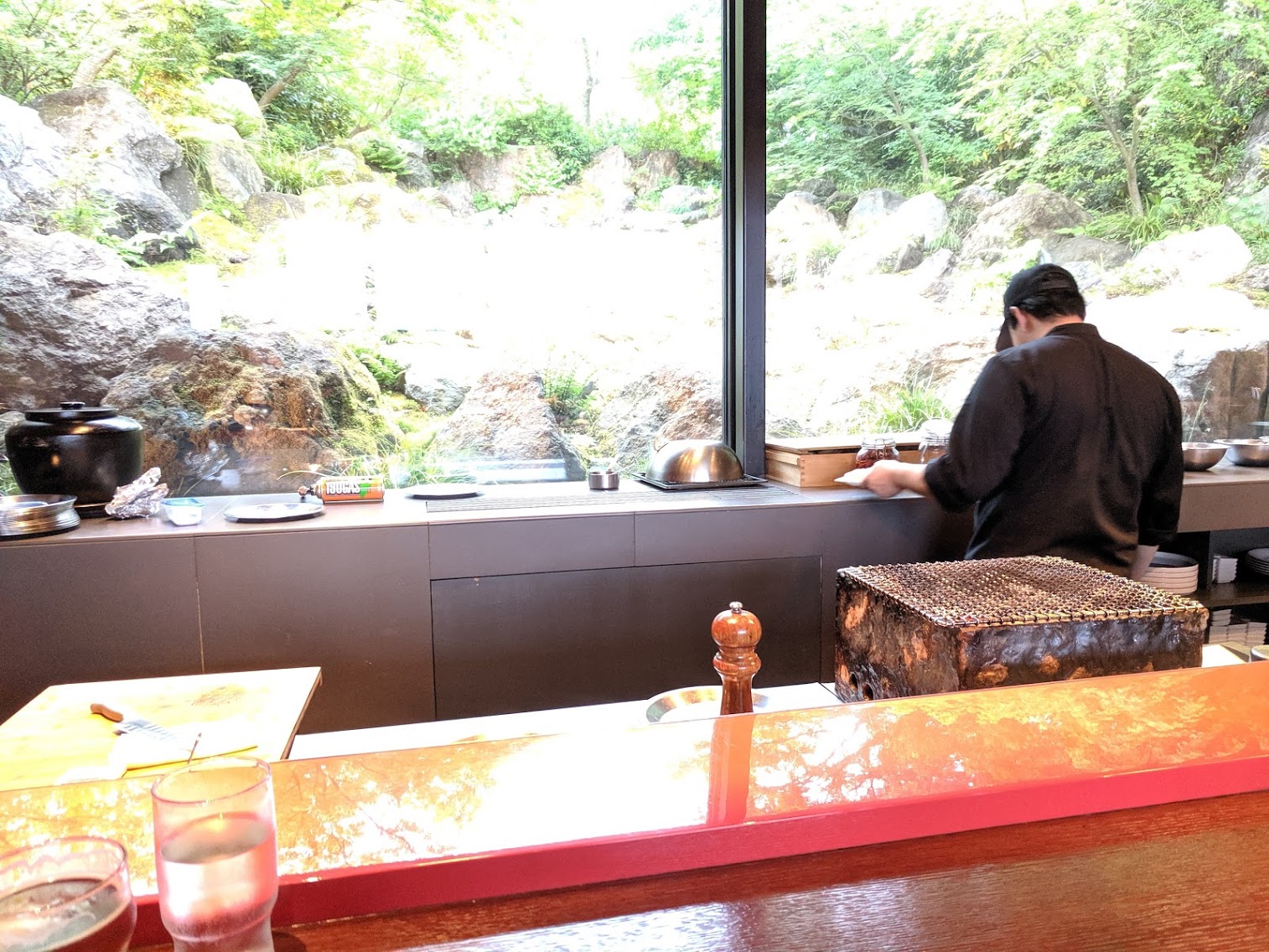
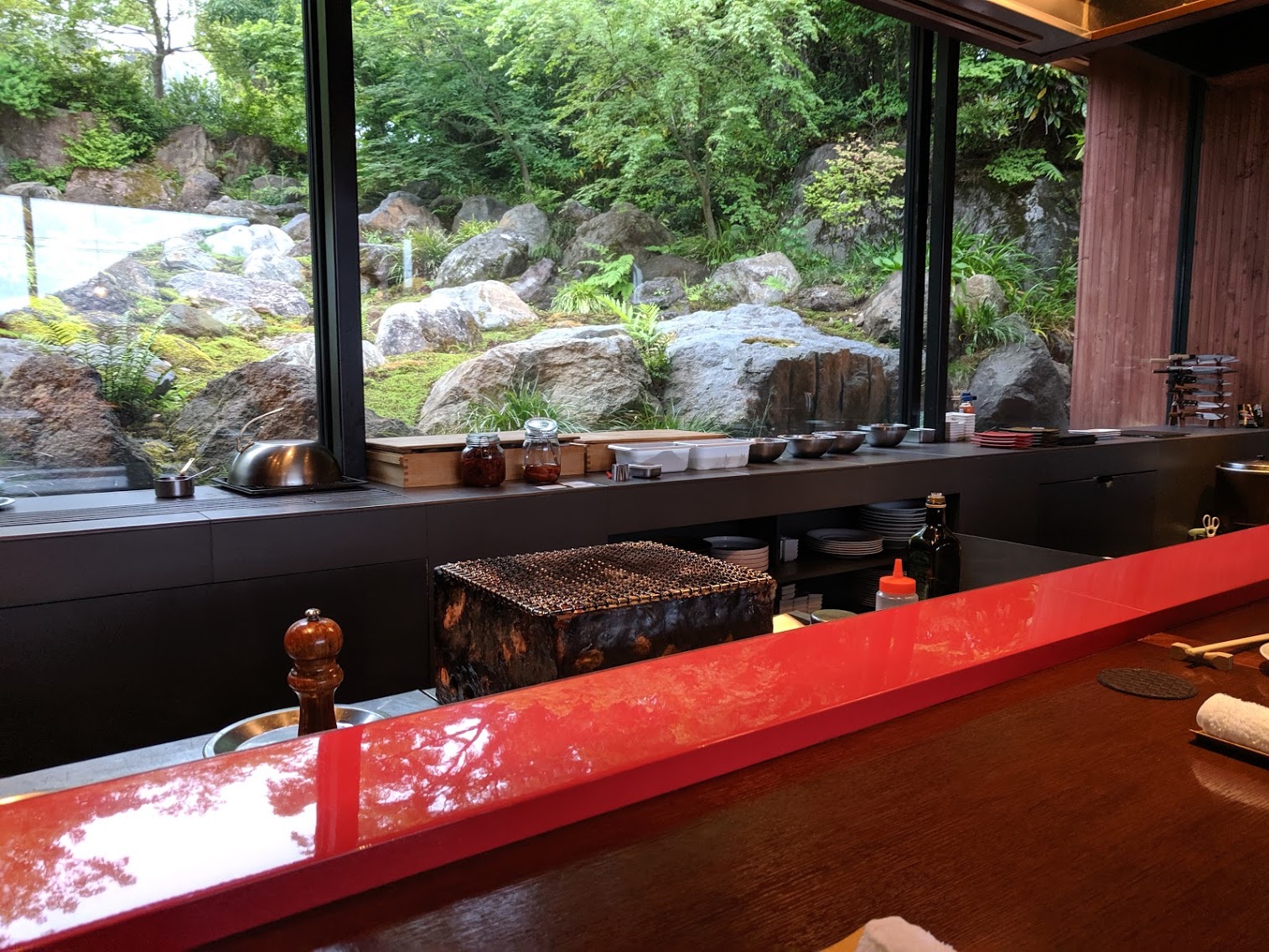
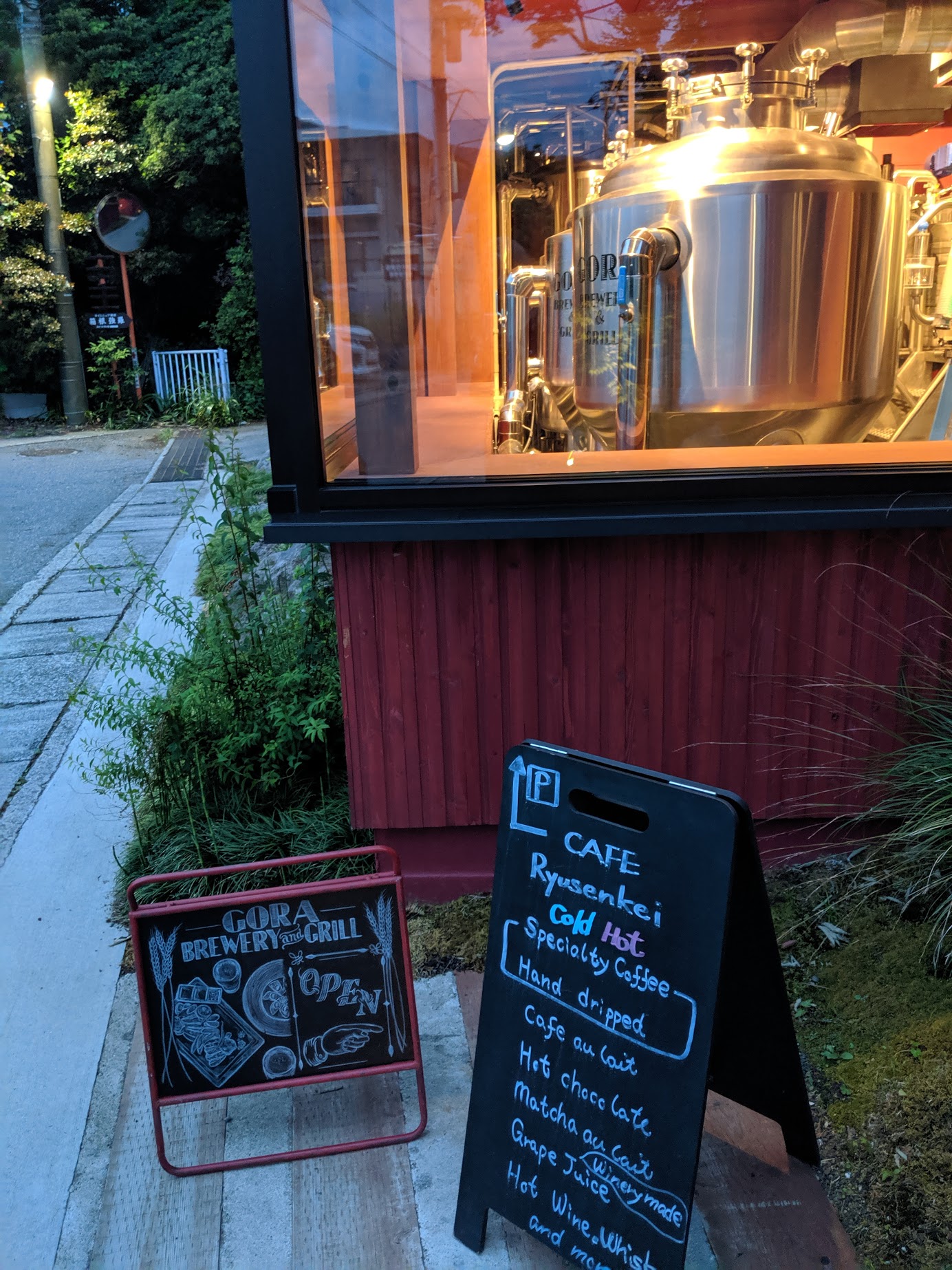
We then went back to the hotel and ended the night with some dessert.
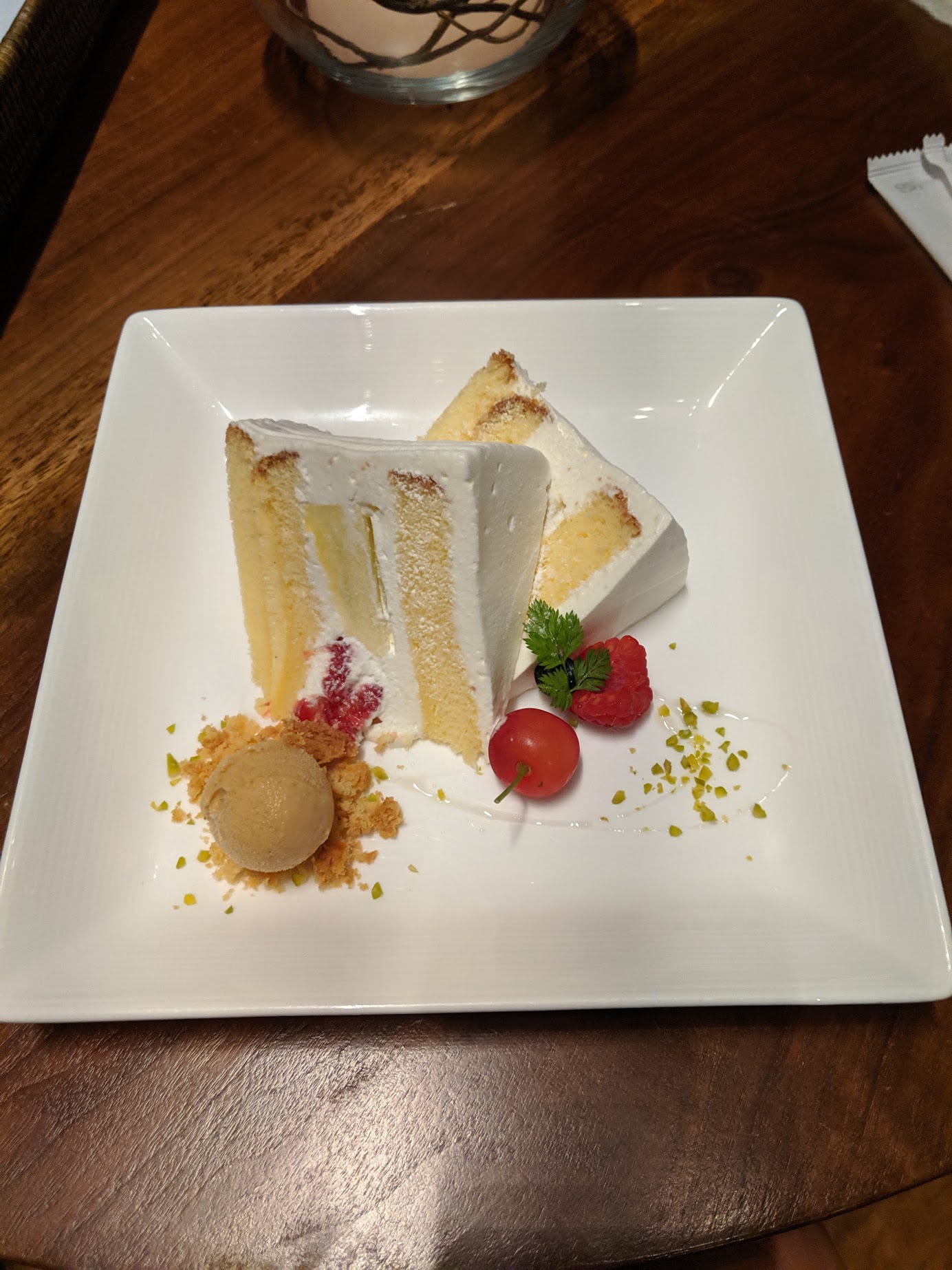
Day 5 June 1
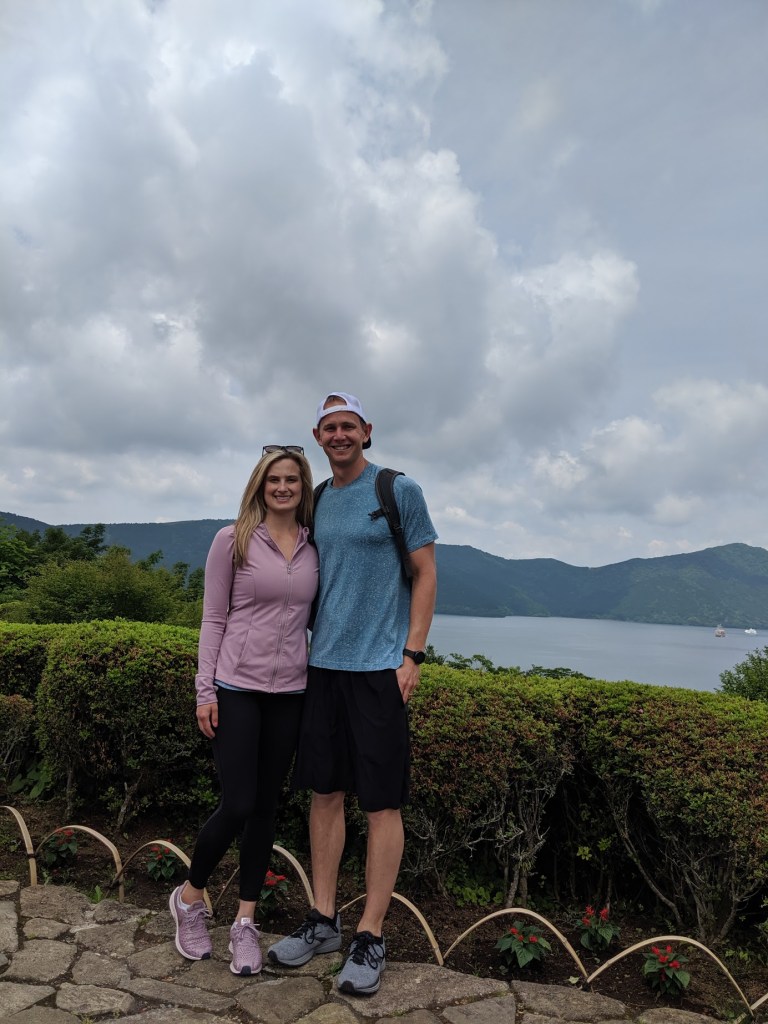
The next morning we had breakfast at the hotel which was very good. Then we took the bus to the pirate ship and went back to Hakone Machi. From Hakone Machi you can walk 12 minutes through a garden to an observation deck at Onshi Hakone Koen Park that overlooks the lake. It had a nice view of the lake and if it is a clear day it would be an amazing view of Mount Fuji.
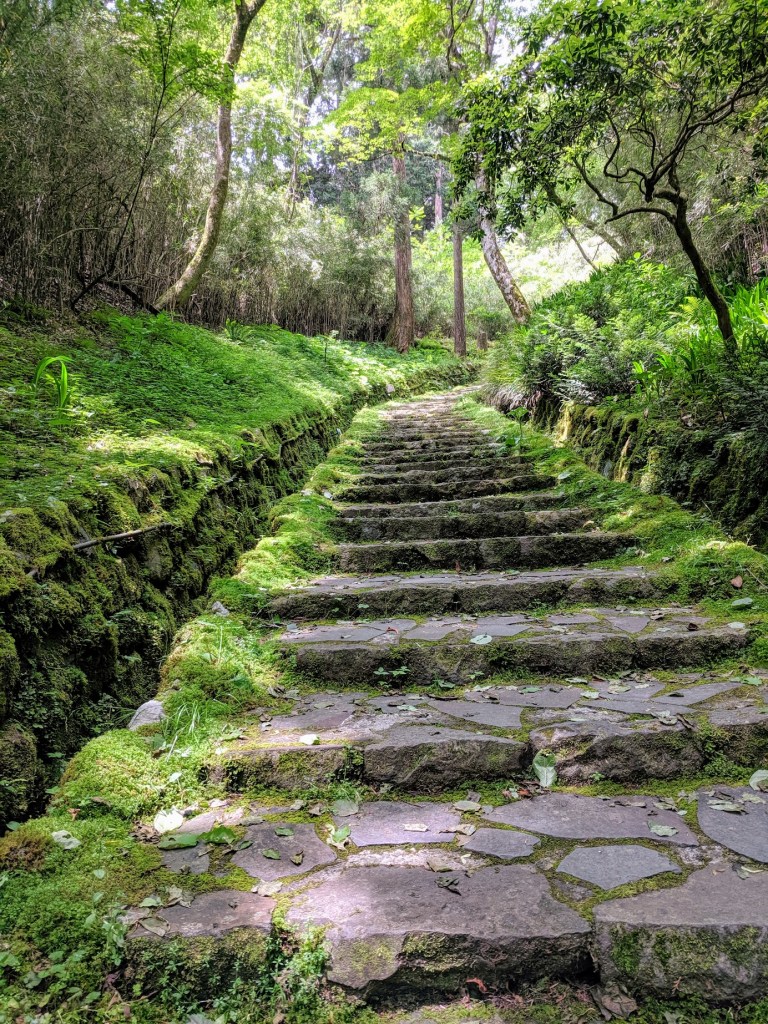
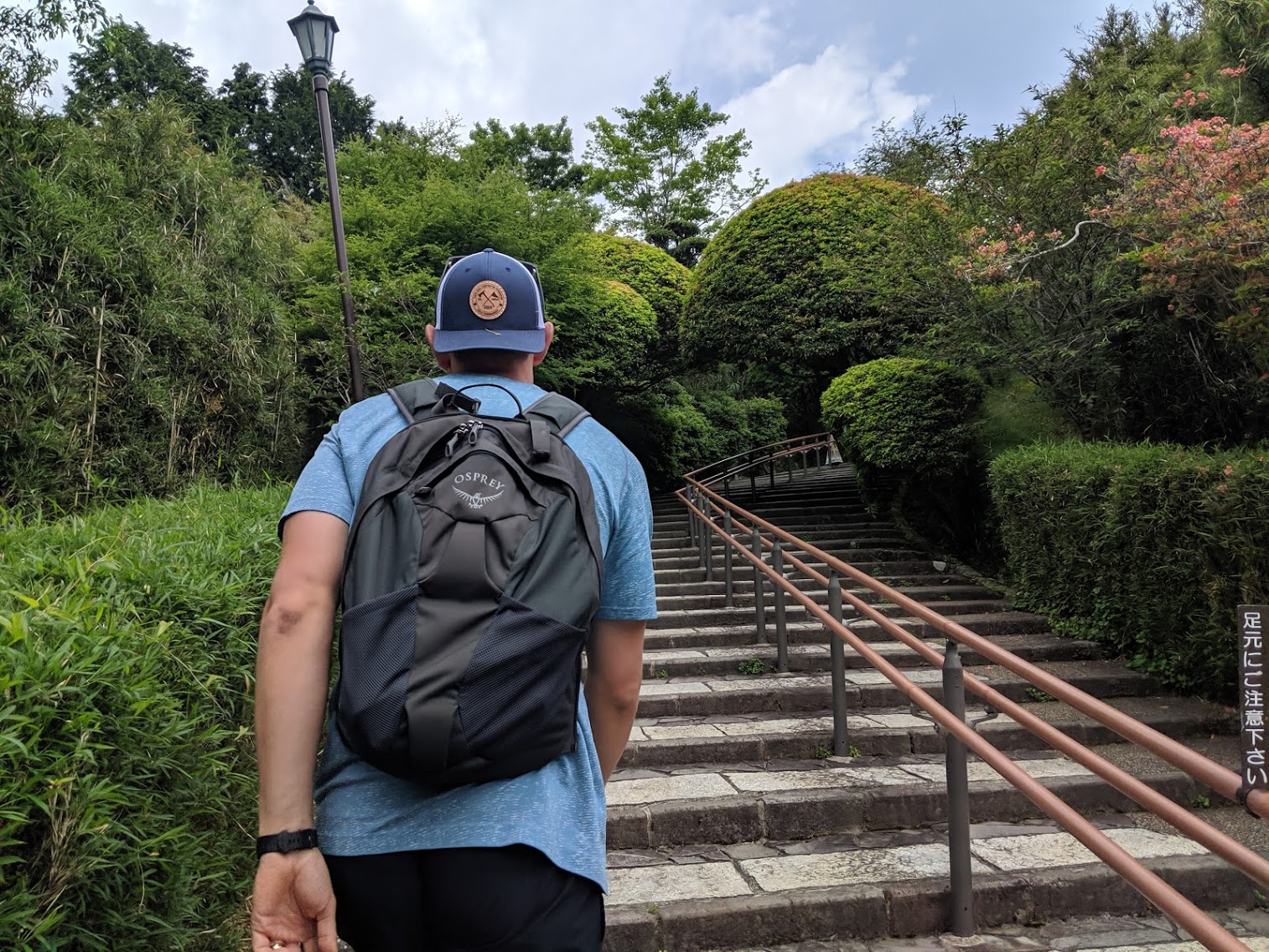

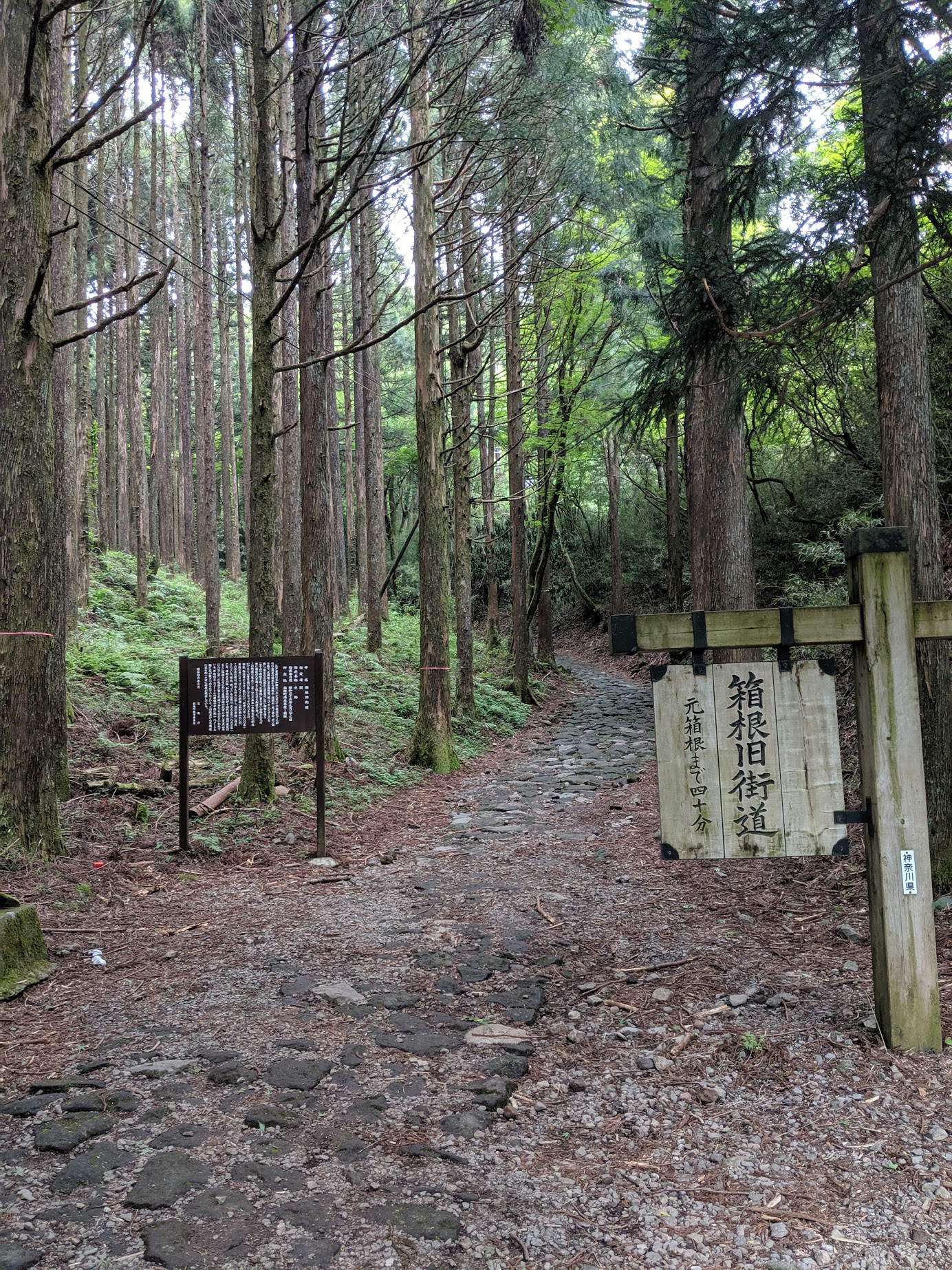
We then walked back on the road towards the Amazake Chaya Teahouse. To get to the teahouse you hike on a section of the Takaido Road which was the main walking path between Kyoto and Tokyo during the Edo period between 1603 and 1868. The road was used by thousands of Samurai, visiting dignitaries, conquering armies and the daily traveler. Along the road after about 2km you run into the traditional rest house, Amazake Tea House, which has been in operation for 400 years. The building has a thatched roof with dark wooden beams and walking into the tea house felt like walking back in time.
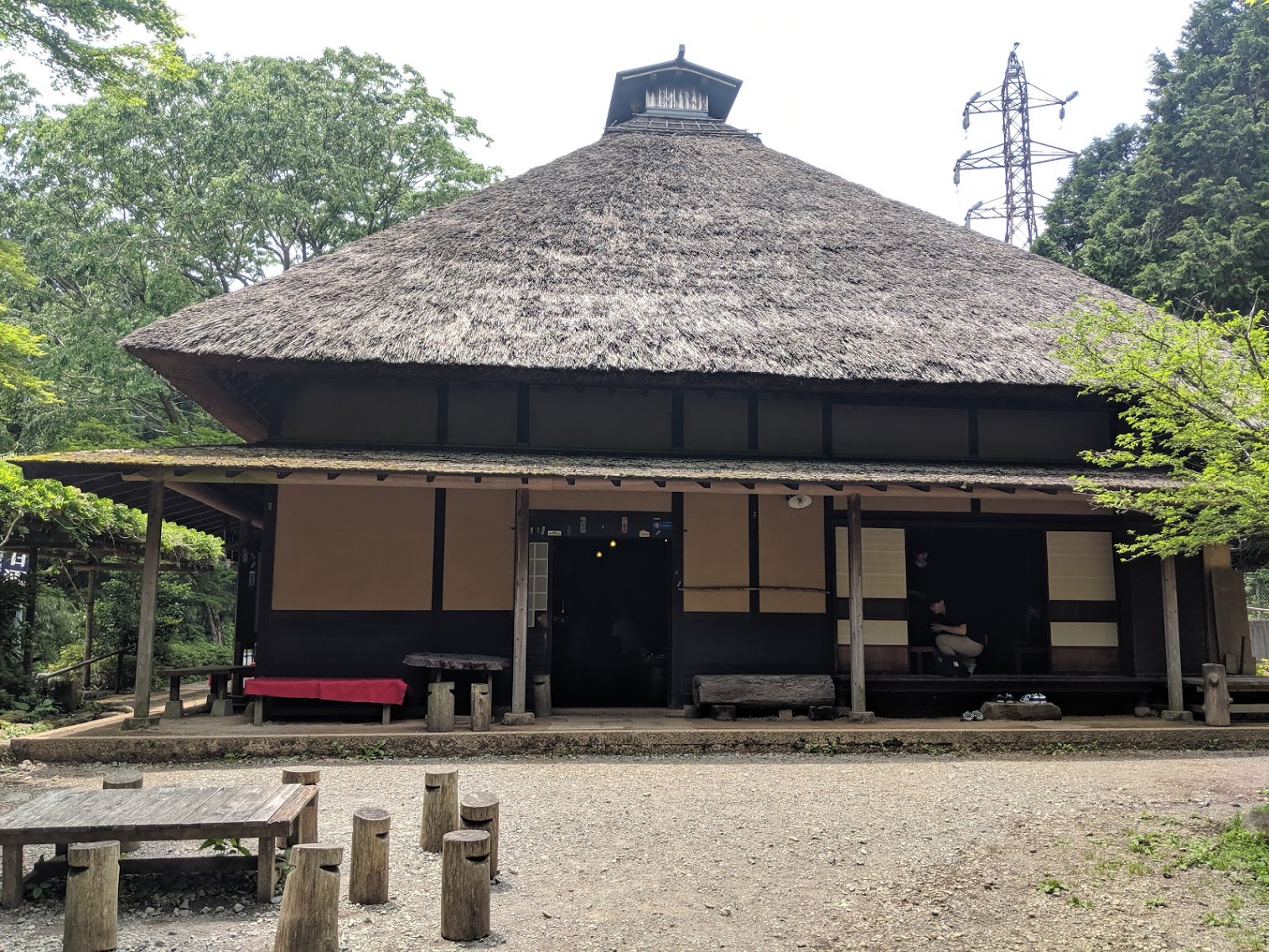
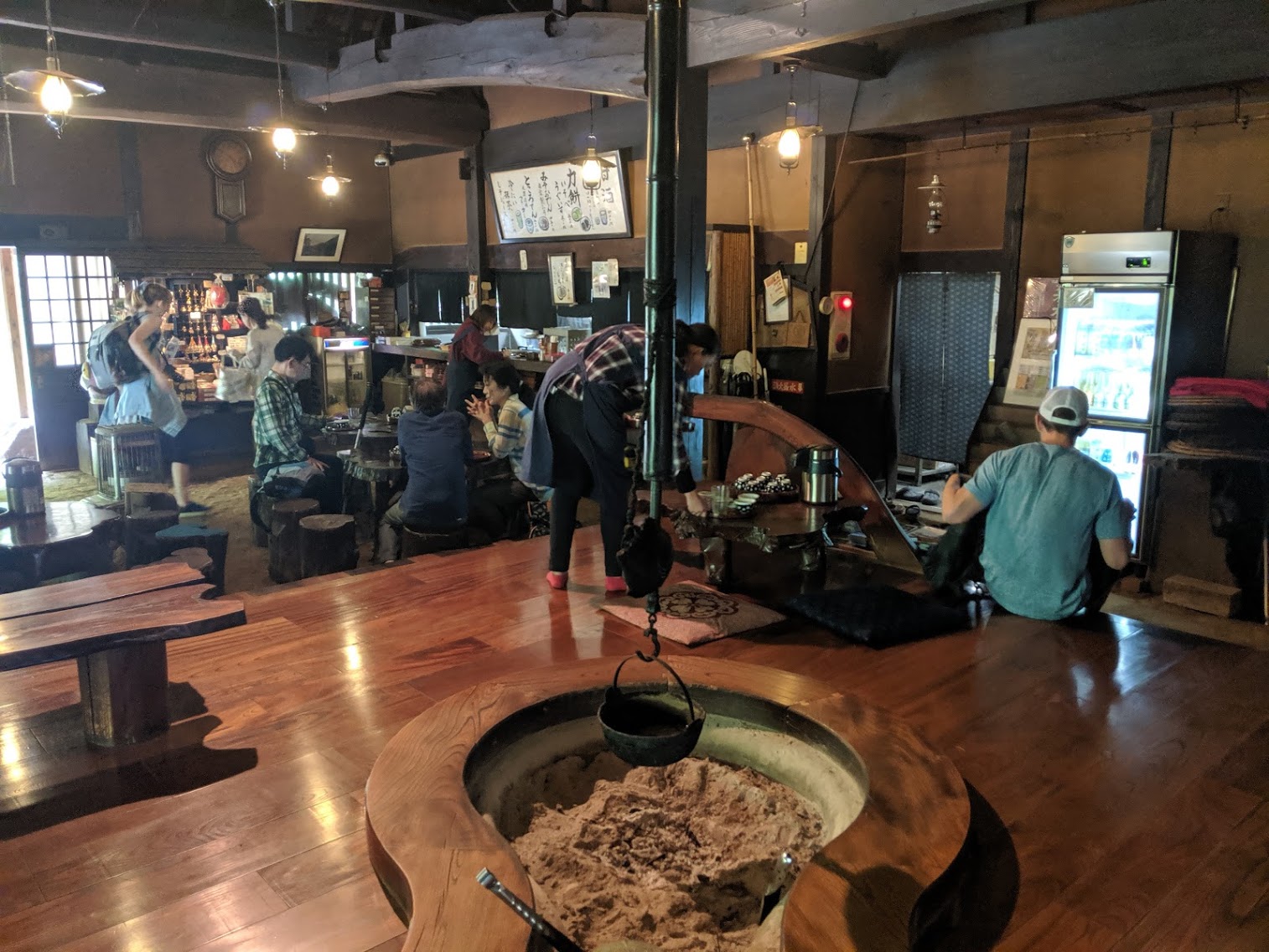
We ordered Amazake, which is a traditional drink made from fermented rice and Chikara mochi which is pounded rice cake and then toasted over coals and served with soy sauce or black sesame seed. We sat on the floor of the tea house along with the other hikers and enjoyed our tea and snacks. I would highly recommend this walk to the teahouse although I was not the biggest fan of the Amazake drink.
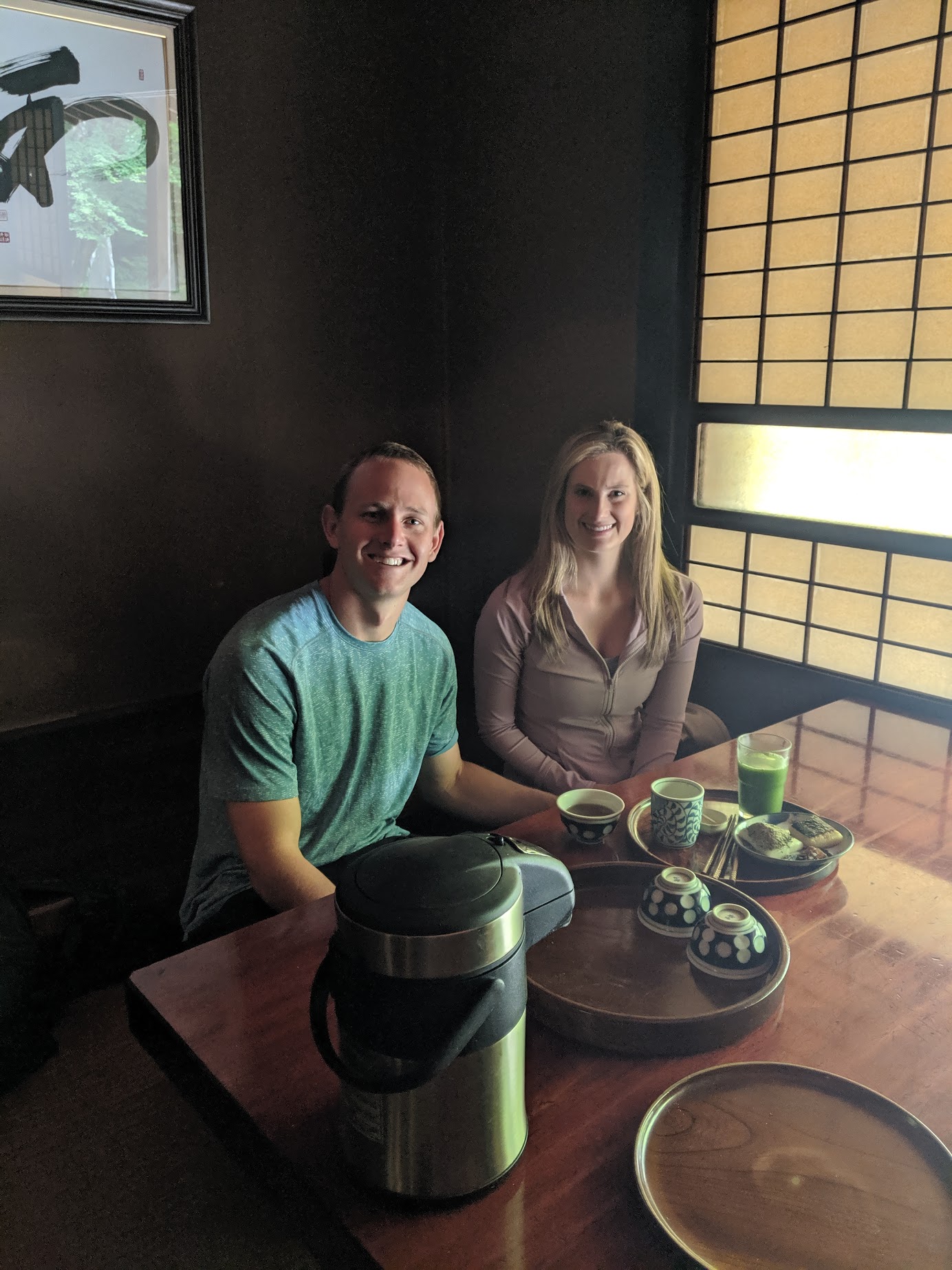
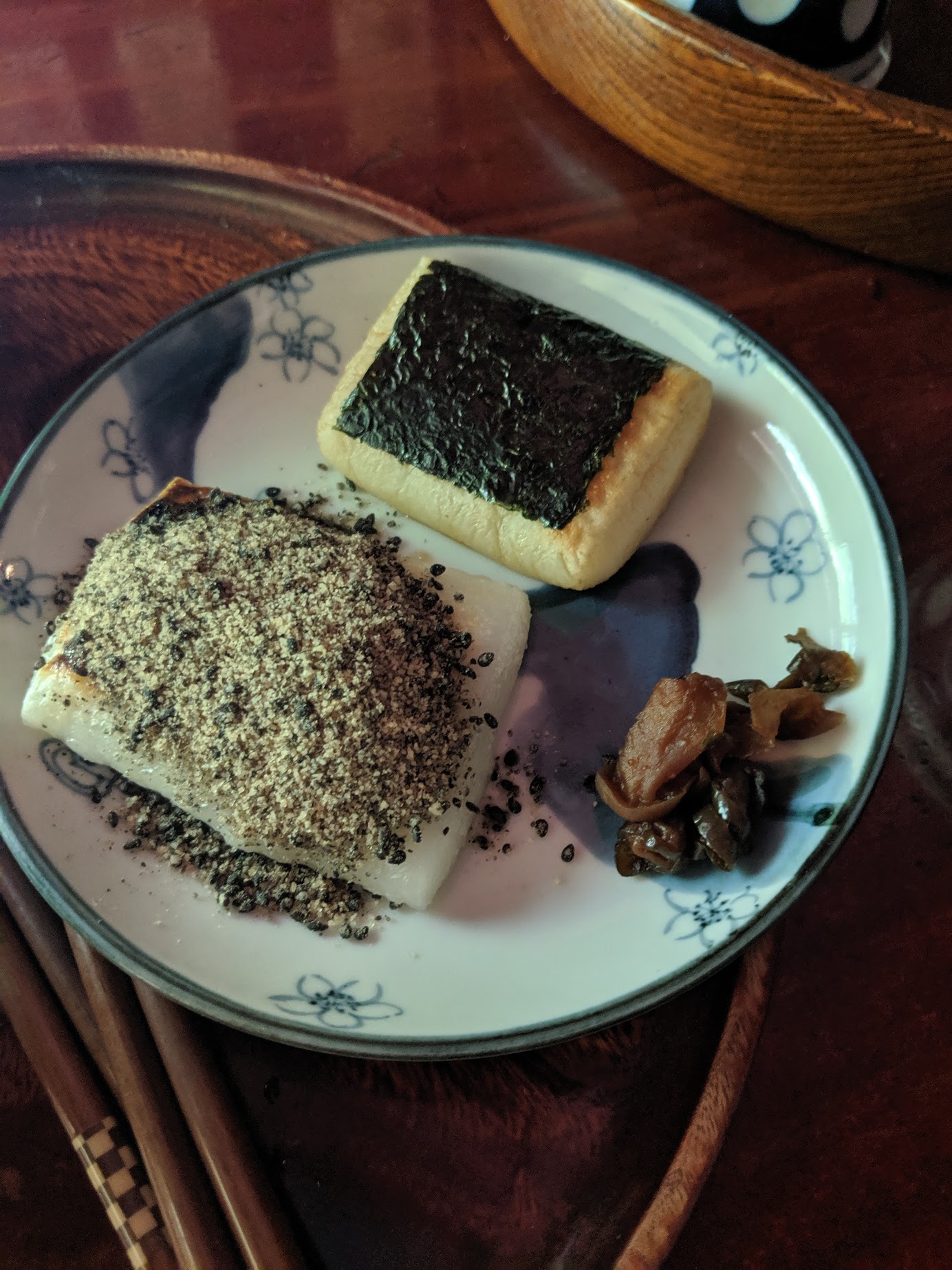
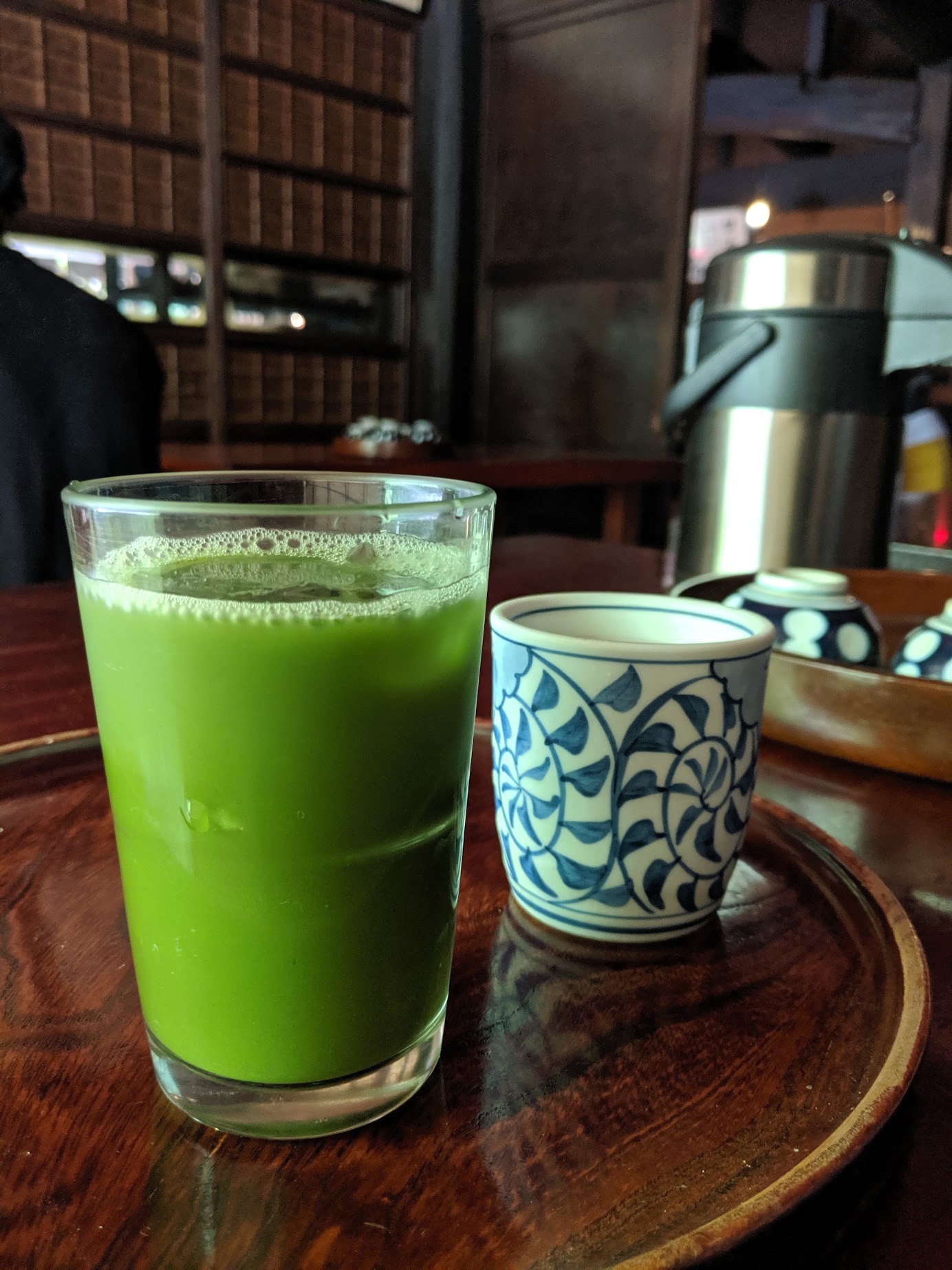
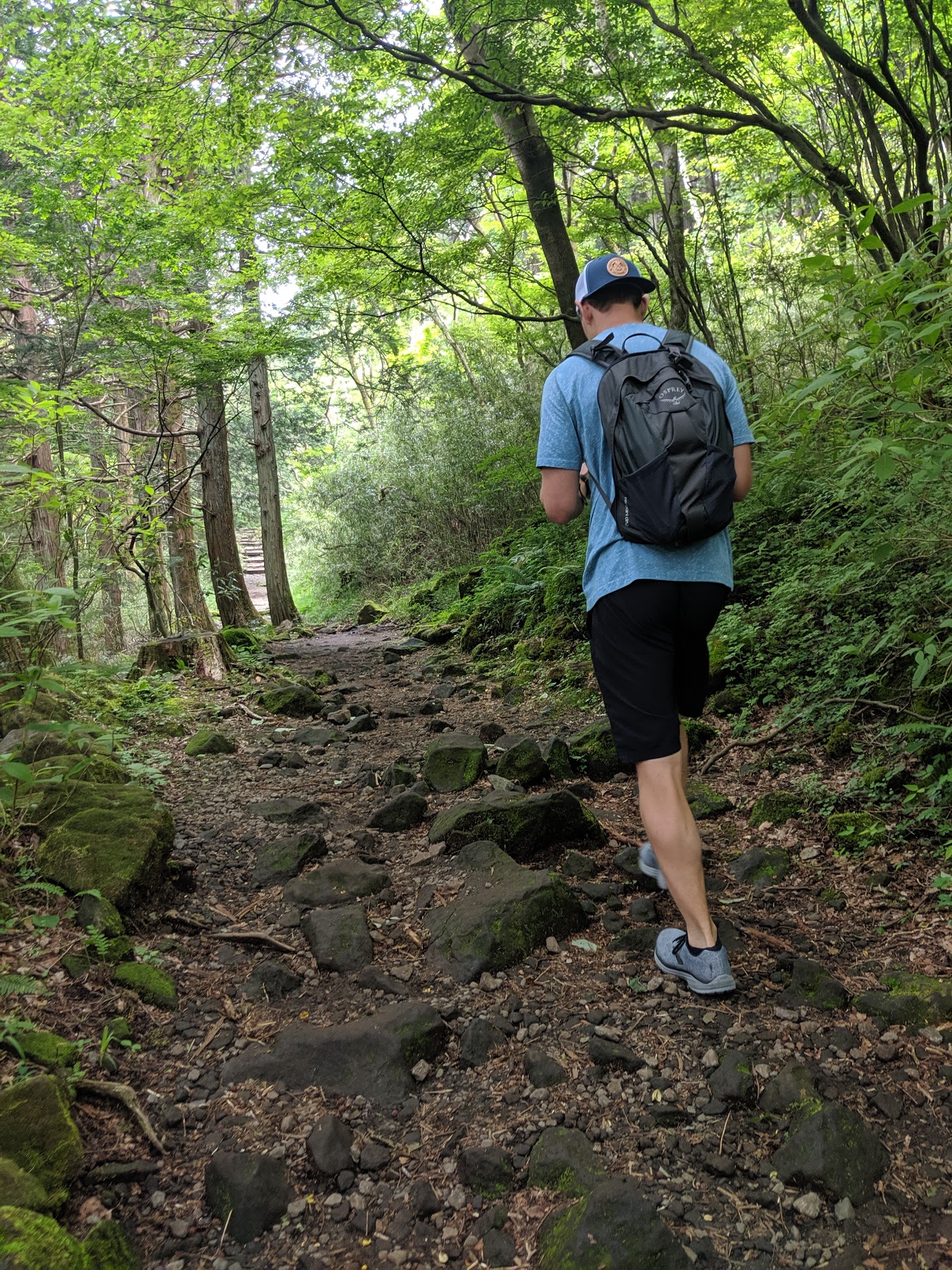
One note is that we originally used google maps and it took us on the road with the cars which did not feel right. When we got closer we realized we were on the wrong road so we took the right one back. To get to the road, go into town and follow signs for tokaido road. You walk down a street through buildings to get on the rock path. Wear tennis shoes because the path is made of rocks and difficult to walk on.
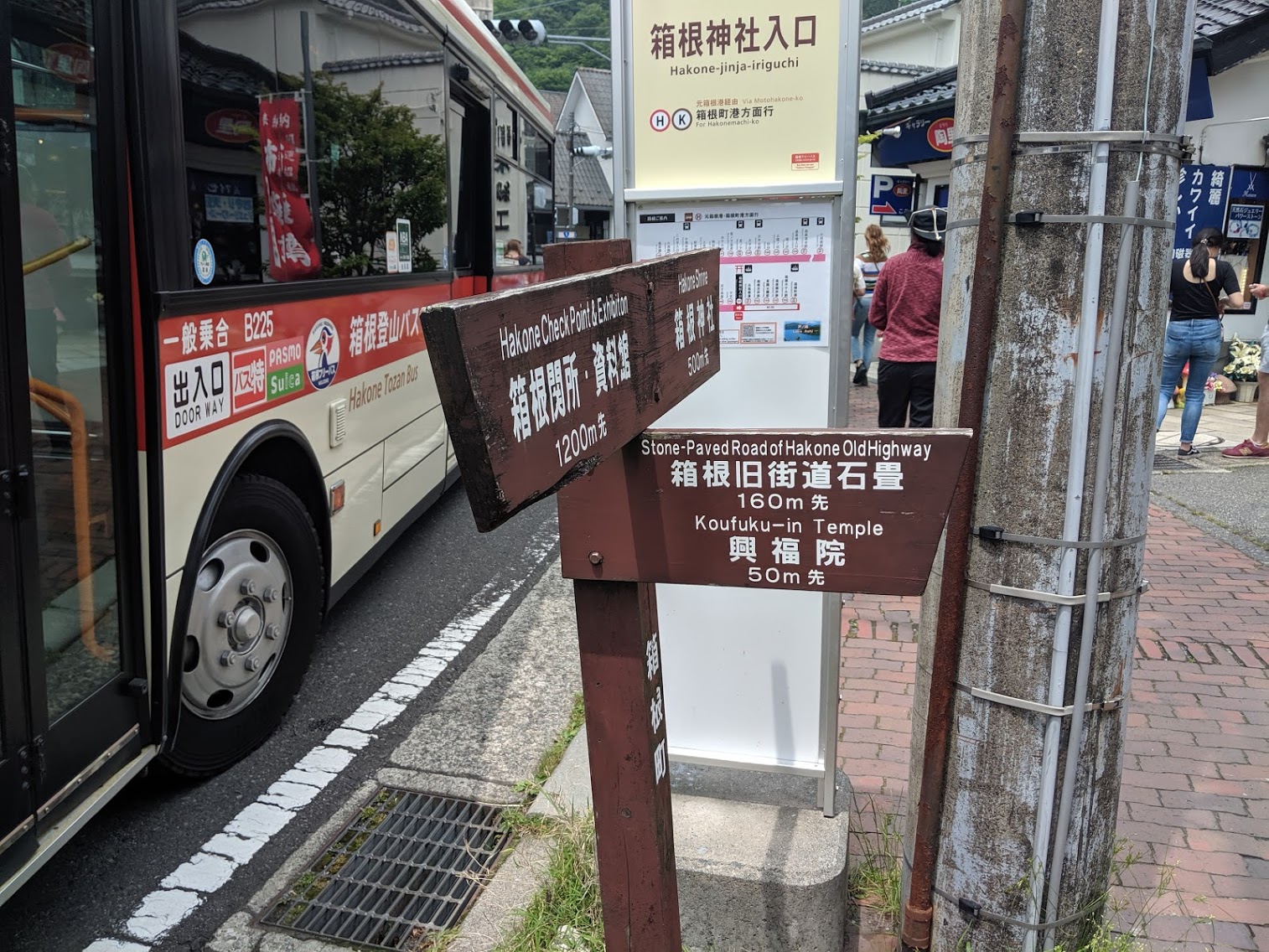
We then hiked back to the ferry pick up in Motohakone and took the journey back to our hotel. Our hotel had an onsen which is a hot spring made from nearby volcanic activity. There are very strict rules about using an onsen and our hotel staff provided us with a rules sheet to go over before going in the onsen. Some of the rules: you must clean yourself before getting in the onsen, you cannot wear a swimsuit, if you have a face cloth with you it cannot touch the water, if you have tattoos, you cannot go in and our onsen was separate male and female.
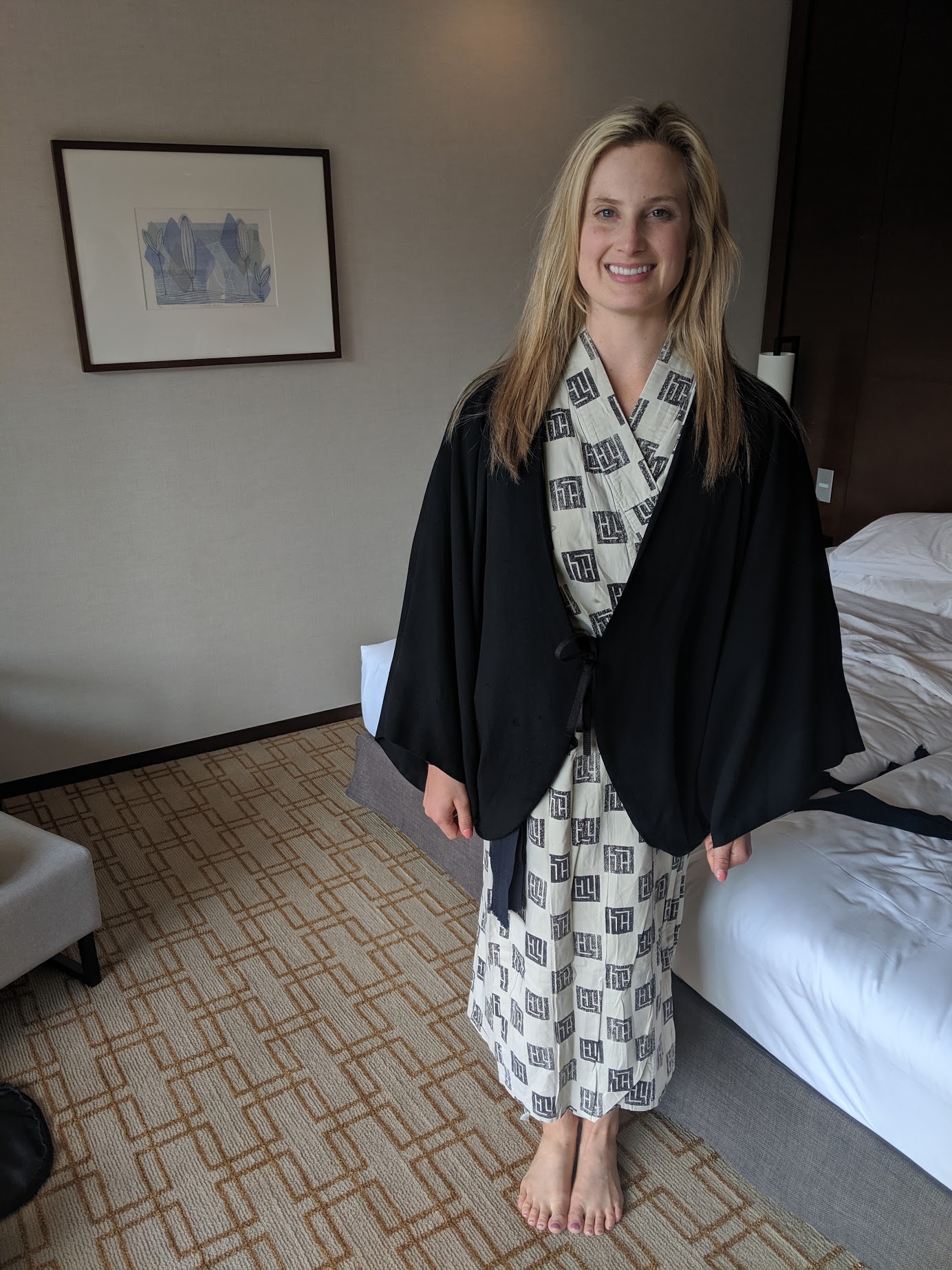
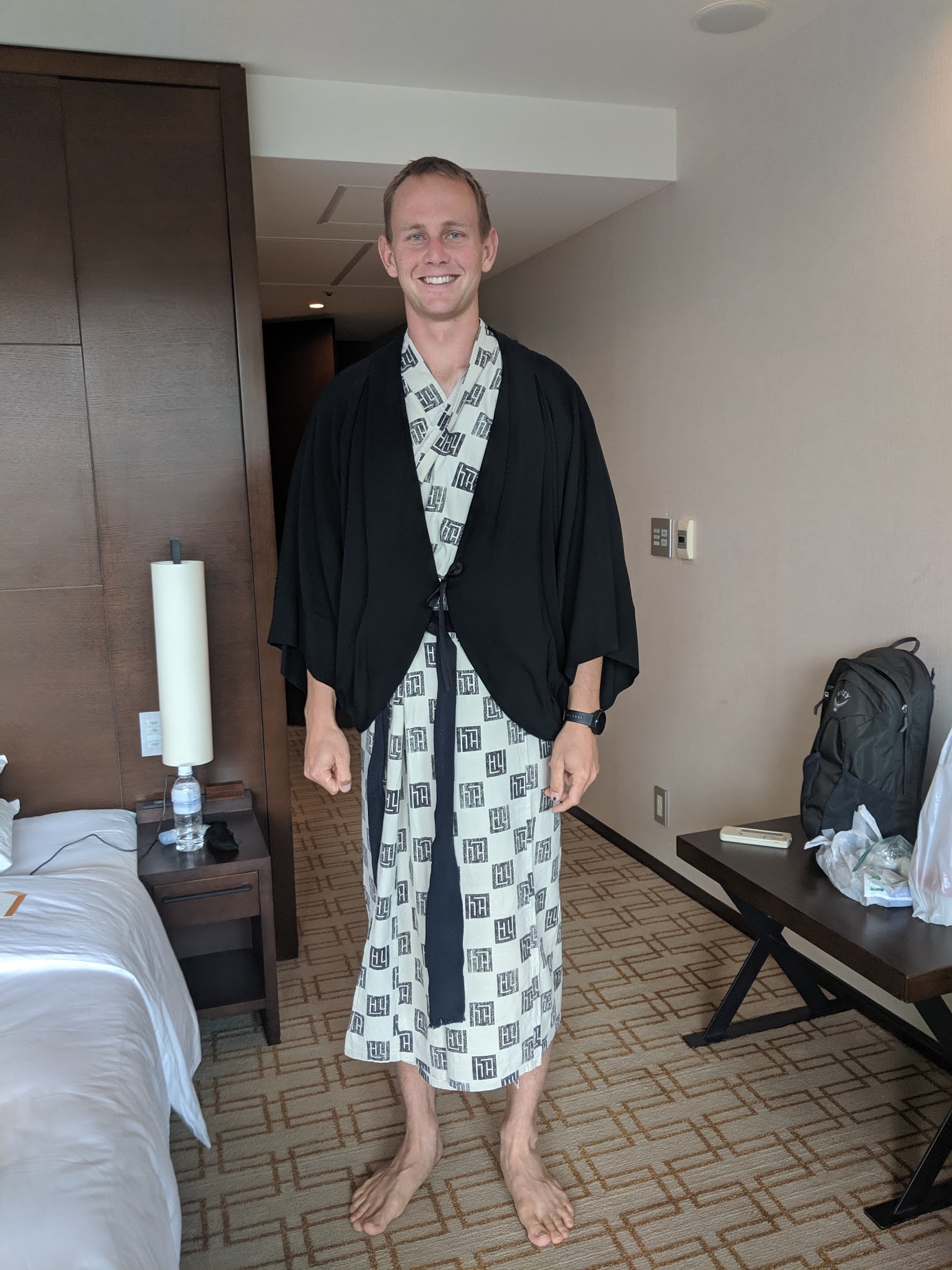
After relaxing in the onsen we went to the hotel happy hour and then dinner at the hotel.
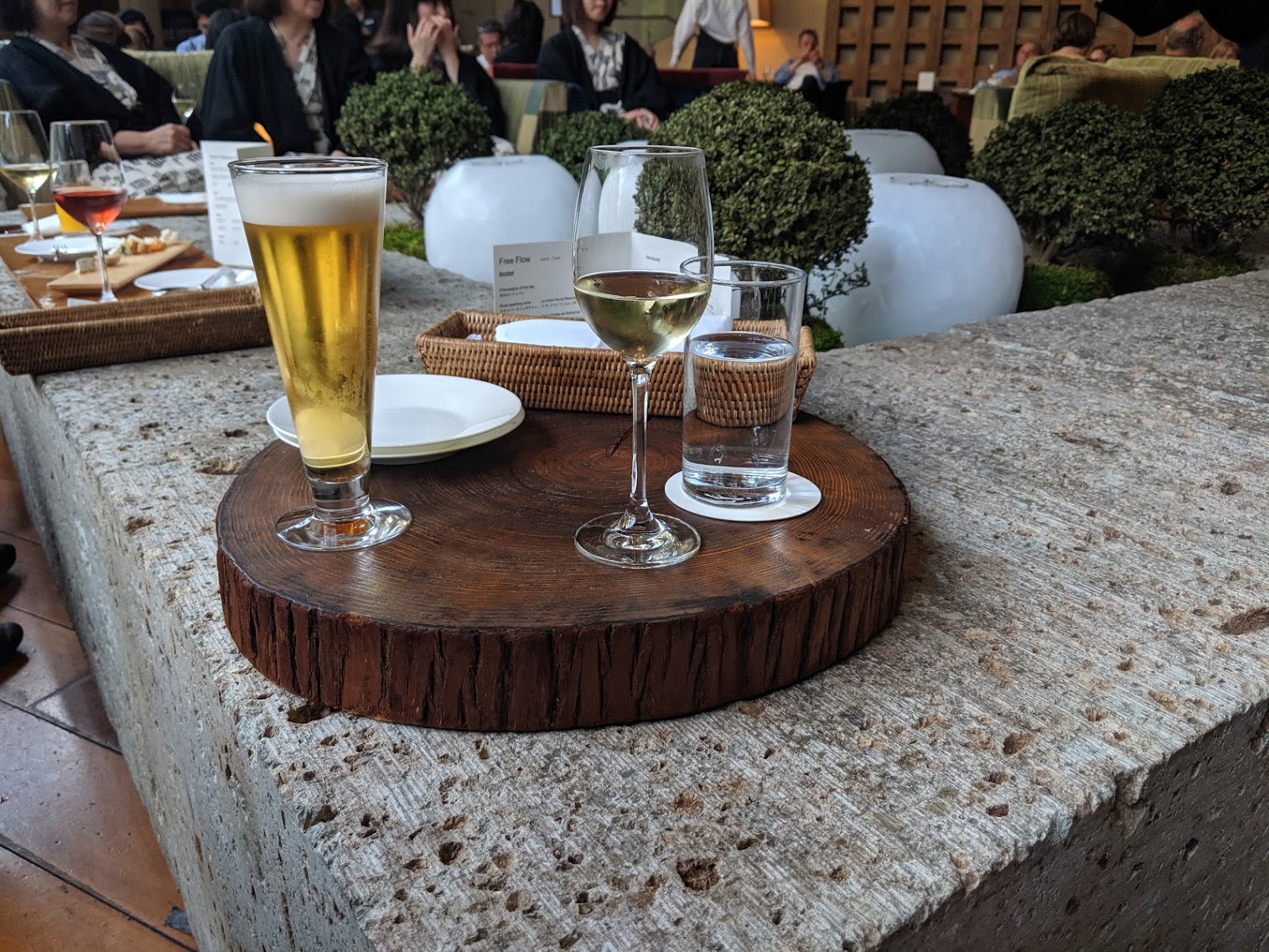
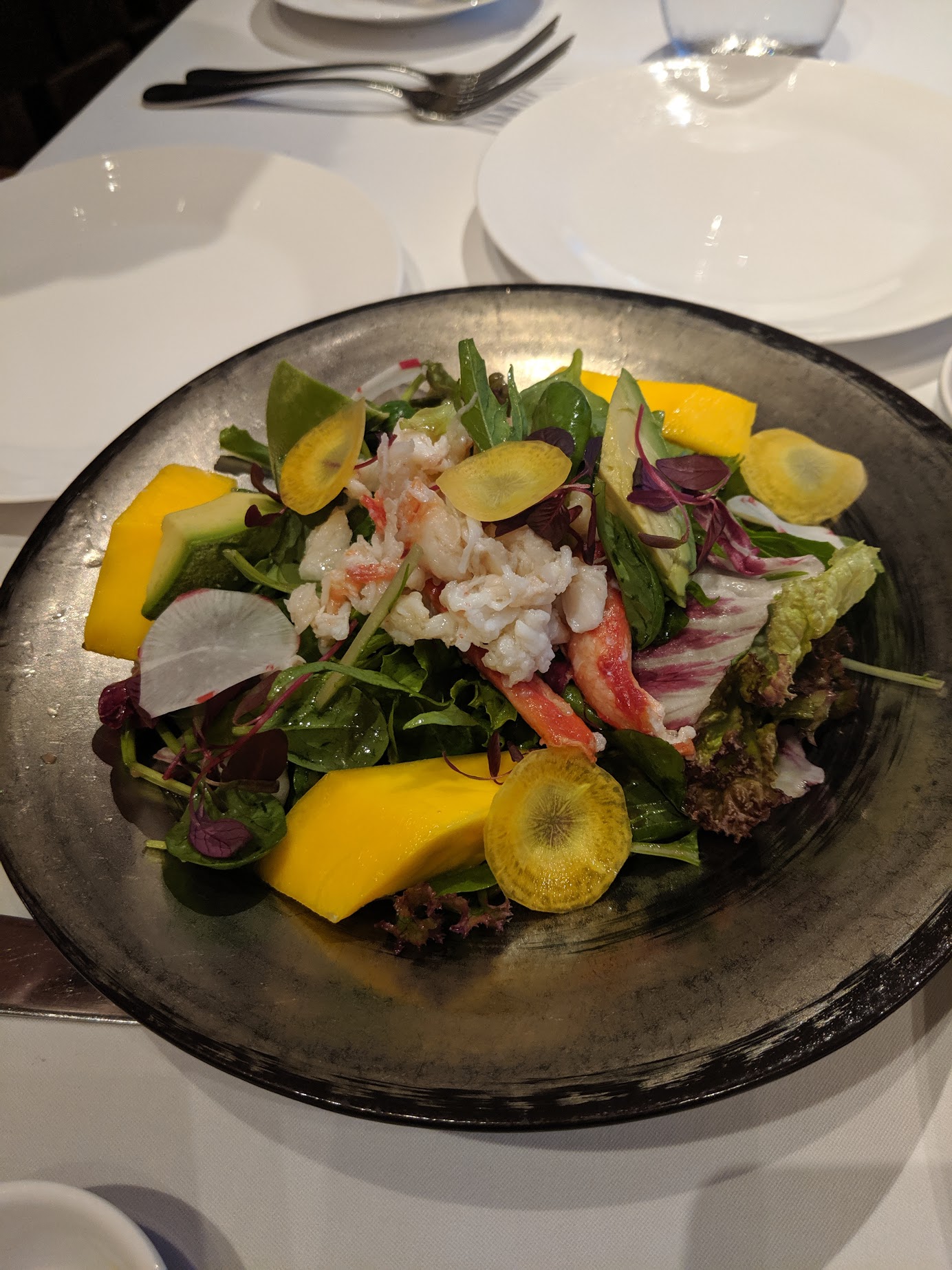
Kyoto
Kyoto Day 6 June 2
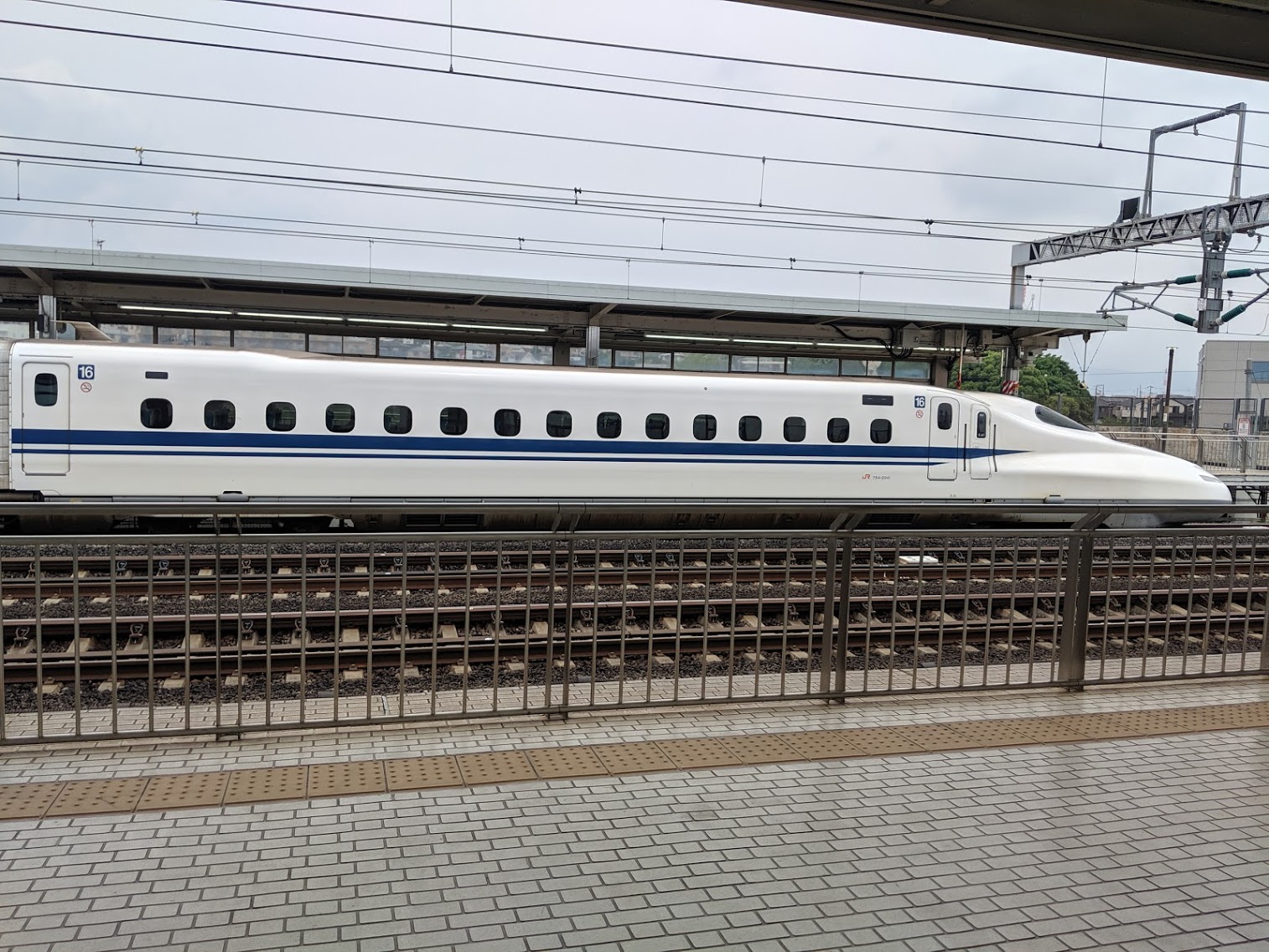
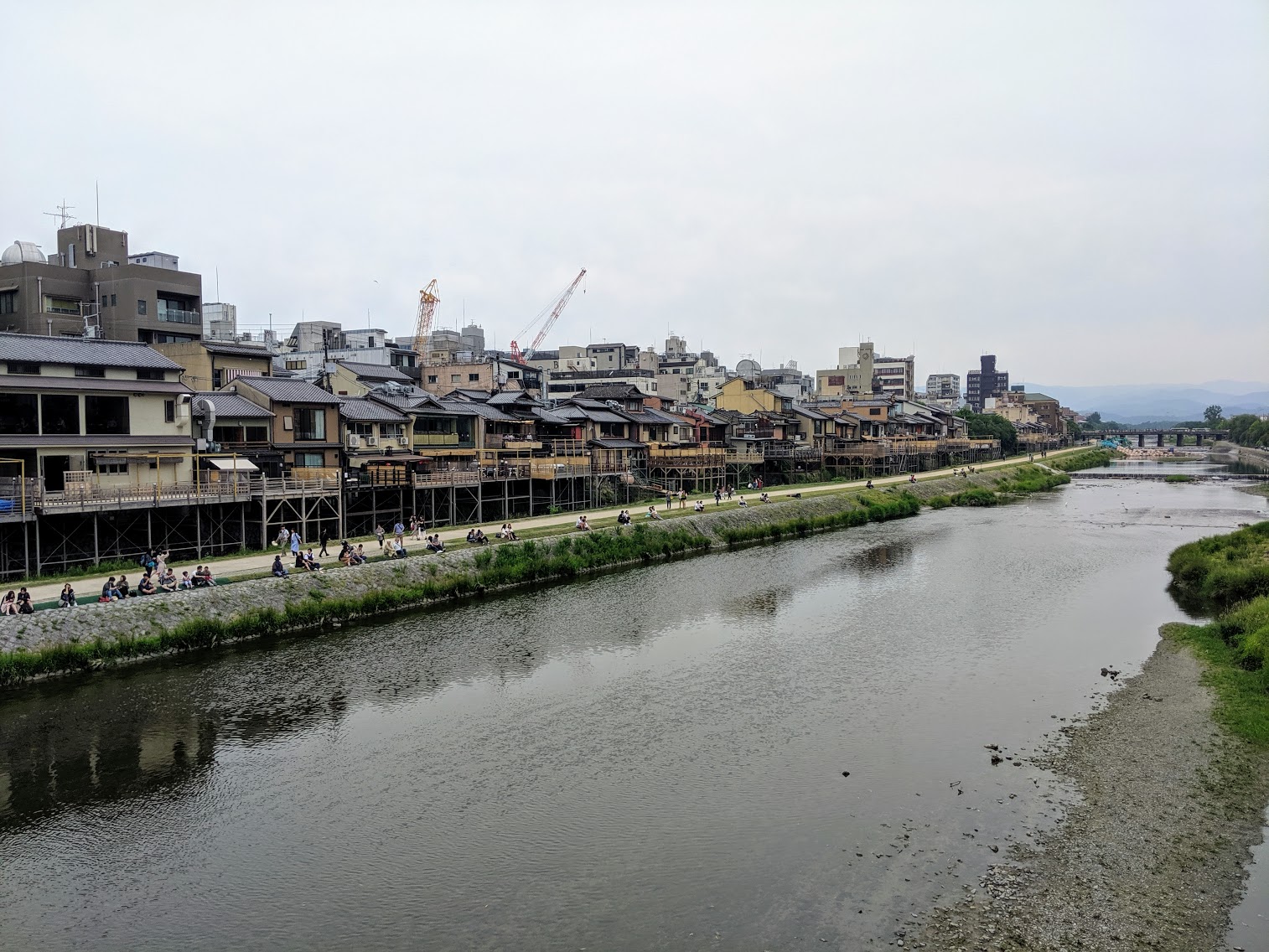
The next morning we started our journey to Kyoto. Using our JR Pass we went from Gora to Odawara where we caught a direct train to Kyoto. Kyoto served as Japan’s capital and the emperor’s residence from 794 until 1868, (when the capital was moved eastward to Tokyo). Kyoto was originally on the list of target cities for the atomic bomb during World War II, but was dropped from the list in light of its historic value.
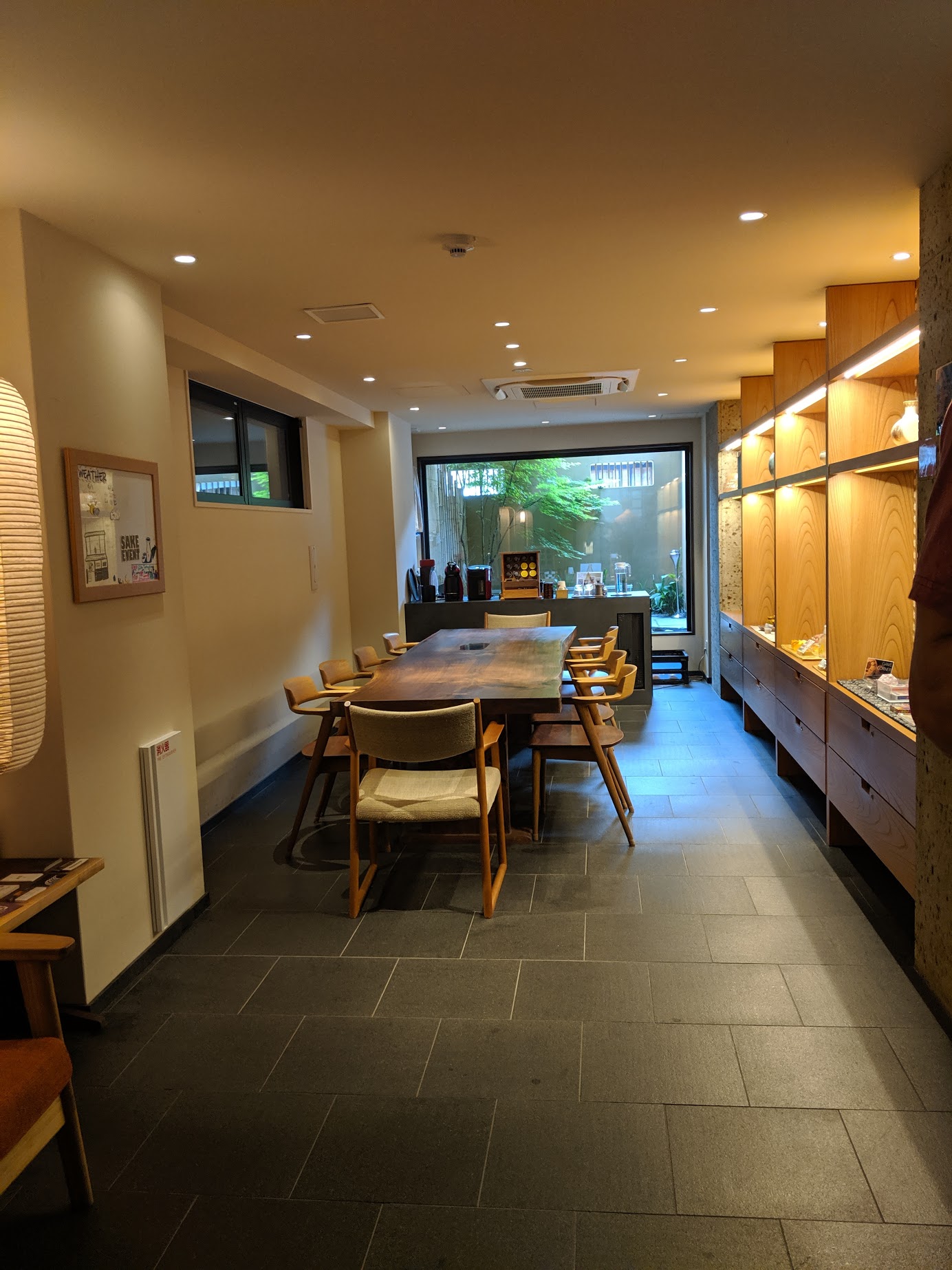
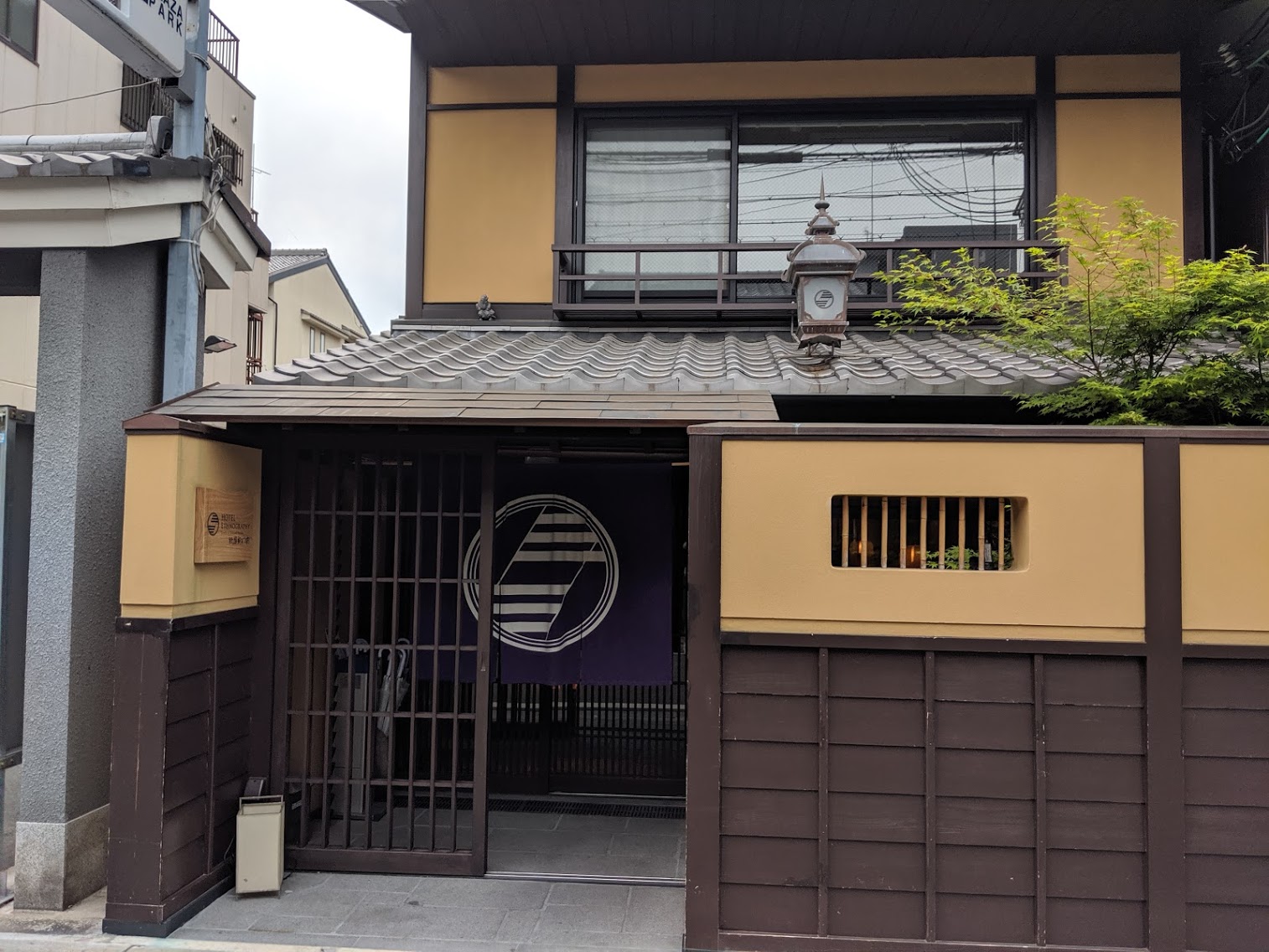
We checked into our hotel, Hotel Ethnography Gion Shinmonzen, located in the Southern Higashiyama Area. There are many different areas to stay in Kyoto but we chose this location because it is one of the most important sightseeing districts and has everything from beautiful temples, charming streets and the main geisha district. It is also walking distance to downtown and many of the other sites in the city.
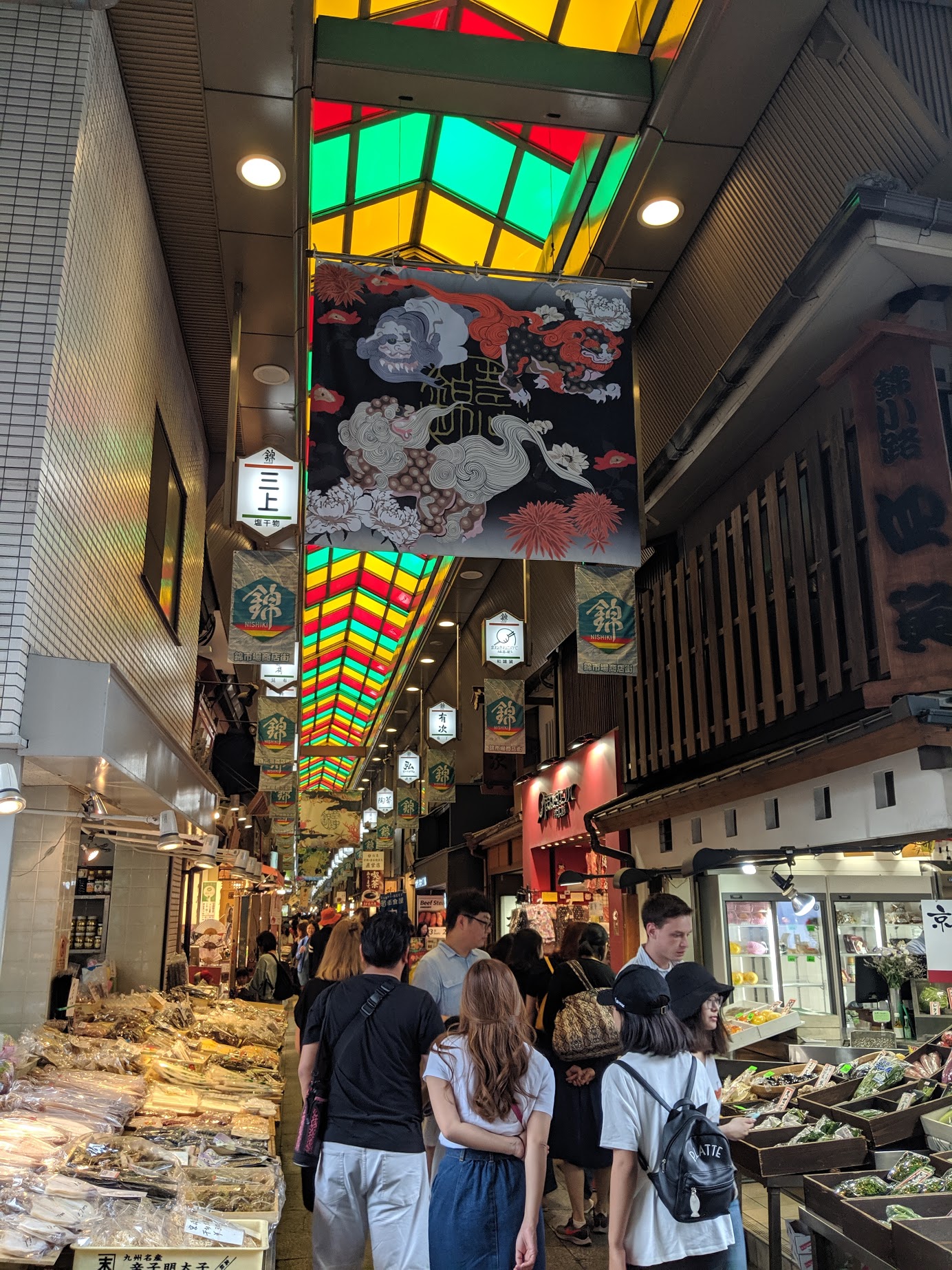
After checking in, we went to Nishiki Market (Open 9:00-17:00) which is a huge market along one of the streets packed with all types of Japanese cuisine. It was fun to slowly wander down the busy street and look at all of the unique foods. We tried Dango (Japanese dumpling made from rice flour served on a stick with a sweet syrup over it), Okonomiyaki (savory egg pancake filled with various ingredients like cabbage, green onions, meat and vegetables), various pickles and Kyoto Beans which is a type of candy.
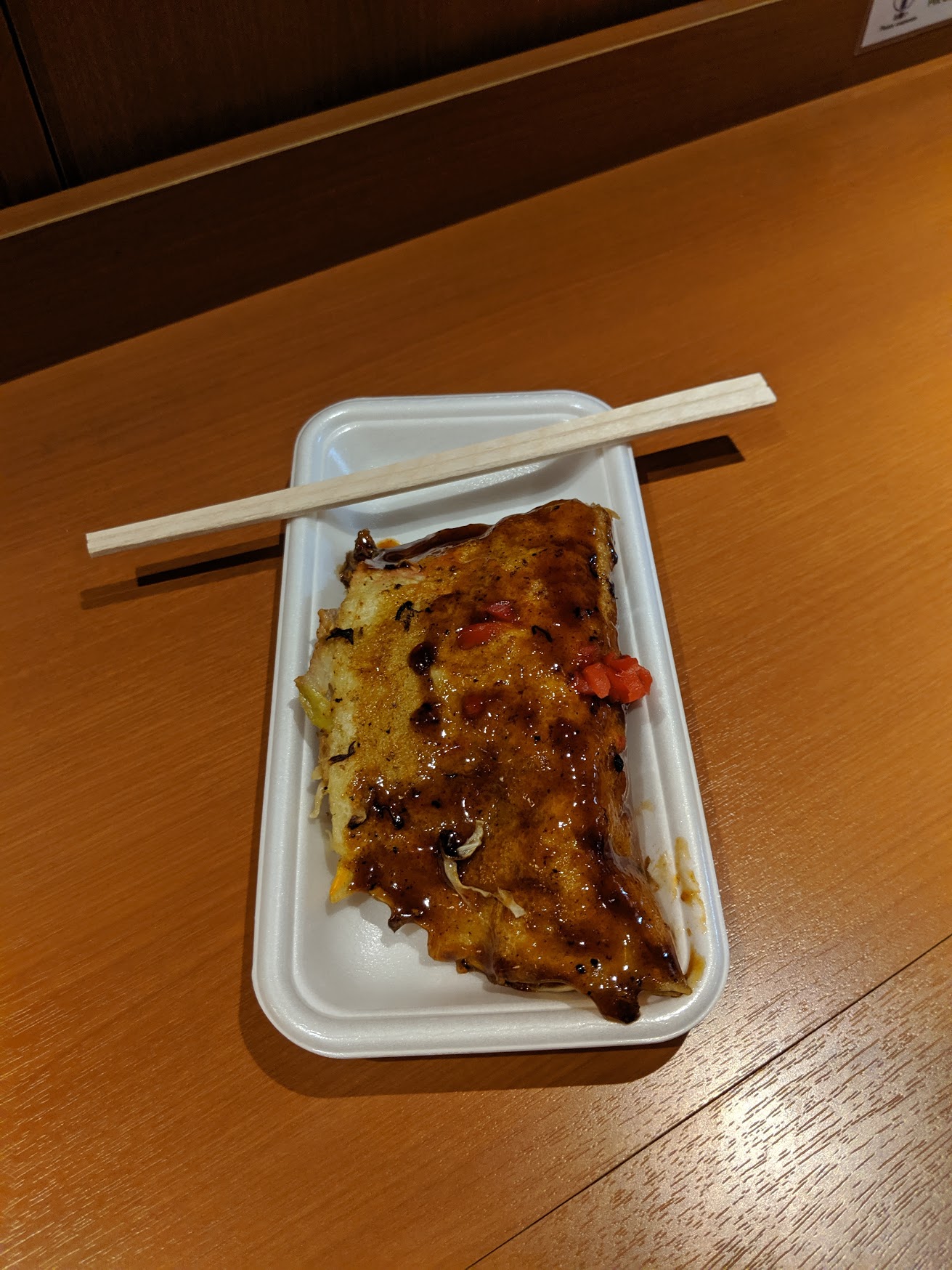
Okonomiyaki 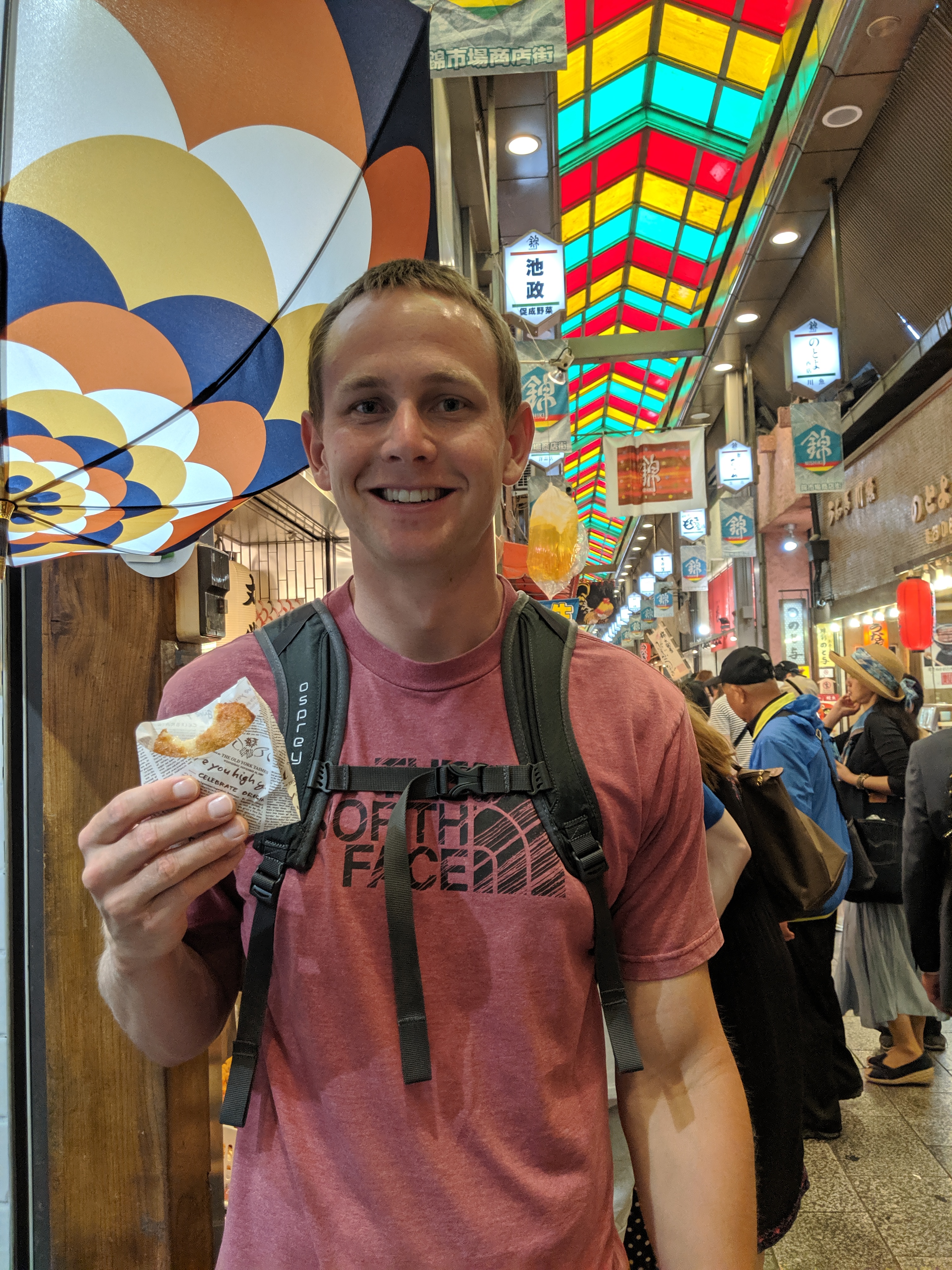
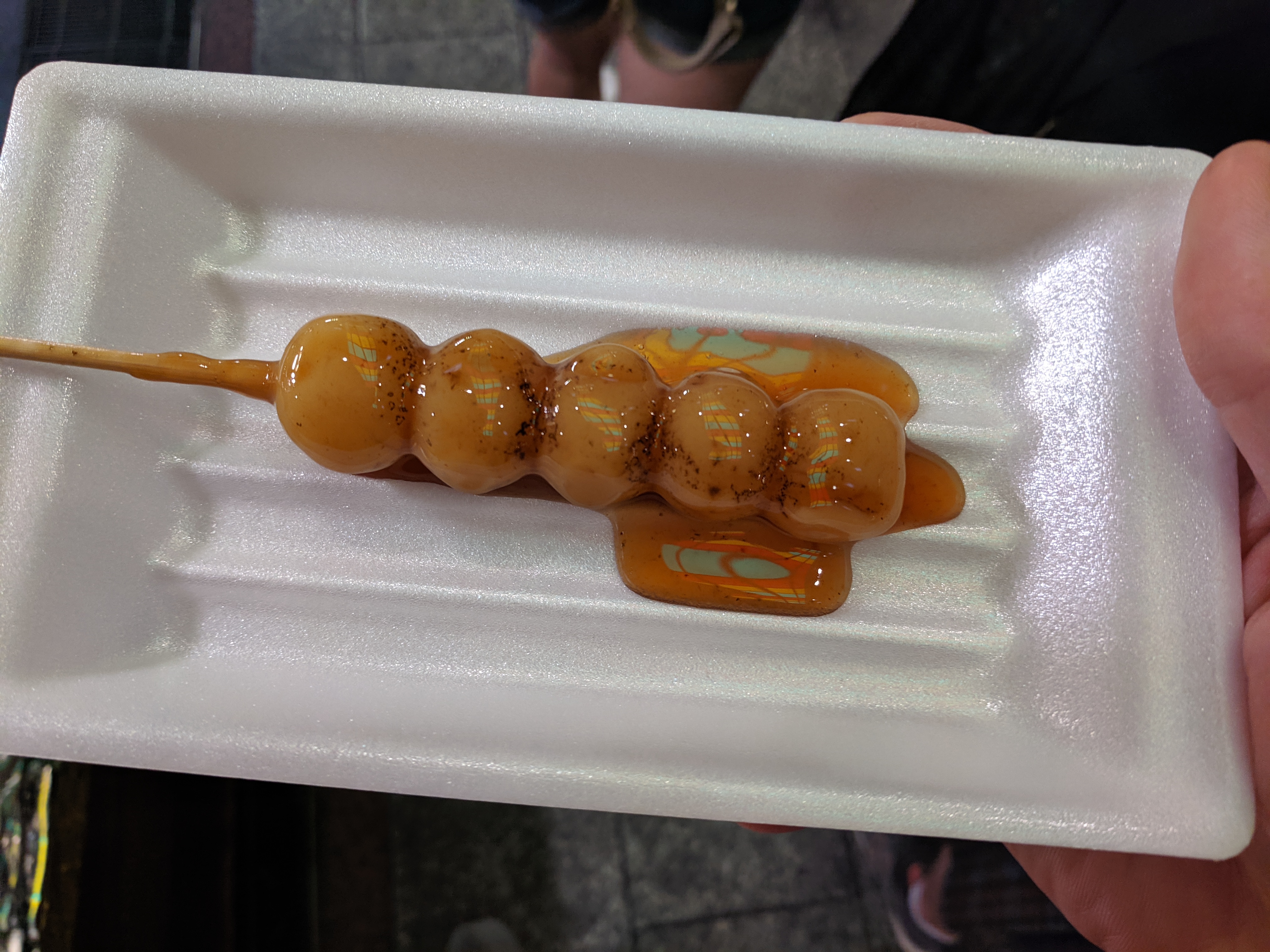
Dango
After the market we walked towards the AirBnb experience for the tea ceremony. Along the way we walked through Nijo Castle and the gardens. Nijo Castle was built in 1603 as the residence of the first shogun of the Edo Period. It was later used as an imperial palace and then was ultimately donated to the city and is now a UNESCO world heritage site. We didn’t have a lot of time so we got tickets (600 yen) to just walked around the gardens and see the outside of the buildings. You can pay an extra 400 yen to go inside but I thought the outside was just lovely and didn’t feel like I needed to go inside.
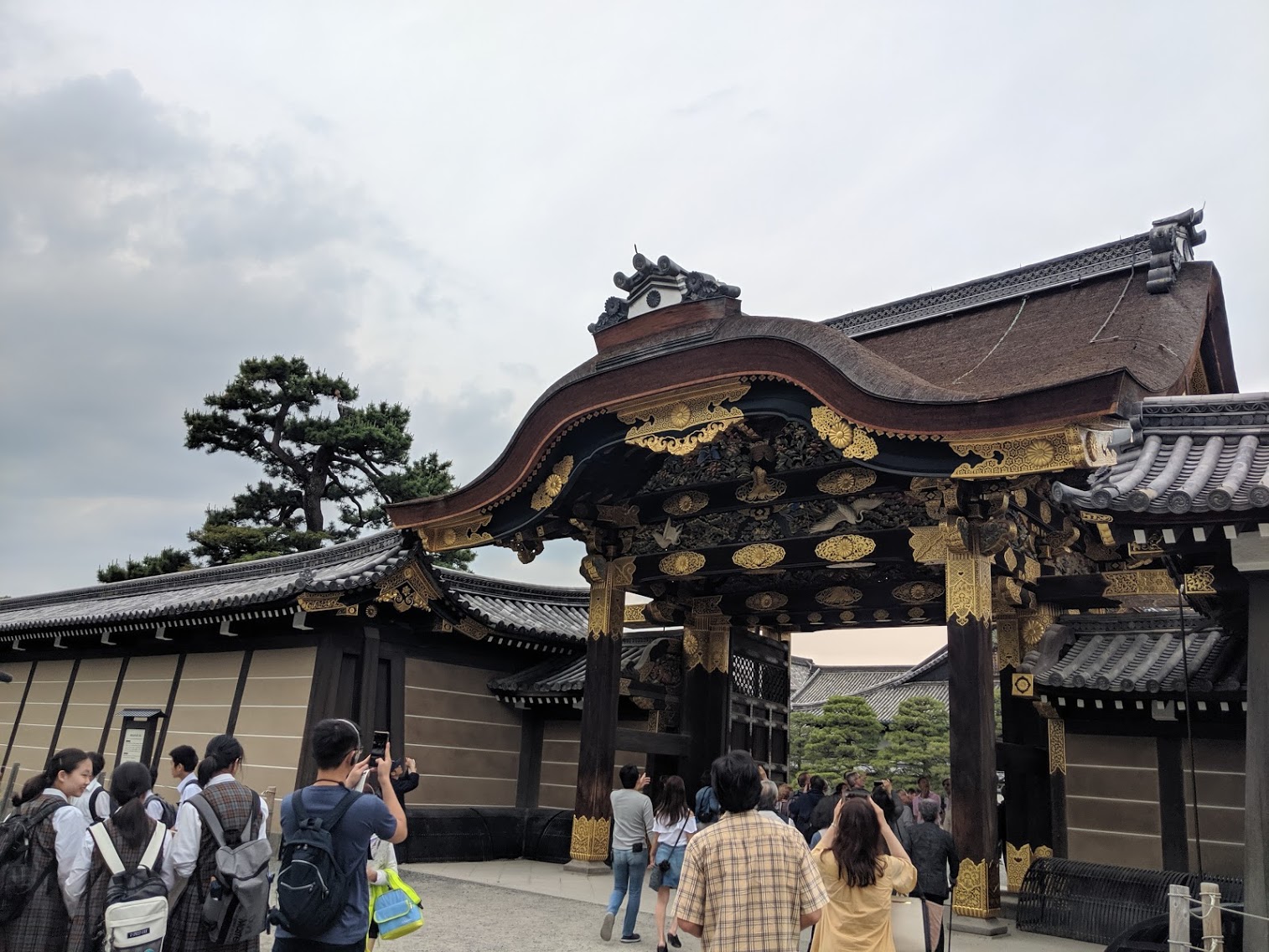
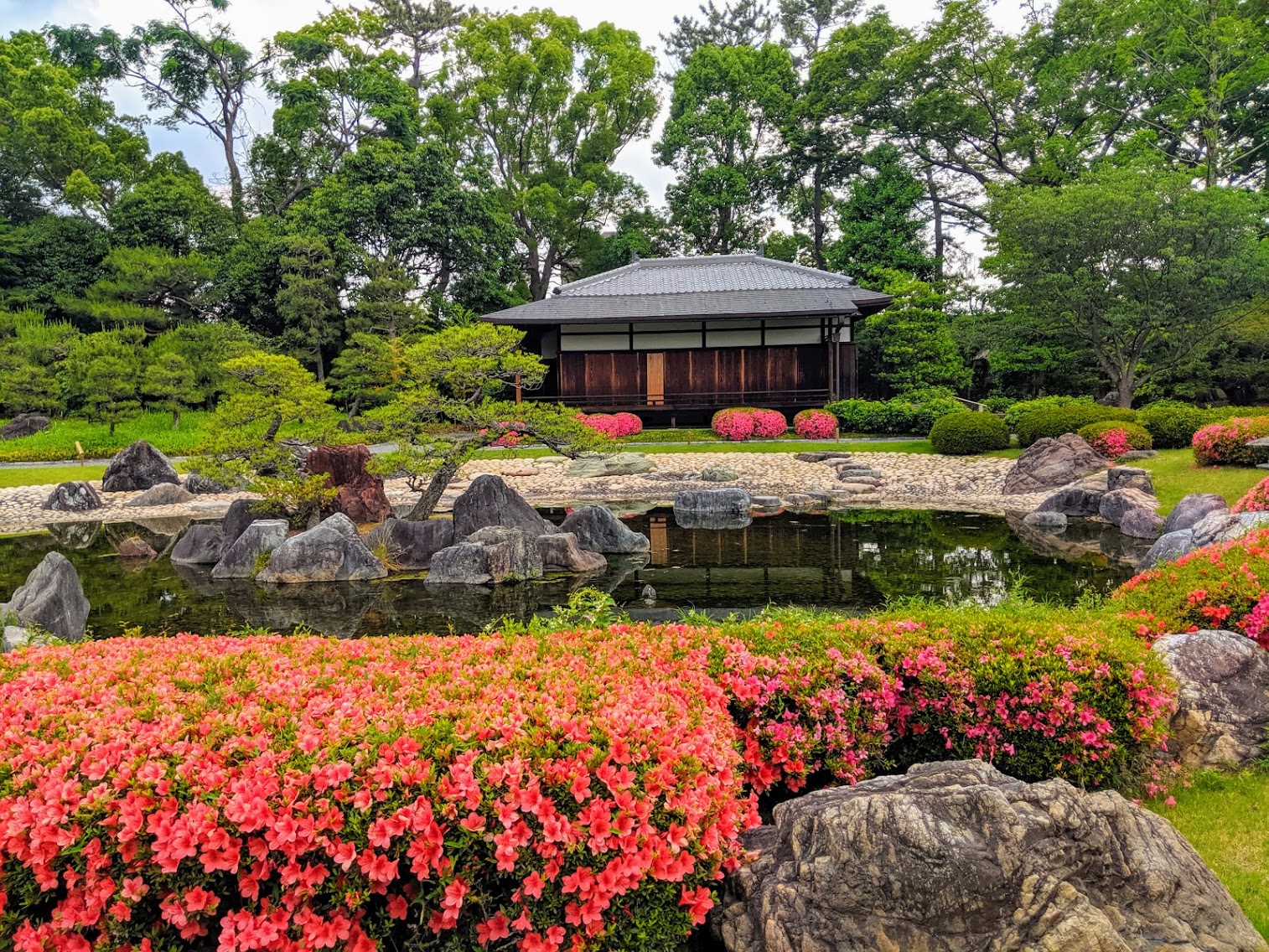
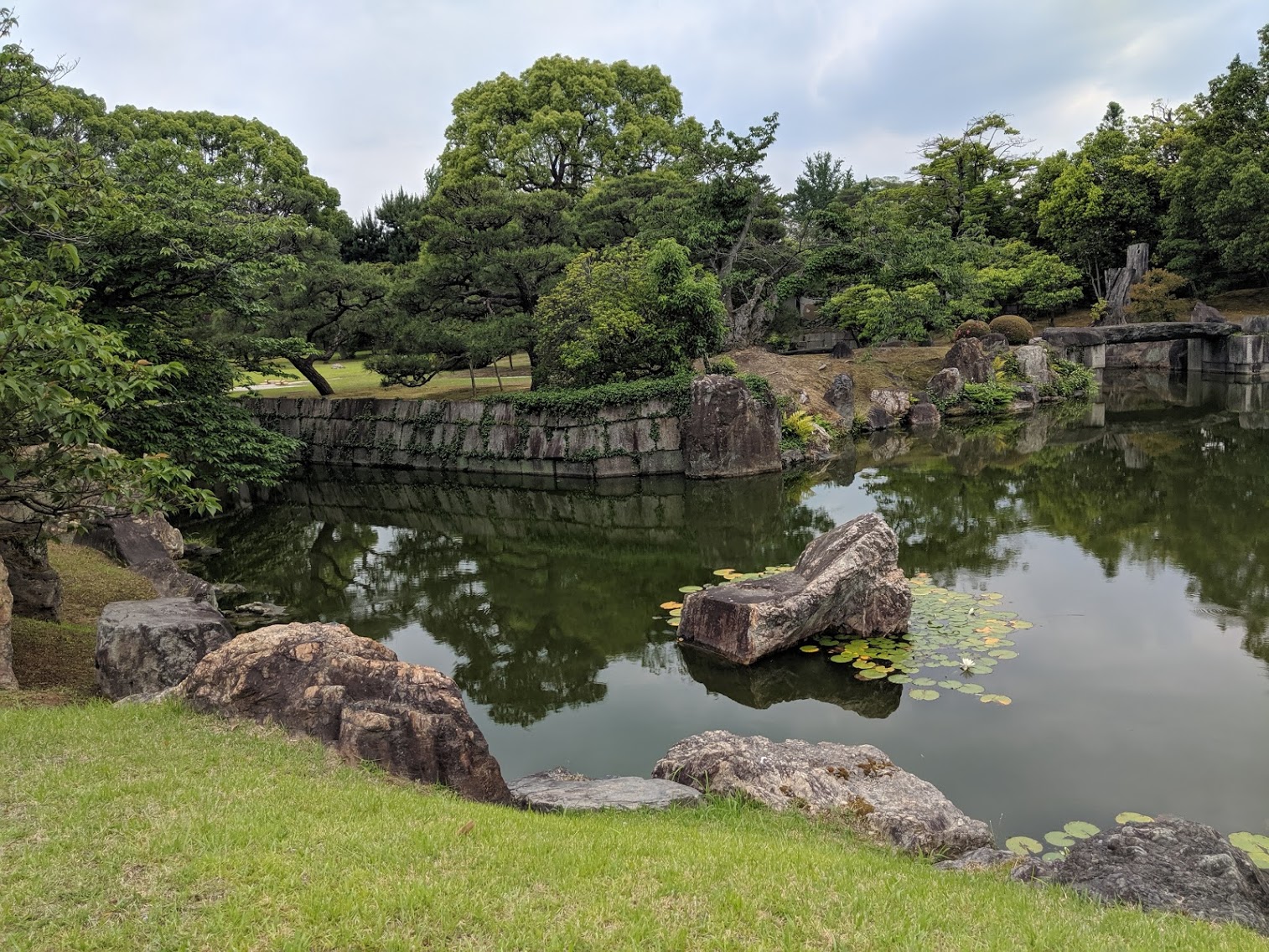
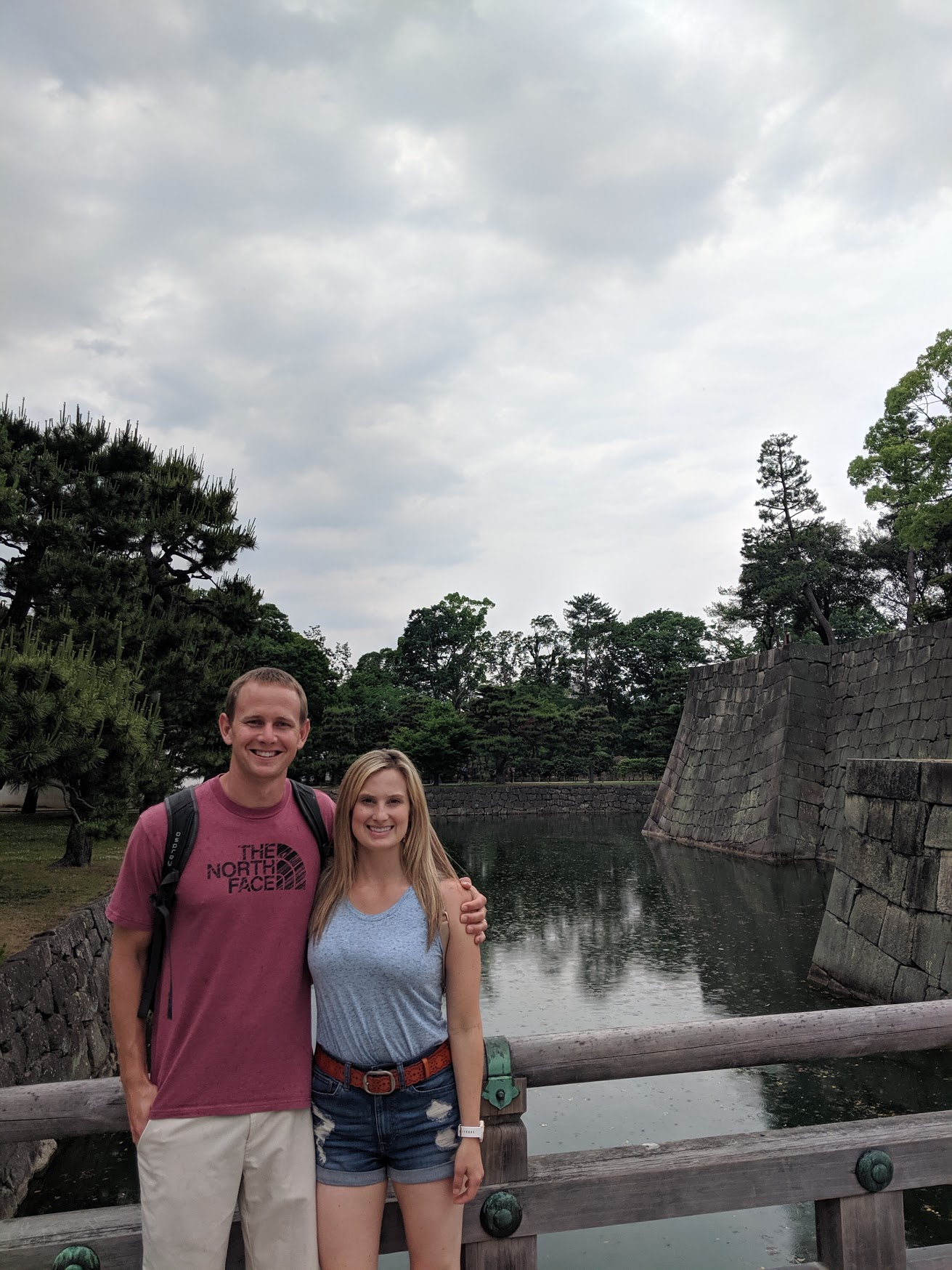
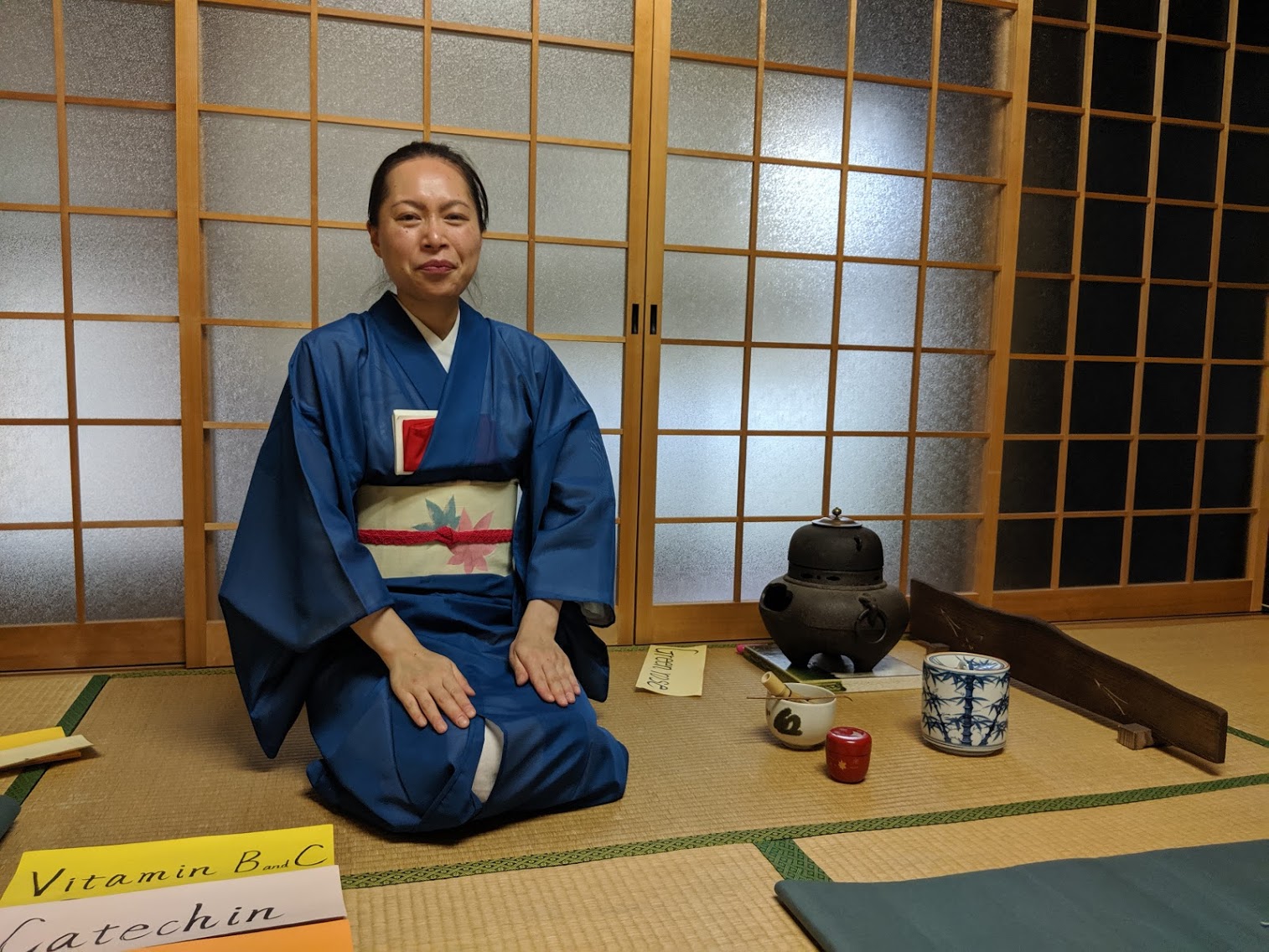
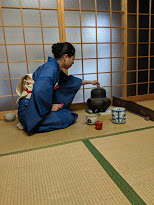
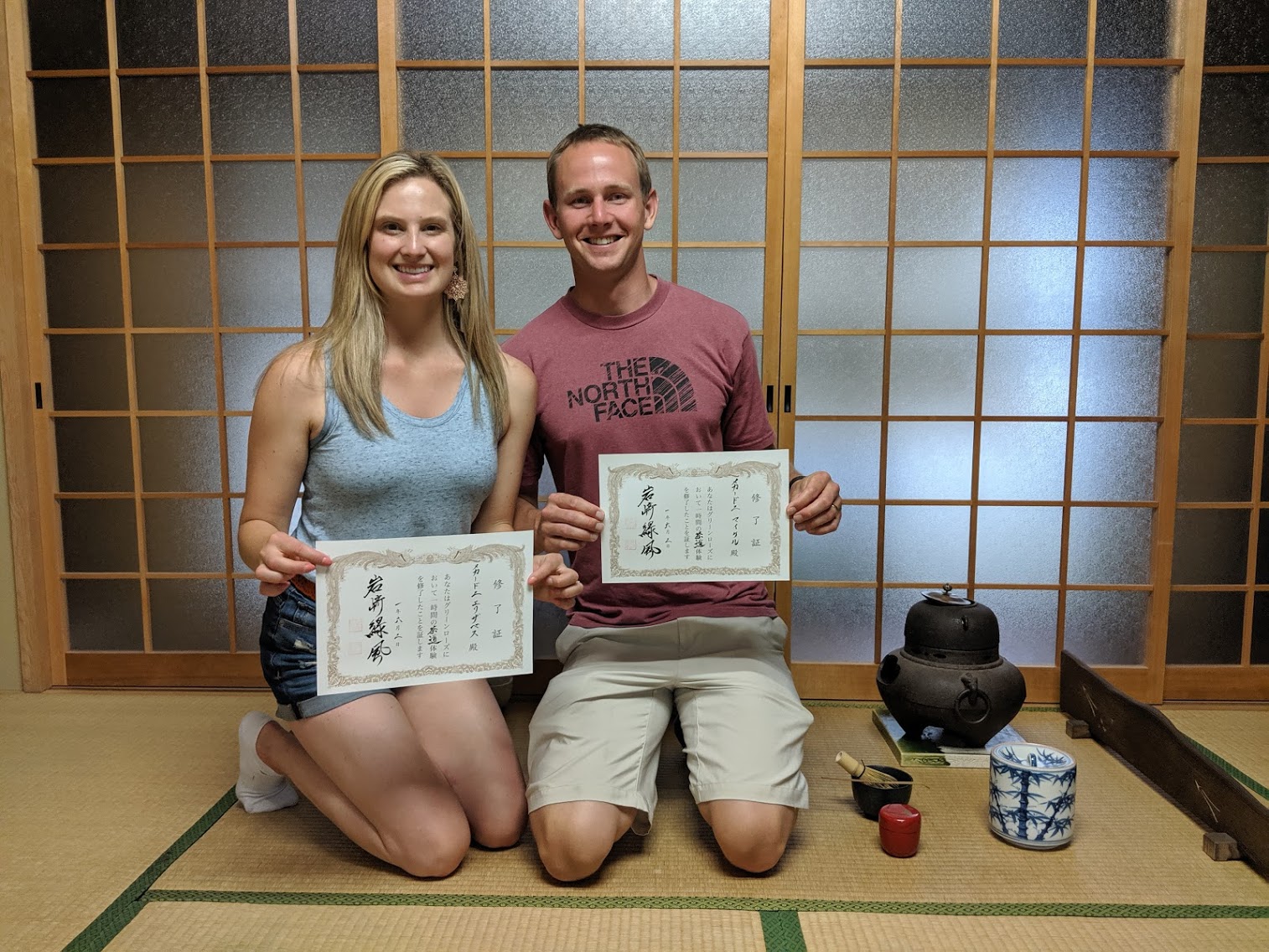
After the castle we walked to our Tea Ceremony airbnb experience at a place called Green Rose Calligraphy. The ceremony was amazing and I learned a lot about the history of tea ceremonies. We sat in a tea room on pillows on the ground and she went through the traditional tea ceremony. She demonstrated the traditional way to make tea with all of the steps and then she passed the tea out to both of us. Before you drink the tea, you are supposed to say phrases in Japanese. Michael and I both tried to say them and she said we did well but I highly doubt we did. We made matcha green tea and she went through the history of matcha green tea and the health benefits of it.

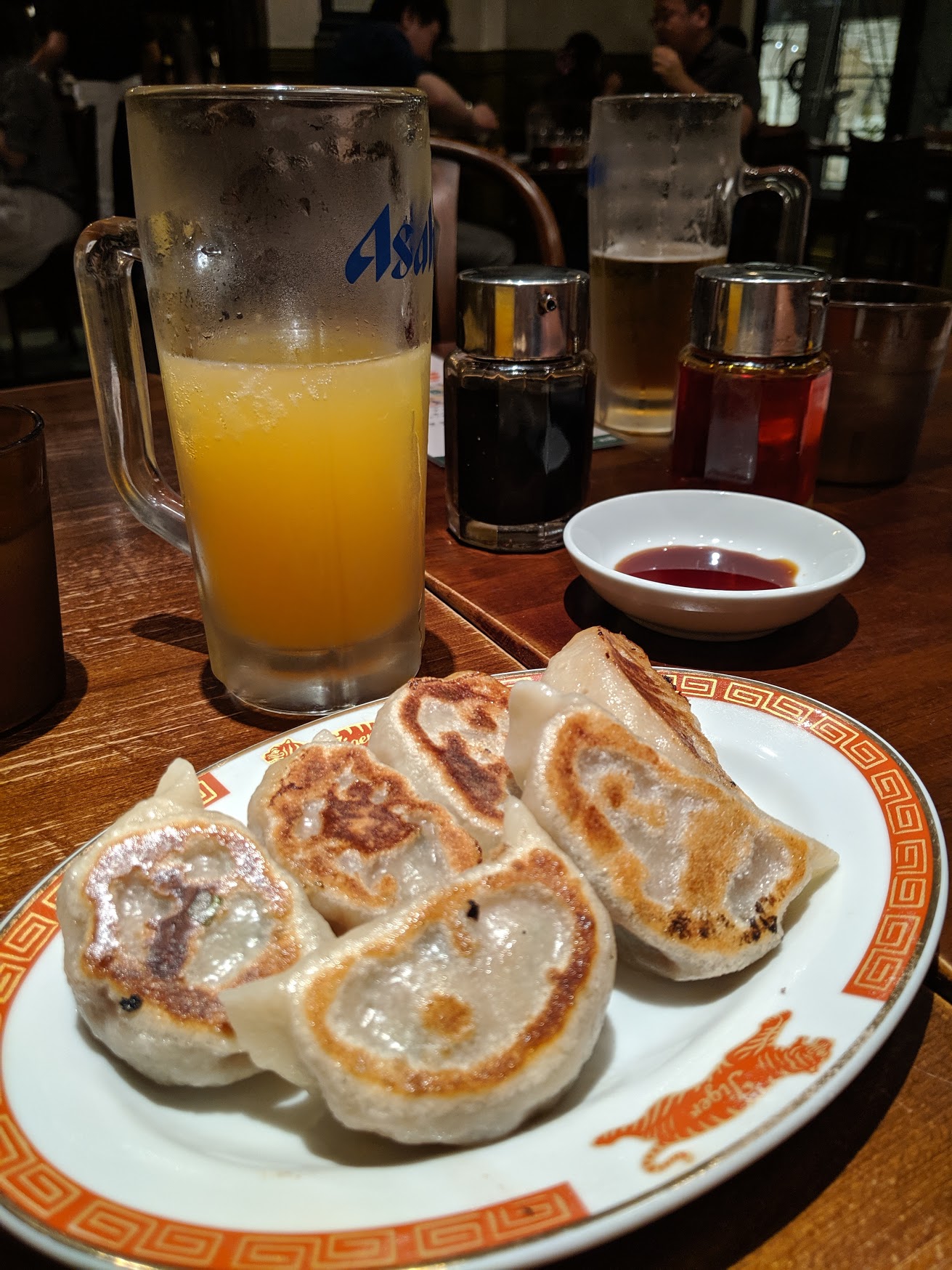
After the tea ceremony we went to our hotel to relax for a bit. For dinner we walked around and found a place that was busy so we went inside. After getting the menu we realized it was a Chinese restaurant and it was actually very good.
Day 7 June 3
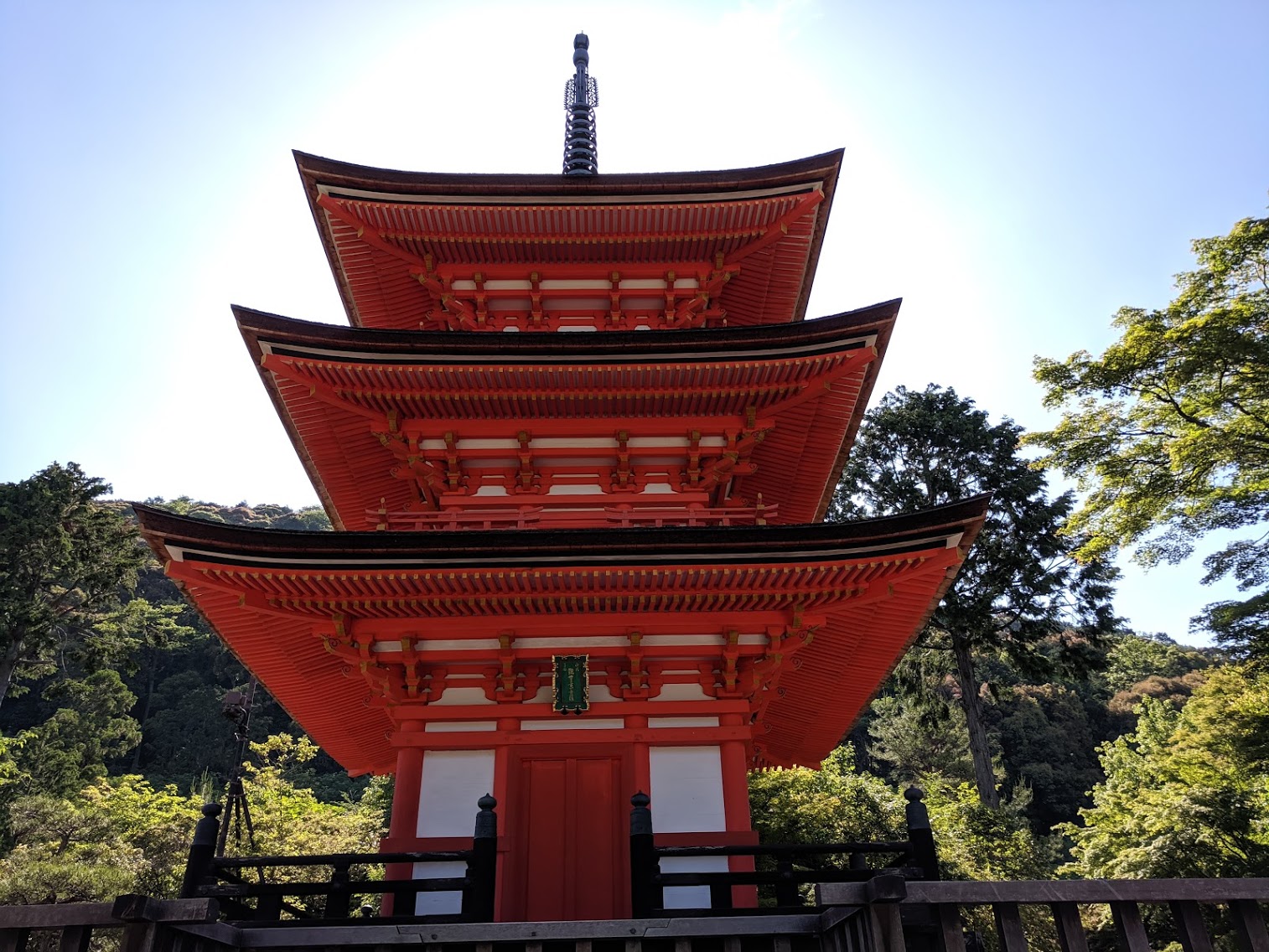
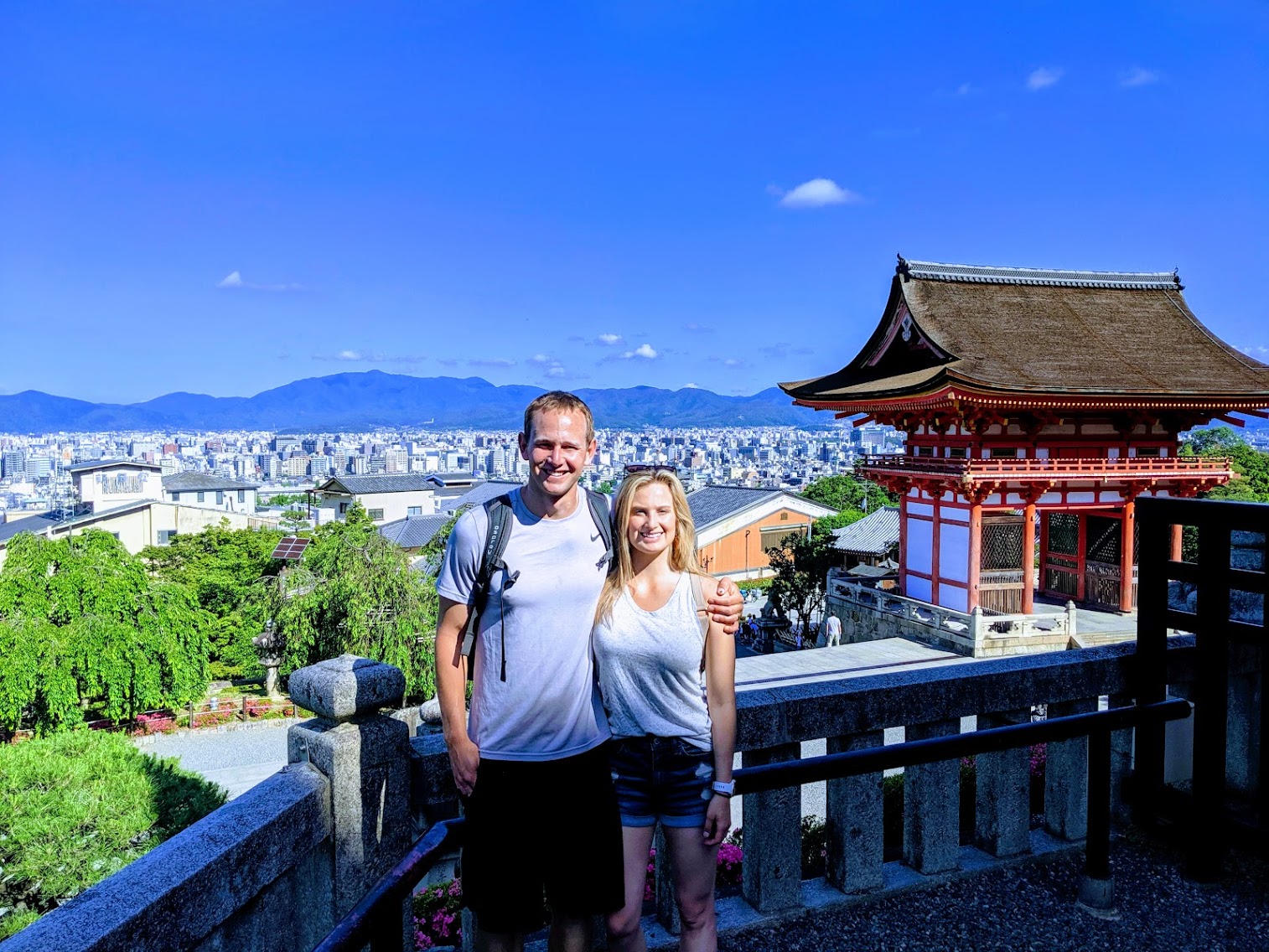
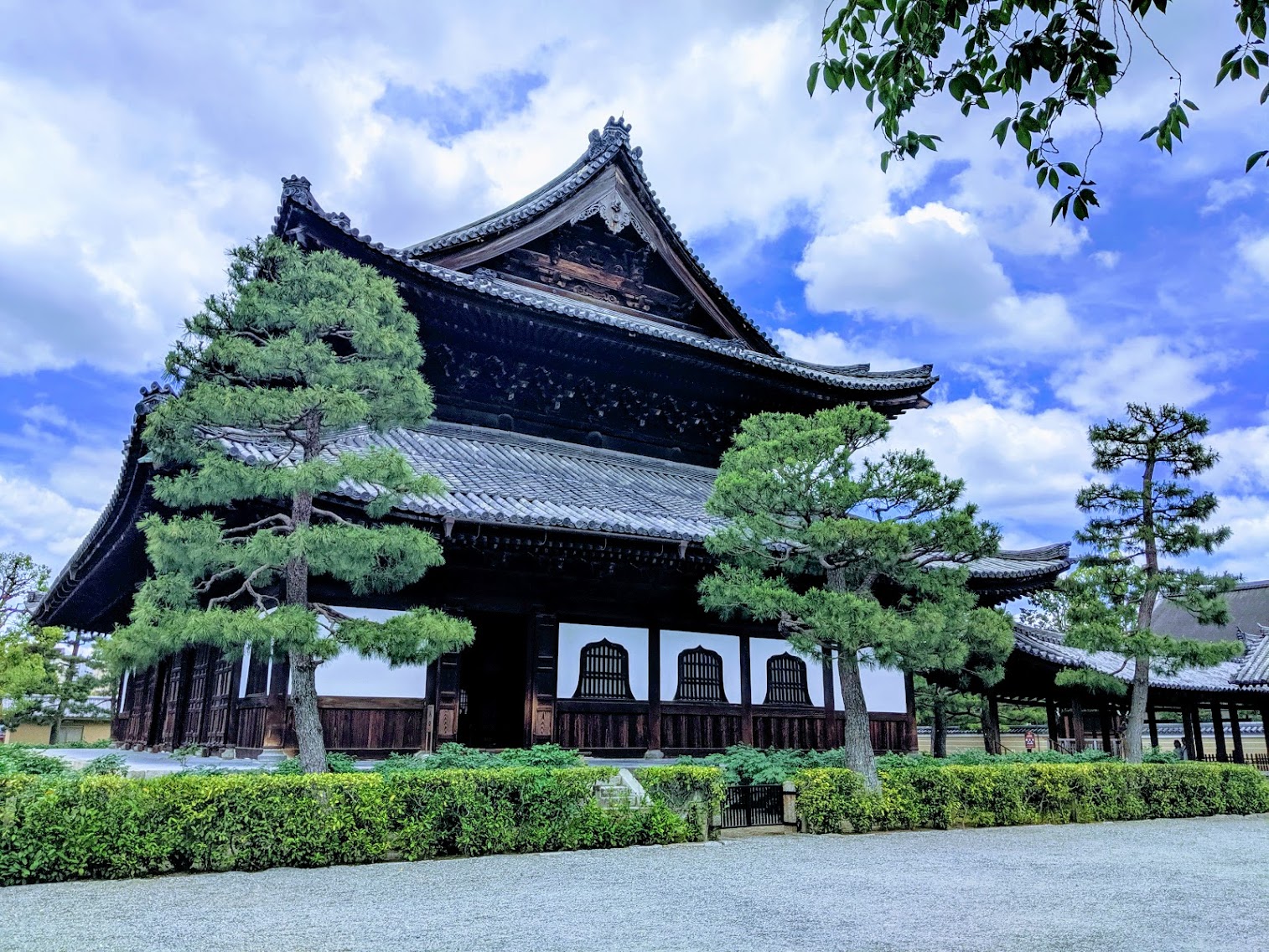
The next morning we woke up and went to Kiyomizudera Temple which is one of the most celebrated temples of Japan. It was founded in 780 and built in the forested east hills of Kyoto In 1994 it was added to the list of UNESCO world heritage sites. The walk from the hotel to the temple was also very interesting and it felt like we were walking through an old village since we went early in the morning before many of the tourists. The temple opens at 6:00 am so I would recommend going as early as you can. The outside is beautiful and it also has an amazing large wooden stage that juts out of the main hall. This is a beautiful and unique temple.
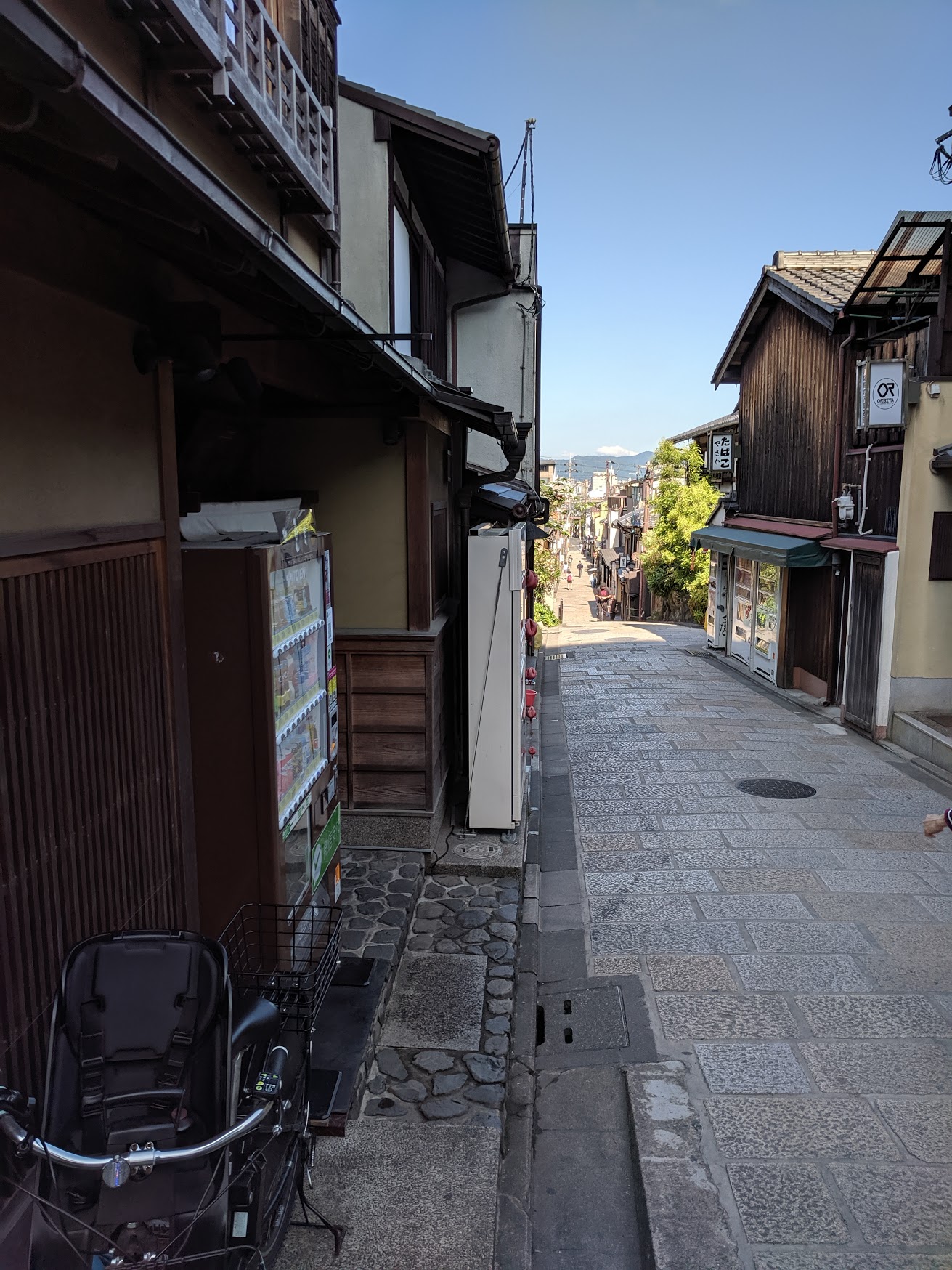

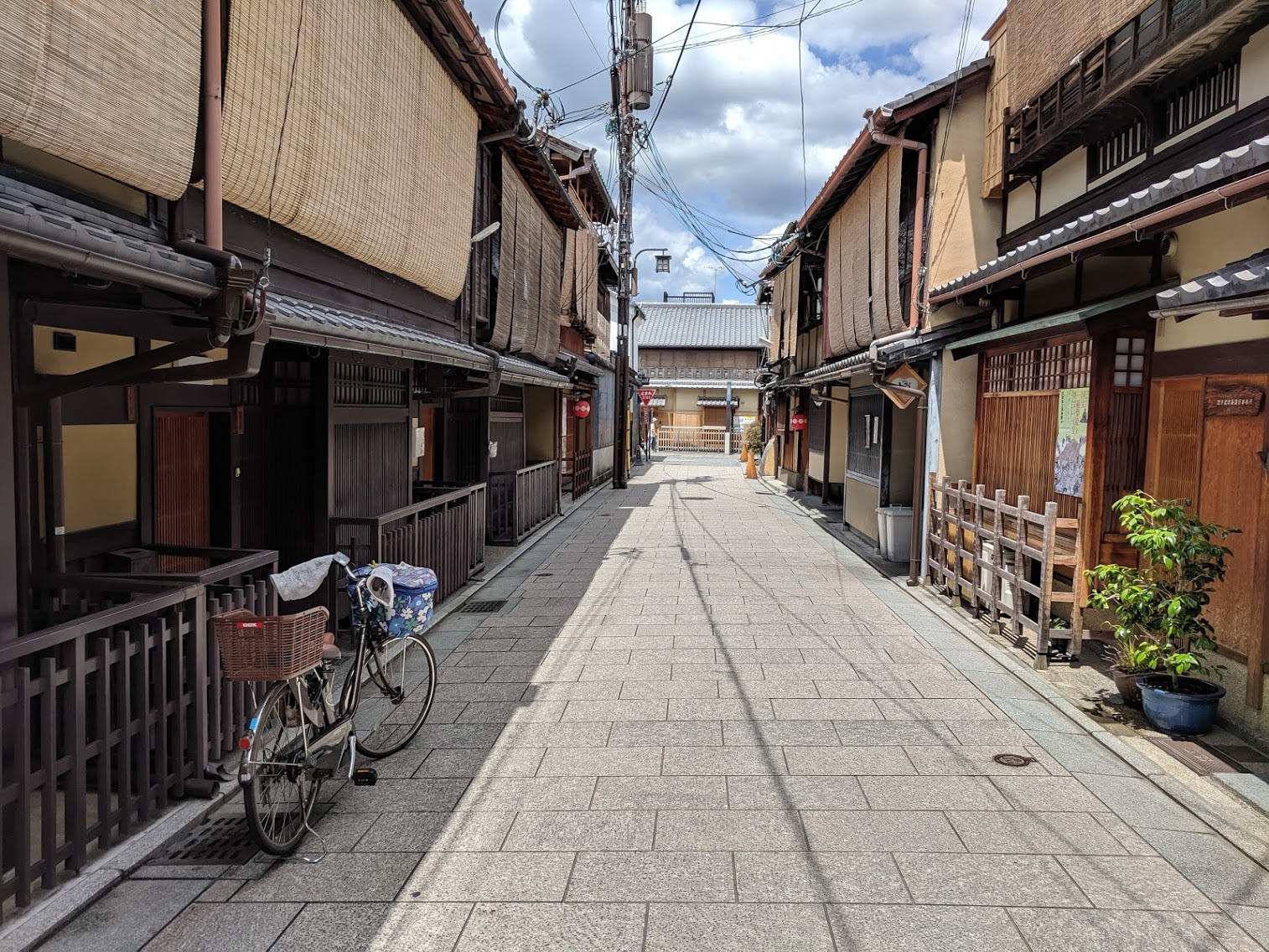
At 10:00 am we went on the Kyoto Free Walking tour that covered the Southern part of Higashiyama Area and the geisha district. The walking tour was great and we learned a lot. There are many things that you would walk by that have a long story that you would never know if you were not on the walking tour. My favorite part was walking through the Geisha district and learning about the history of Geisha and how they are still active today.
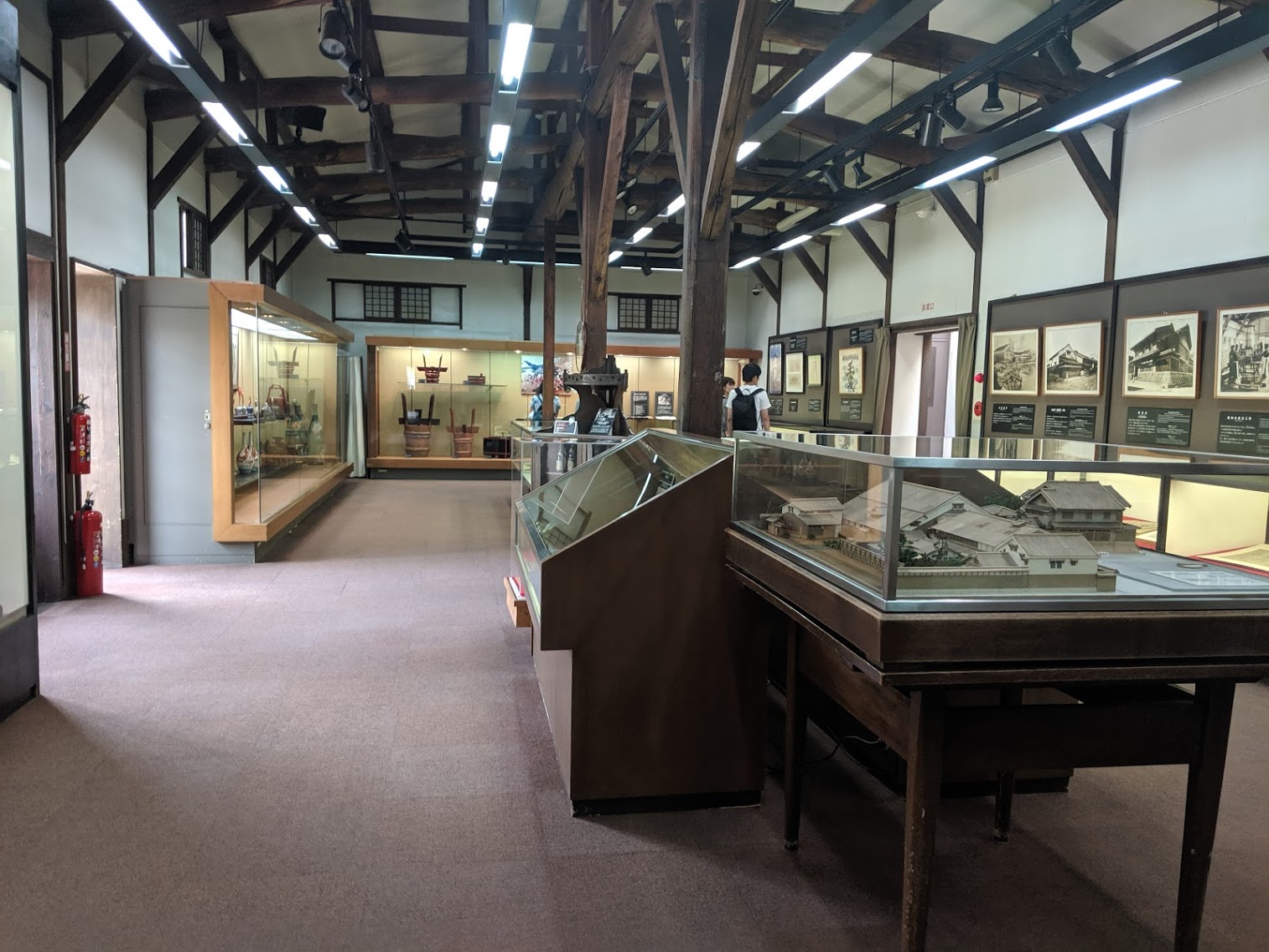
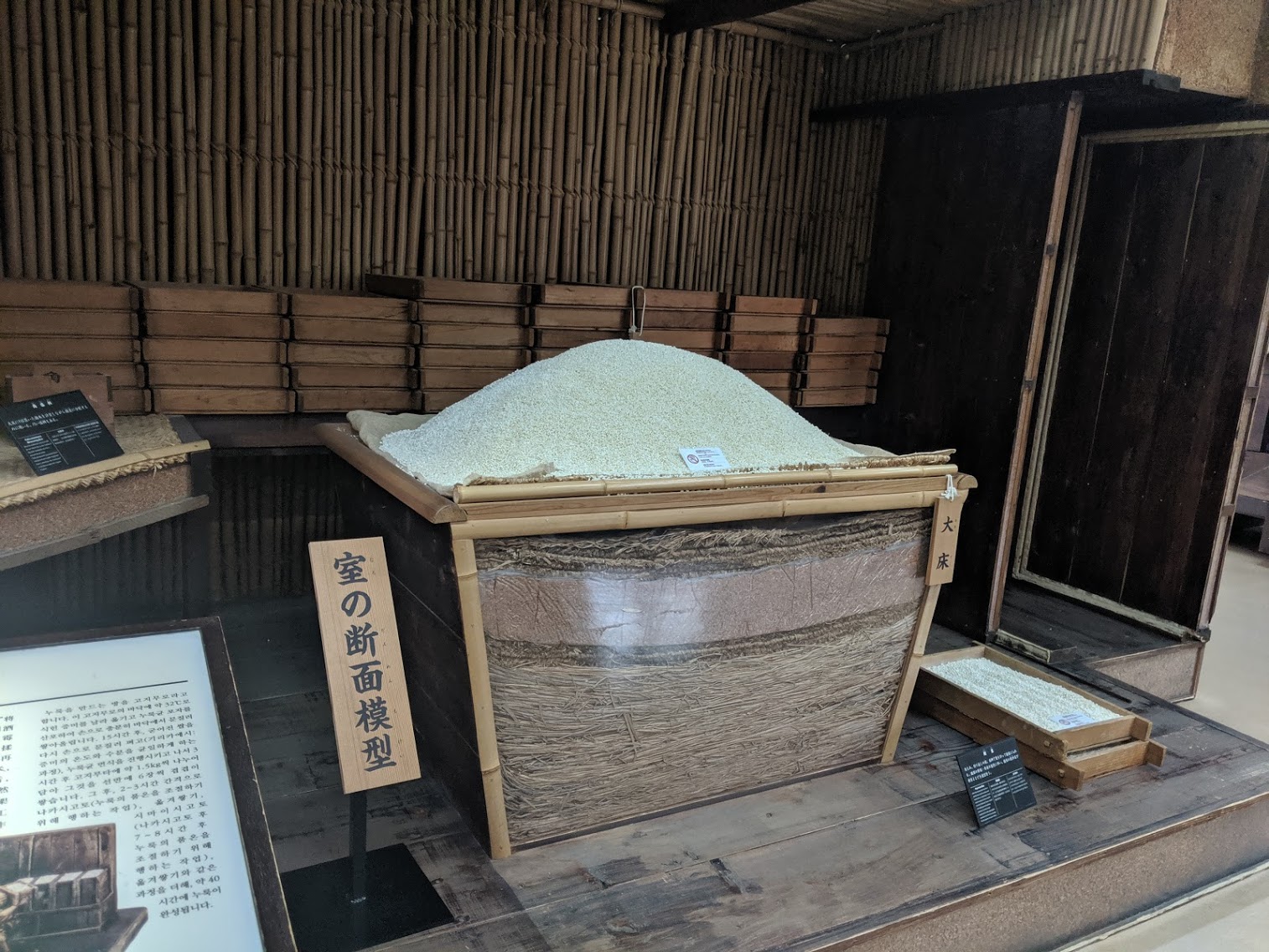
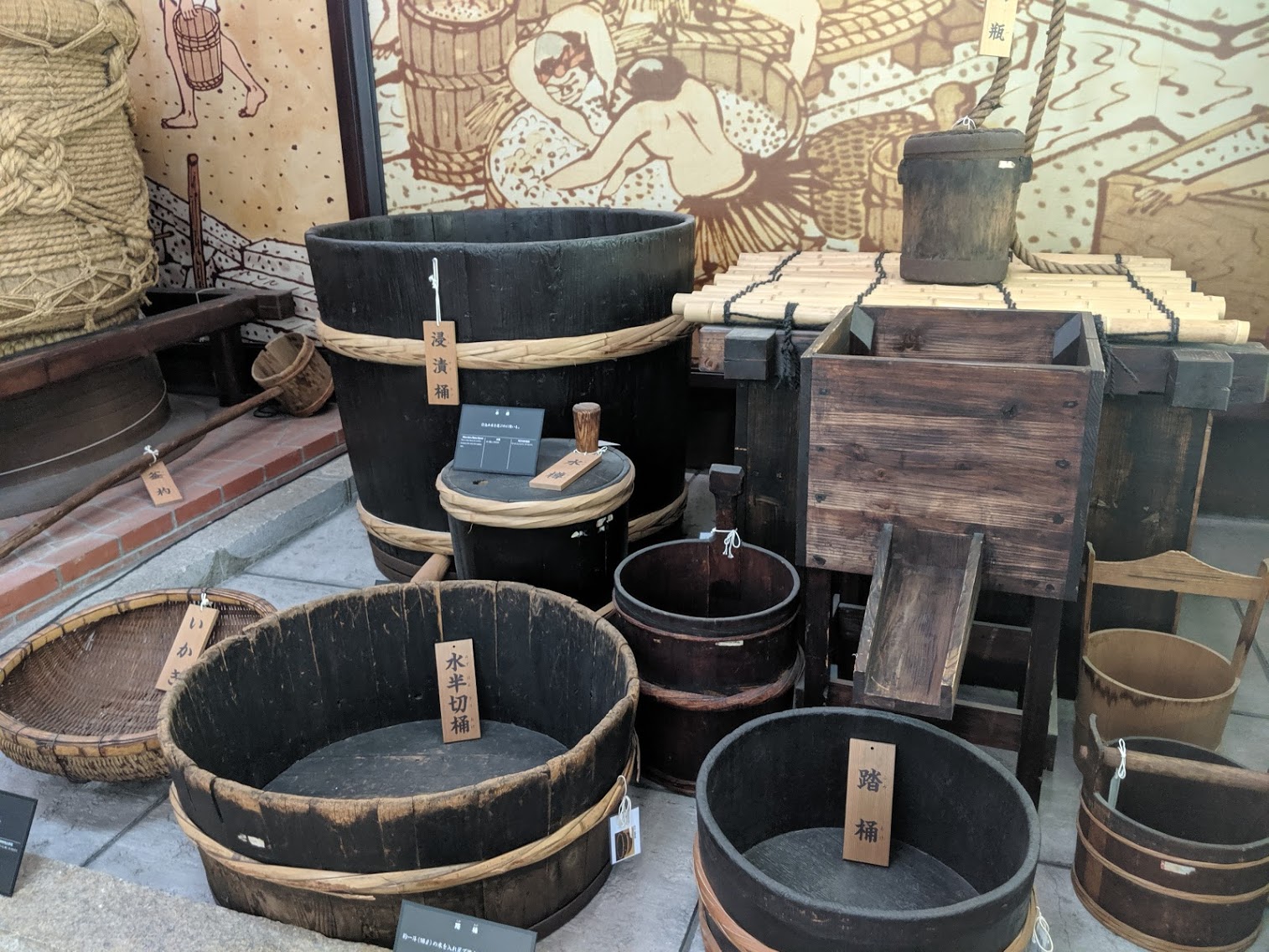
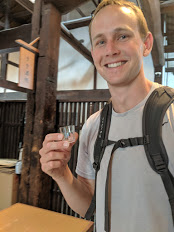
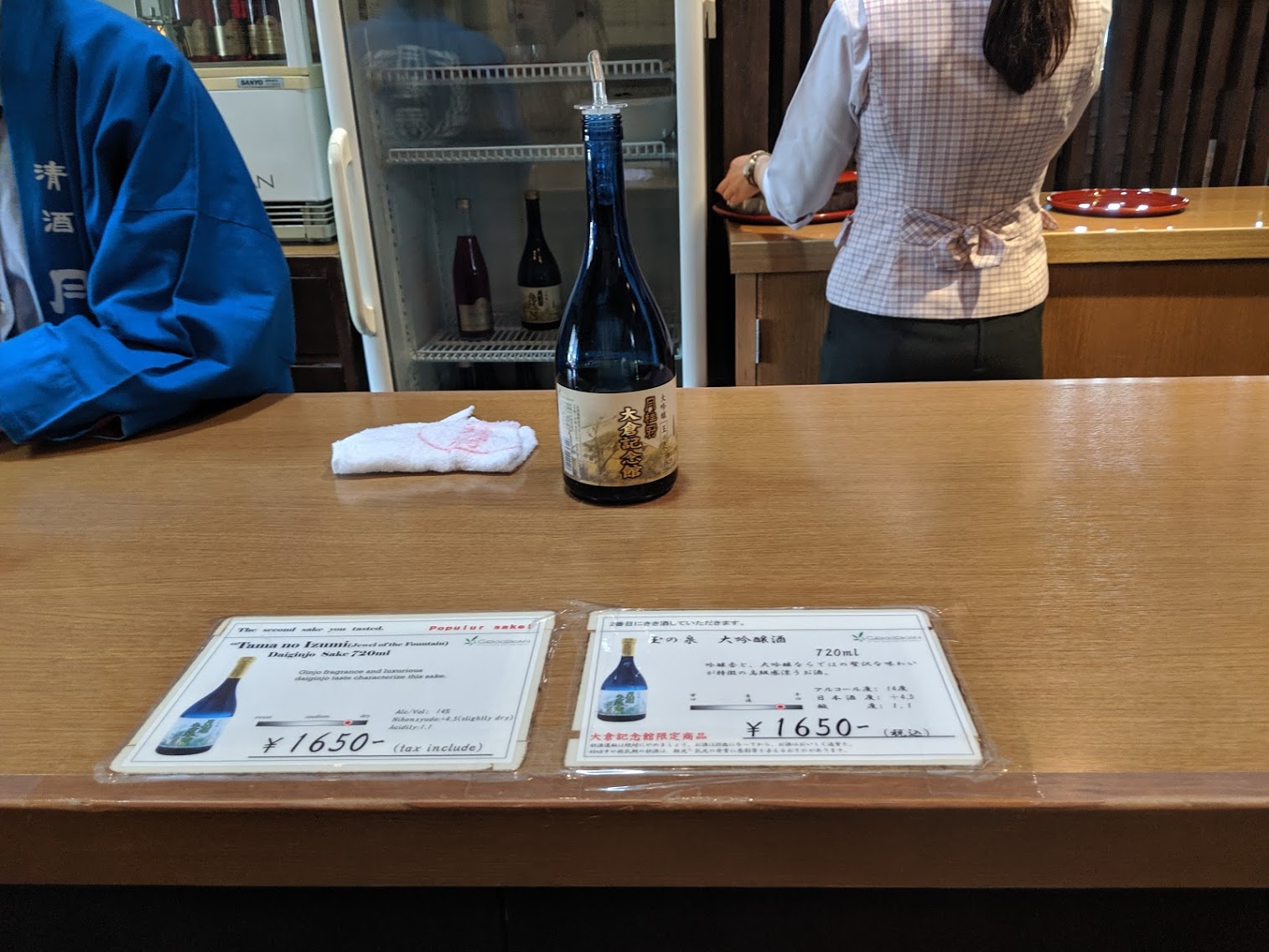
After the walking tour we took the train South to Fushimi to the Gekkeikan Okura Kinenkan Sake Museum, which is open 9:30 am-4:30 pm and 300 yen to enter which includes a free taste of sake and plum wine. This brewery is one of the most famous of Fushimi’s breweries founded in 1637. The Okura Kinenkan is a former sake warehouse converted into a museum behind Jikkokubune. It was interesting but I would not recommend going out of your way to go to the museum.
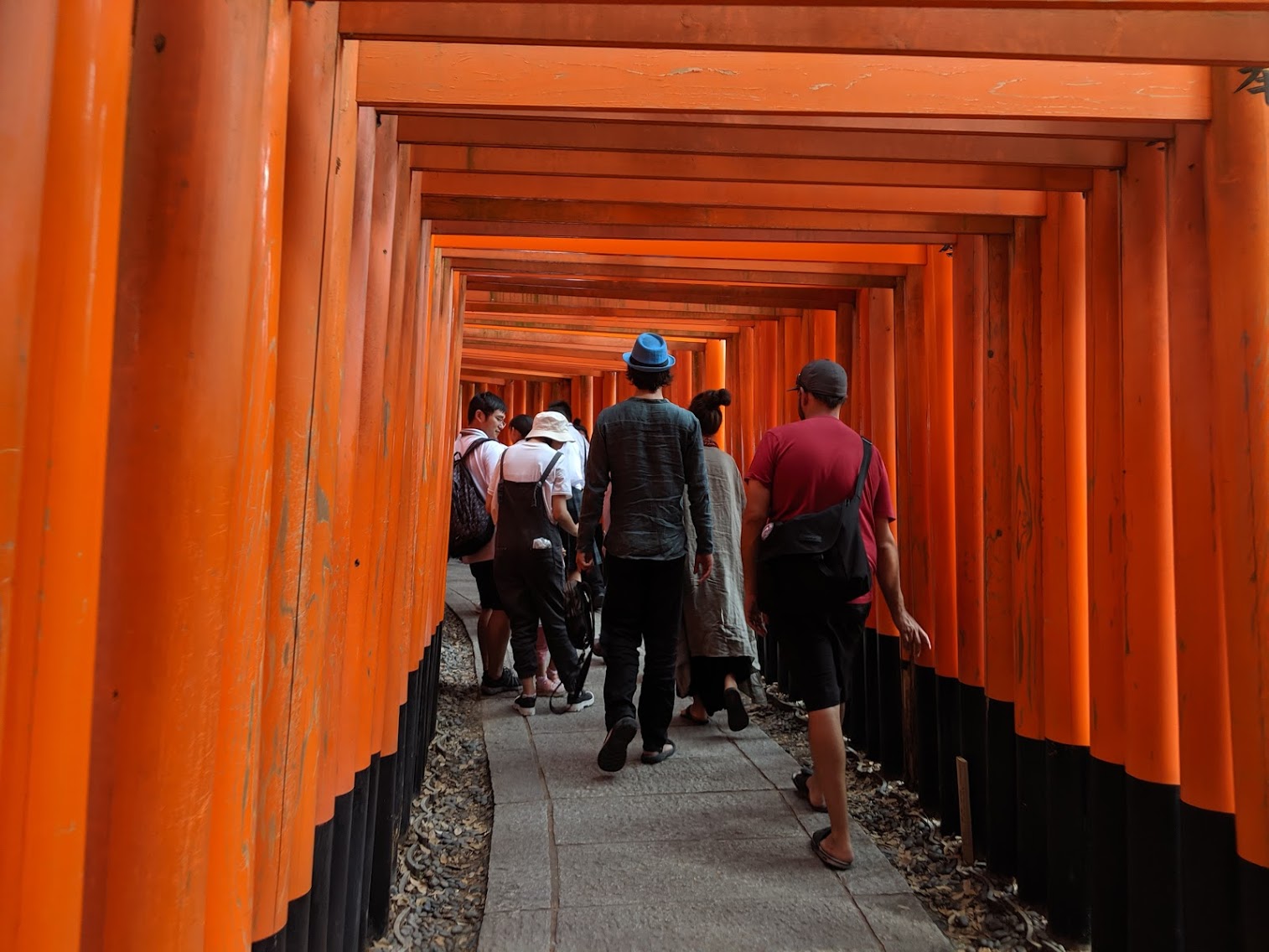
We then trained about 40 minutes to Fushimi Inari Shrine which is a shrine with thousands of red torii gates lined up a pathway 4km up the mountain. It was built in the early 8th century to worship the gods of rice and sake. It is free to walk up the mountain along the path of Torii gates. In the very beginning it is extremely busy and it is hard to walk through but as you get higher and higher people slowly start to turn around so it gets way less crowded. It is a loop and towards the top there were not many people. I would recommend doing the whole loop. Along the way there are little rest stops if you need them and a few shops if you need water or snacks. Along the way there are stone foxes which is considered to be the messenger of inari- god of rice and business.
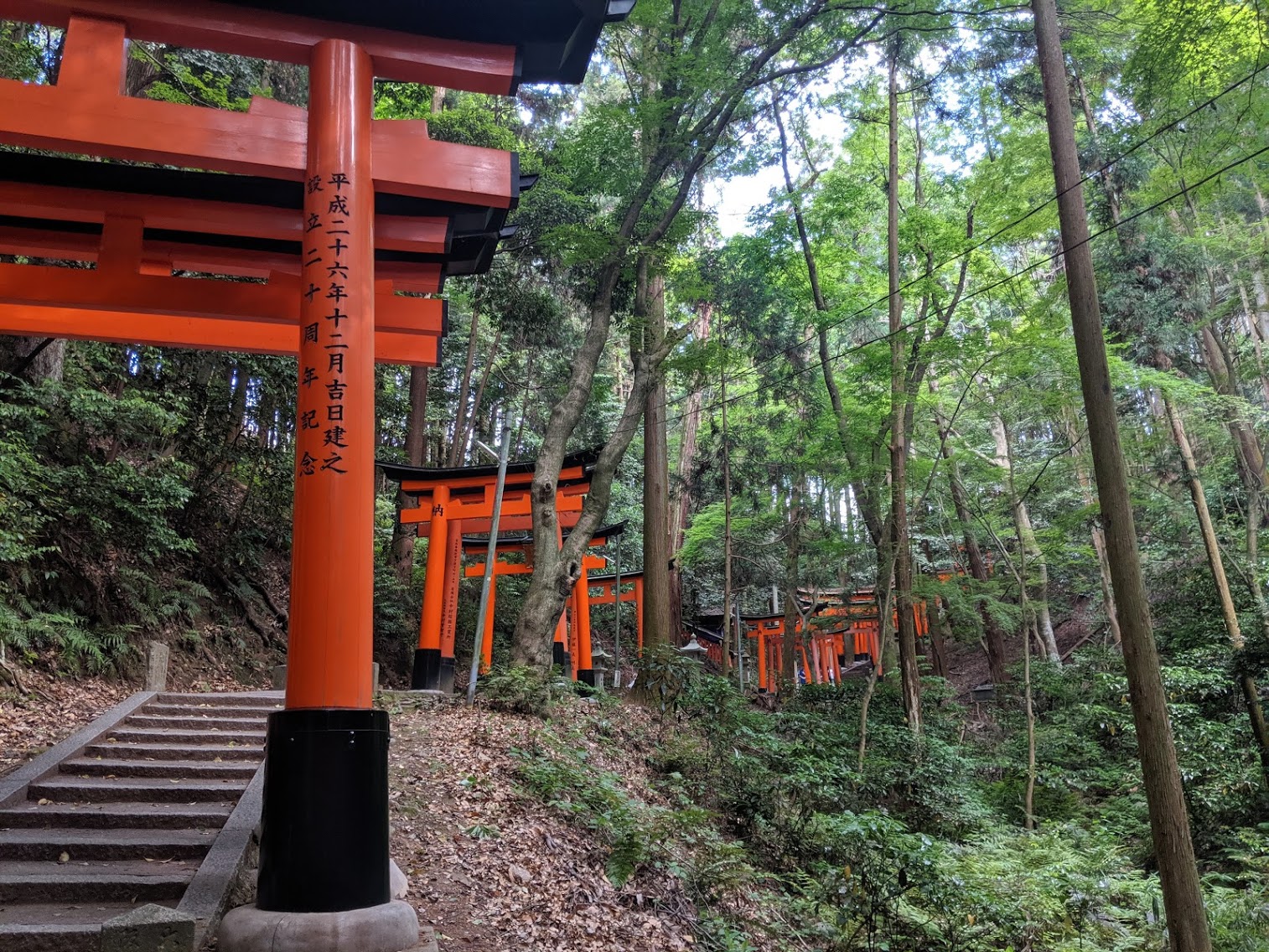
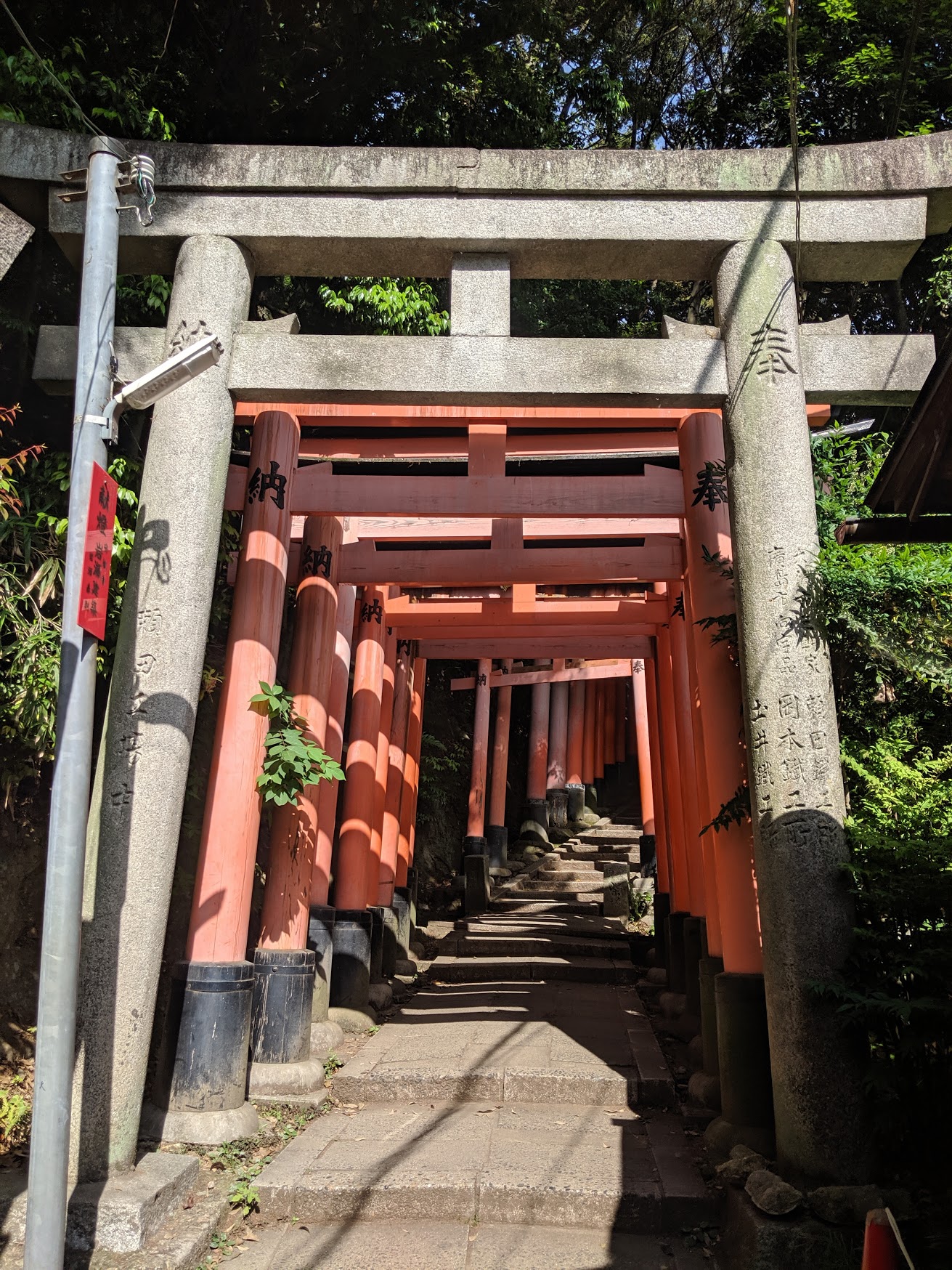
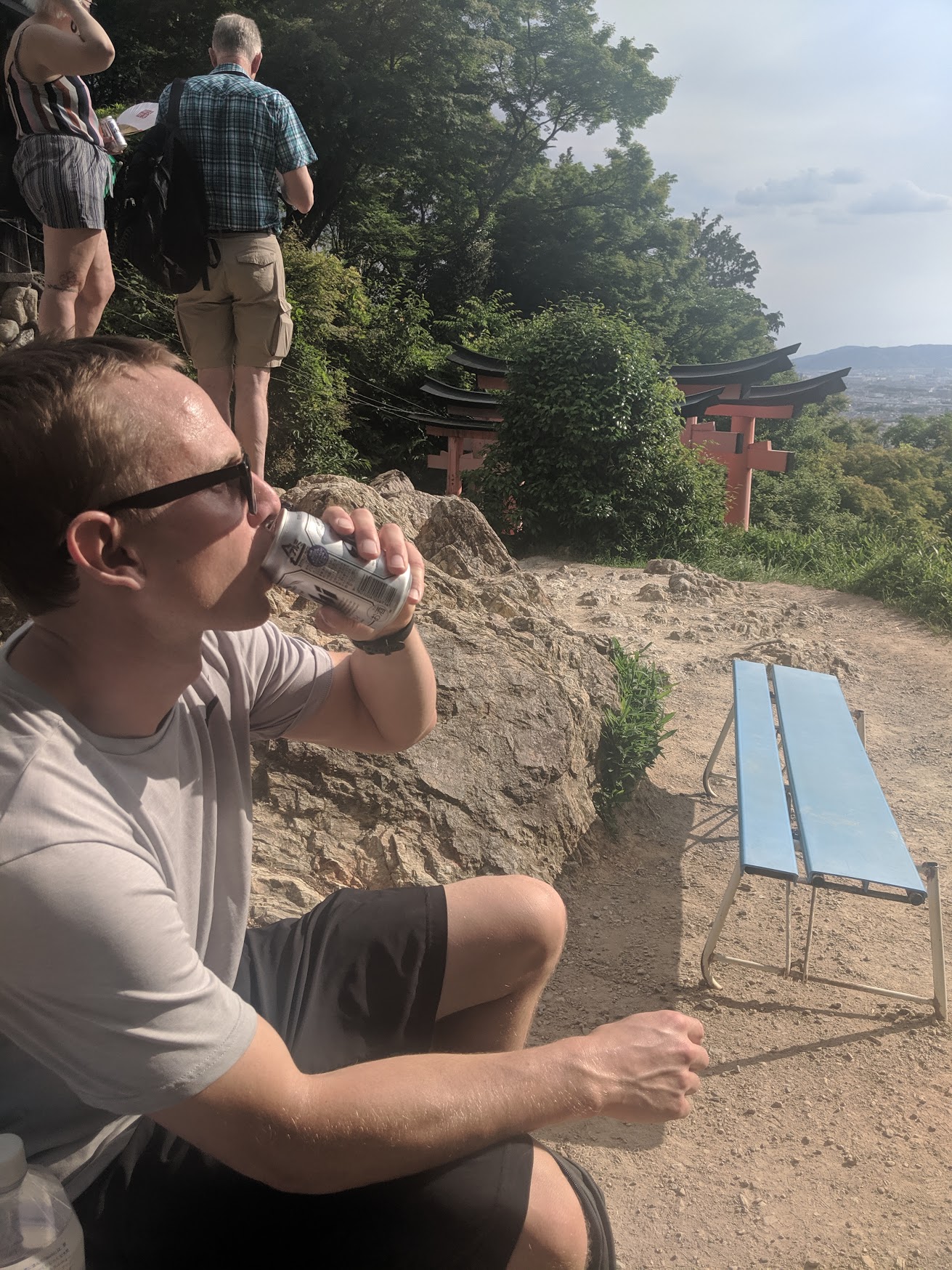
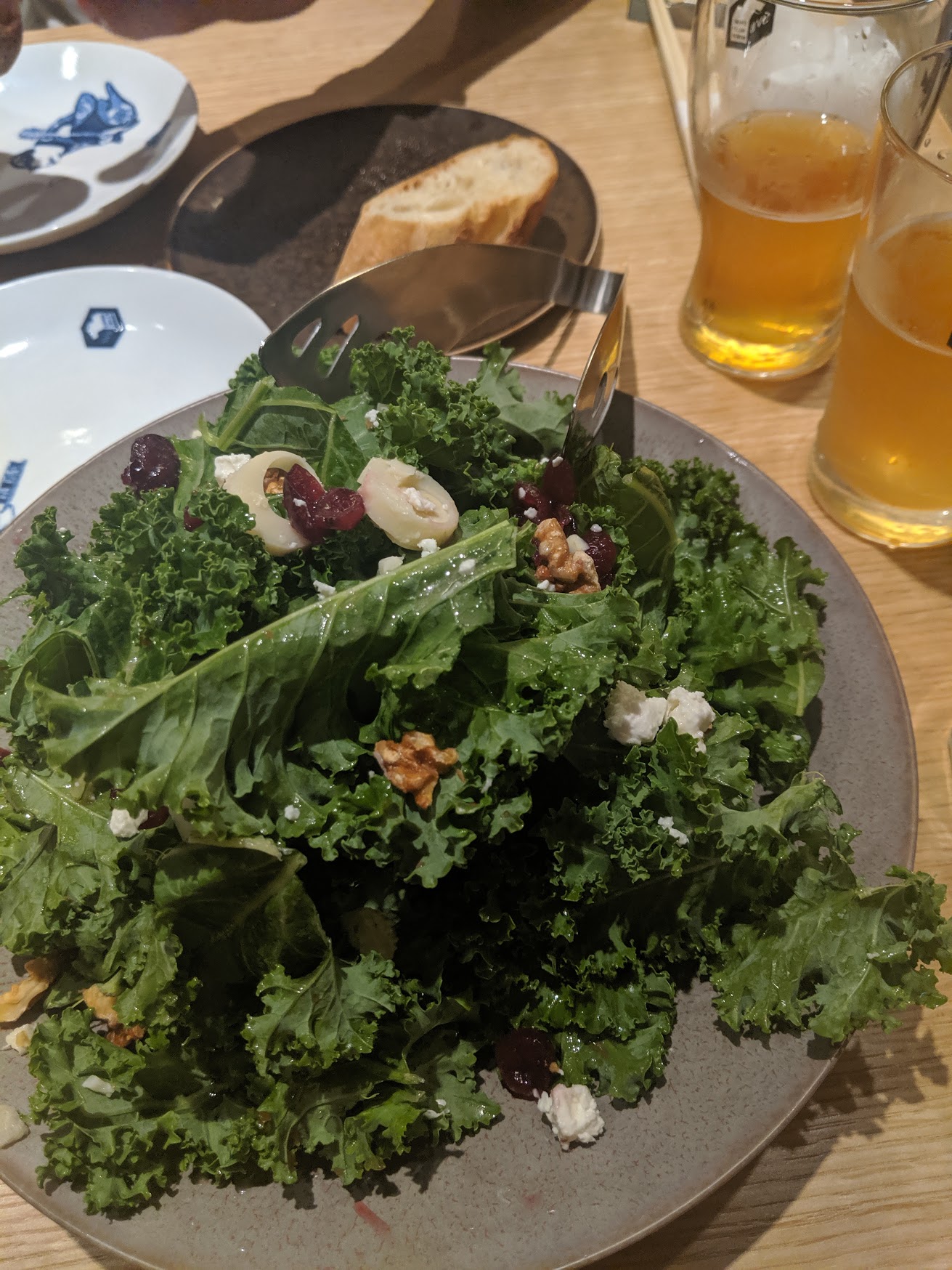
After the walk we went back to the hotel to shower and then went to dinner at Spring Hill brewery located on a shopping street. This is a local Kyoto brewery and they have western fusion japanese food. It was a little interesting getting there since it is down a shopping street but once we got there it was pretty busy and the food was amazing. They also had a lot of different types of beers to try. I would highly recommend this place.
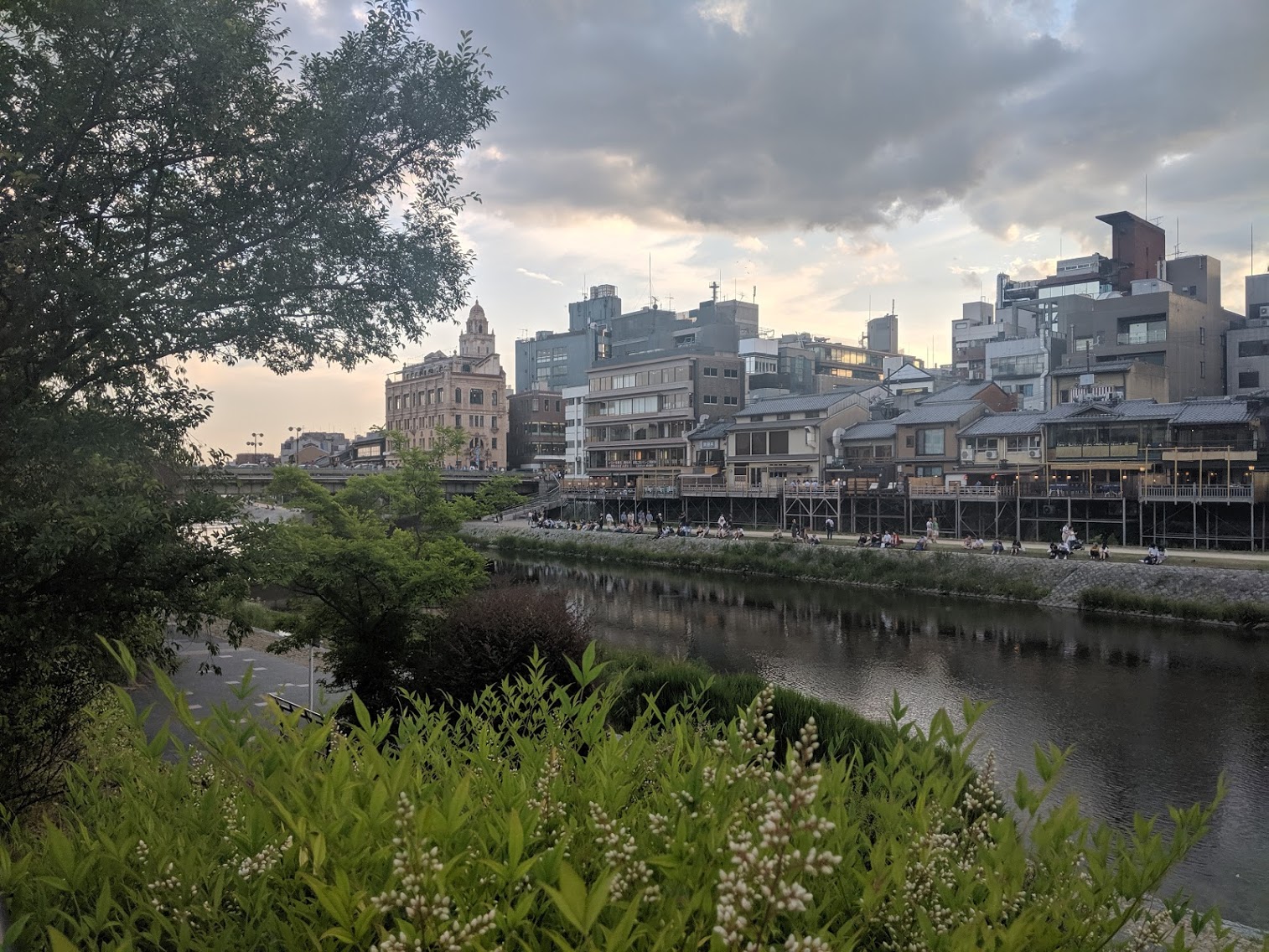
Day 8 June 4
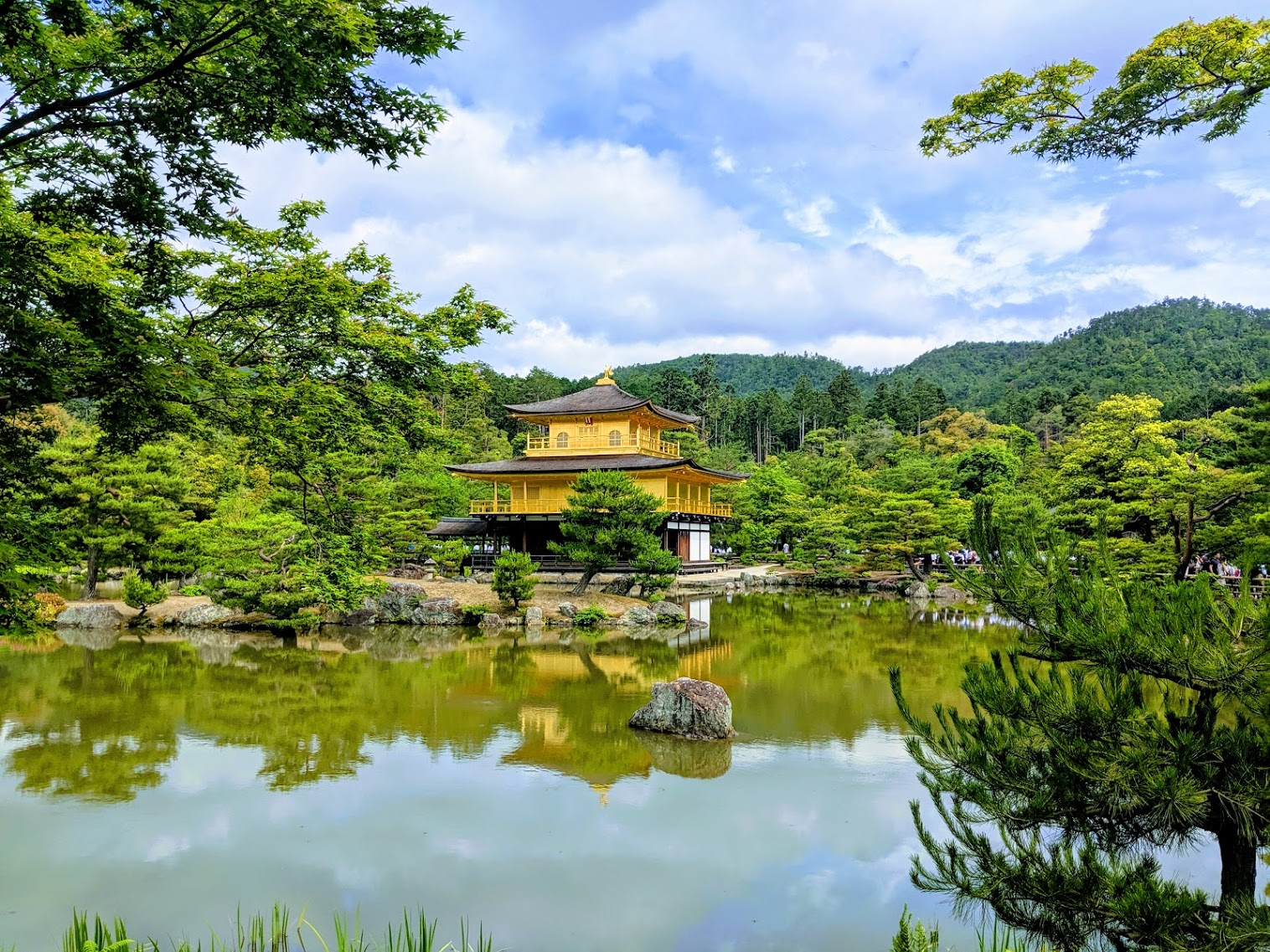
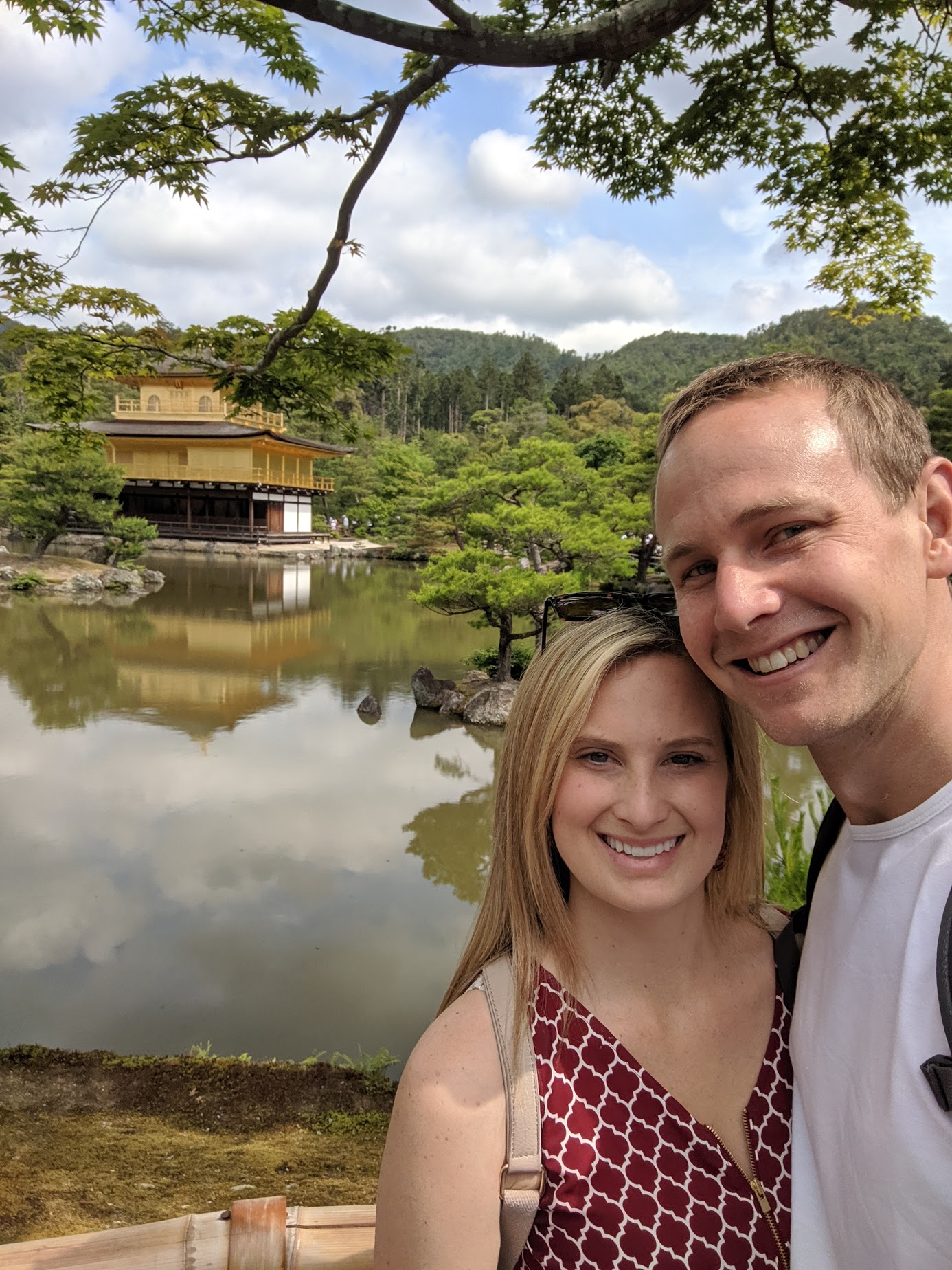
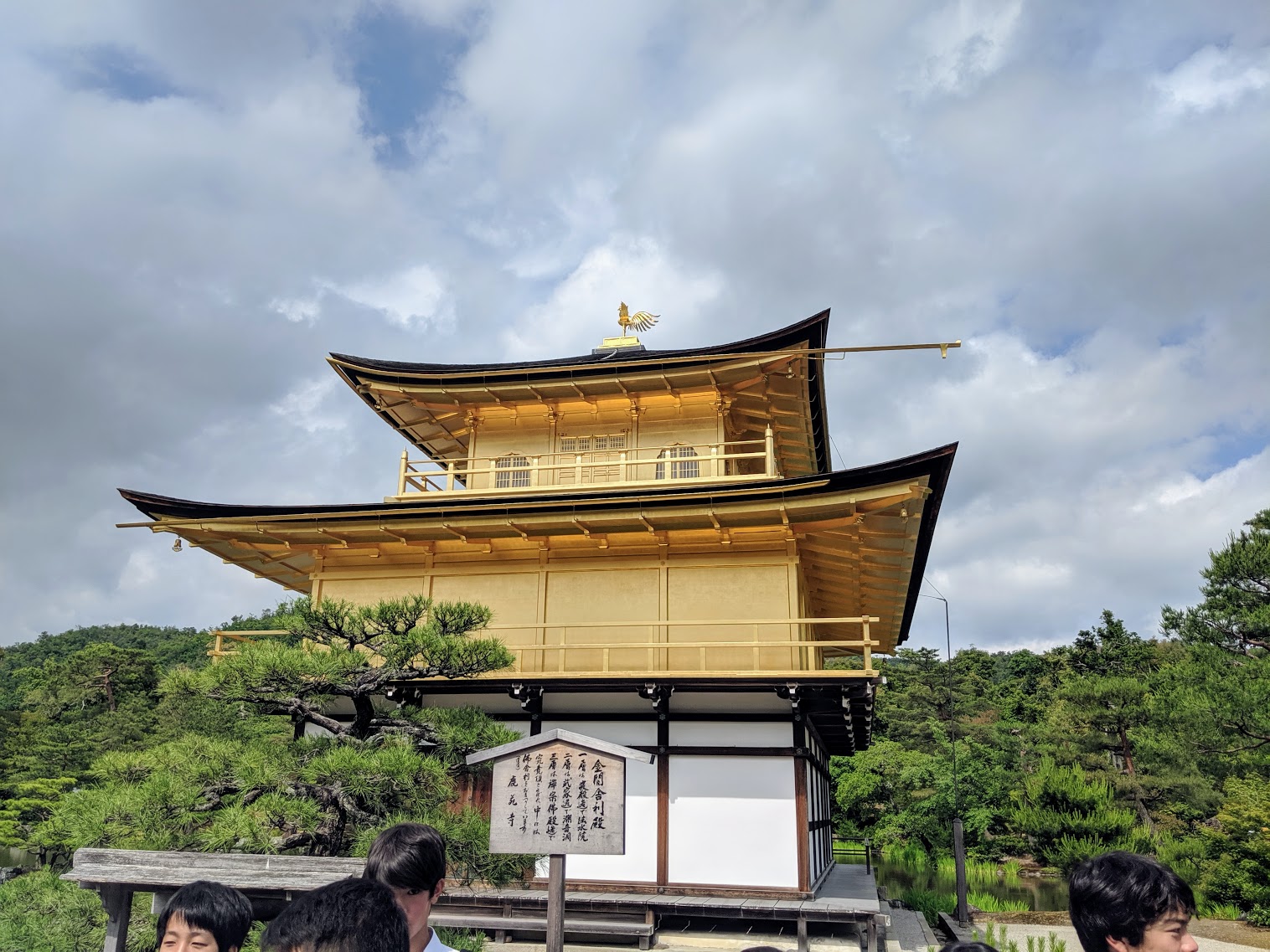
The next day we trained north to the Golden Pavilion at the Kinkaku Ji Temple about 40 minutes away from Kyoto. The zen temple dates back to 1397 and the top two levels are covered in gold leaf. The temple was originally the retirement villa for the shogun and then became a zen temple after his death in 1408. The temple burned down a couple times throughout its history and the present structure was rebuilt in 1955. The temple was built to echo the extravagant Kitayama culture of the wealthy aristocrats in Kyoto during that time. The temple is open 9 am- 5 pm and is 400 yen to enter.
After visiting the temple we trained west to Tenryn Ji Temple, Monkey Park and Arashimyama Bamboo grove about 45 minutes. We decided not to go into the Tenryn Ji Temple since it was very crowded and we were a little templed out. We walked around the exterior and then over to the Bamboo Grove. The bamboo grove was busy,but it was still interesting to walk down the aisle of bamboo and look up to see the bamboo towering over you.
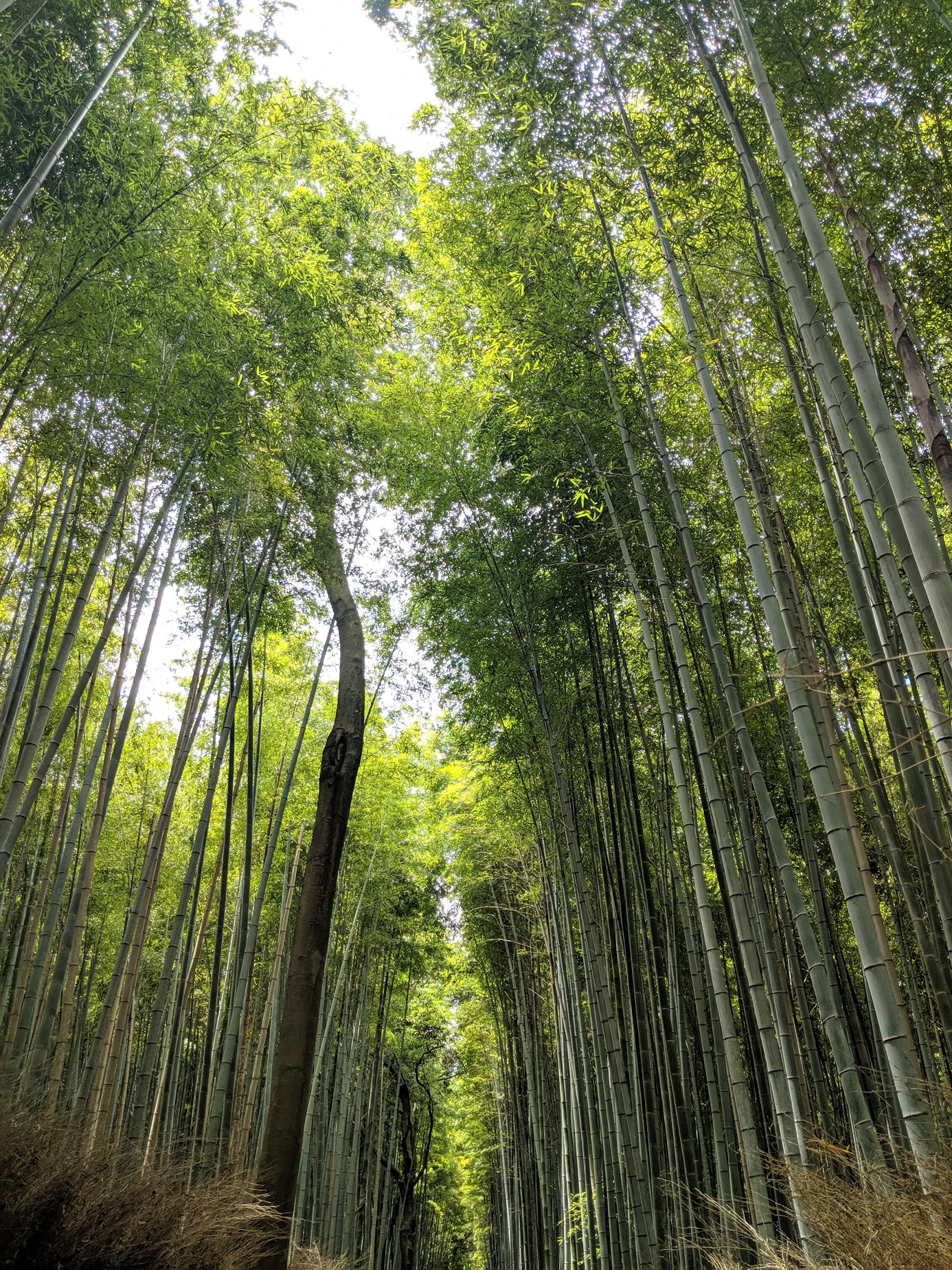
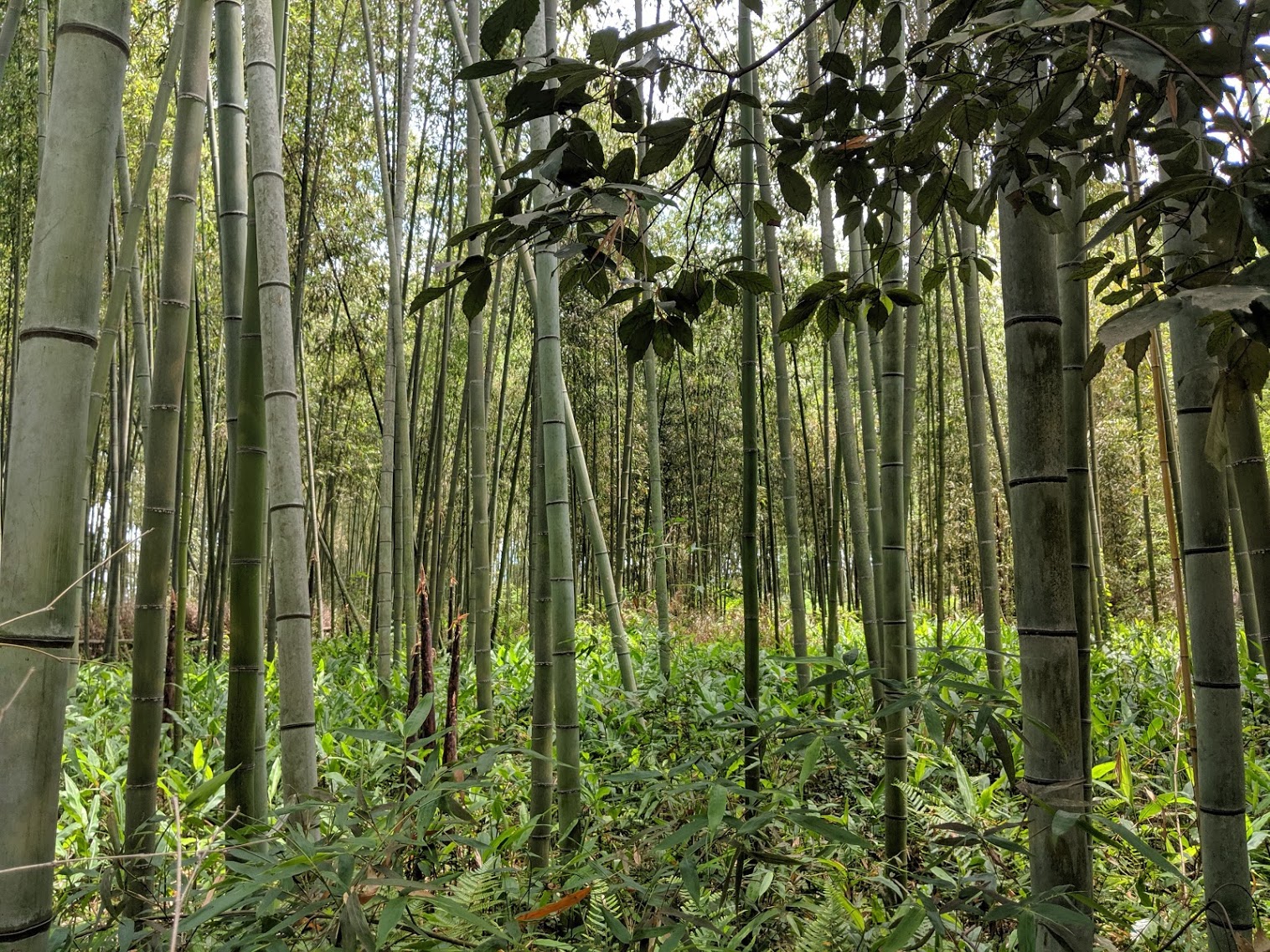
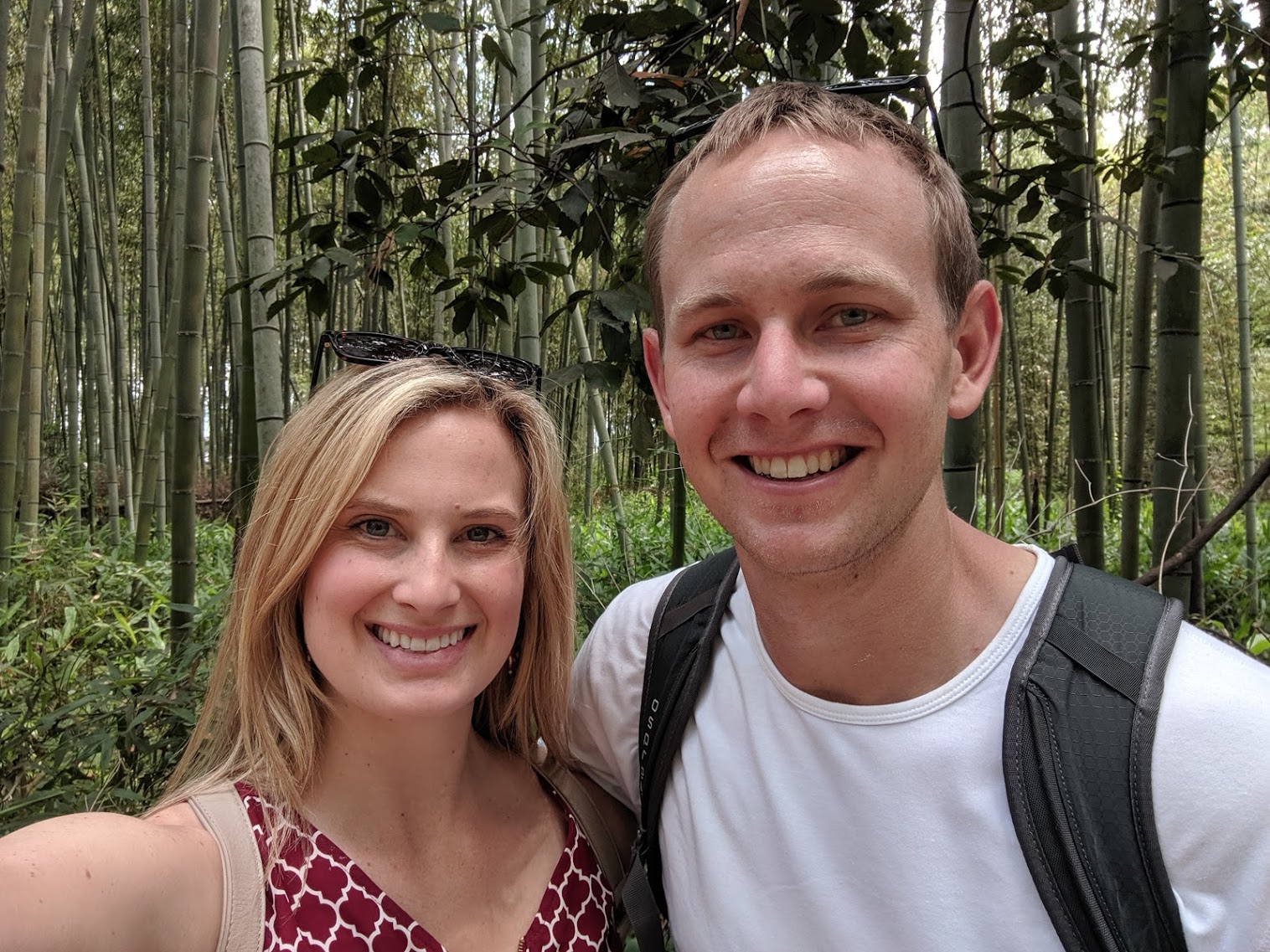
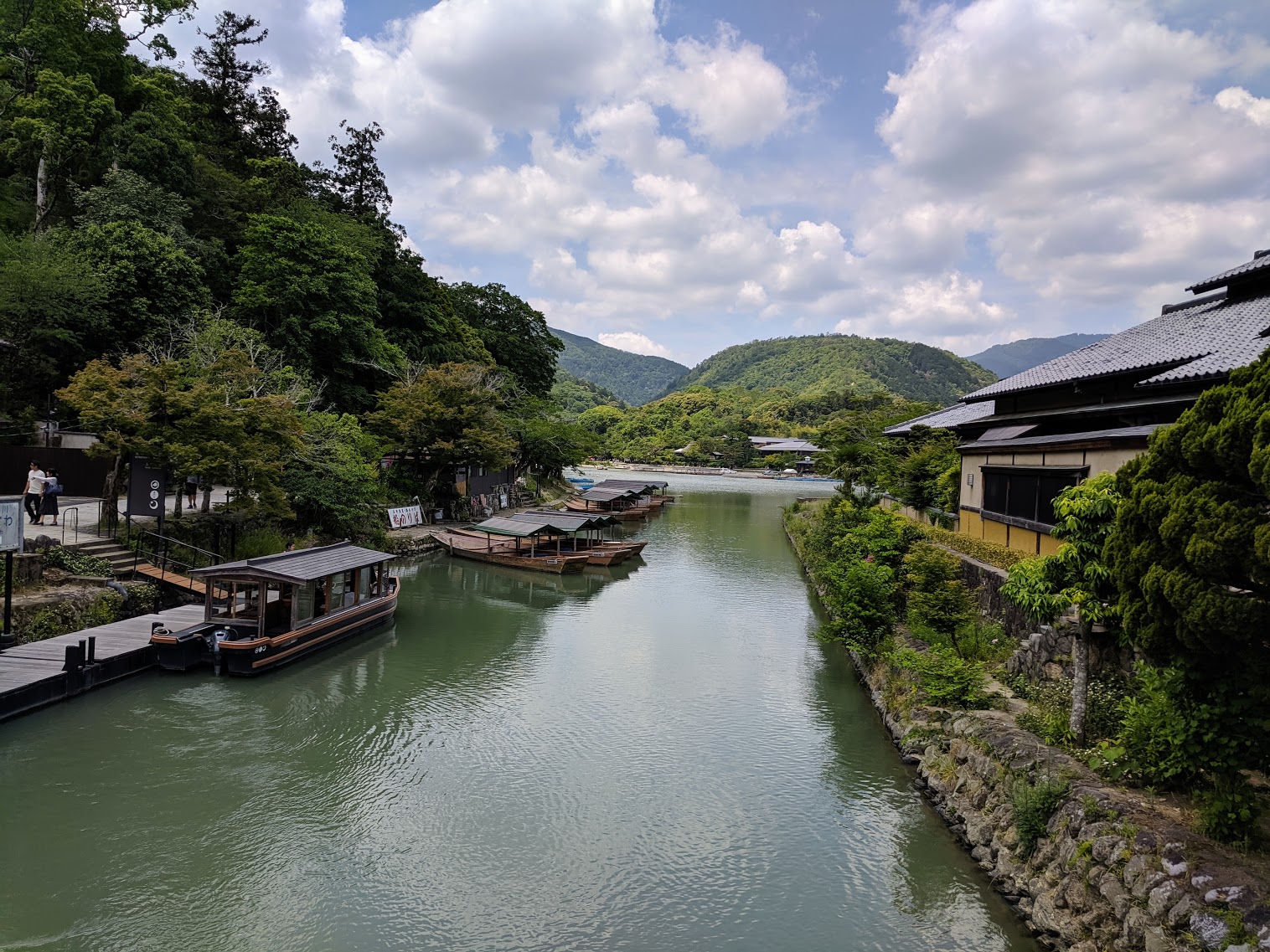
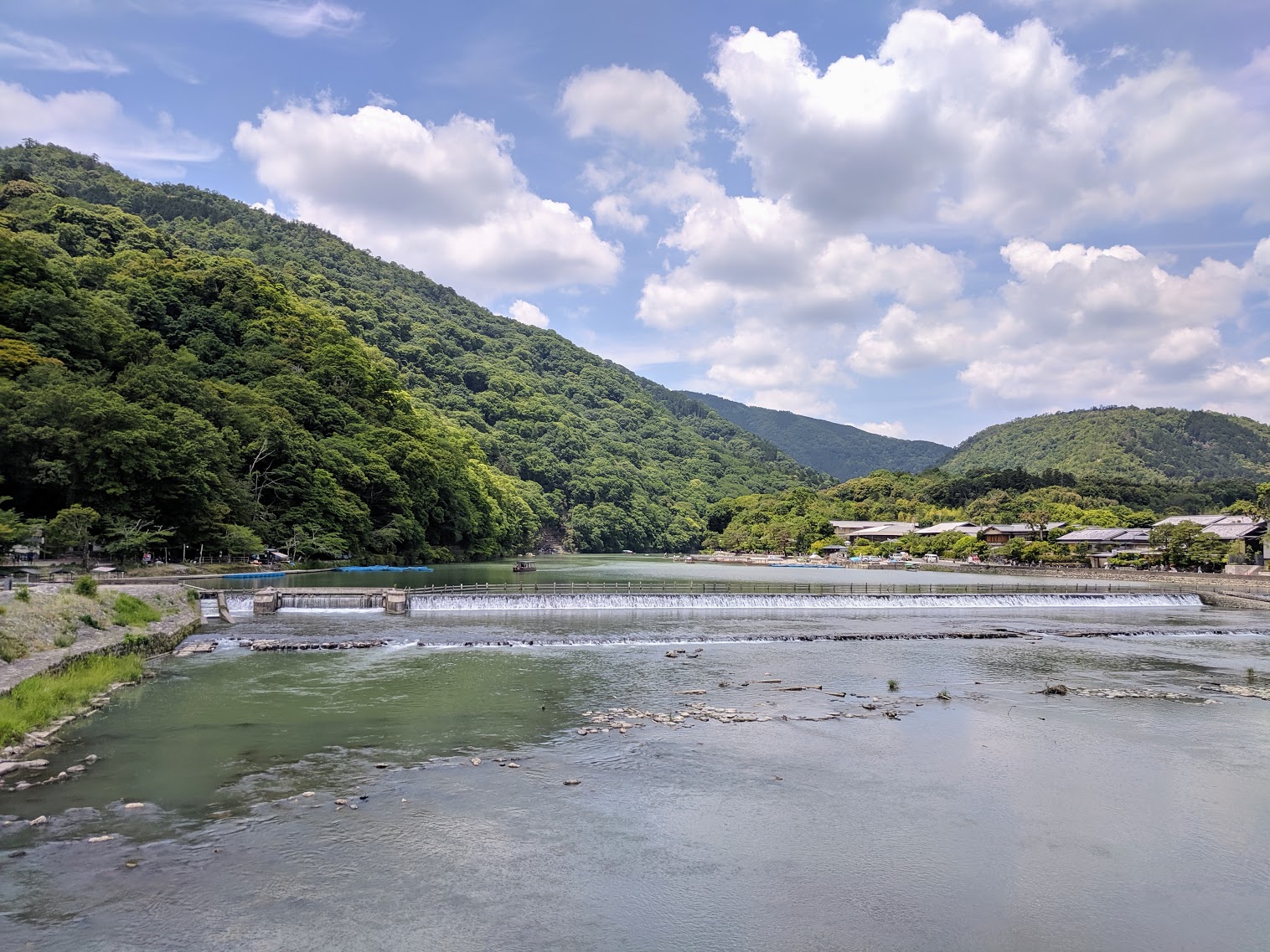
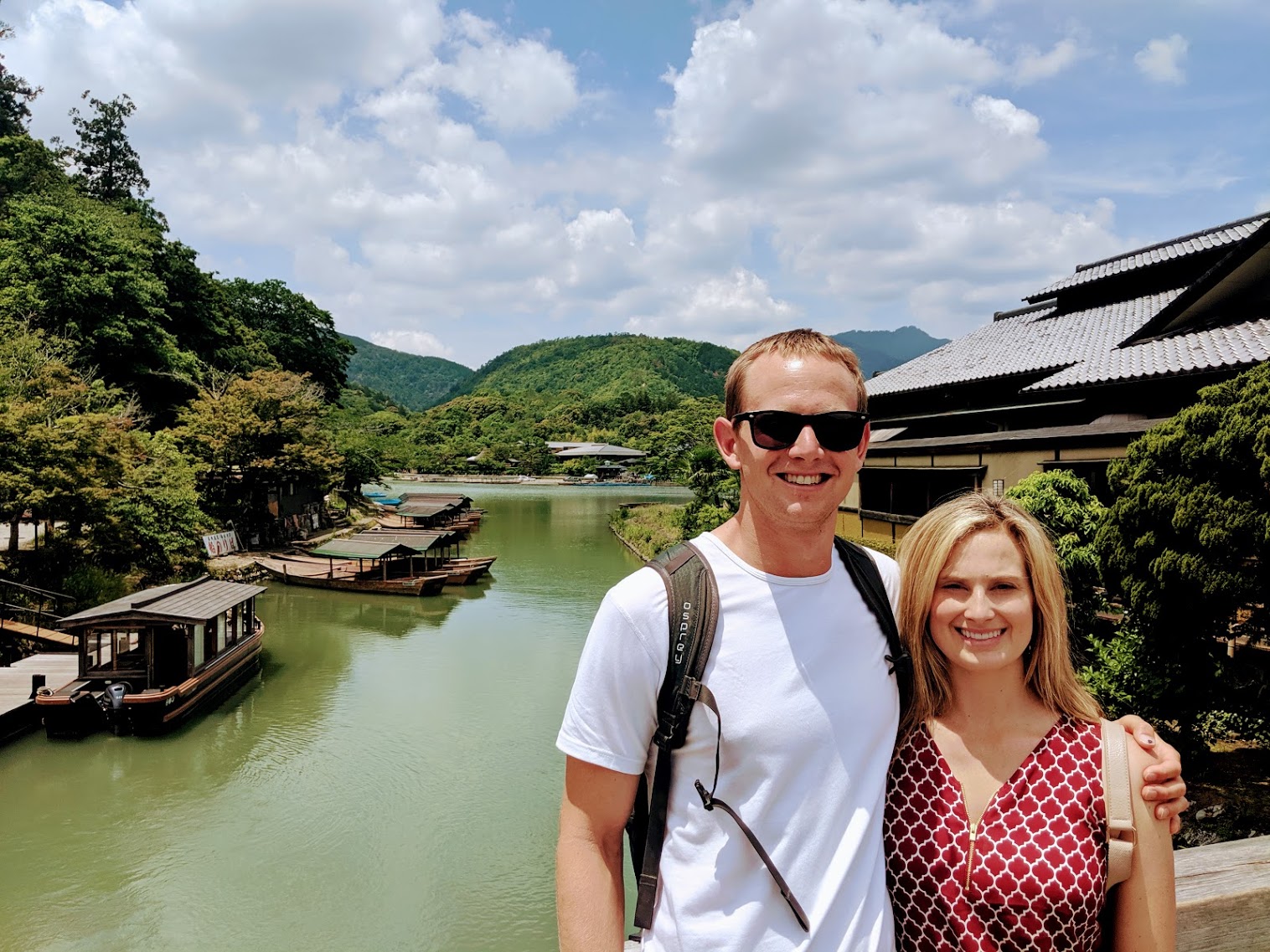
From the Bamboo grove, we walked to the Arashiyama Monkey Park down the shopping street. To get to the monkey park you walk over the Togetsu bridge, which has a gorgeous view of the river and the mountain behind it.
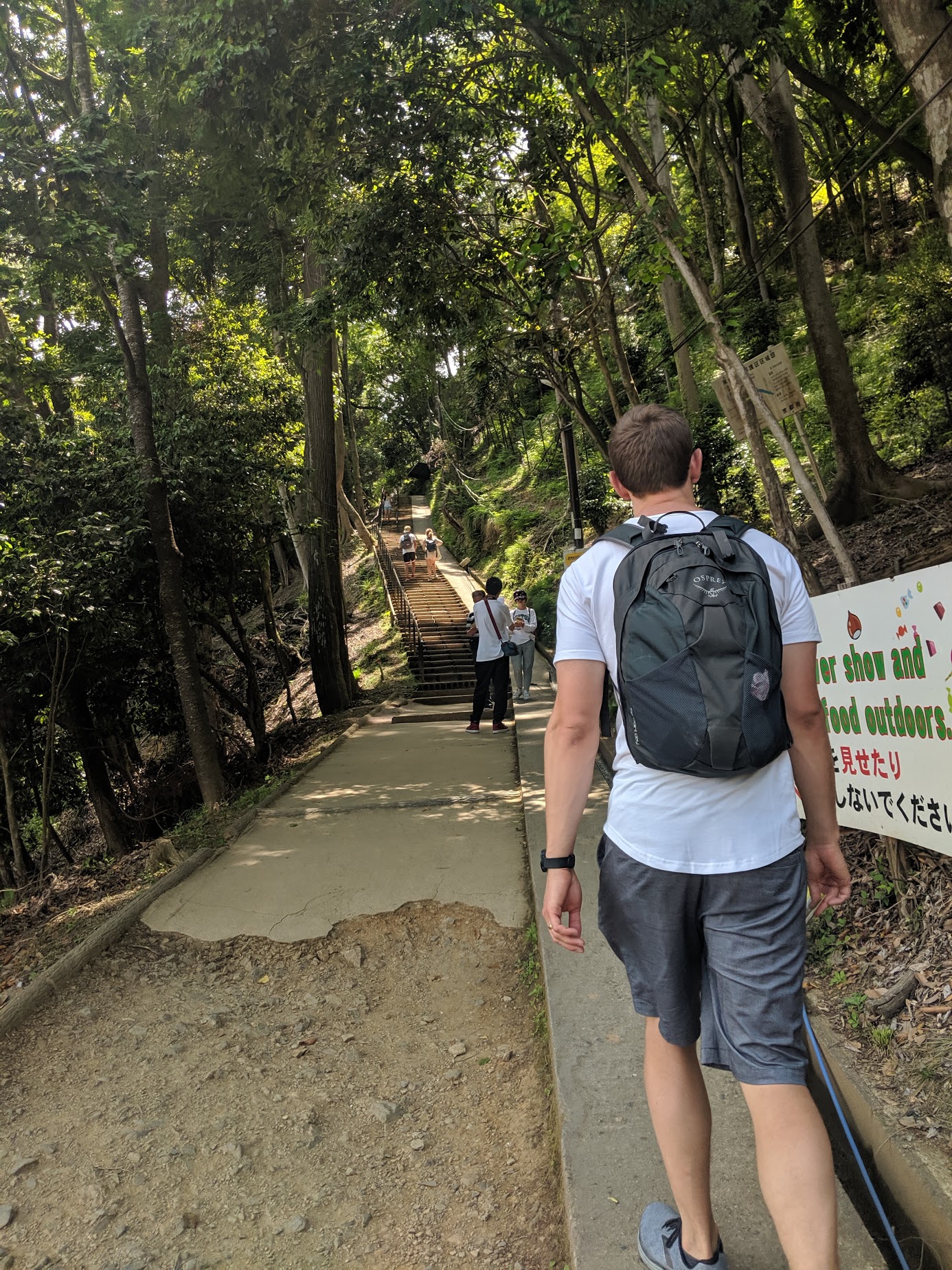
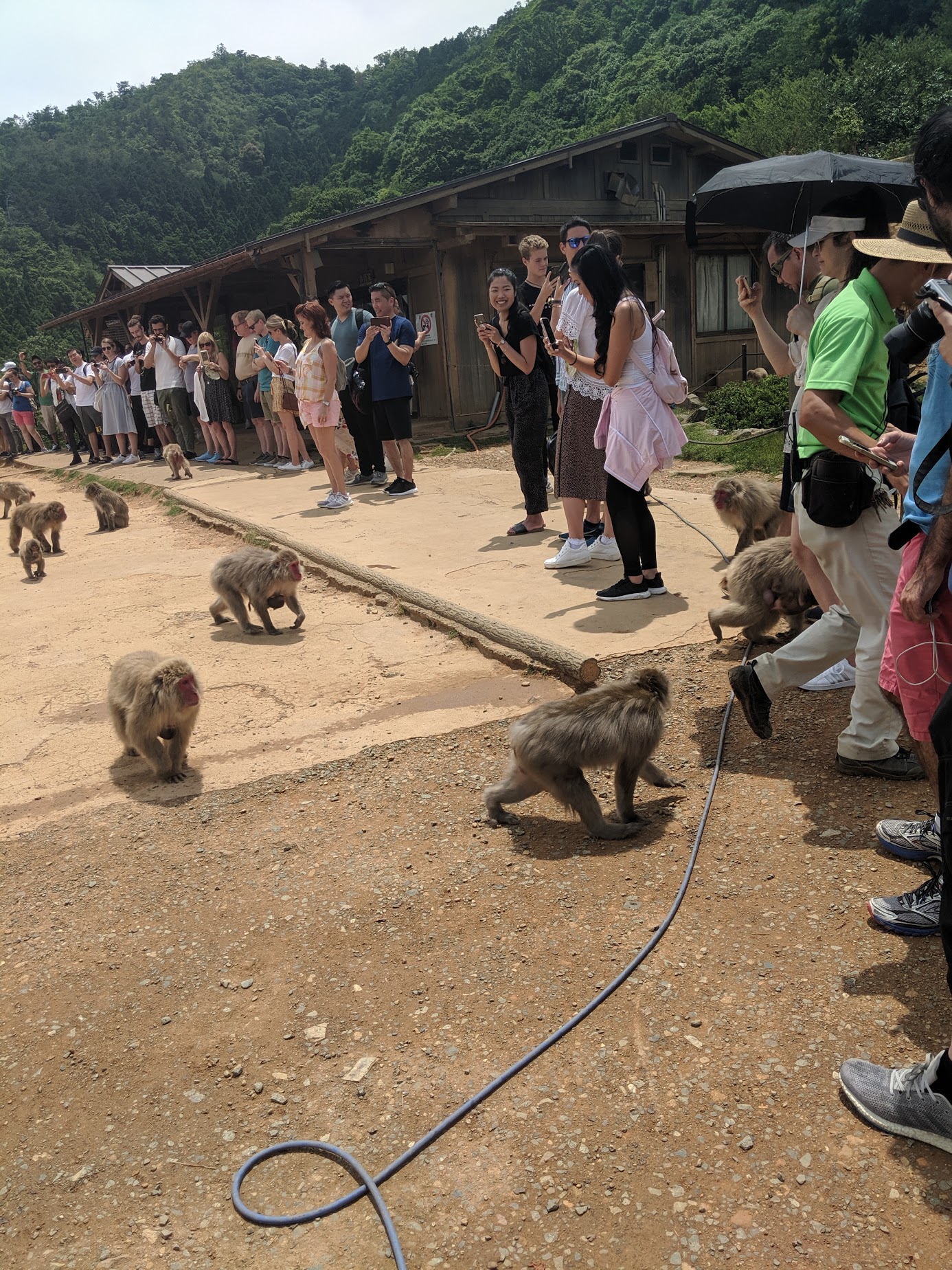
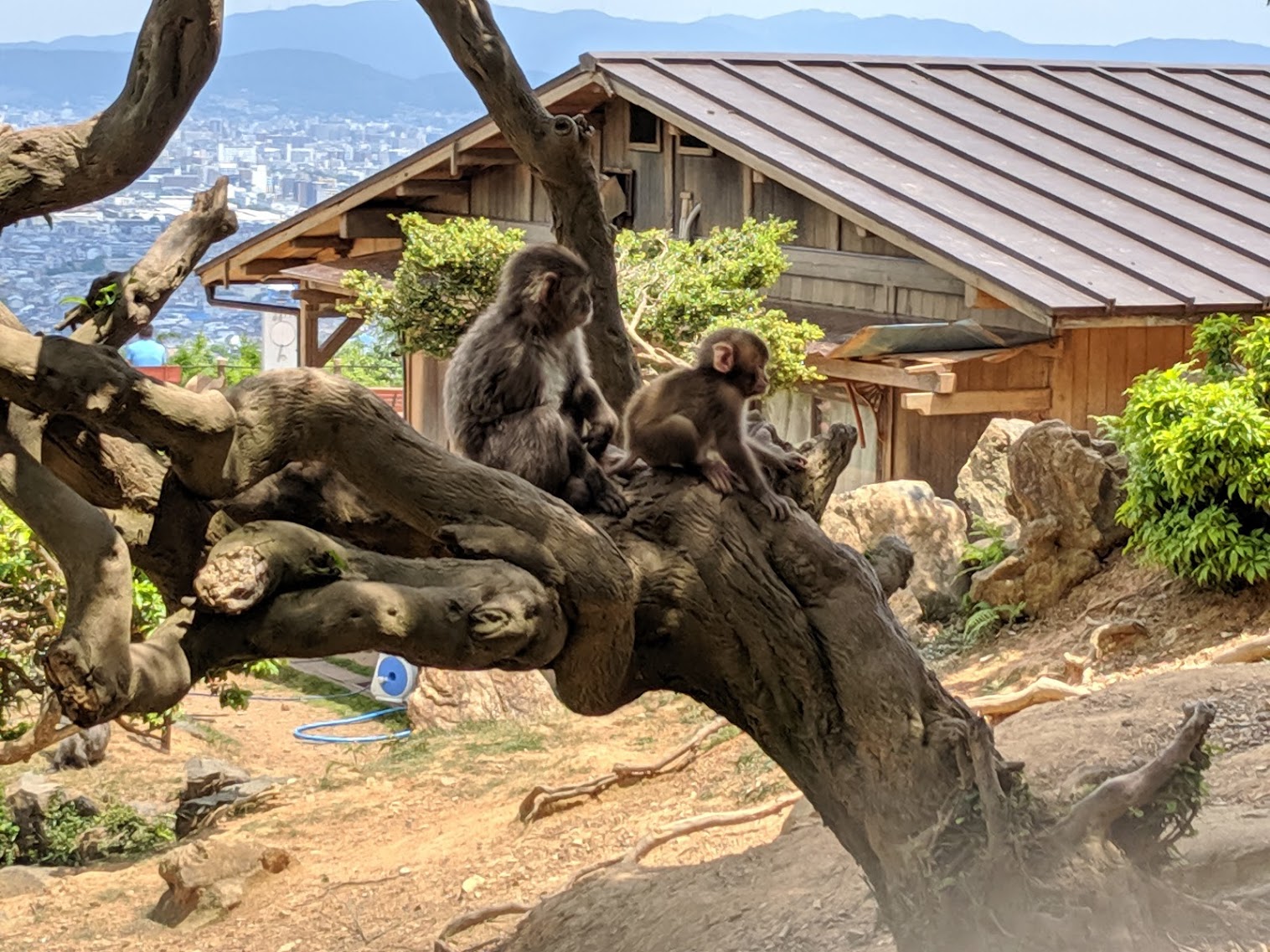
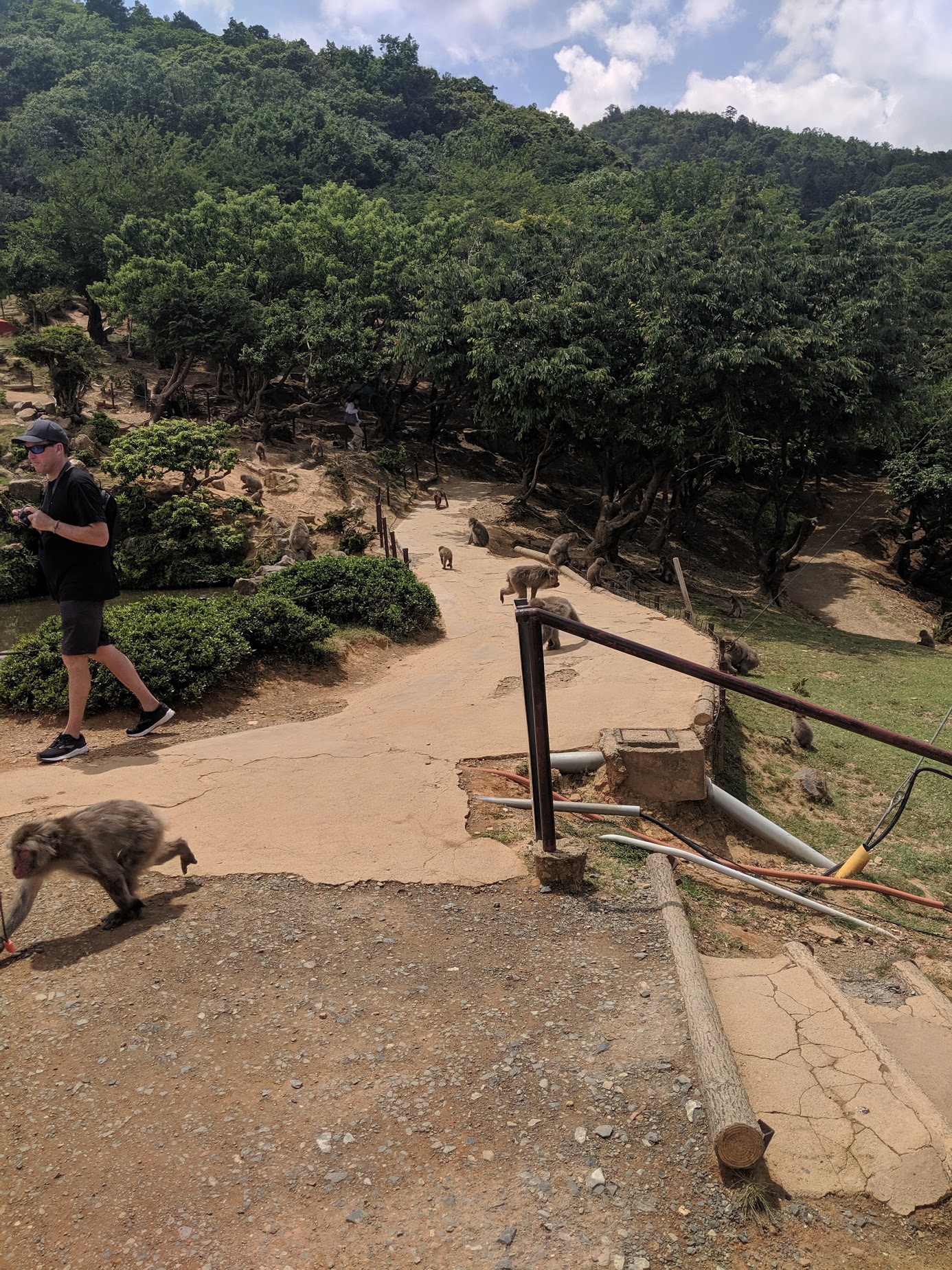
The Arashiyama Monkey Park is 550 yen to enter and to get to the park you climb stairs for about 20-30 minutes. It is a bit strenuous so be prepared. Once at the top there are over 200 monkeys that live in the park and run around free. There is also a gorgeous view over the city from the top. Every couple hours the workers play music and feed the monkeys which is a site to see. We were there at 12:30 and got to see this. The monkeys choose to live here and are not kept in cages but keep coming back for the food. They walk right in front of you but you are not allowed to touch them. I would highly recommend going here since it is a very unique experience.

After the park we trained back to Kyoto and stopped at the Nishiki Market on the way home for some souvenirs.

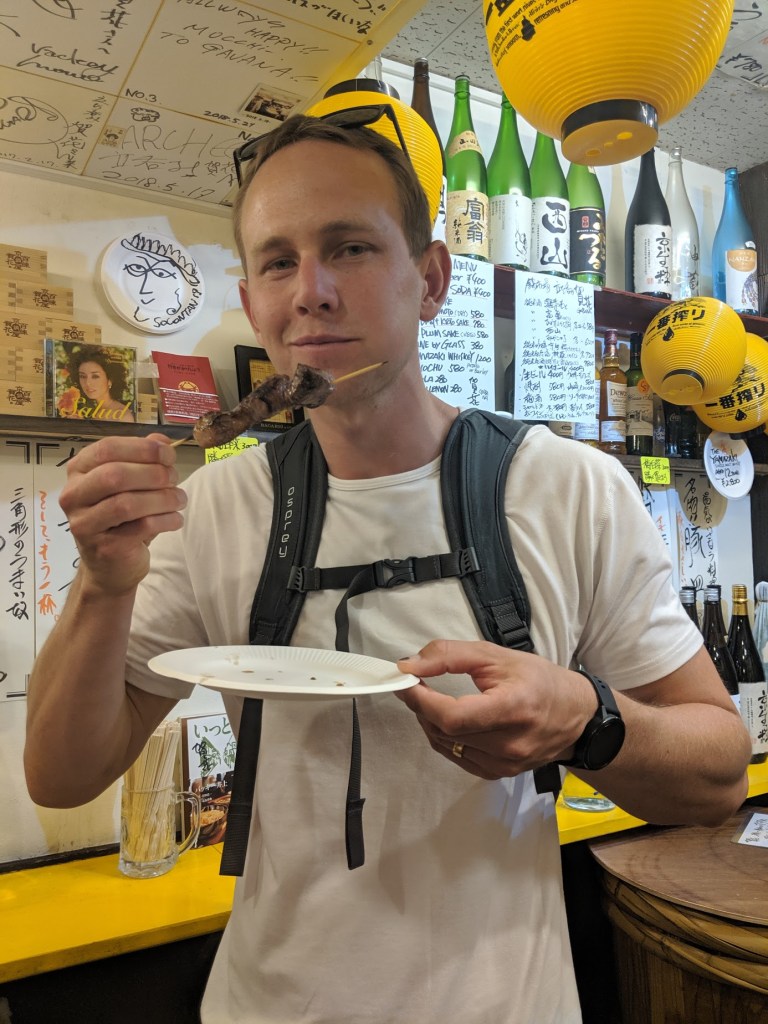
Wagu Beef from Nishiki
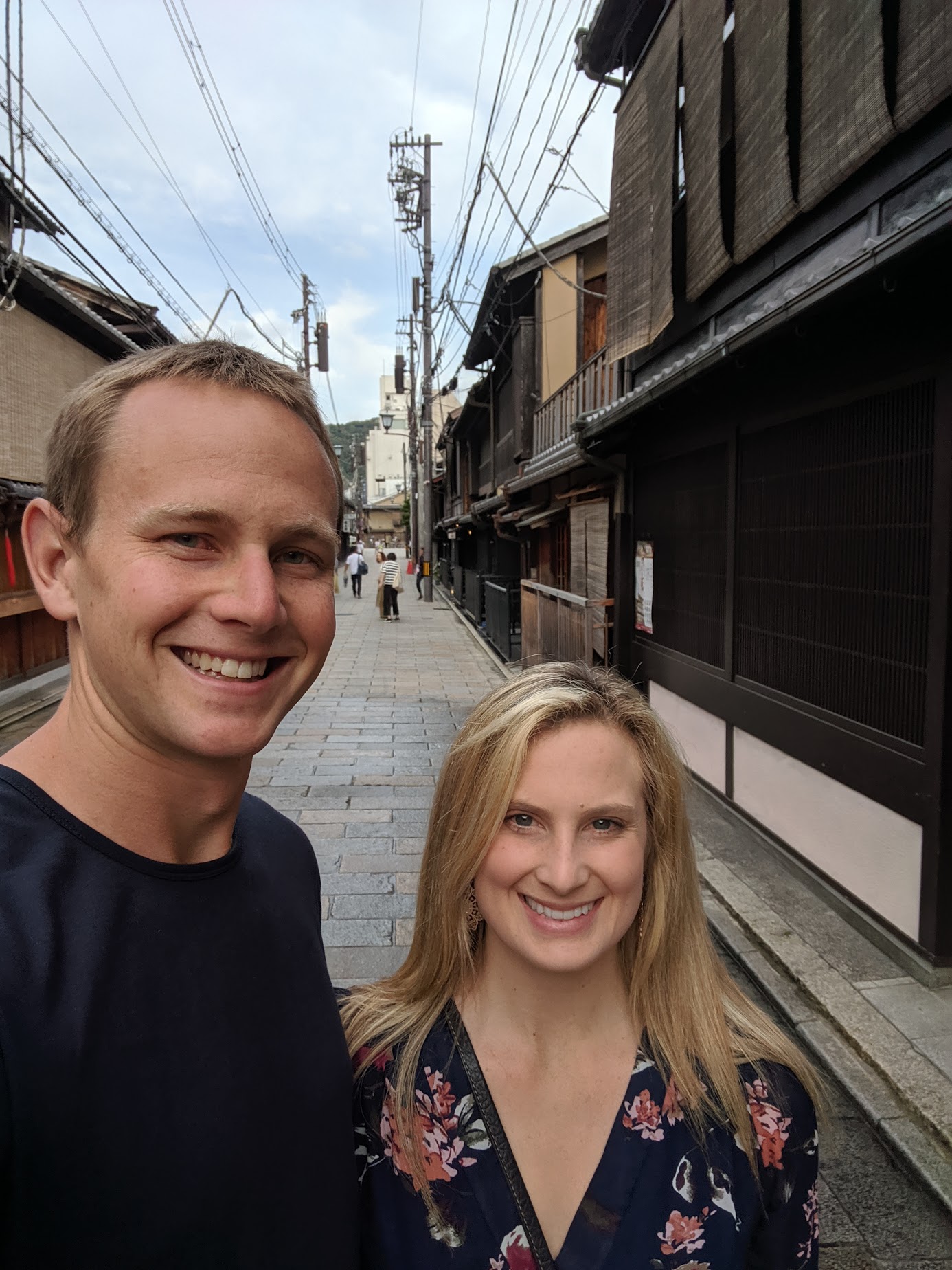
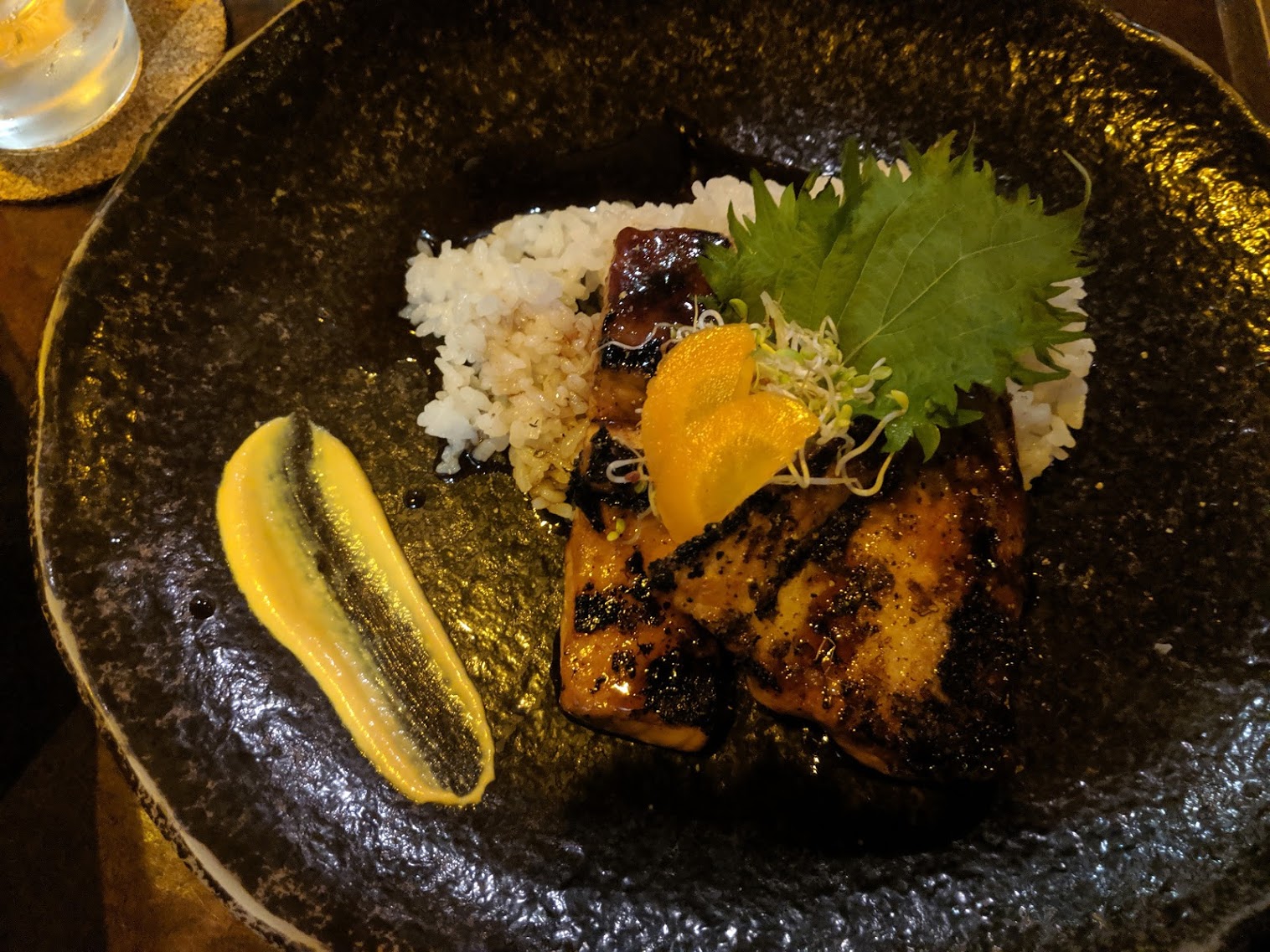
After freshening up at the hotel we went to dinner at Sugarhill Kyoto, fusion restaurant. This was honestly one of my favorite restaurants we went to in Kyoto. The atmosphere was very cool and cozy and the employees were extremely nice. We split a salad and both got teriyaki salmon which was absolutely delicious. I would highly recommend going here for dinner.
We finished the night by splitting some fluffy pancakes at A Happy Pancake. We got there at 7:30 pm and they close at 8:30, but they started turning people away at 7:45 pm. If you go make sure you get there an hour before closing. There were not many people there but in the mornings the wait can be about 1 ½ hours and you have to make a reservation. I would recommend this for dessert and I don’t know if the wait is worth it for breakfast.
Day 9 June 5
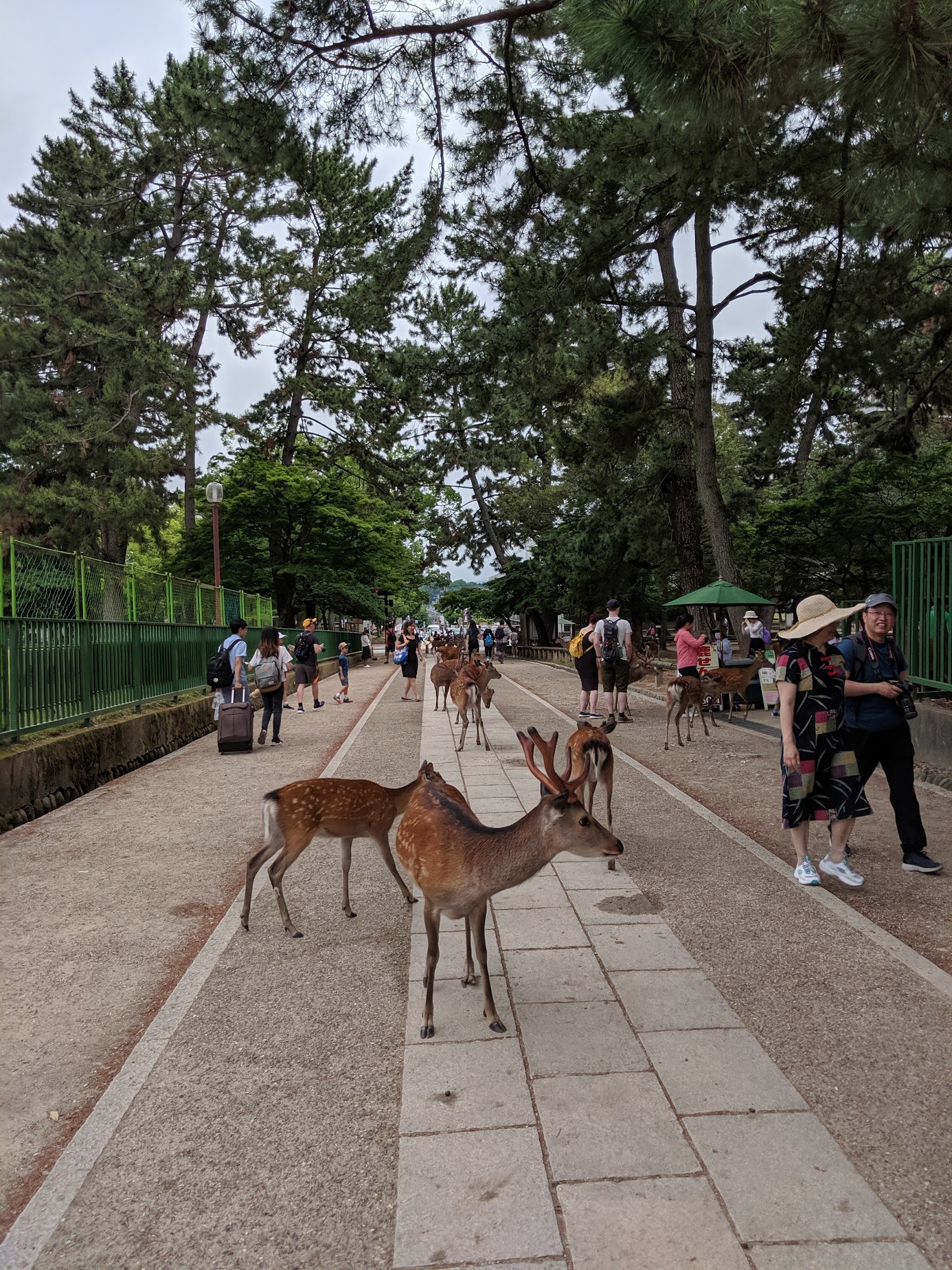
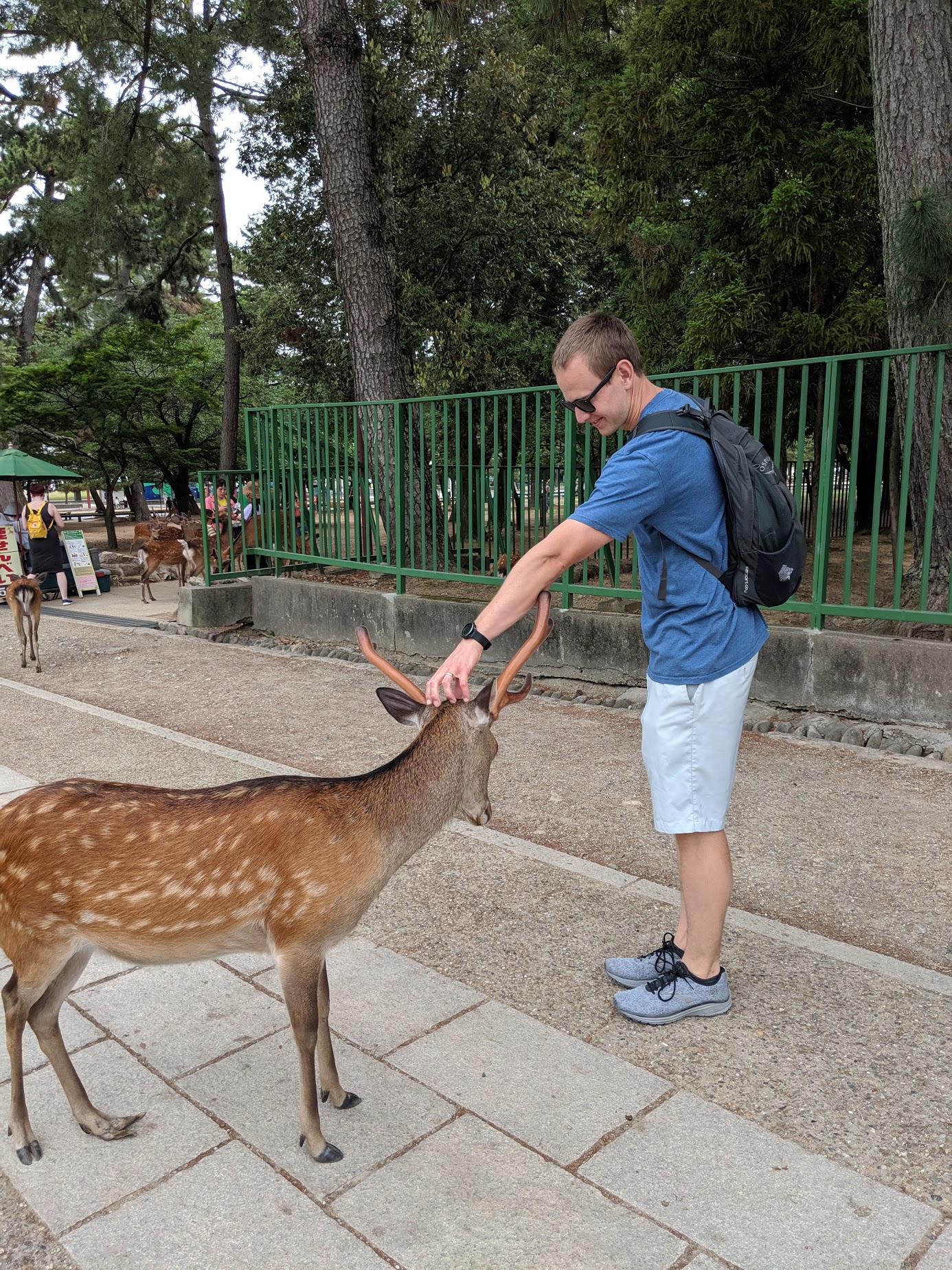
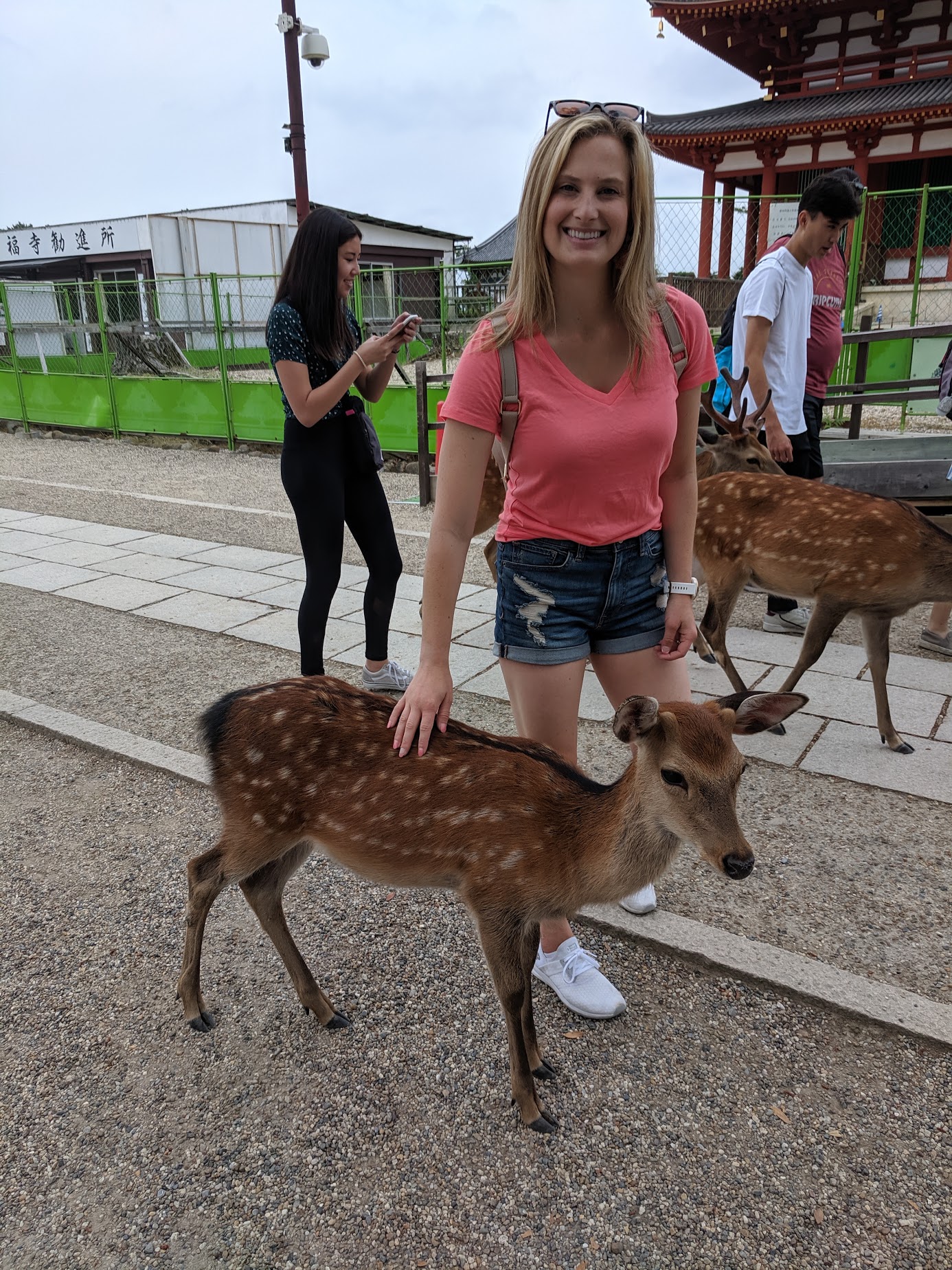
The next day we did a day trip to both Nara and Osaka. We first went to Nara, which was a little more than an hour of a train ride from Kyoto. Nara was Japan’s first permanent capital of japan from 710-794 AD so it holds great historical significance. Nara is also home to over 1,000 roaming sacred deer. The deer wander the streets and have grown accustomed to being fed by tourists. The deer are considered sacred and it used to be punishable by death if you killed one. Today the deer are generally peaceful but they invade your personal space and may nudge you trying to get food. They are extremely used to humans and walk right up to you.
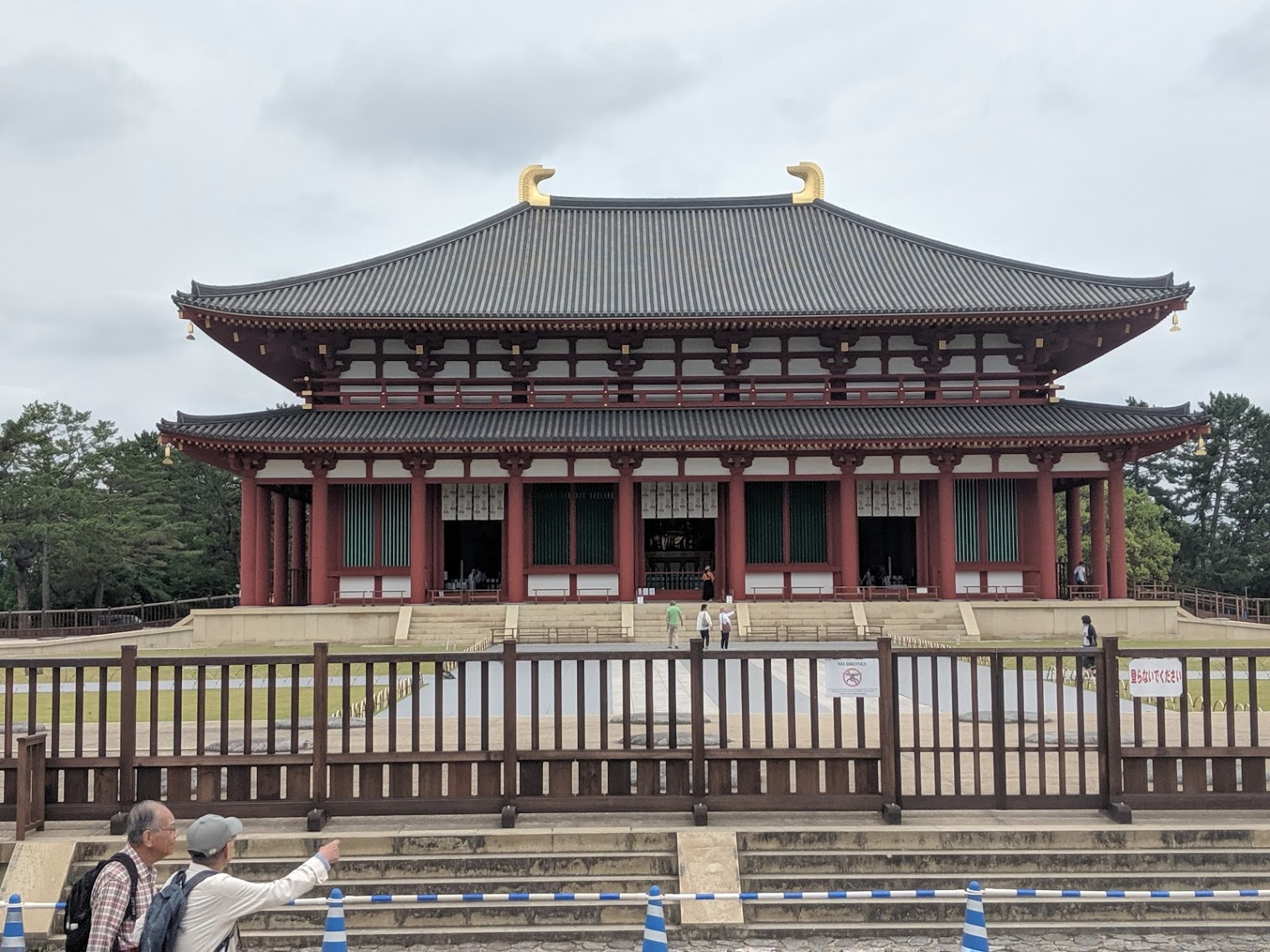
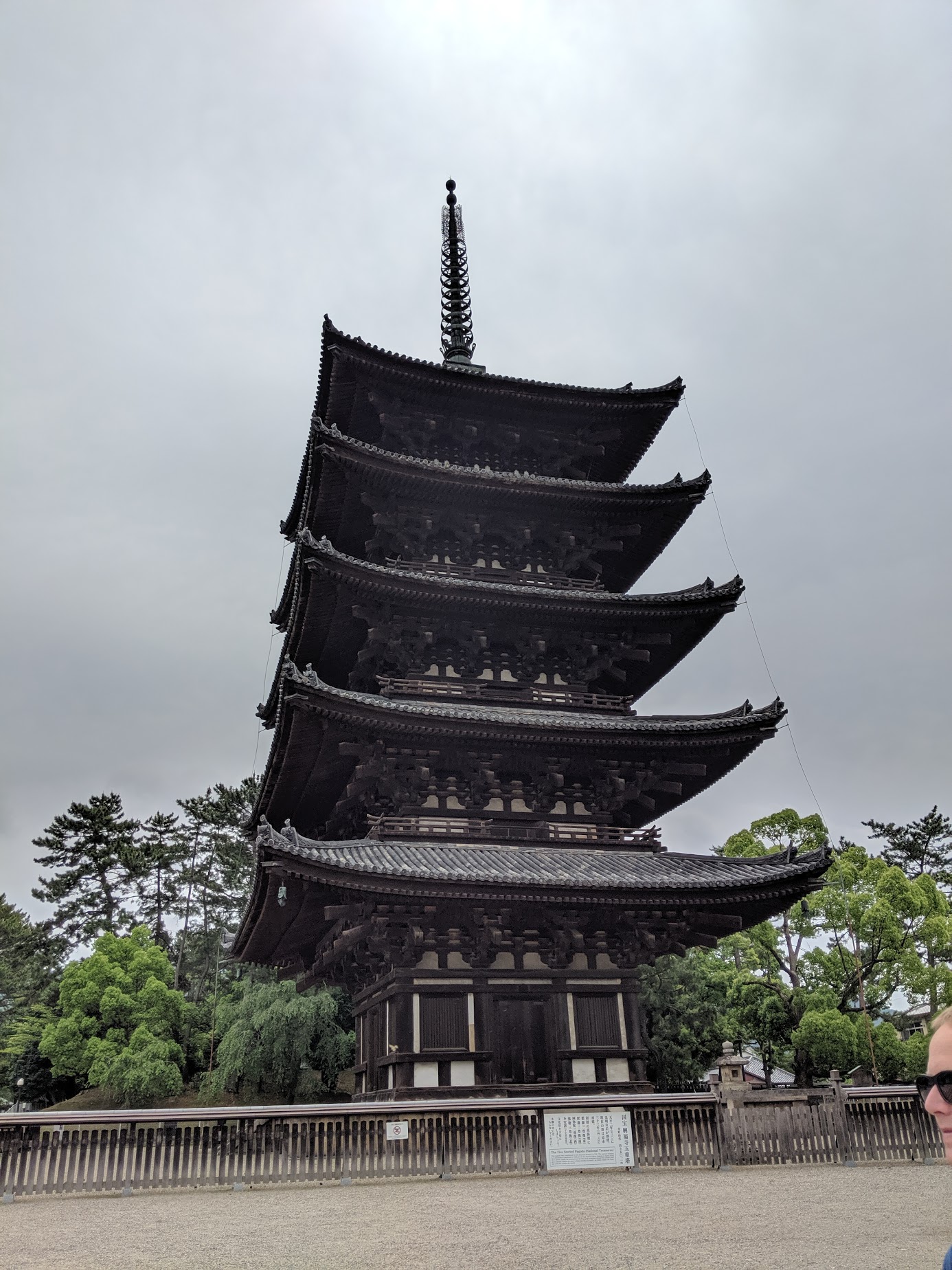
Nara is also known for the Kofuku-ji Temple, founded in 669 by Emperor Tenji when Kagami-no-Okimi, the wife of Fujiwara-no-Kamatari, prayed for her husband’s recovery from illness. The temple was burnt down several times through the years but it was reconstructed for the most part. Next to the temple is a 5 story pagoda, Japan’s second tallest.
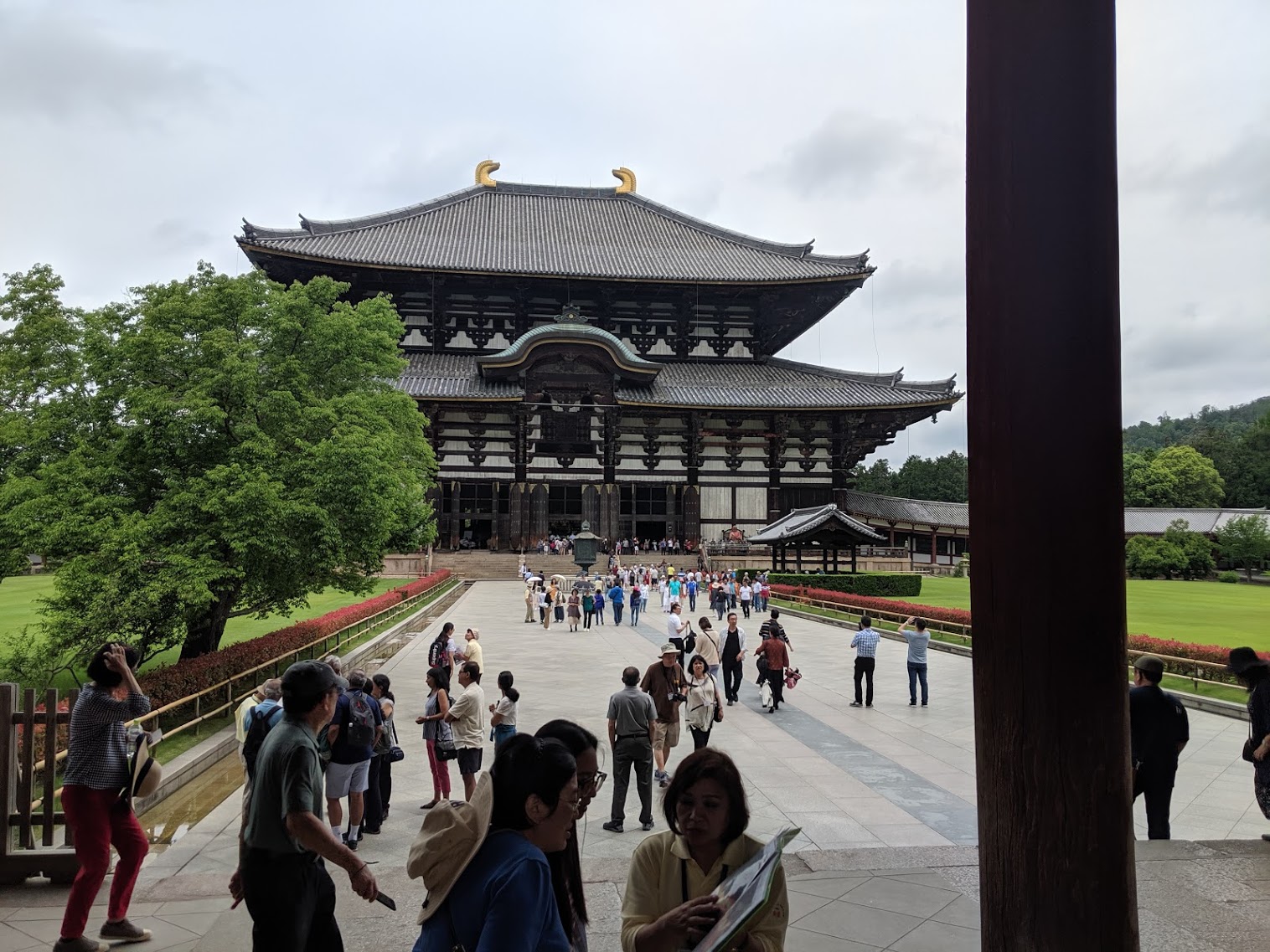
We walked through Nara Park and got a good feel of the city and then decided to head to Osaka. Nara was interesting, but if you are short on time in Kyoto I wouldn’t go completely out of my way to visit.
We took the train to Osaka, about 40 minutes, and walked down Dotonbori street which is the lively entertainment area and has gaudy neon lights and flashy 3D signs everywhere. It was very crowded and hot so we didn’t have the best impression of this area. Osaka is a port city known for it modem architecture, nightlife and hearty street food.
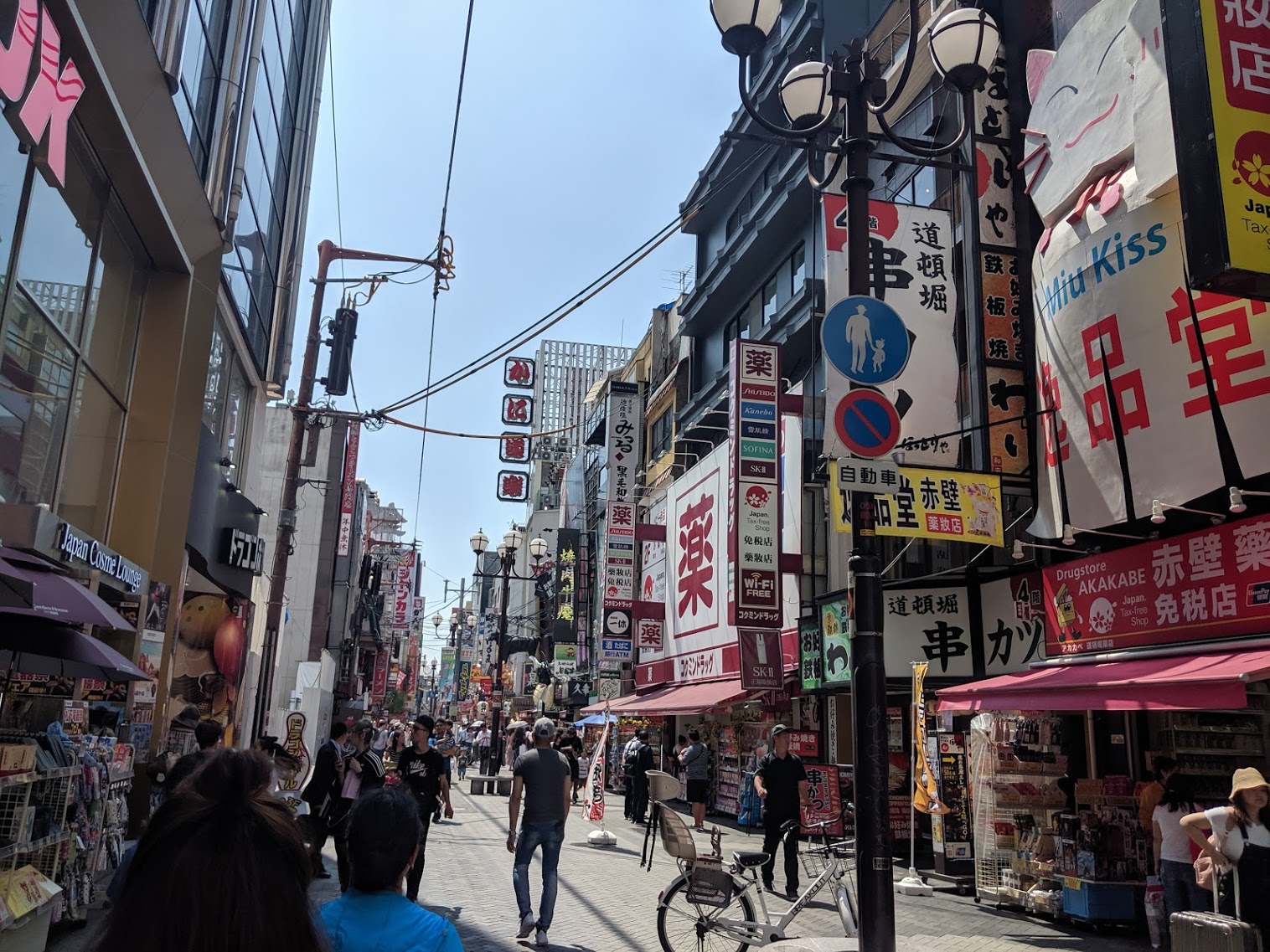
After Dontonbori street we took the train to Osaka Castle, which was nice since it was not as crowded and had a beautiful large park. The free park around the castle is great and definitely worth a visit. We didn’t go into the castle since reviews said it’s not necessary. Overall I would not make Osaka my top priority. We only spent a very short amount of time there and didn’t have the best experience. It seems to be known for the food and nightlife.
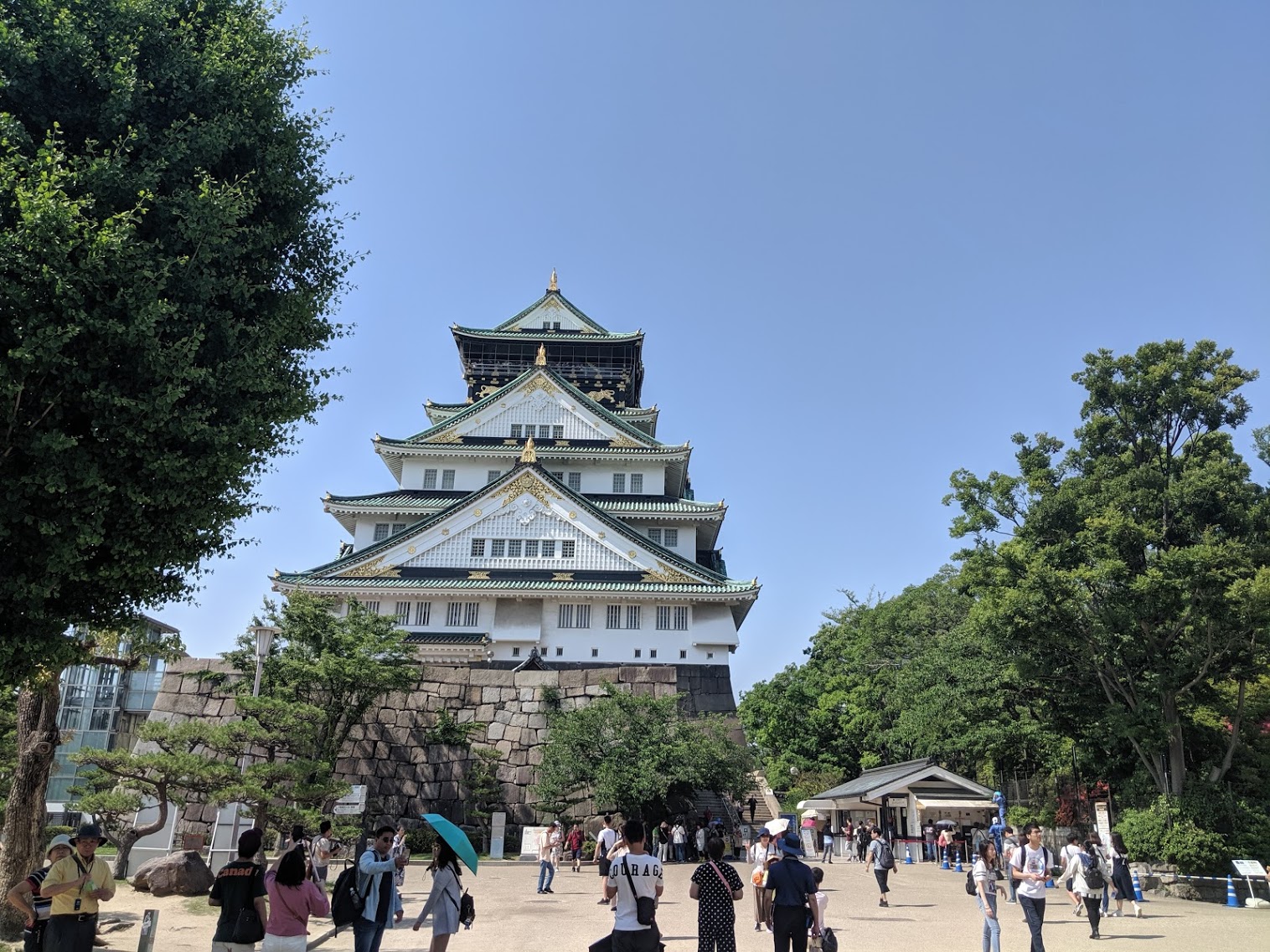
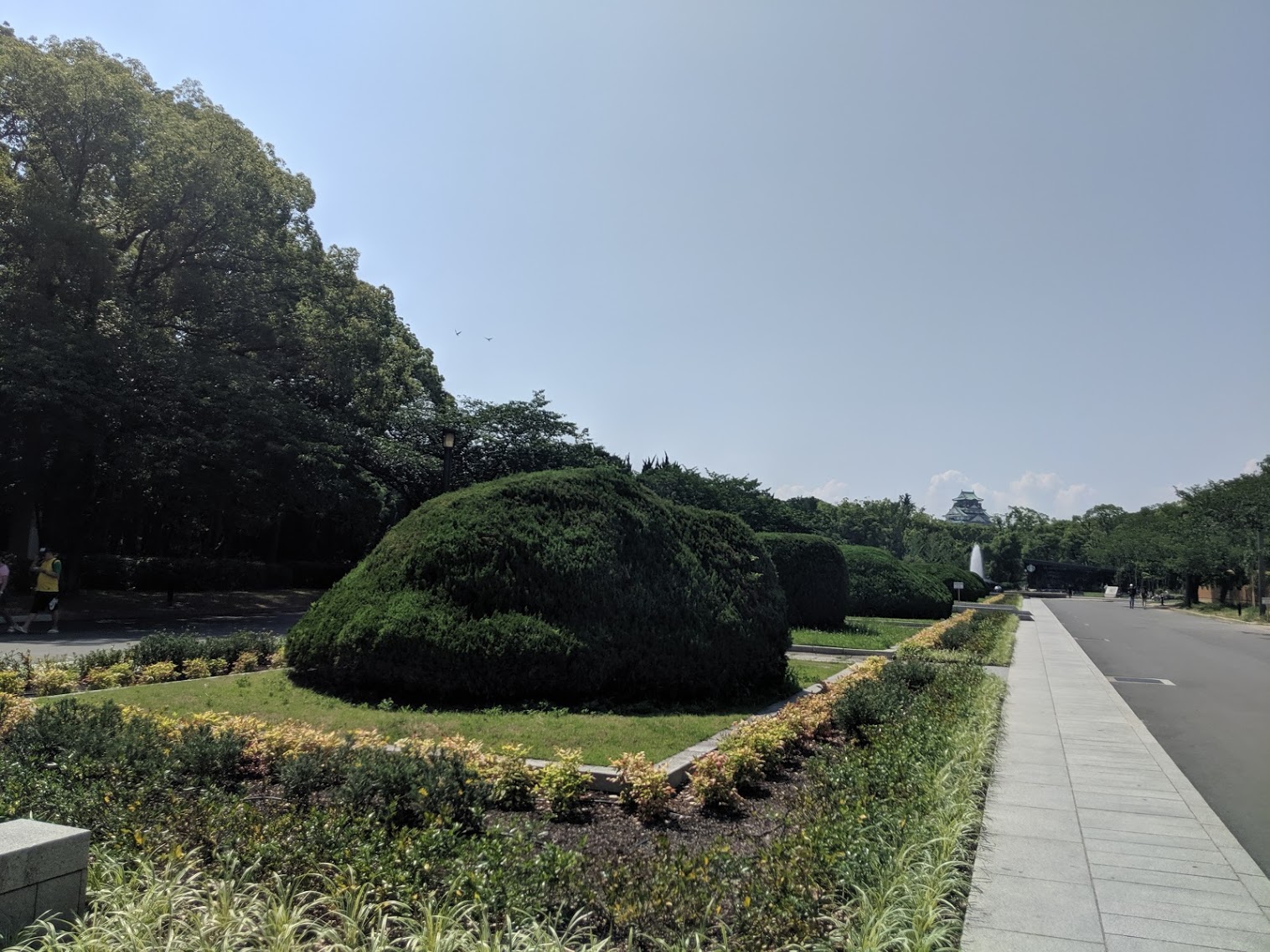
After Osaka, we trained back to Kyoto and stopped by our hotel before dinner. On our way to dinner we stopped at Jam Sake Bar. You can order a flight of three sake for 1000 yen. We didn’t know much about sake so we did the flight to get a few tastes.
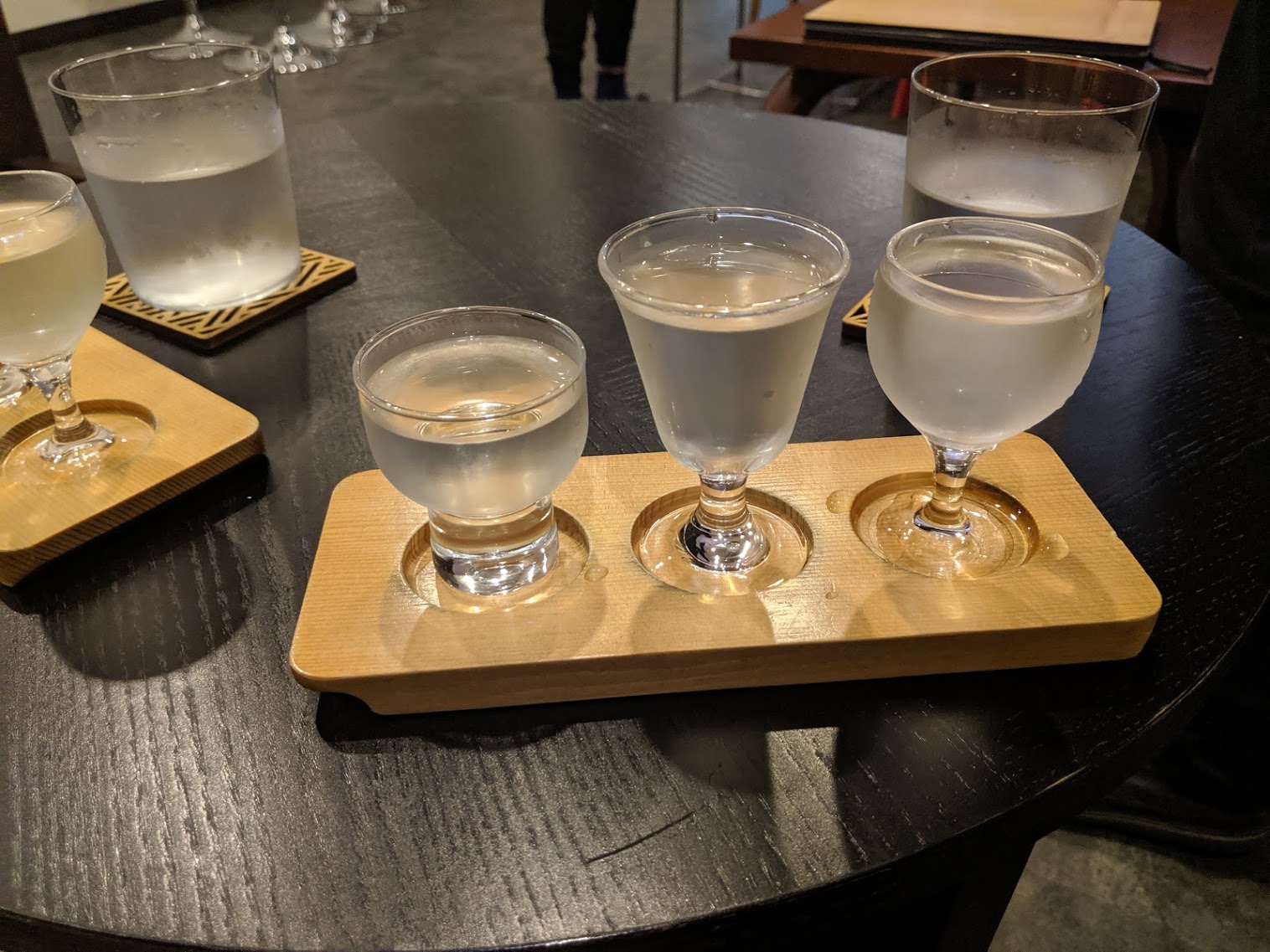
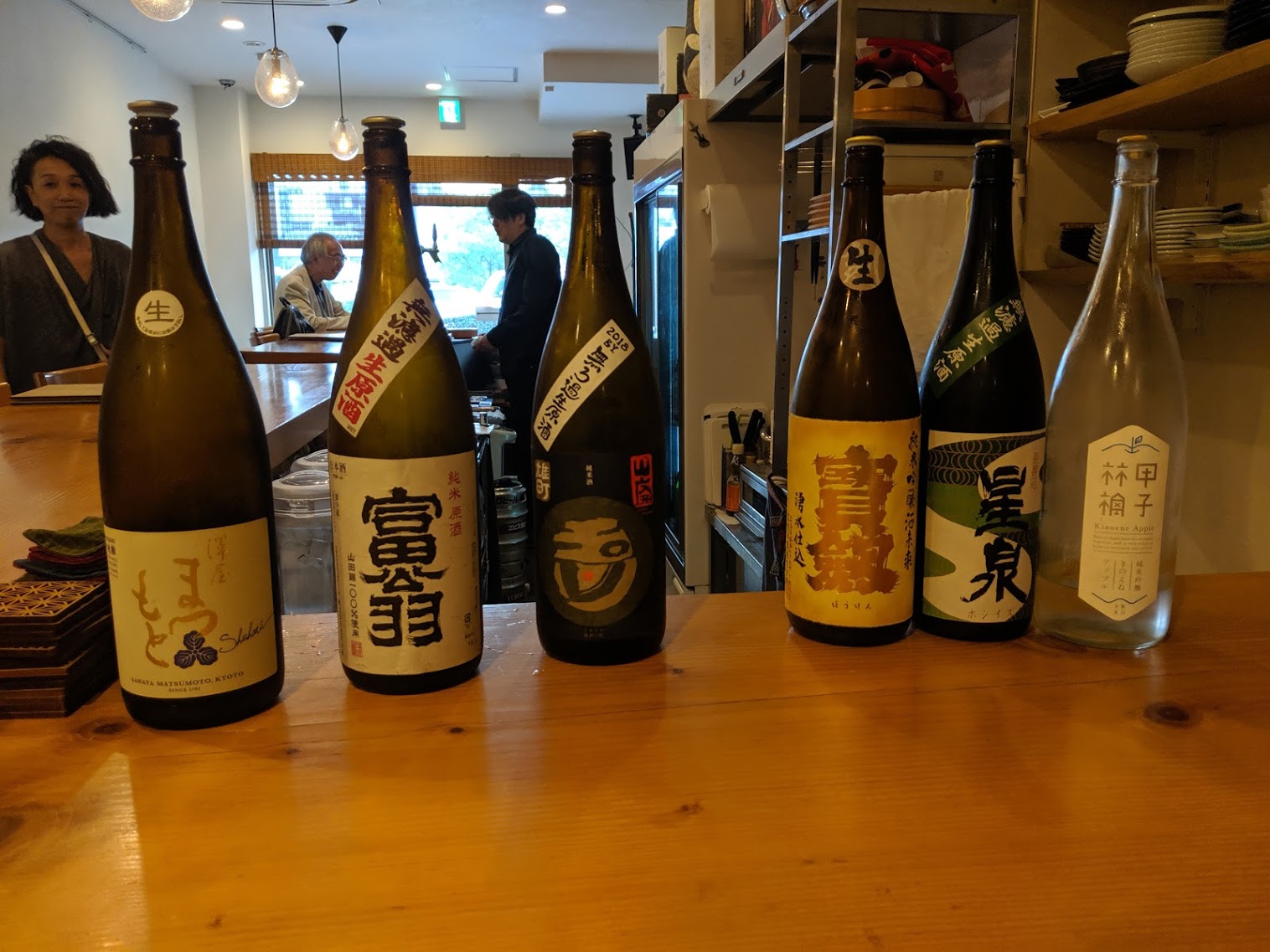
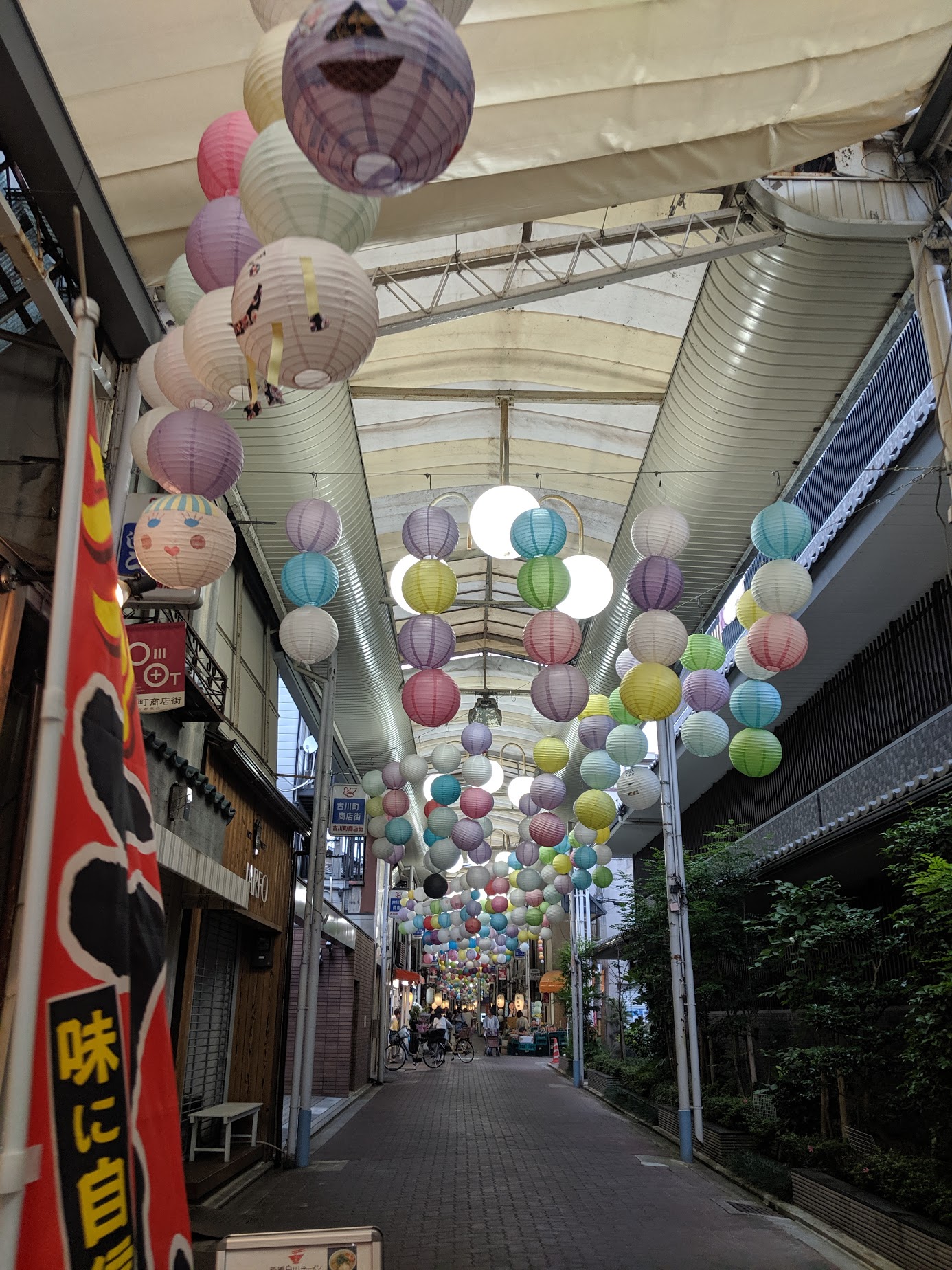
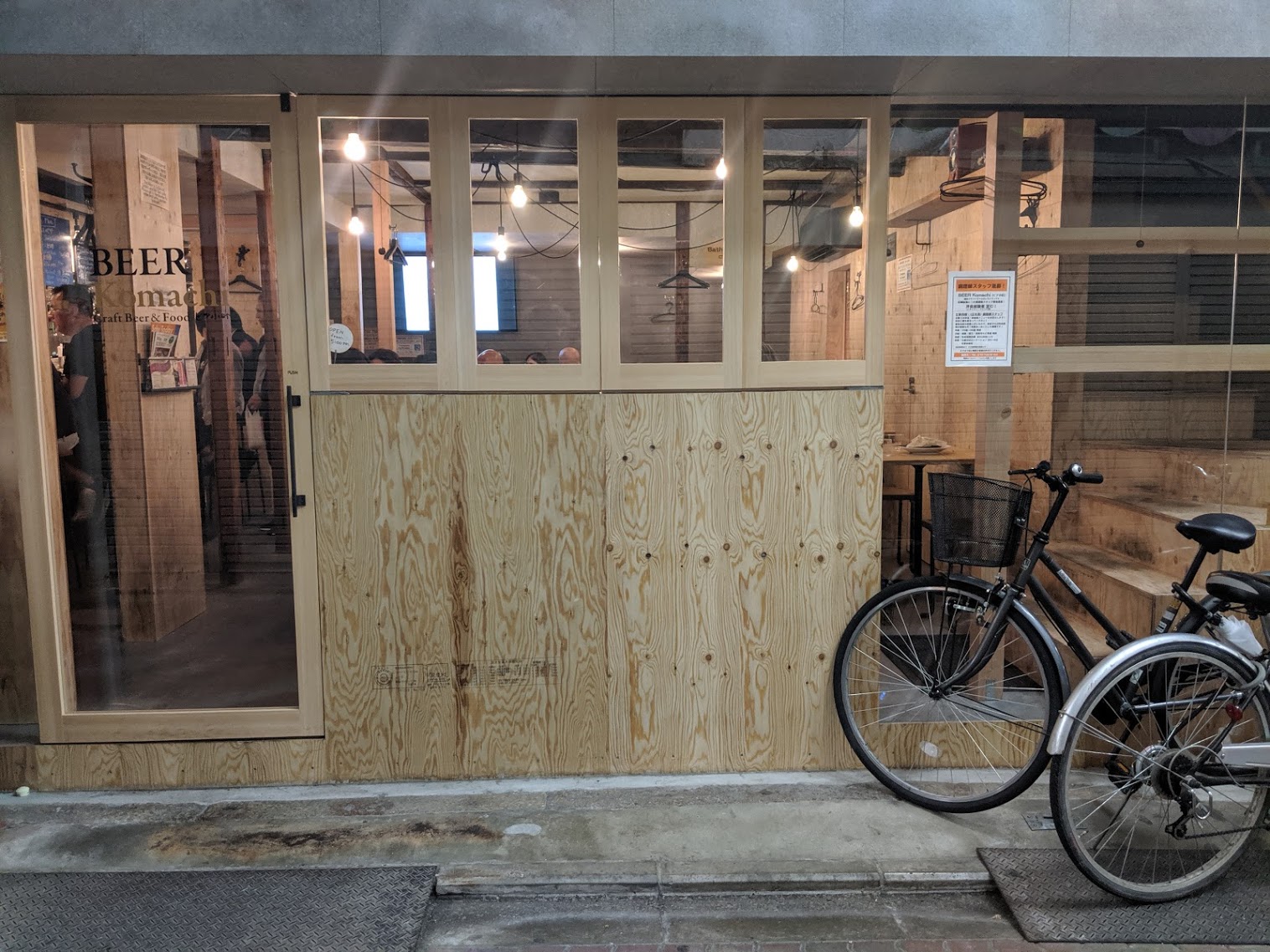
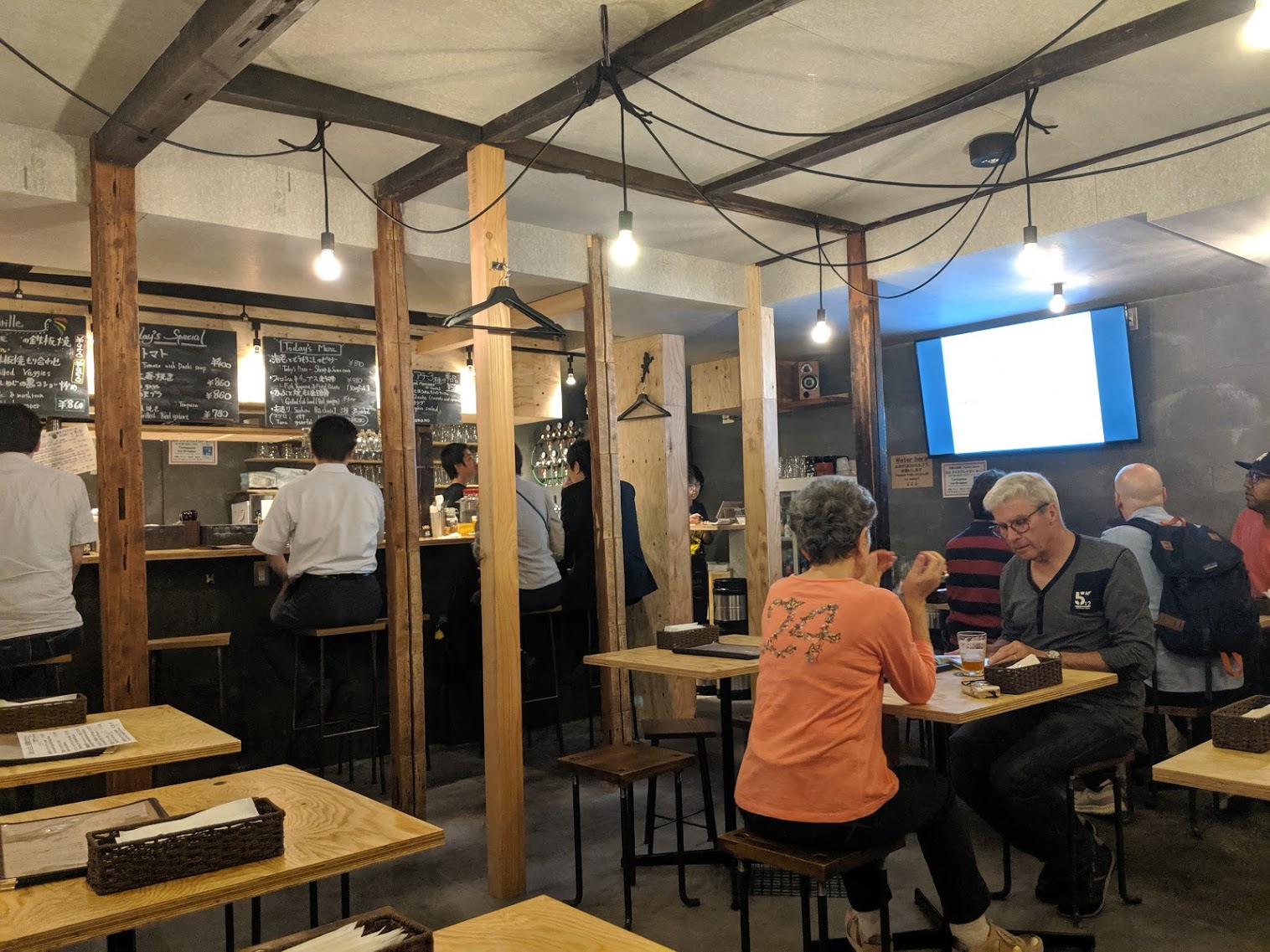
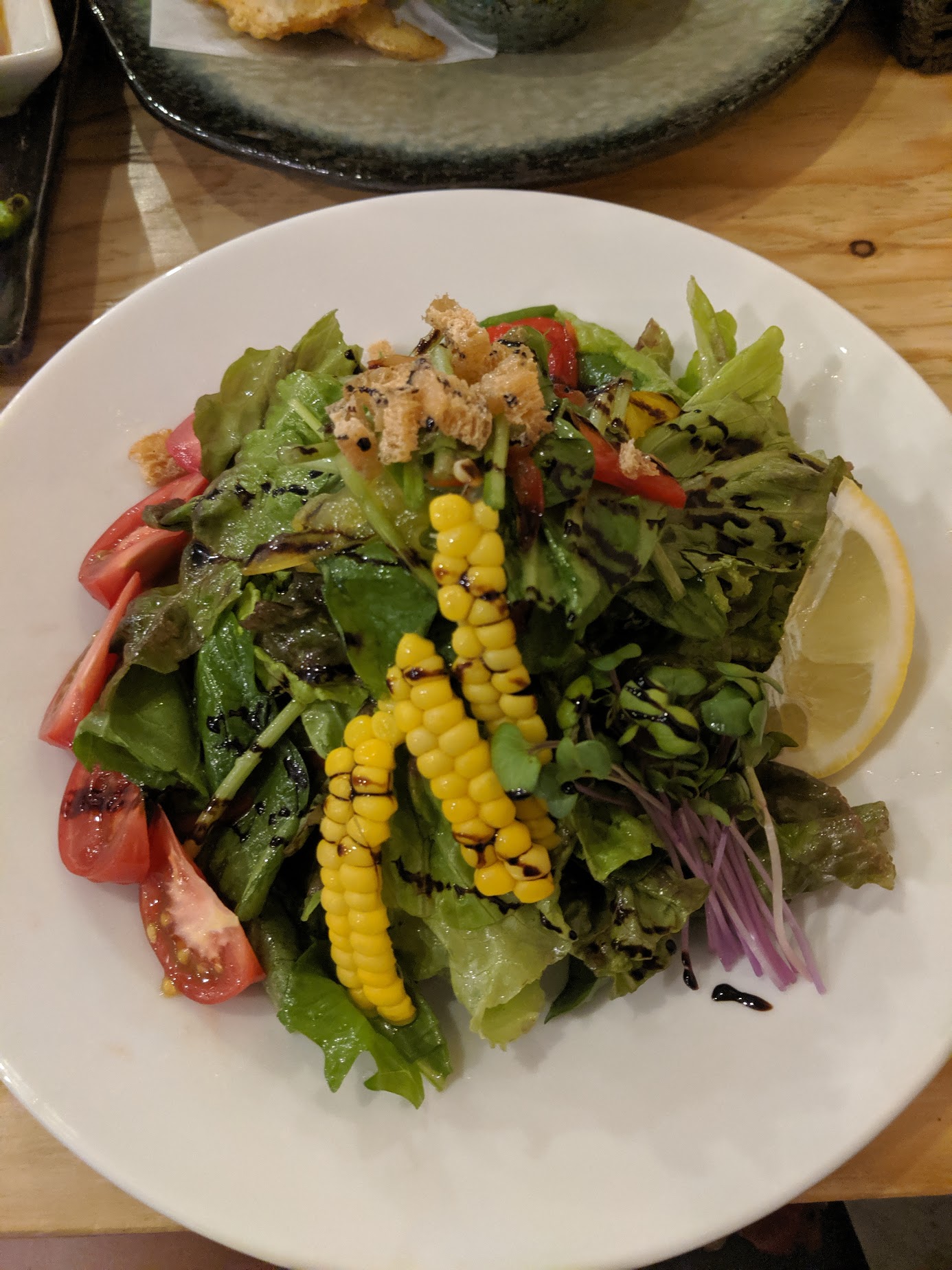
After testing some sake we went to dinner at Beer Komachi which is located on a market street and is relatively small. The beer is great and they have a good selection of food, including fresh local Japanese fusion food. I would highly recommend this place for dinner or drinks.
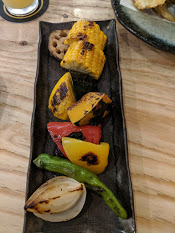
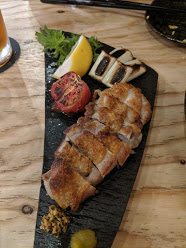
Hiroshima
Hiroshima Day 10 June 6
We woke up early the next day to catch the train at 8:20 am to Hiroshima. We arrived to Hiroshima around 10:30 am and walked to our hotel, Candeo Hotels. Hiroshima is a huge city and is very different than what I imagined. I am not exactly sure what I imagined but I did not expect tall buildings and hotels everywhere.
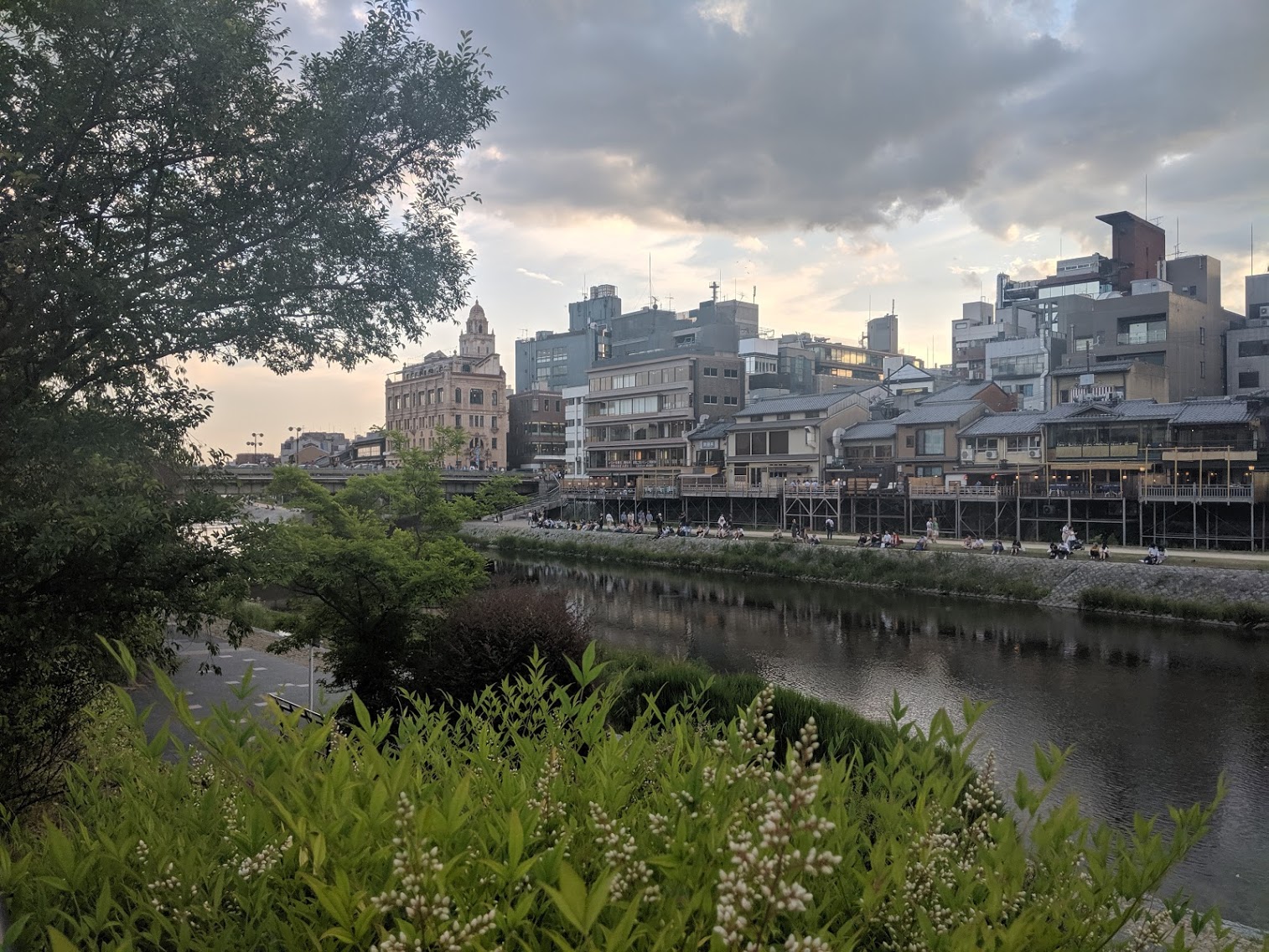
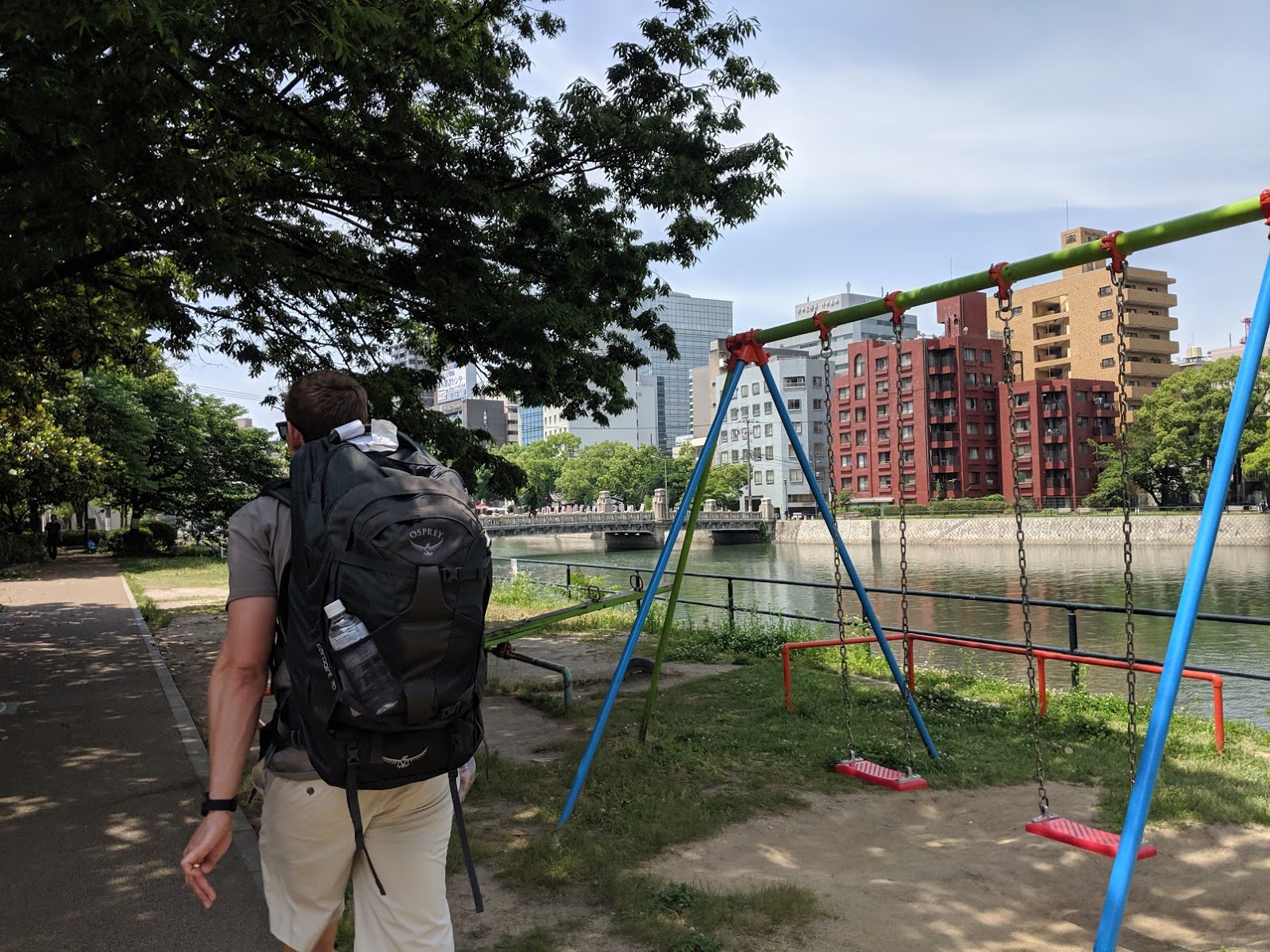
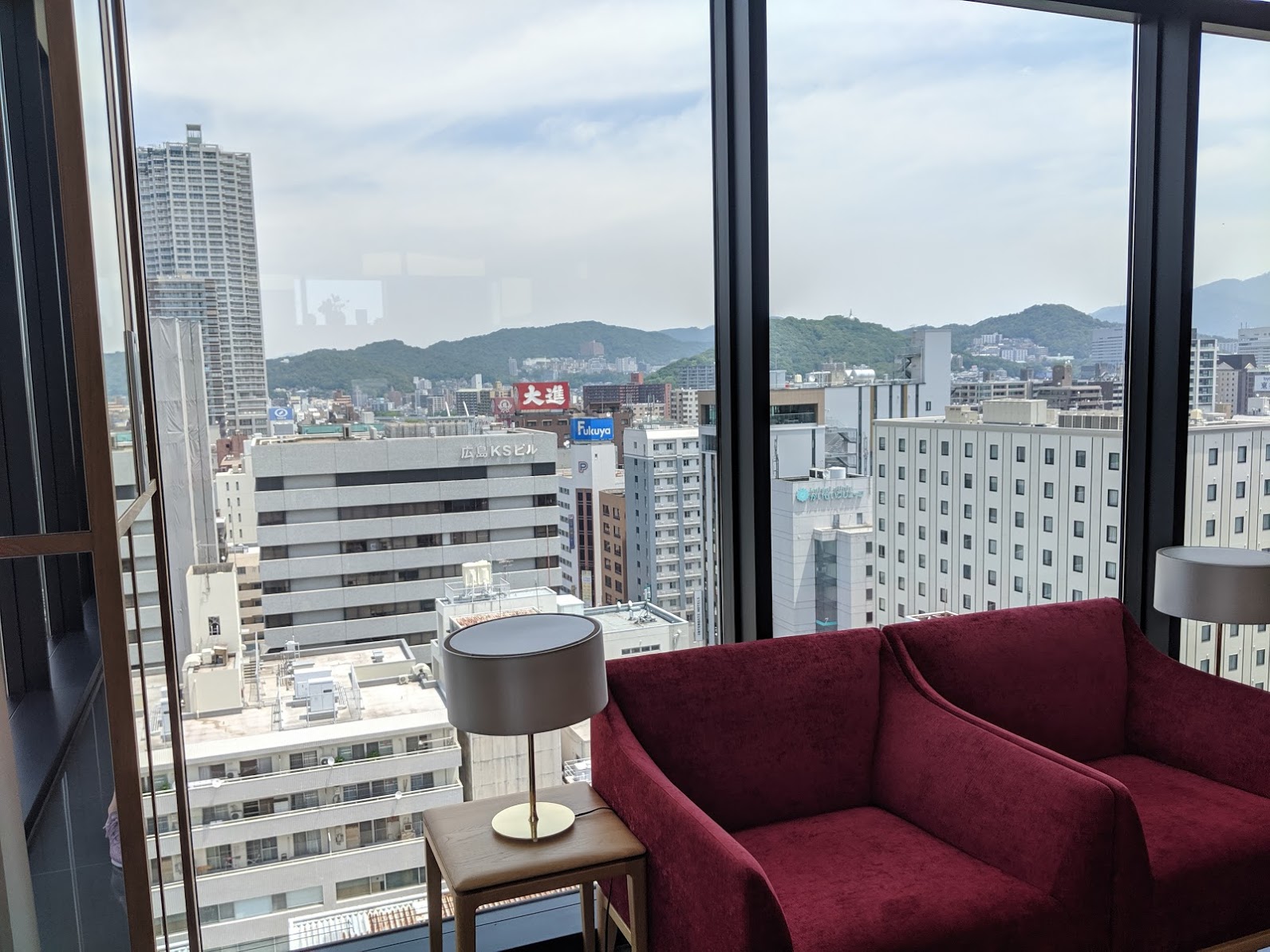
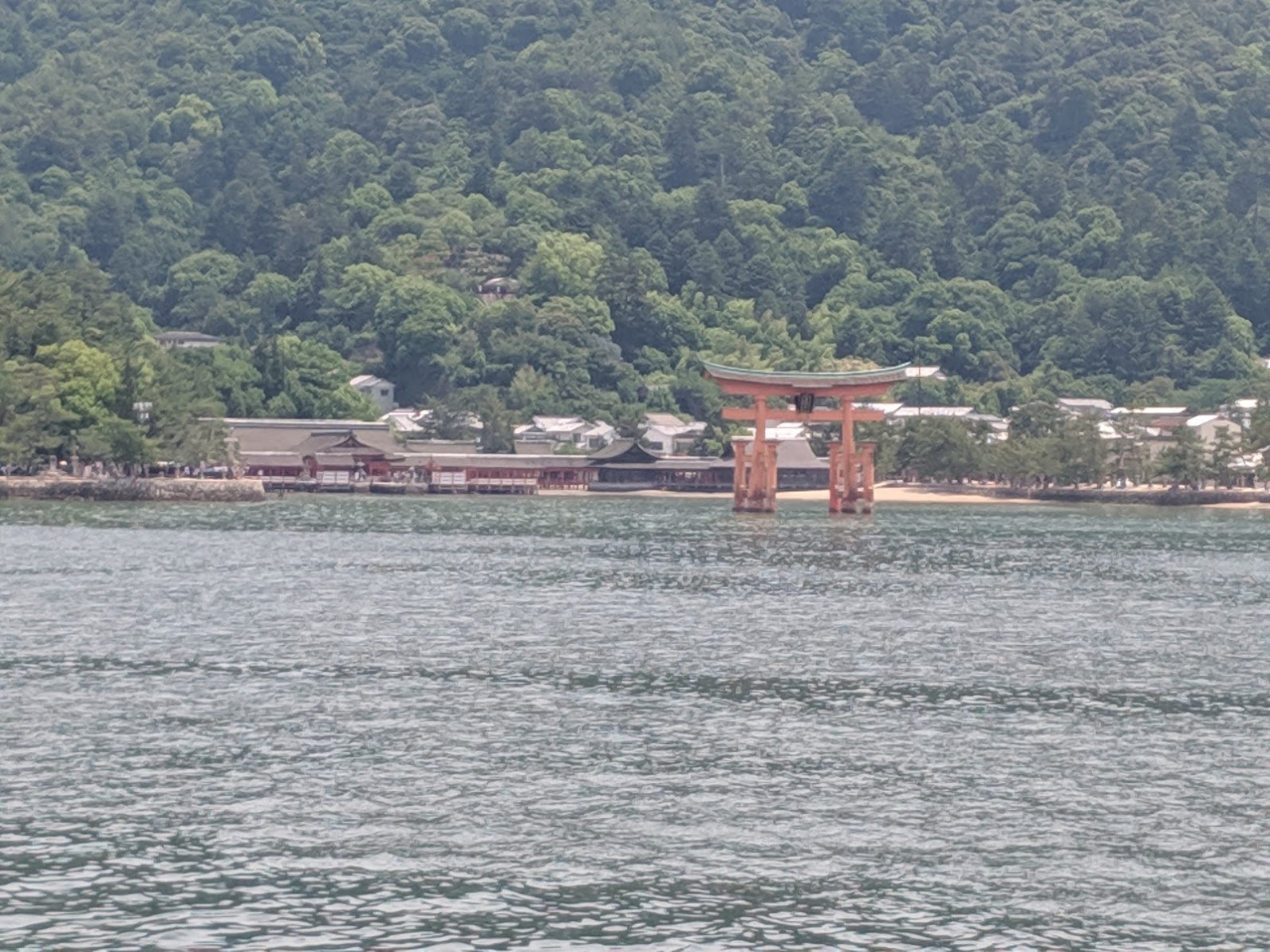
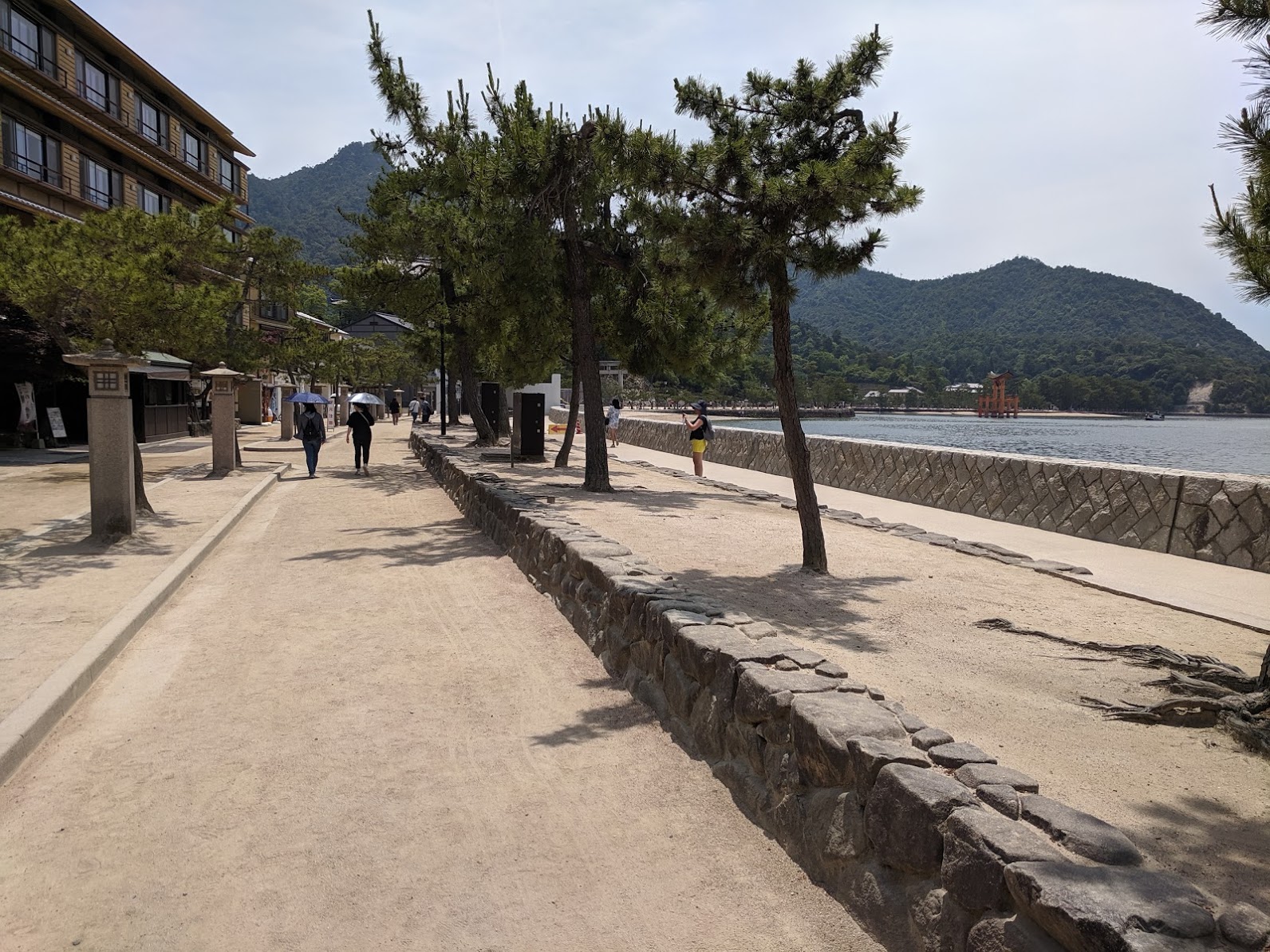
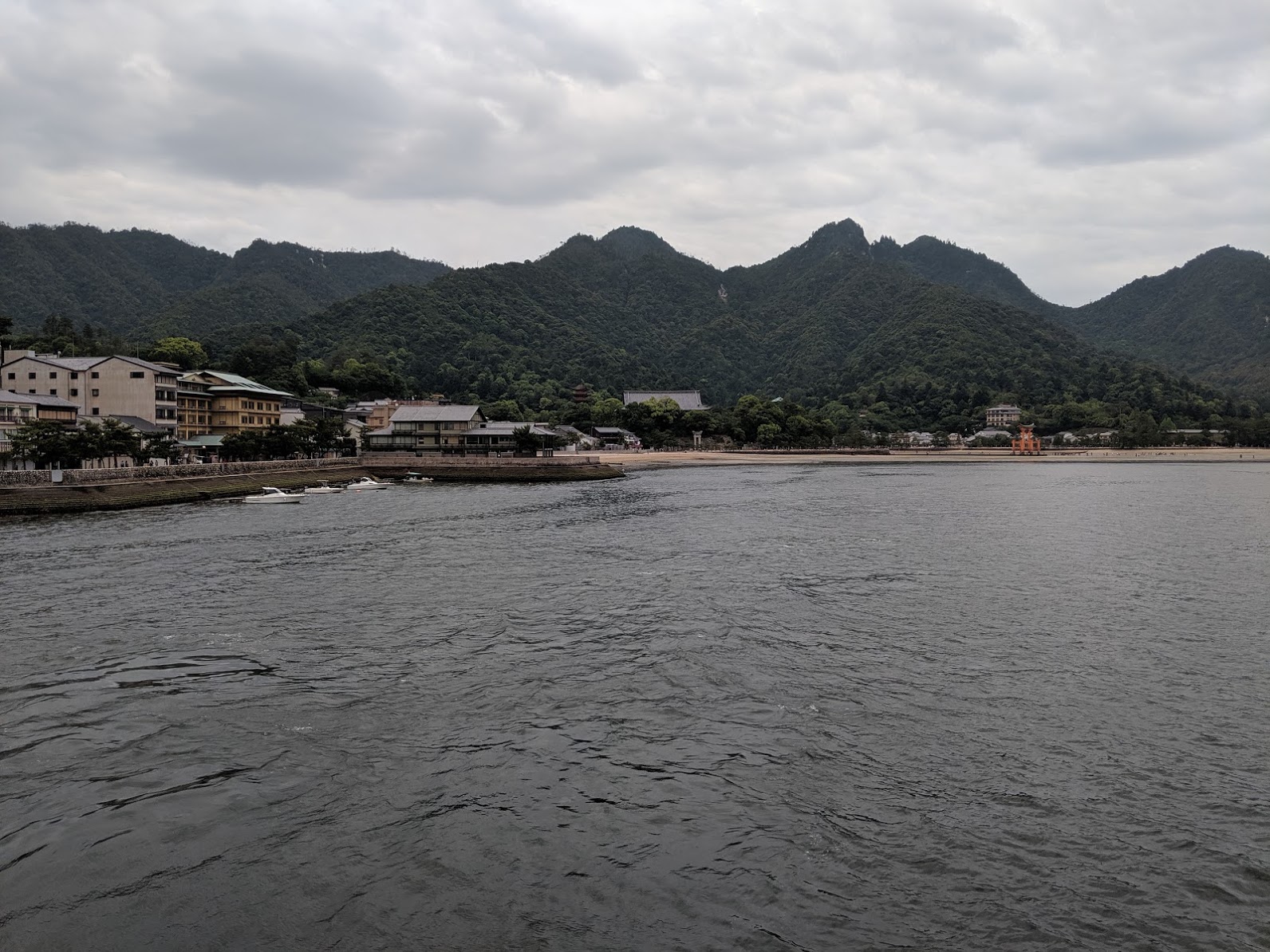
After checking in to Candeo Hotels we took the JR train south to the JR ferry to go to Miyajima Island. Our JR pass covered this whole trip. Miyajima Island (officially known as Itsukushima island) is a small island outside of Hiroshima and is a UNESCO world heritage site for its beautiful torii gate in the water.
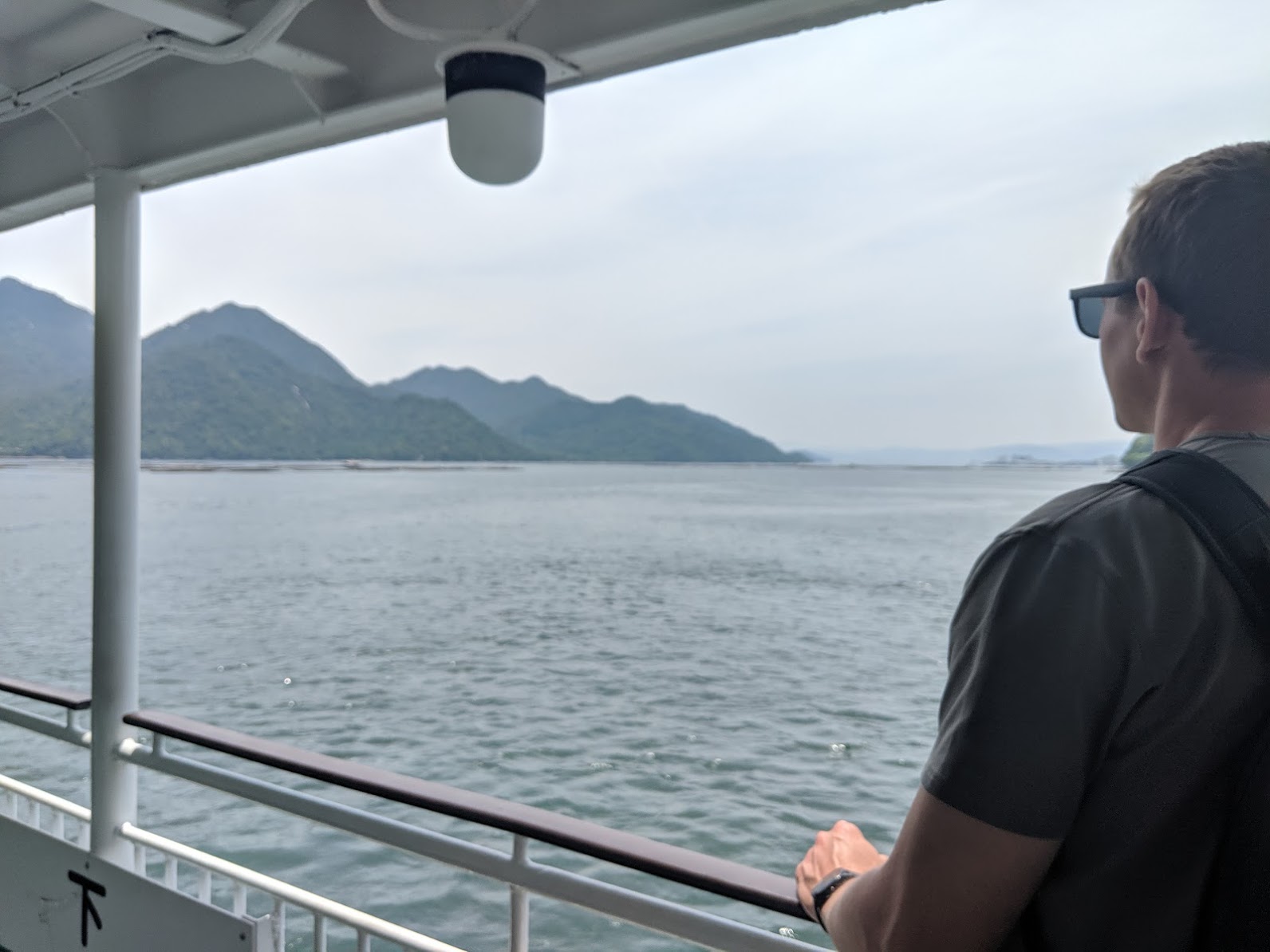
When you visit the island you want to plan it so it is high tide so you can experience the view of the torii gate when it is covered by water. Here is the link I used to check the tides, https://www.tidetime.org/asia/japan/miyajima.htm. The island is lively and happening during the day but when all the tourists leave in the evening it gets very quiet and calm. We did not stay on the island but if we went back I would have definitely stayed one night on the island for a peaceful night away from the city.
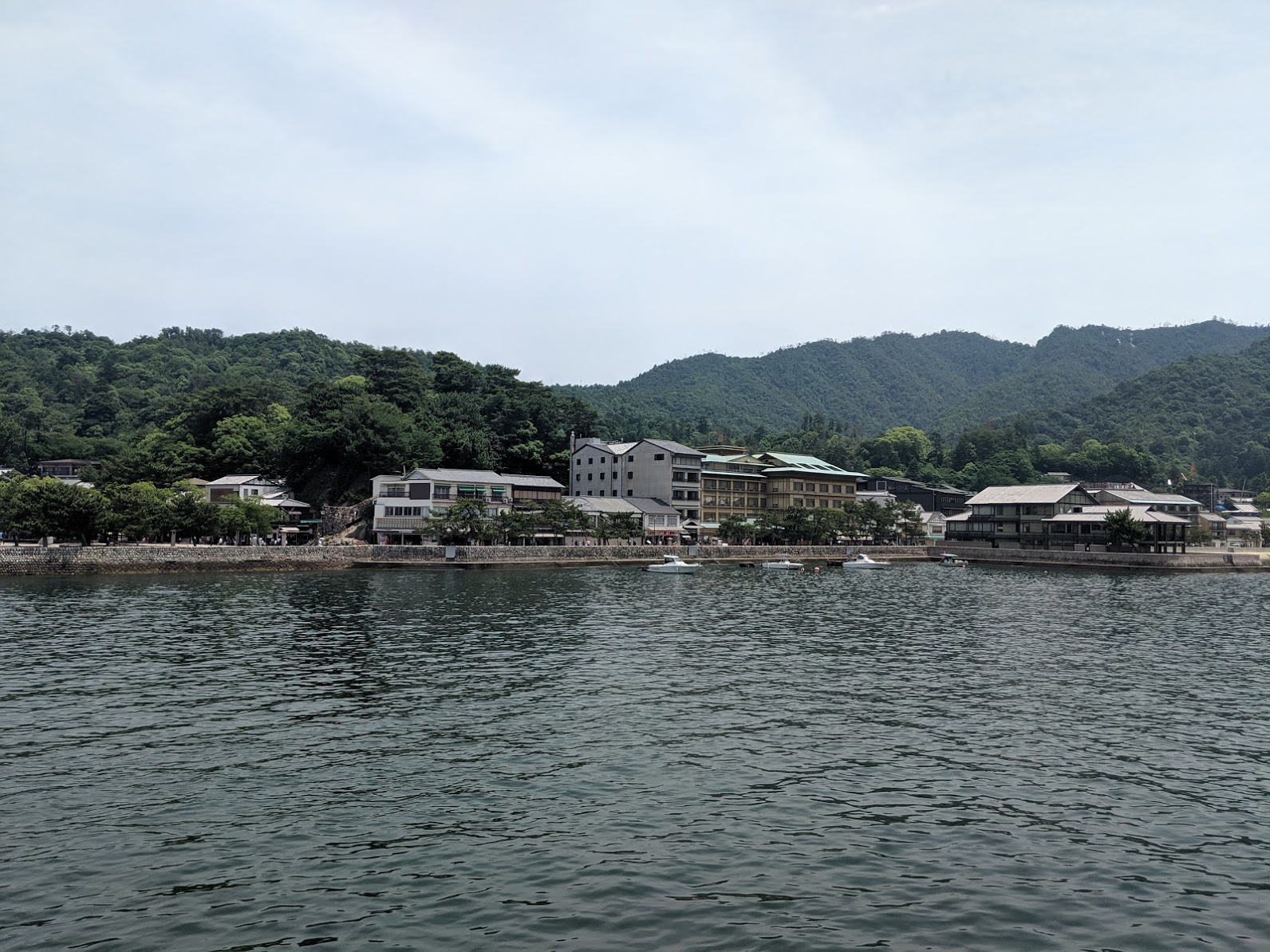
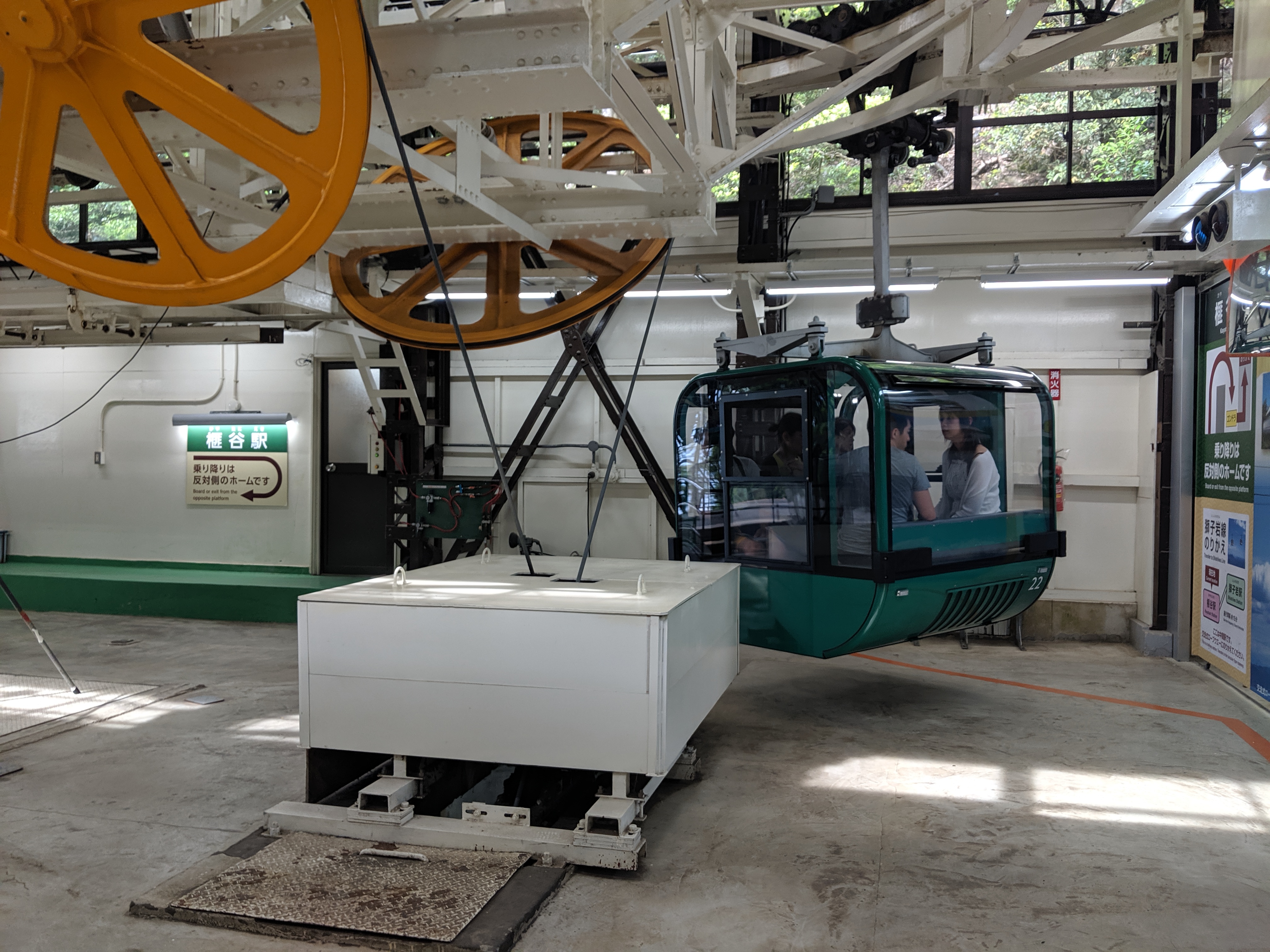
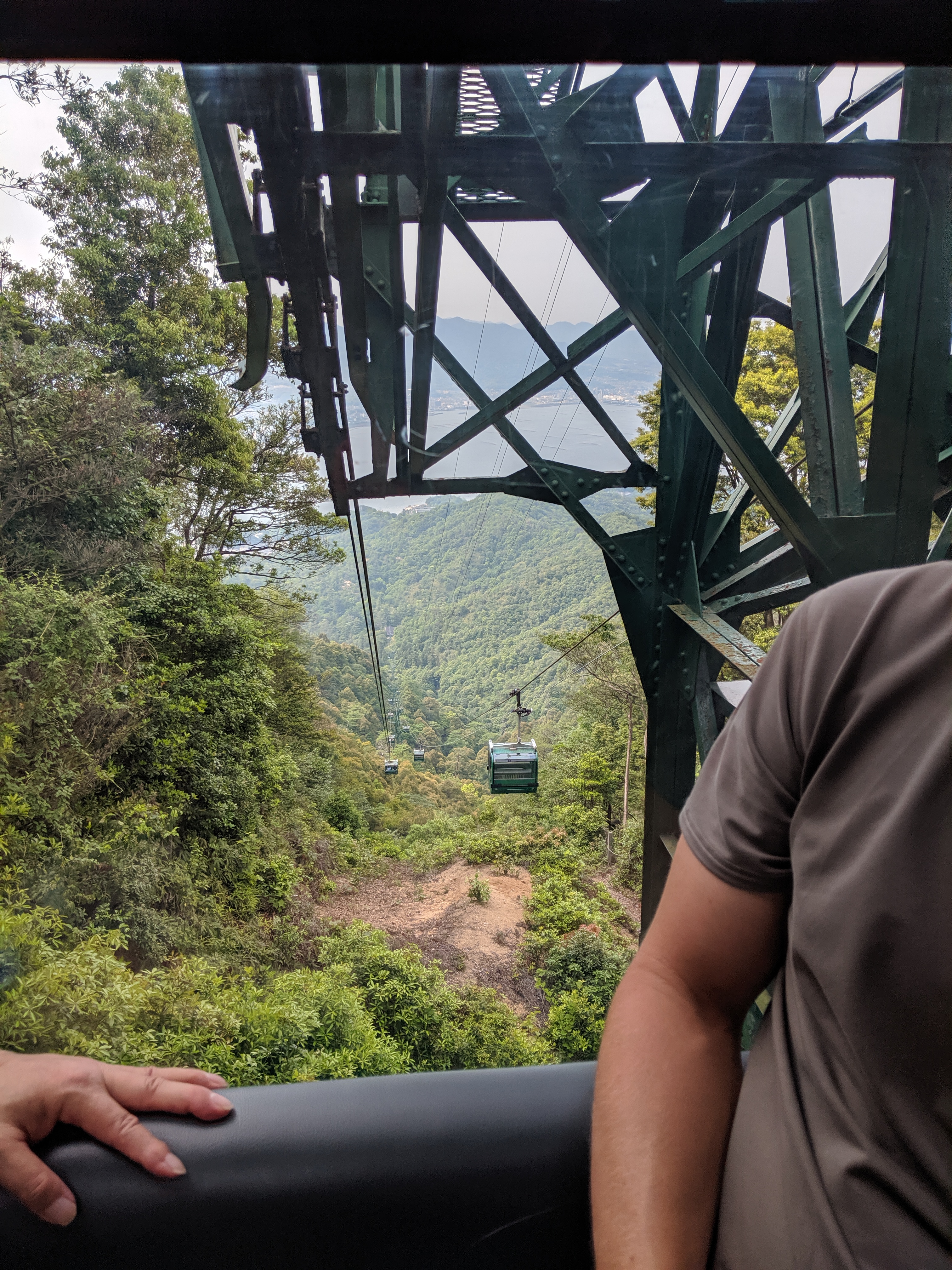
After getting off the ferry we walked through town to the Daisho-in Temple (open 8:00am-5:00pm) located at the bottom of Mount Missen. Mount Missen is 500 meters above sea level and the top is the highest peak in Miyajima. You can hike up Mount Missen or take an air tram. The airtram costs about $10 each way.
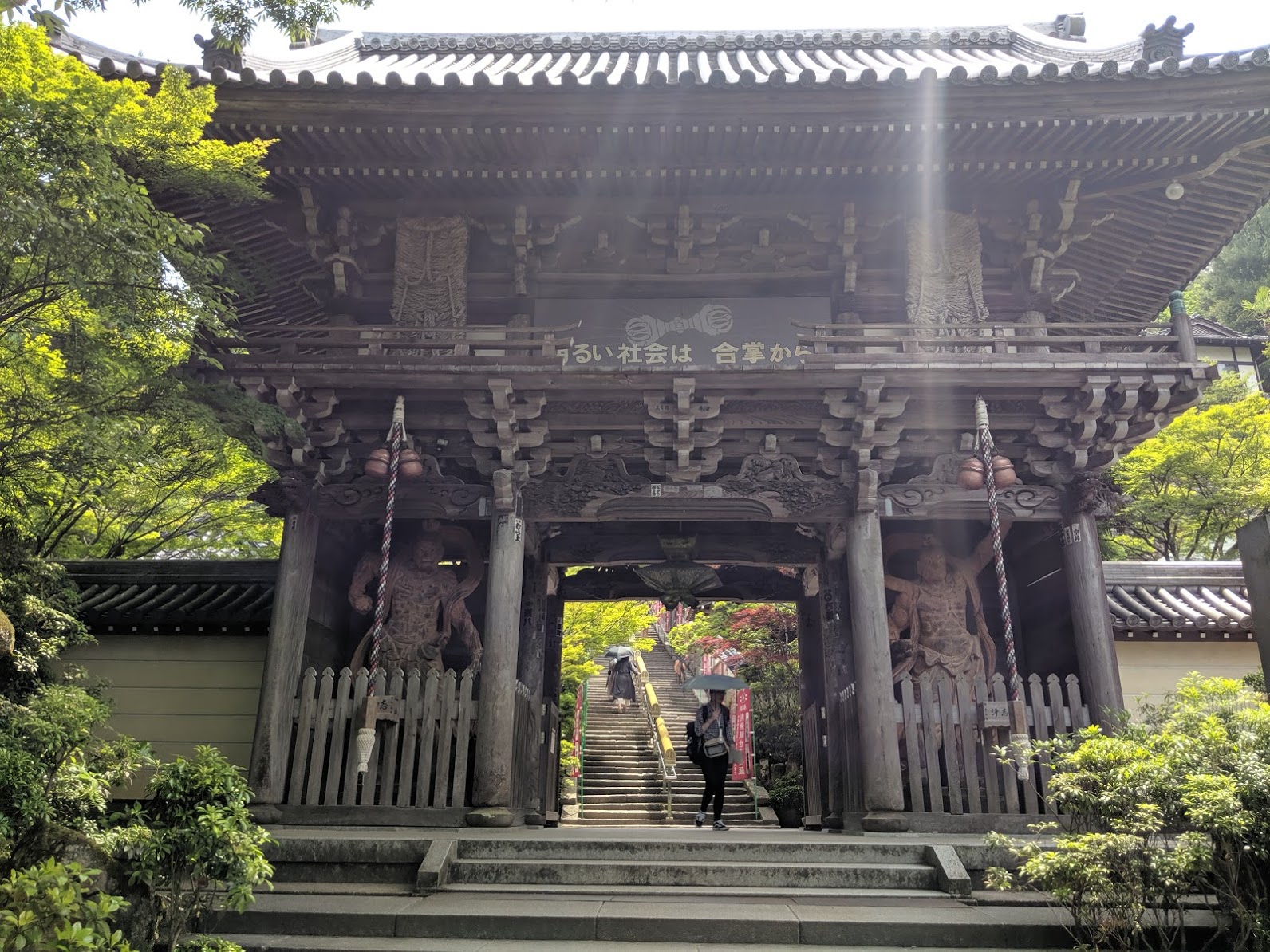
We decided to hike up to the top which took about 2 hours on the Daisho In Trial. Definitely take this trail for the best views. It was a very difficult hike and was pretty much stairs the whole way but it was definitely worth it. In the beginning there are amazing views over the city and a waterfall that you walk along for a while. We did not see anyone else walking up so I think most people take the tram. There are signs to watch out for snakes and wasps as you walk. After the strenuous hike to the top you are rewarded to amazing views. Continue past where the tram drops off and walk a little under a mile to the observatory (open until 4pm) where there are some of the best views we had in Japan. You look out over the water and all of the cities around the mountain.
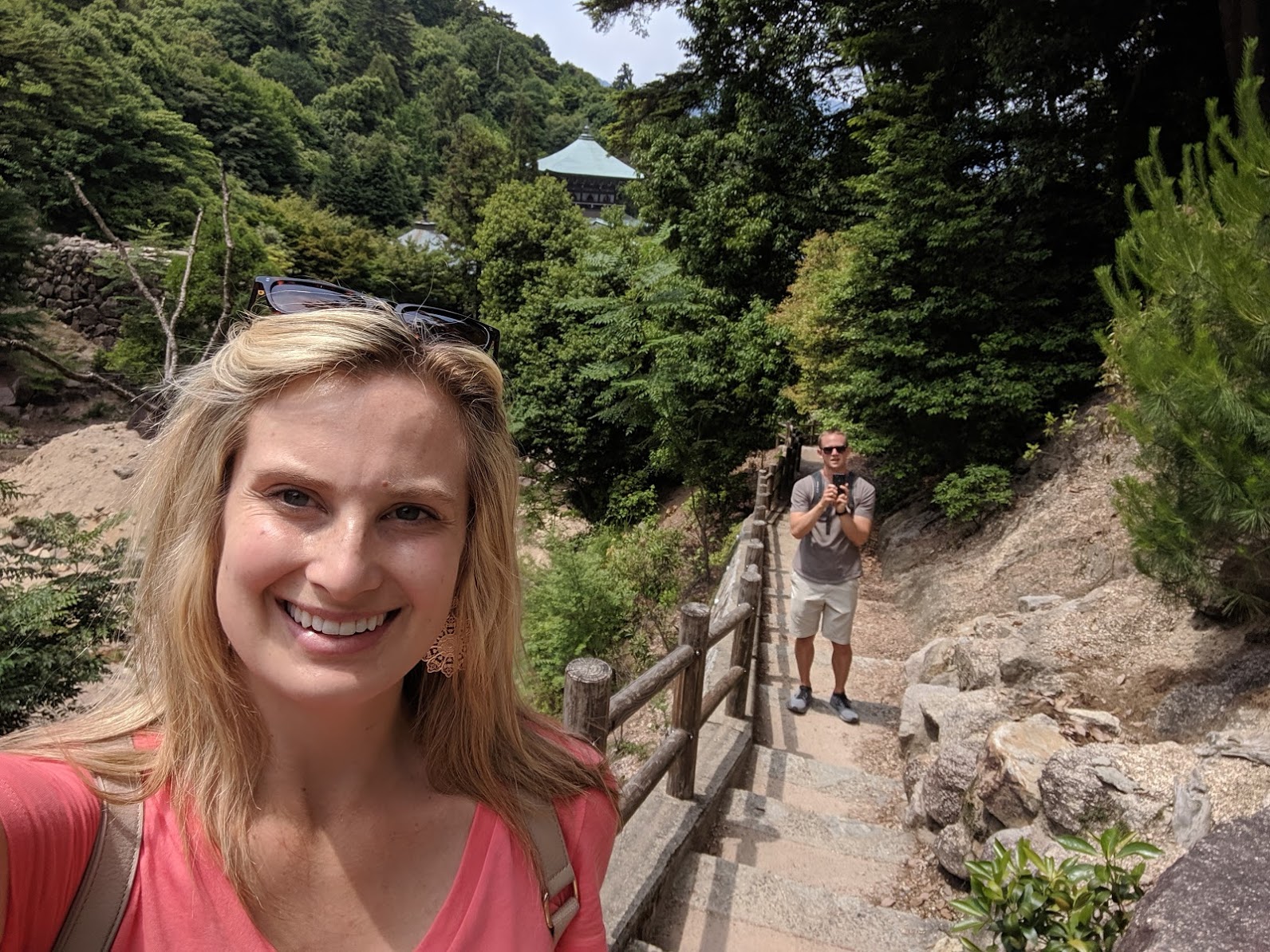

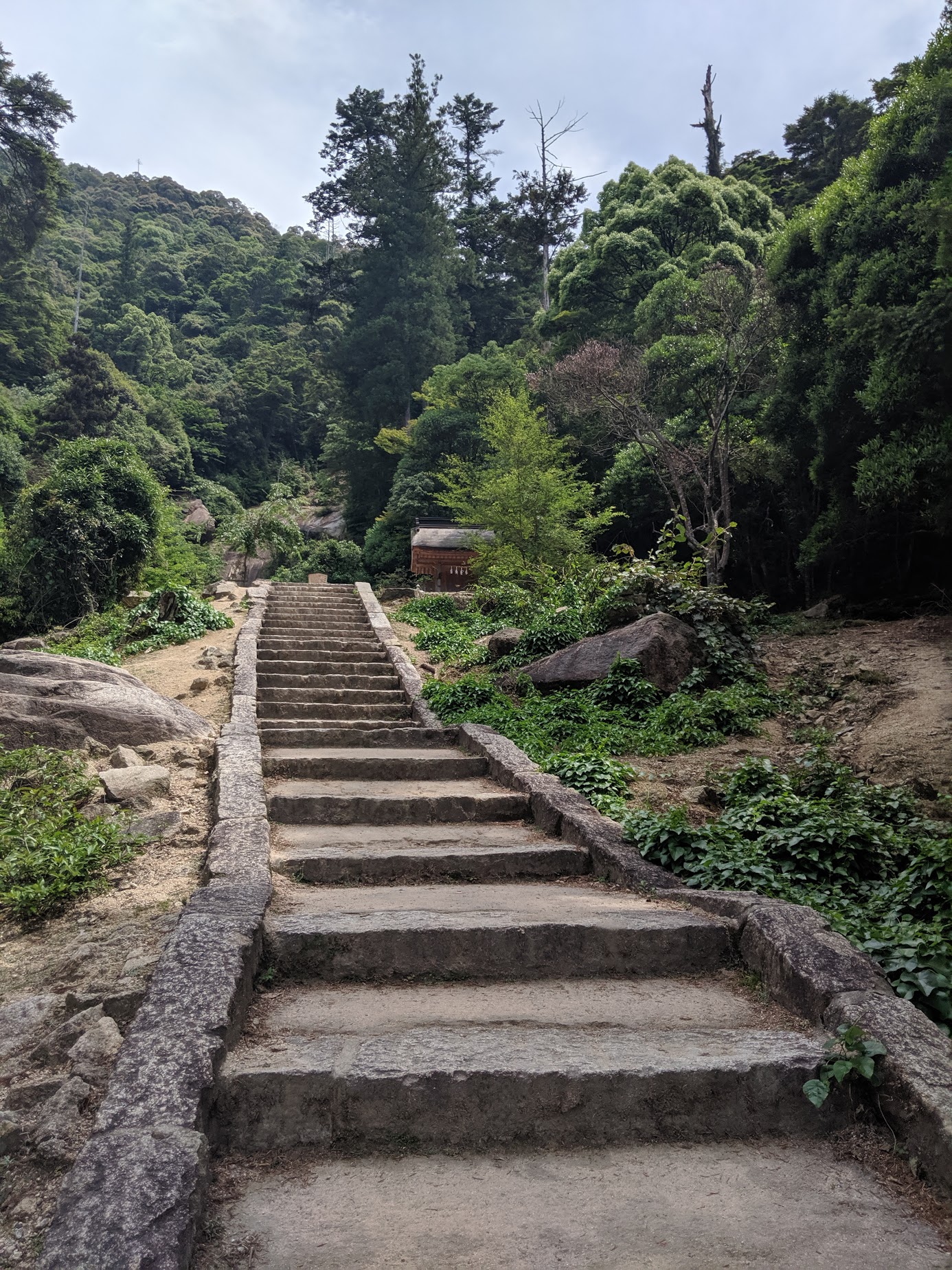
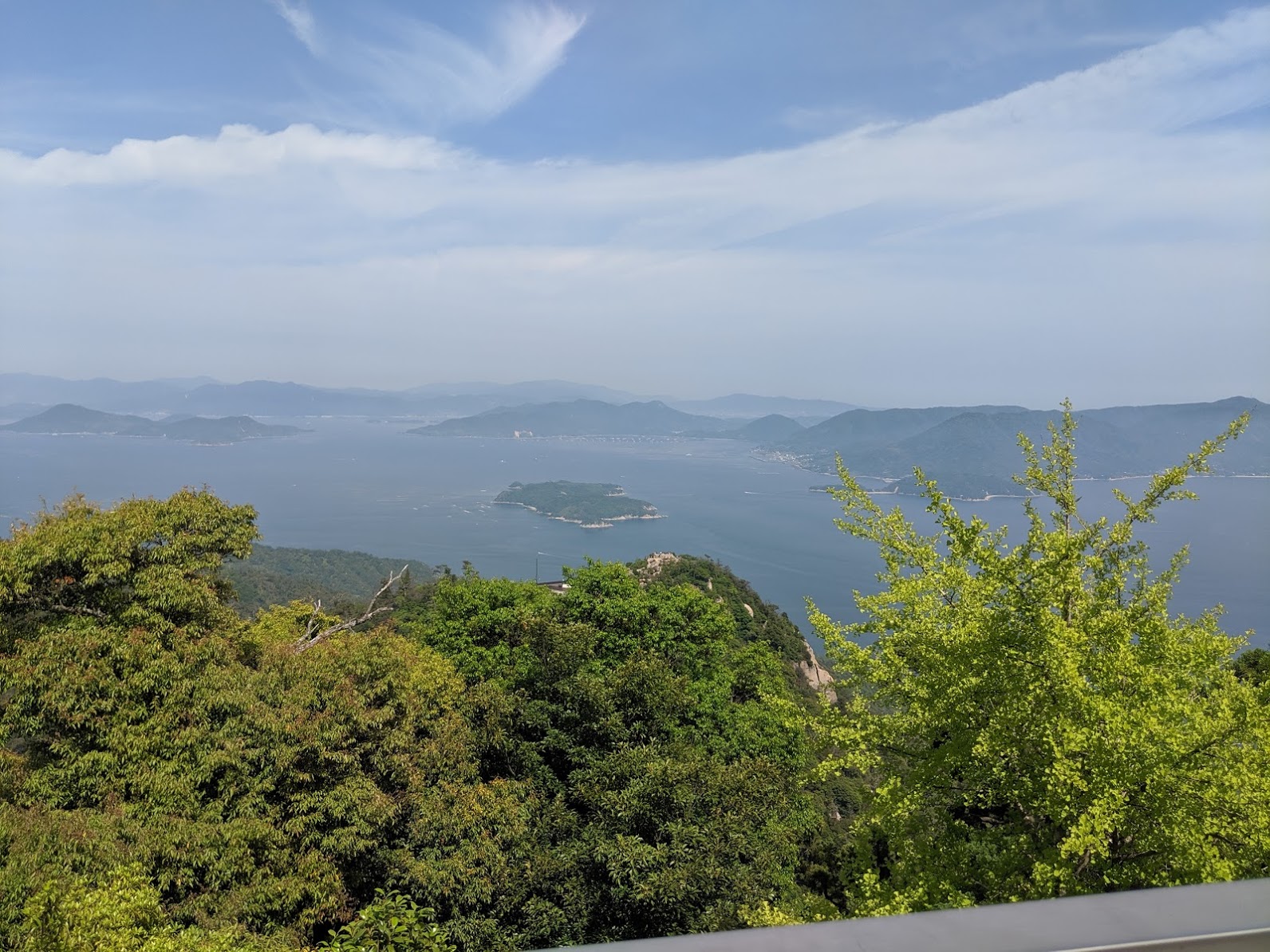
After our hike up the mountain we were very tired and took the tram down which was a nice ride but extremely packed, so it was a little scary.
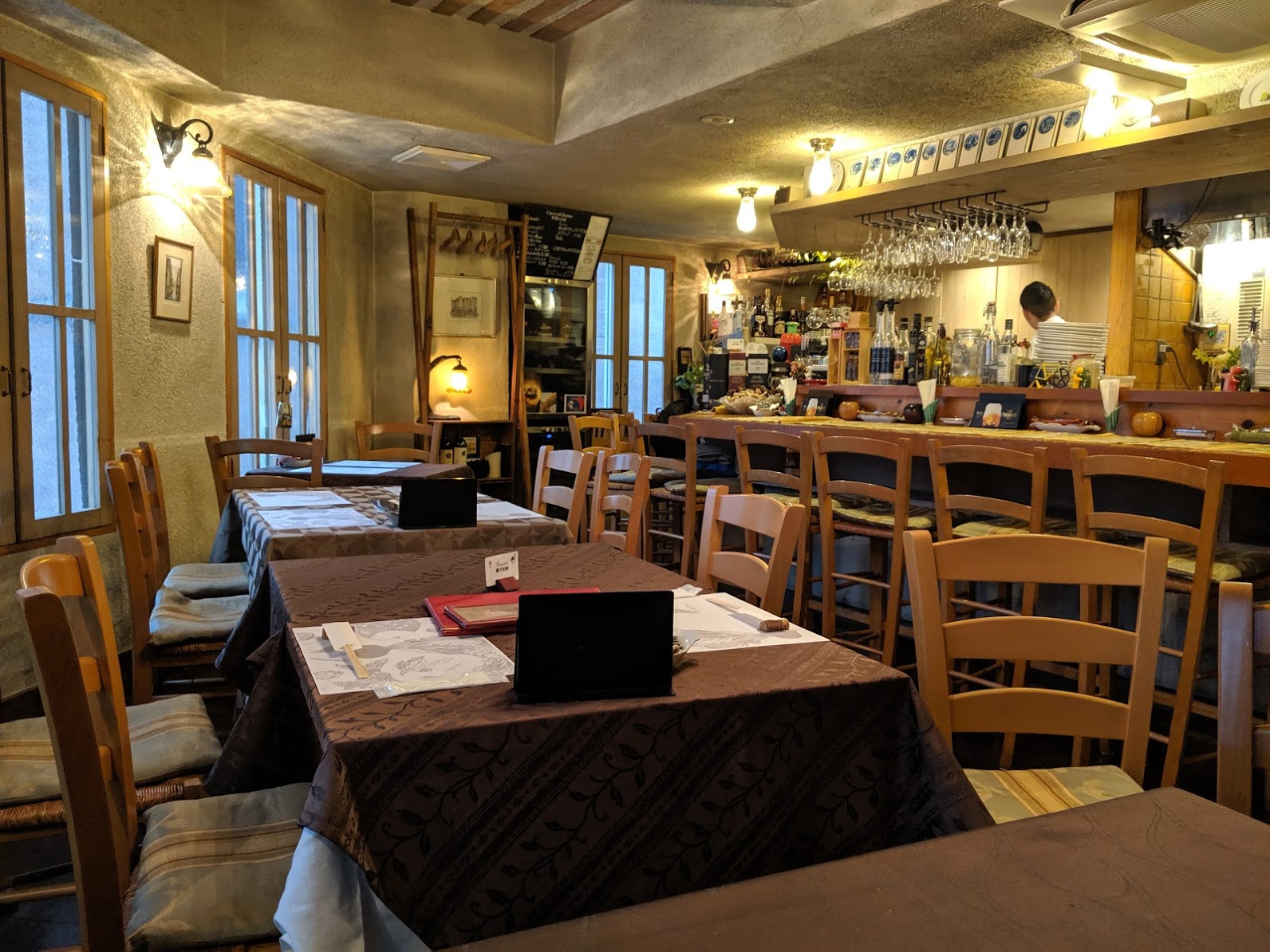
We took the train back to our hotel to clean up and then went out to dinner. We found an italian restaurant that was absolutely amazing. The chef only spoke Japanese but made fresh pasta and salads. We split salad, chicken and pasta.
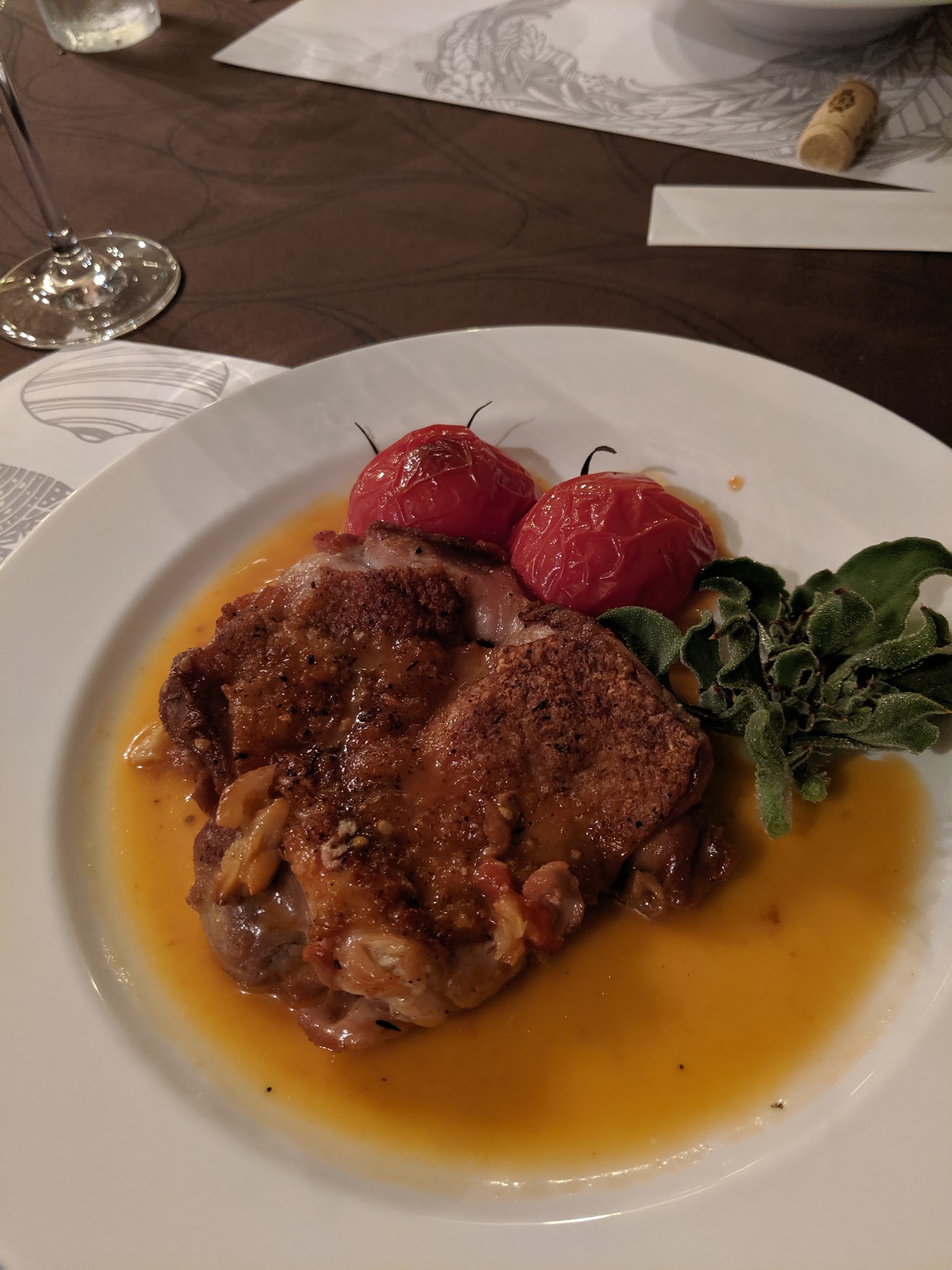
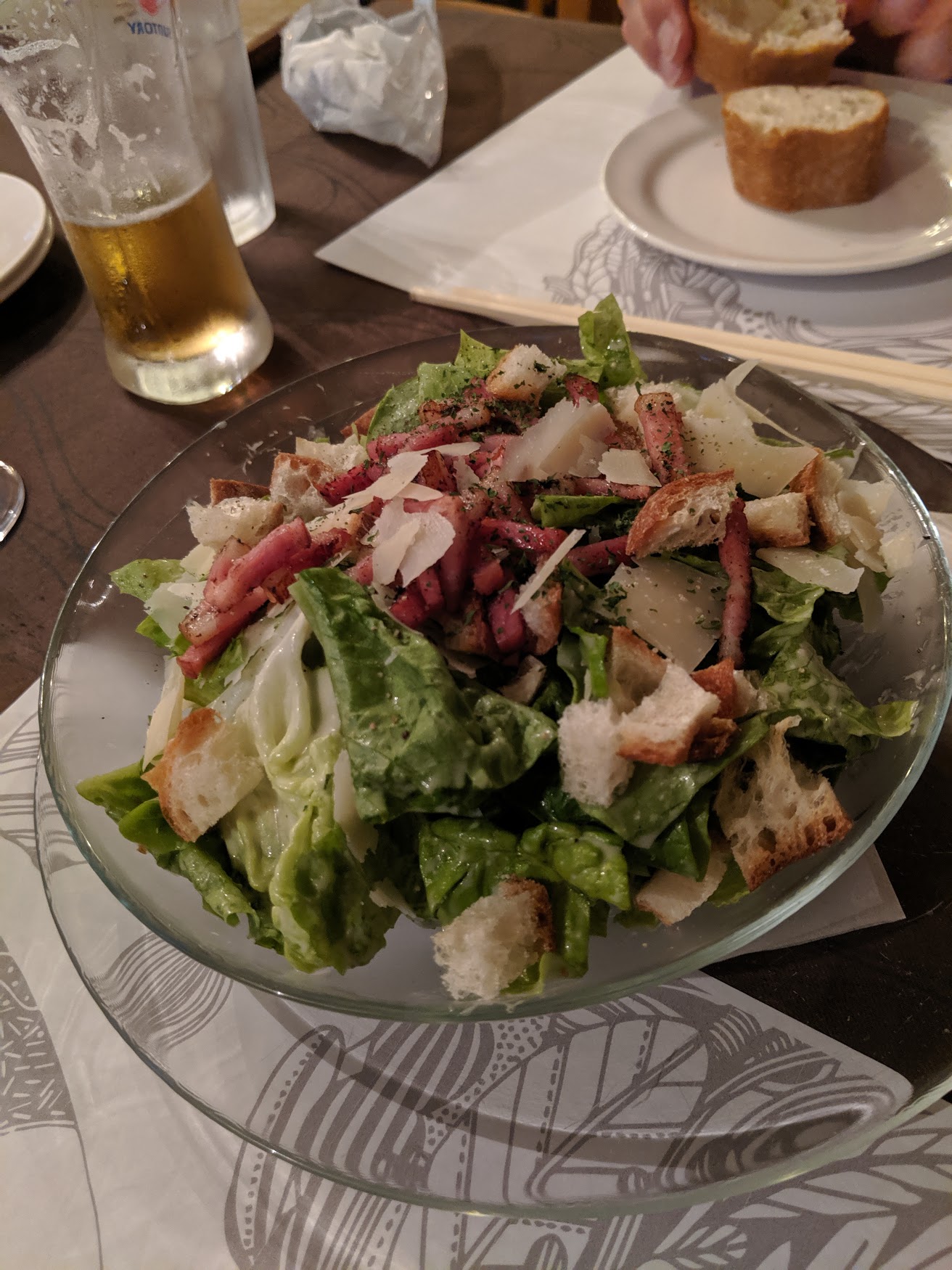
Day 11 June 7
The next morning it was raining which was fine since we were going to the museum that day. We borrowed umbrellas from the hotel and then walked to the Hiroshima Peace Memorial Museum (open 8:30am-6pm, 200 yen). To get there you walk by the Atomic Dome but we skipped it since we wanted to get to the museum early and then visit the dome afterwards. We spent about 90 minutes in the museum. The museum really painted a picture of the aftermath of the atomic bomb and how their world was turned upside down. It was very difficult to see but such a huge part of the world’ history. I highly recommend going to the museum.
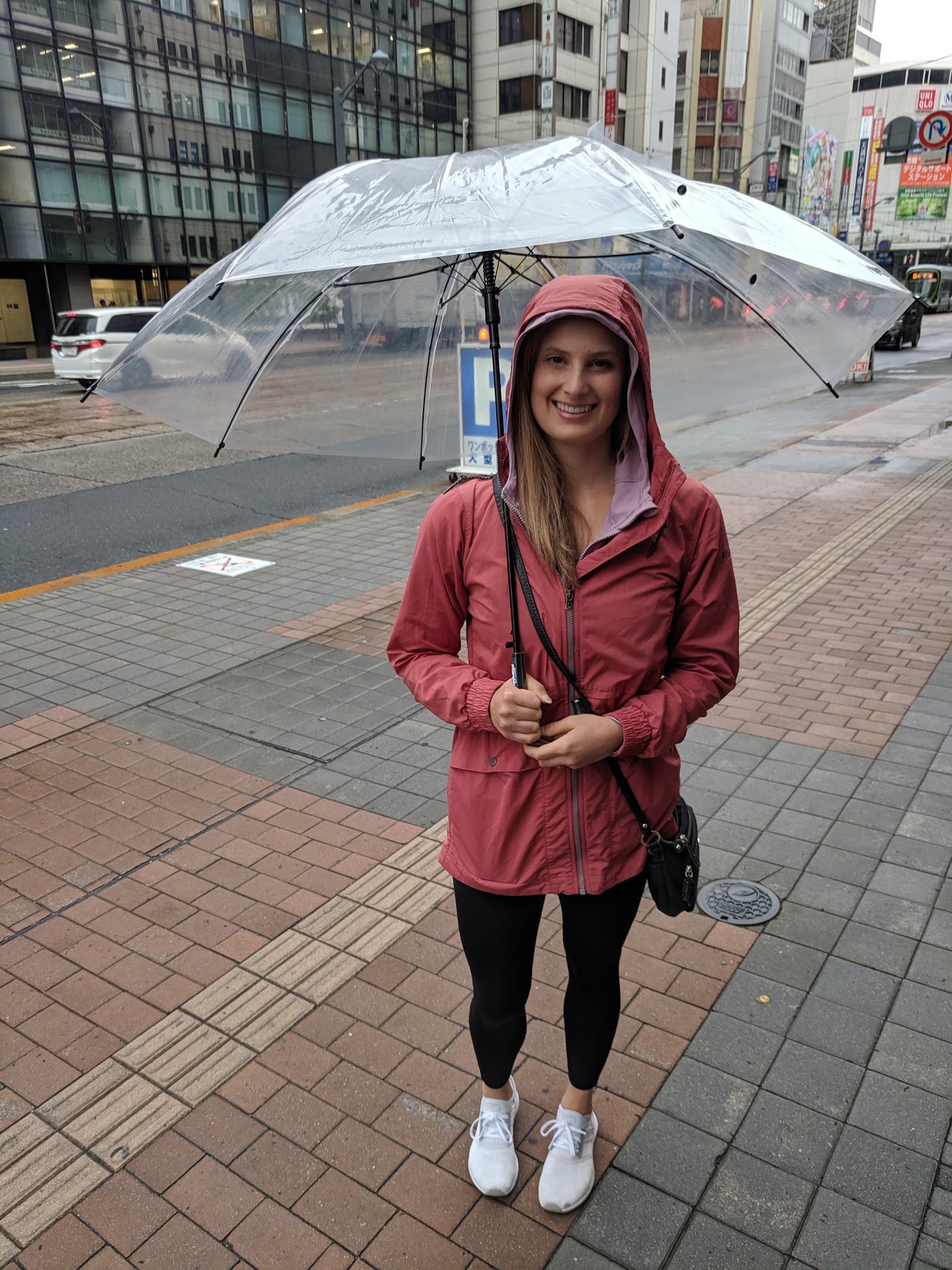
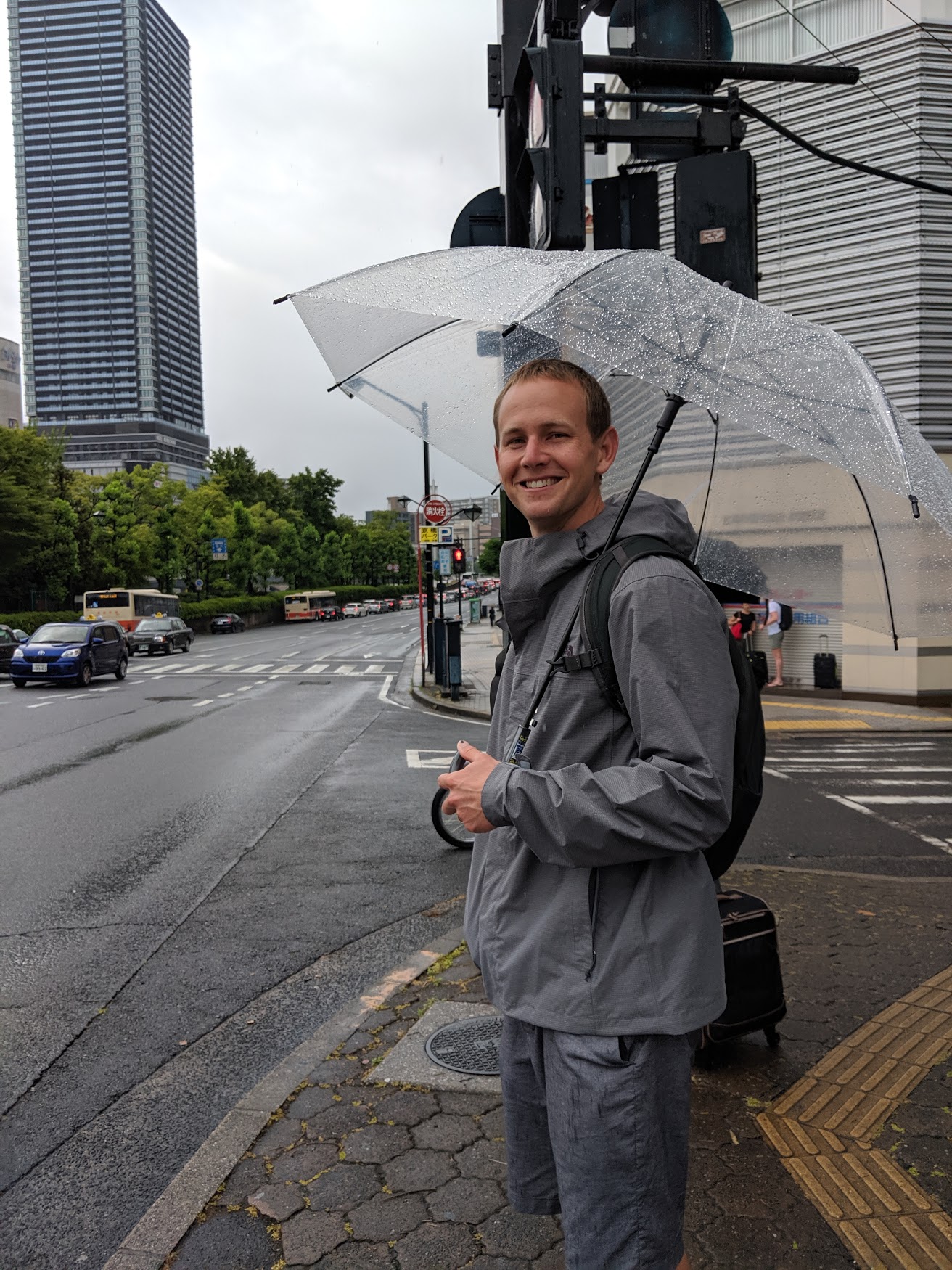
After the museum we walked through the Peace Memorial Park to the Atomic Bomb Dome. It is very interesting to see this piece destroyed building in the middle of a huge city.
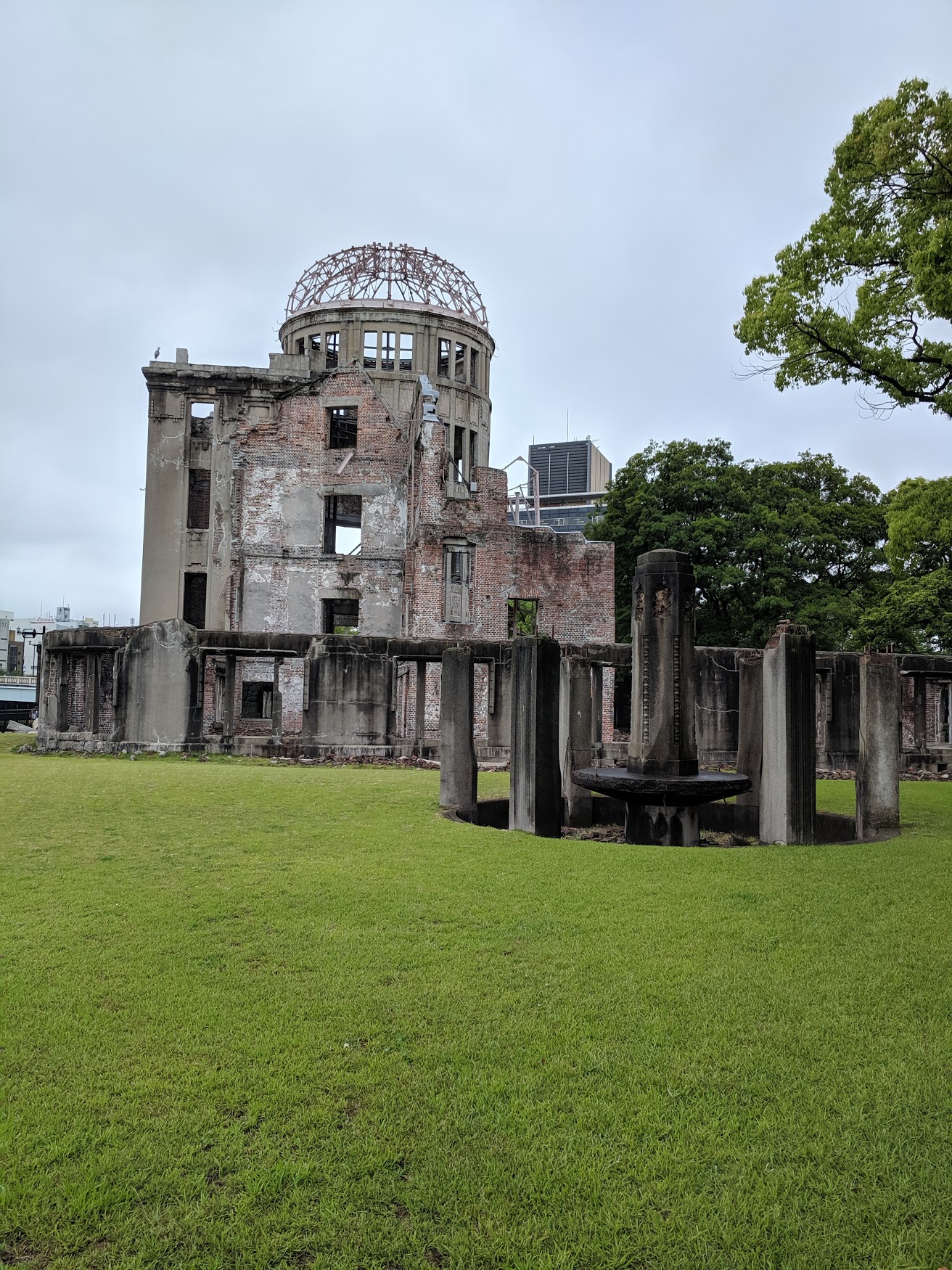
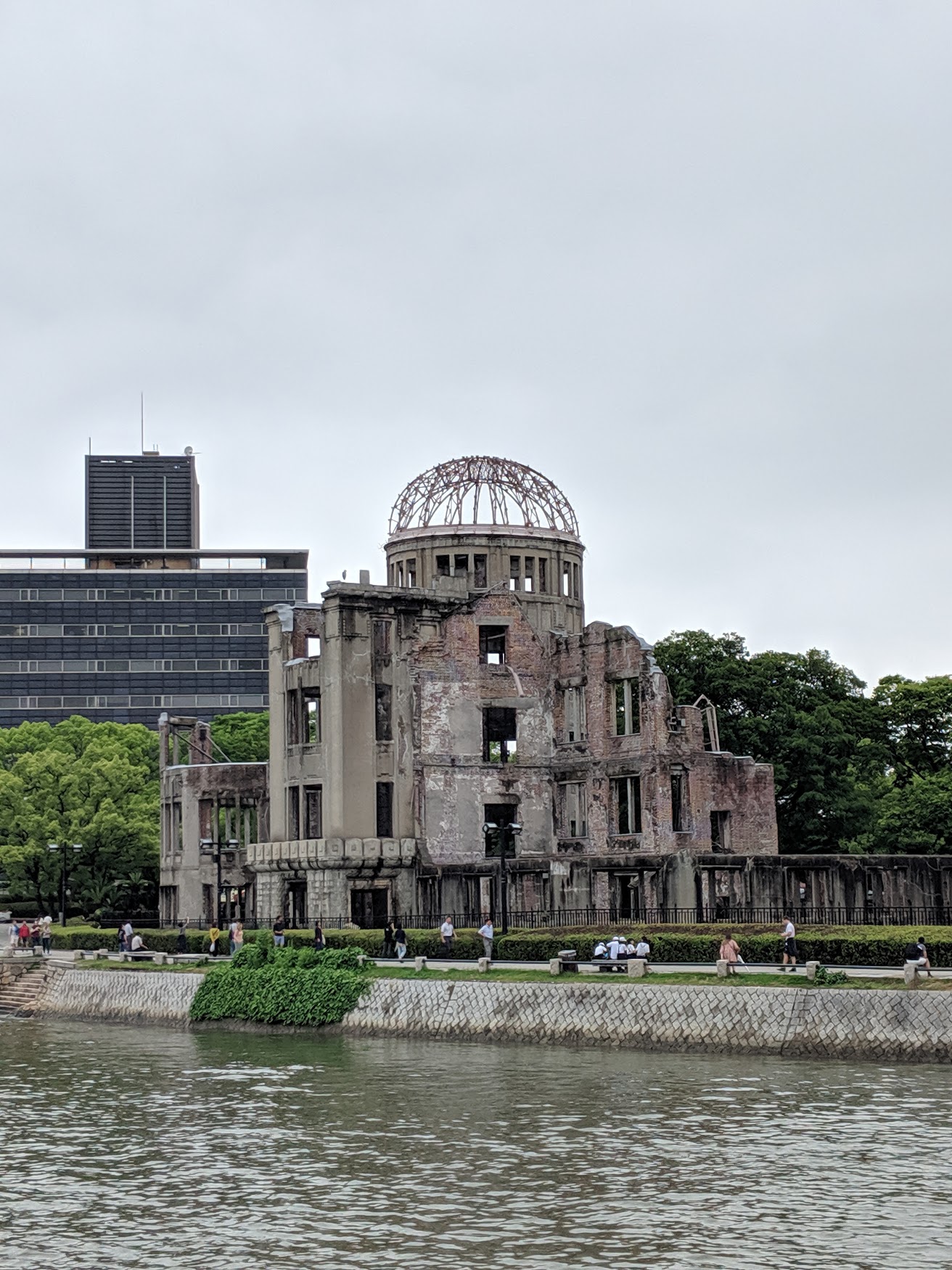
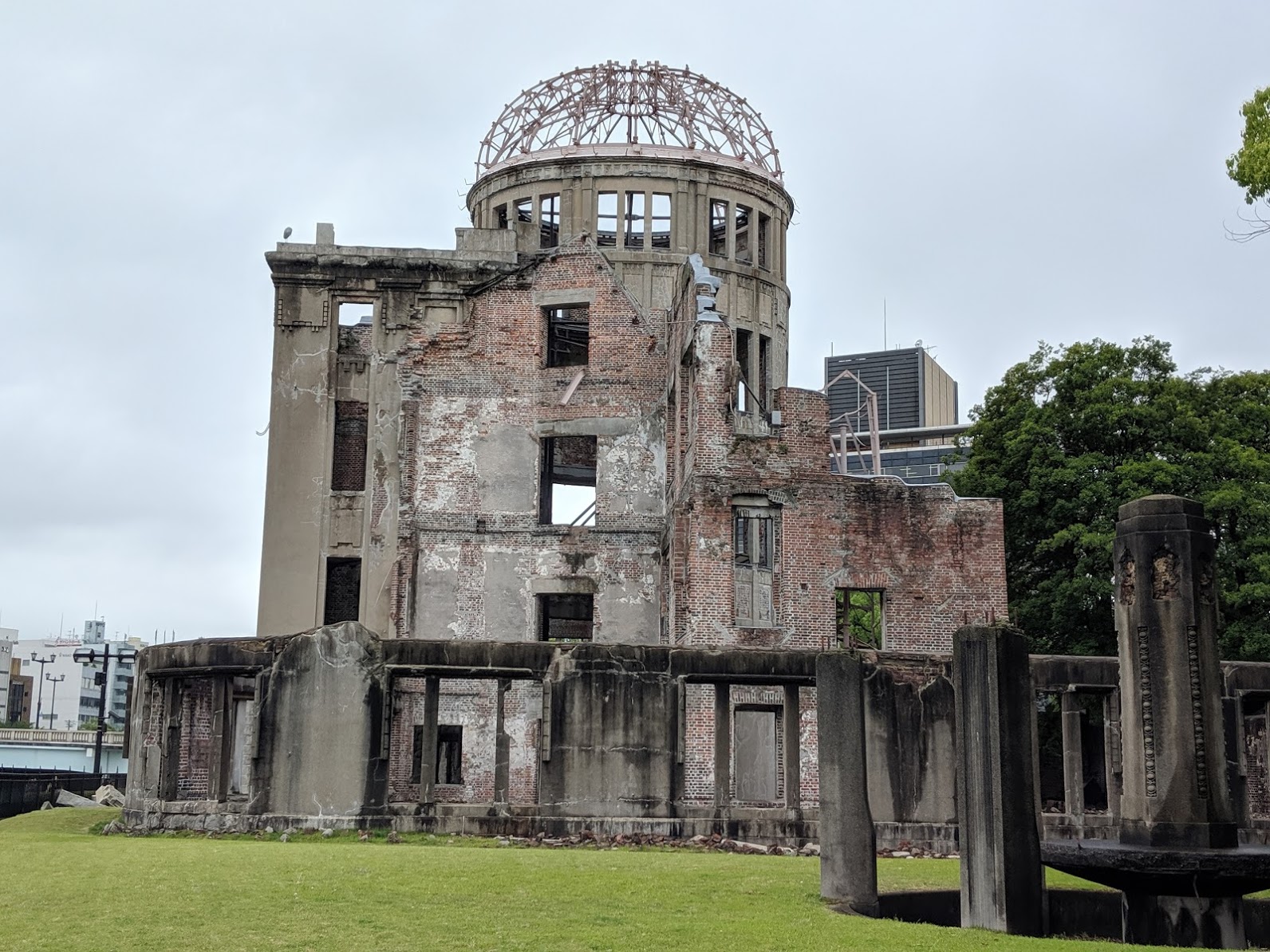
It stopped raining and we decided to go back to Miyojima island since our JR cards covered it and we loved the island. We went back and walked around through the main shopping street. We sat on one of the piers for a while and just watched the boats come and go and reflected on our trip, not wanting to go home.
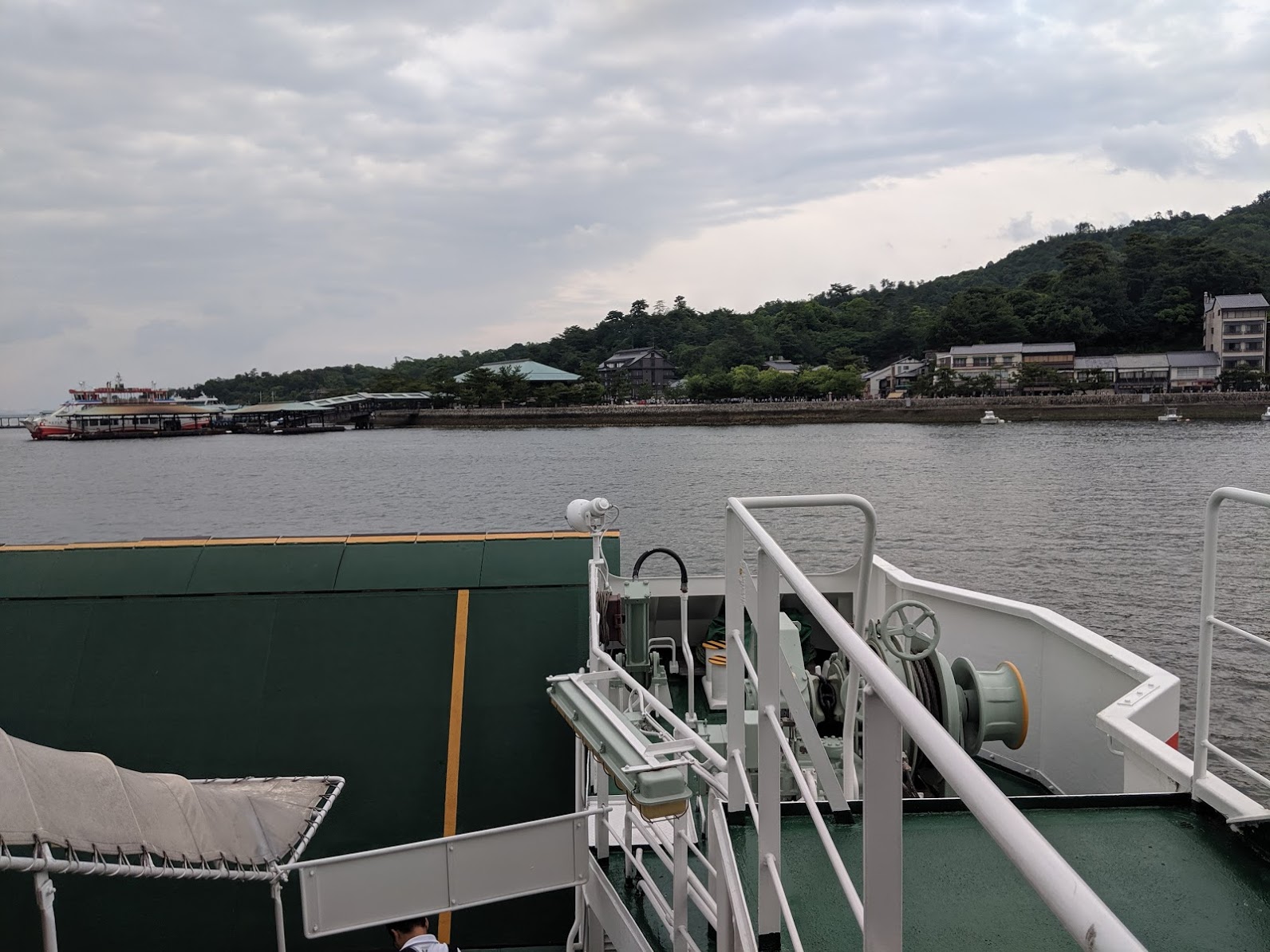
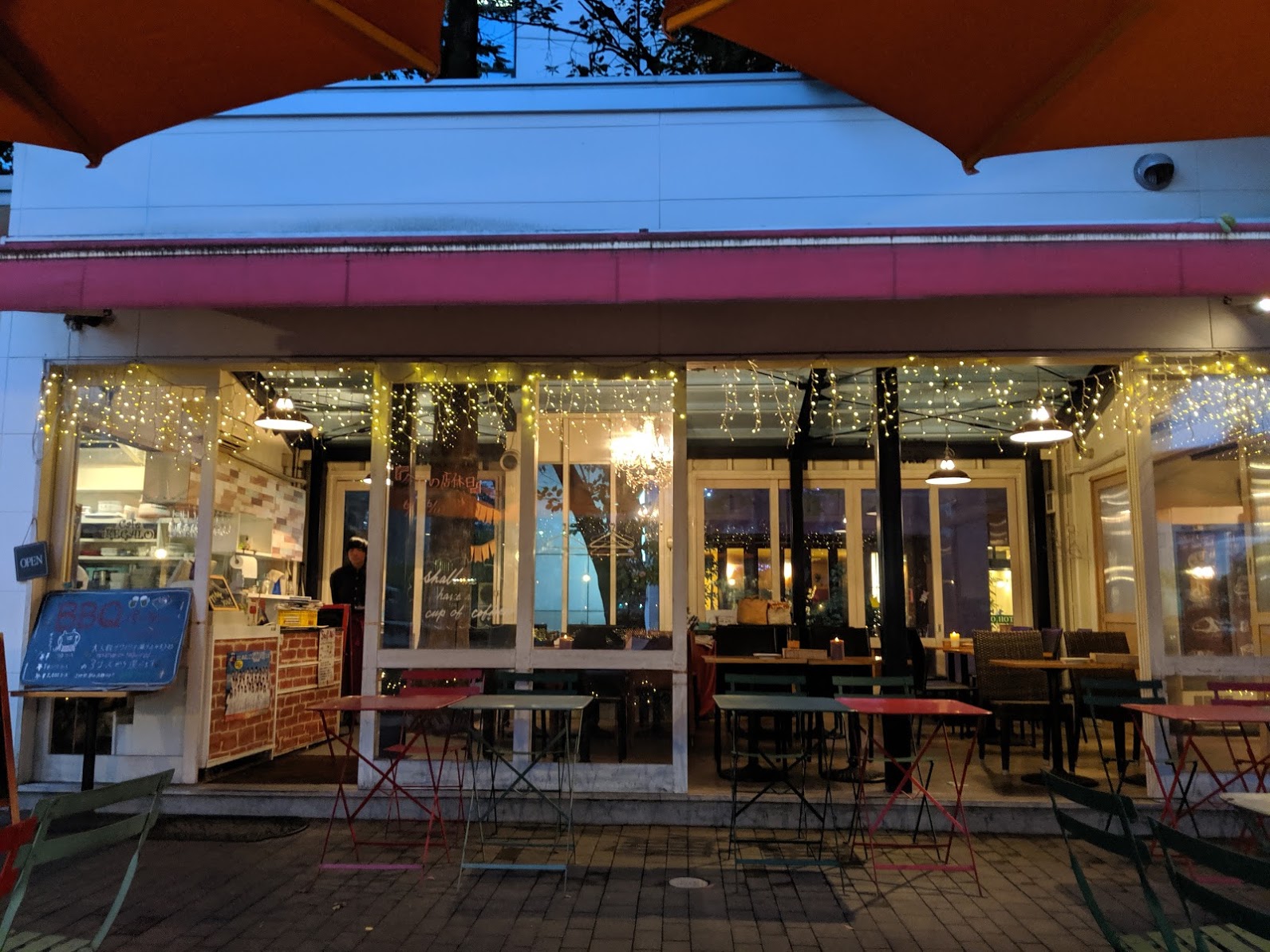
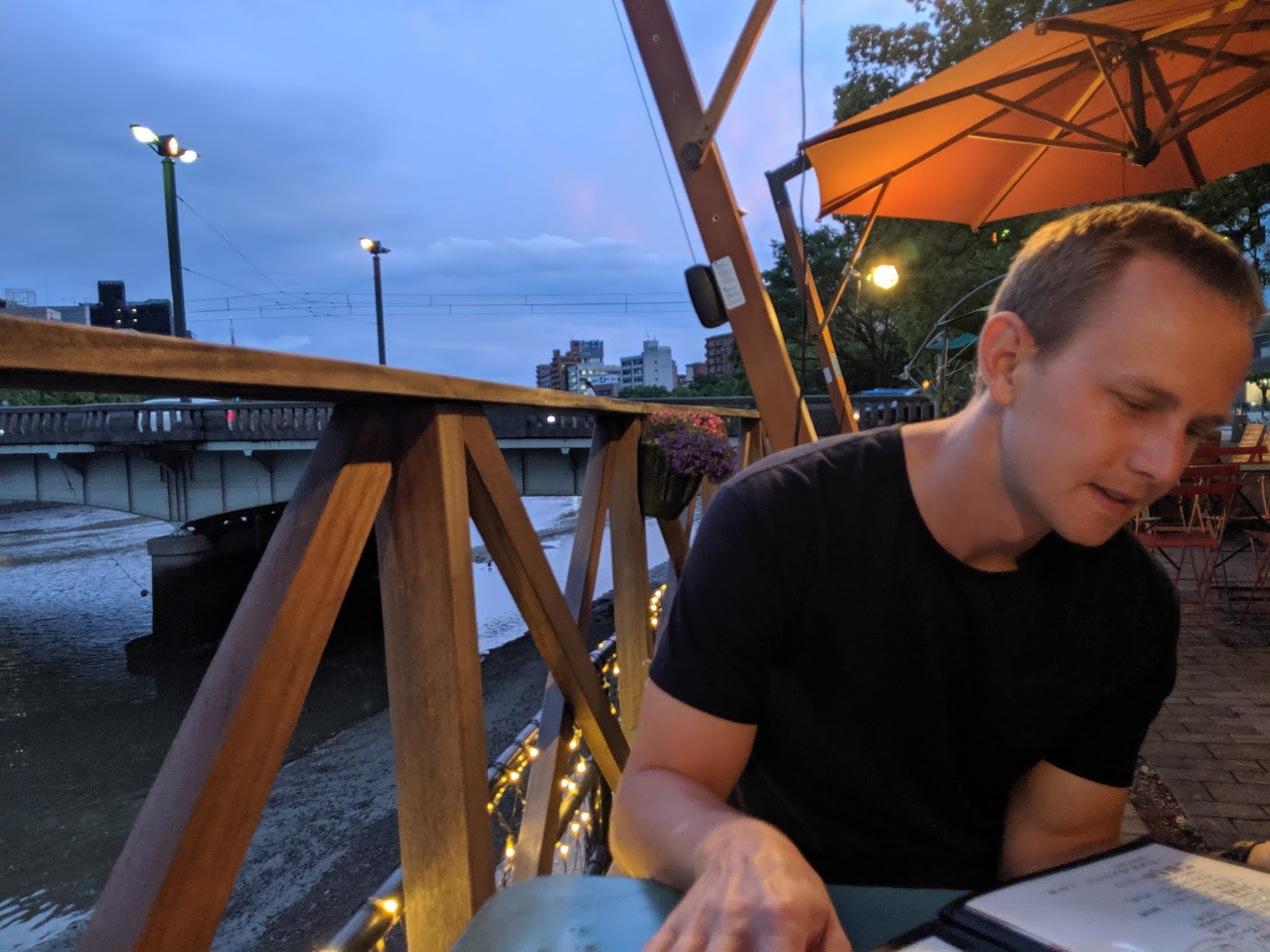
That night we went back to Hiroshima for dinner. After some searching we found a restaurant on the river called Cafe Regalo and ate there. The server did not speak English so we just pointed to what we wanted. We didn’t quite get the right food but it was still delicious.
Tokyo
Tokyo Day 12 June 8
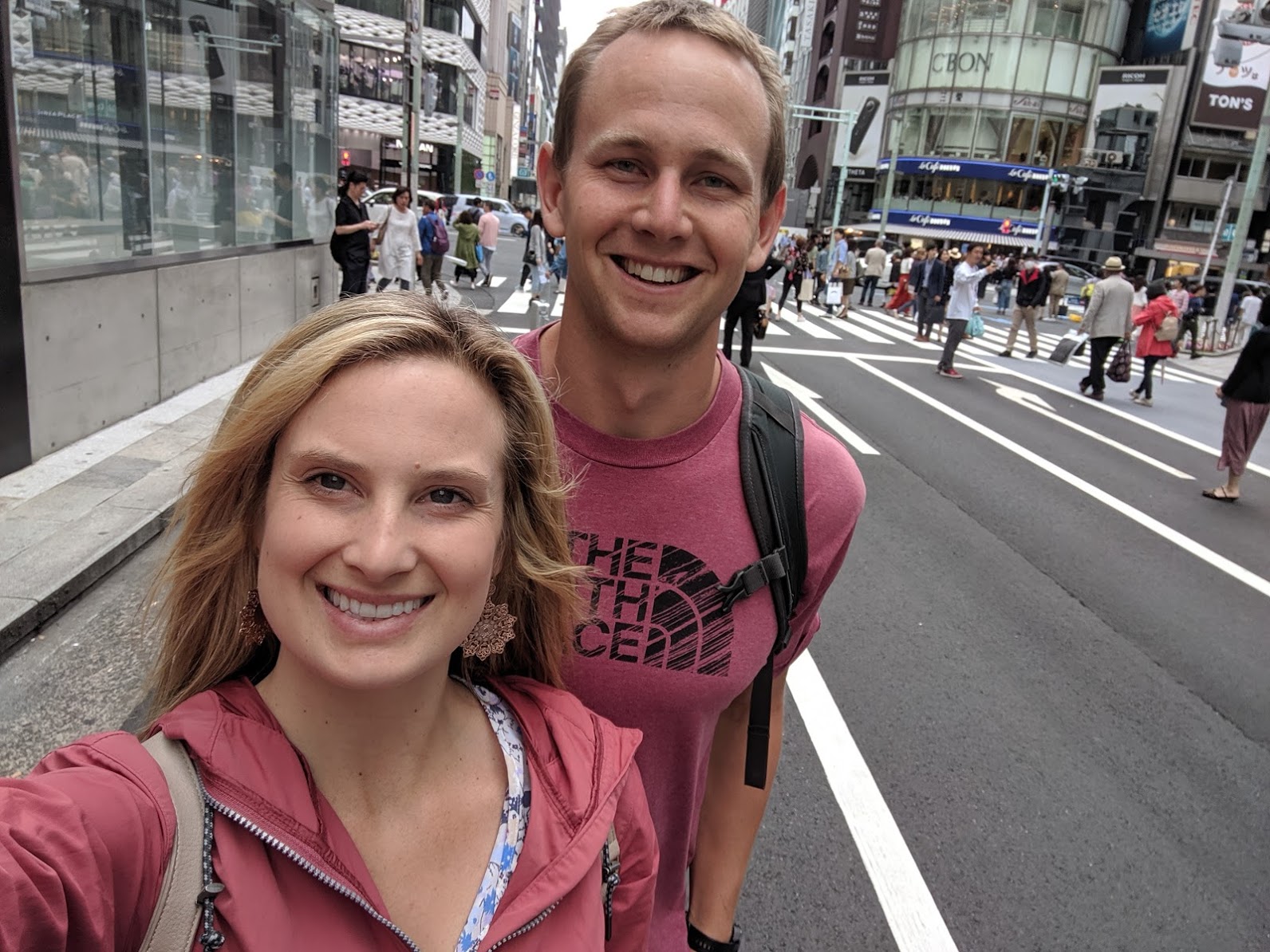
The next day we took the bullet Train back to Tokyo. We had to switch trains so the overall trip took about 5 hours. We stayed in Ginza this time and it was like we were in a completely different city. We were in the very high end part of Tokyo with all of the very expensive clothing stores and fancy restaurants. There is a huge shopping street that they shut down on the weekends and people walk all over the street. I liked it but it felt like we were in the United States.

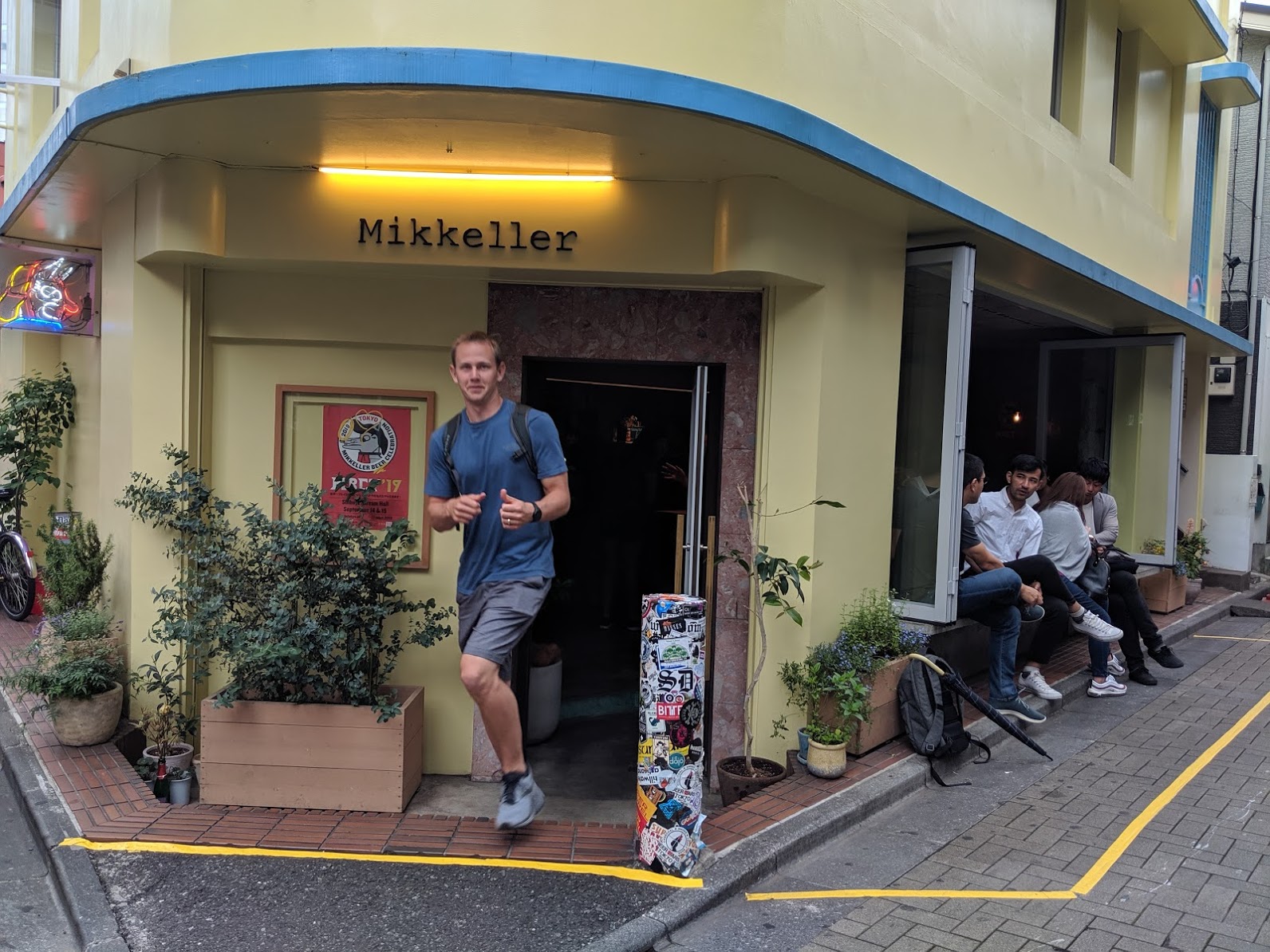
We then went to Mikkeller Brewery in Shibuya, which originates in Copenhagen. We were excited to find one in Tokyo. It is a cool spot and the beers are amazing. I got a strawberry IPA which was soooo good and I want to find it in the US.

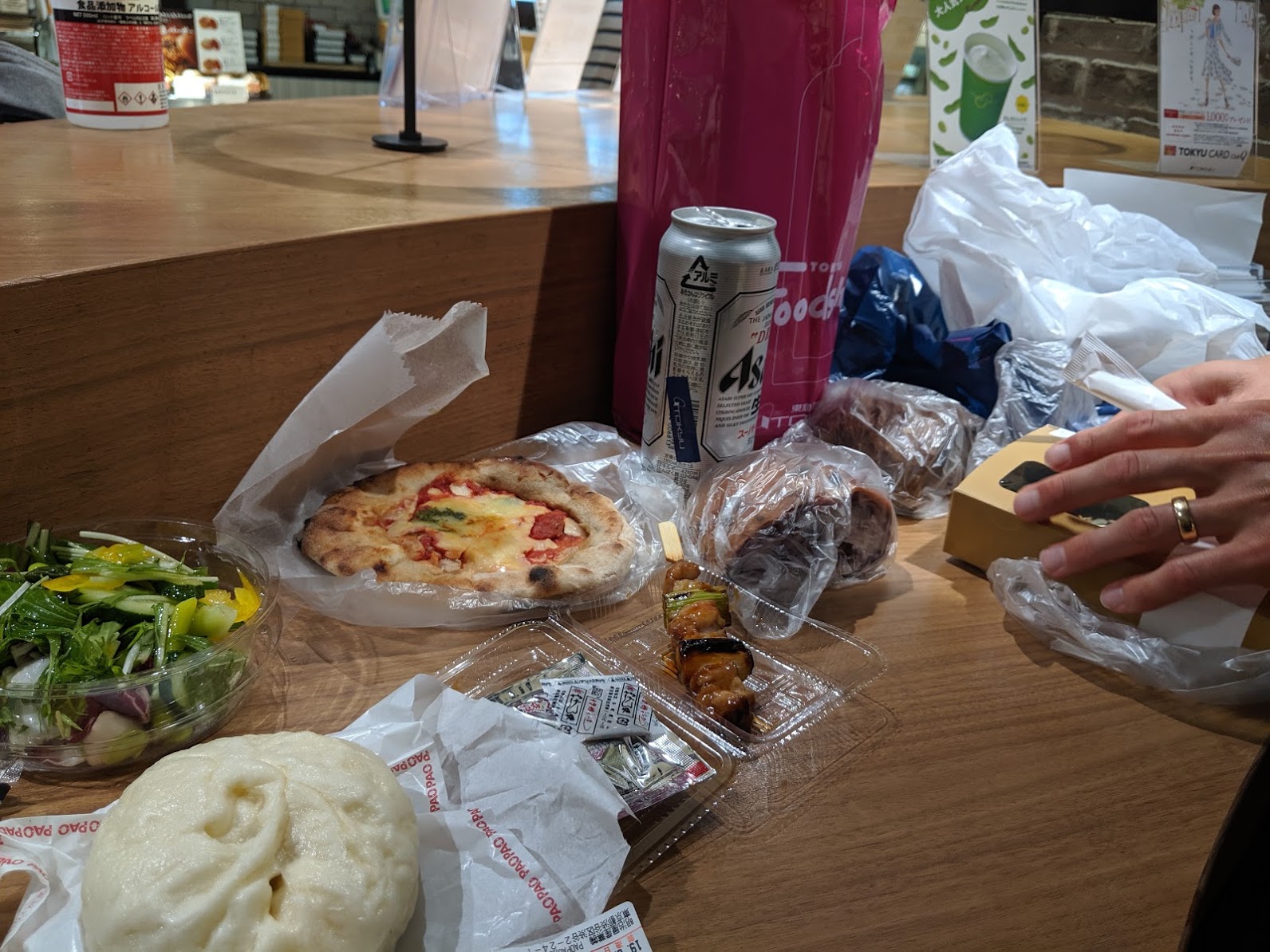
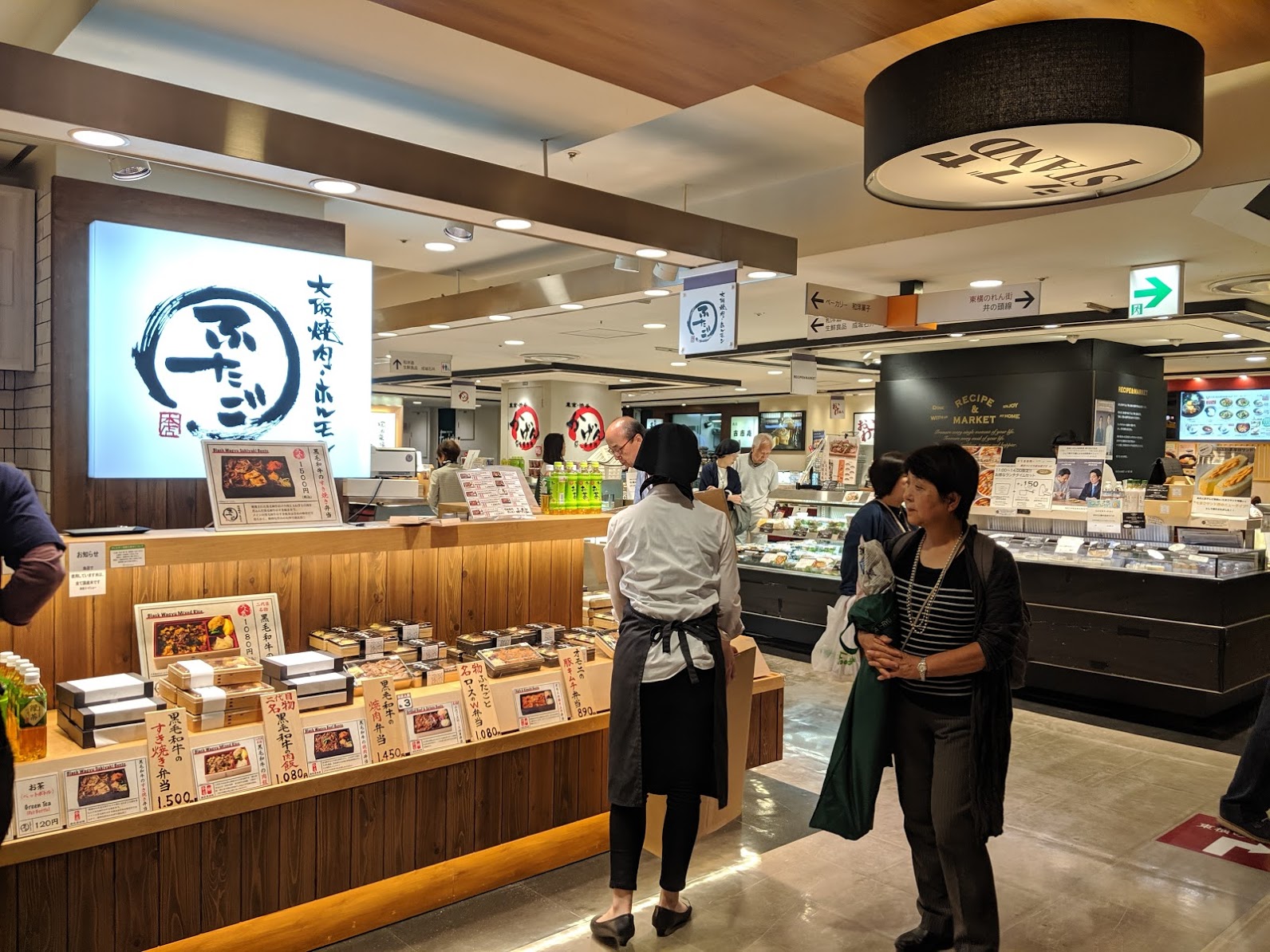
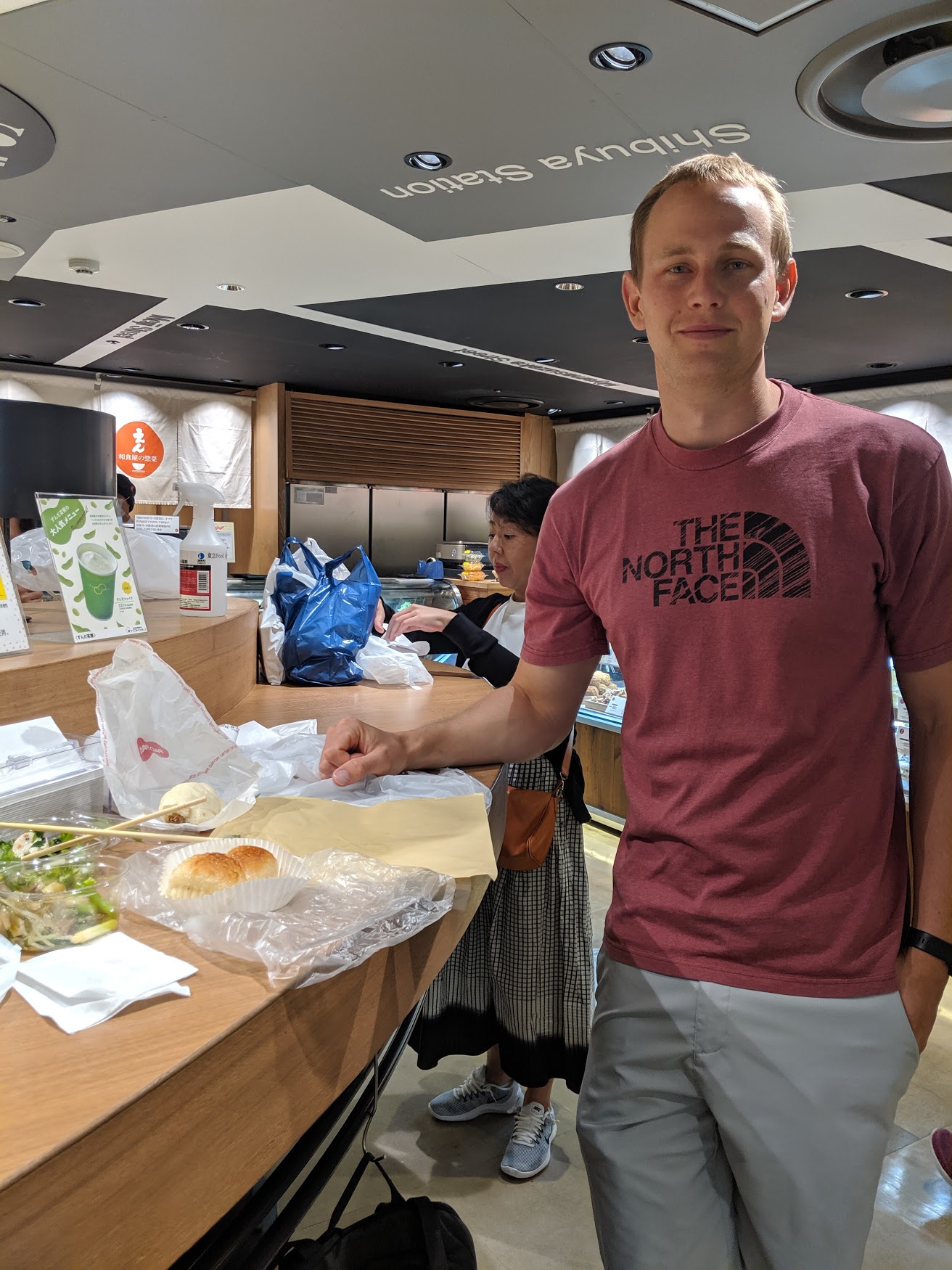
After Mikkeller we went to a Food Hall called Food Show which is a large market under the Shibuya train station. It is packed with pretty much any type of food you would want. There are stands with sushi, okonomiyaki, teppanyaki, baked goods, desserts, calzones, perogies, salads and more. It was so much fun to wander through the market to decide what to eat. Michael and I both took $20 and each went our own way to pick what we wanted for dinner. We then had a meeting spot where we shared all of our treasures. We tried so many things and loved them all.
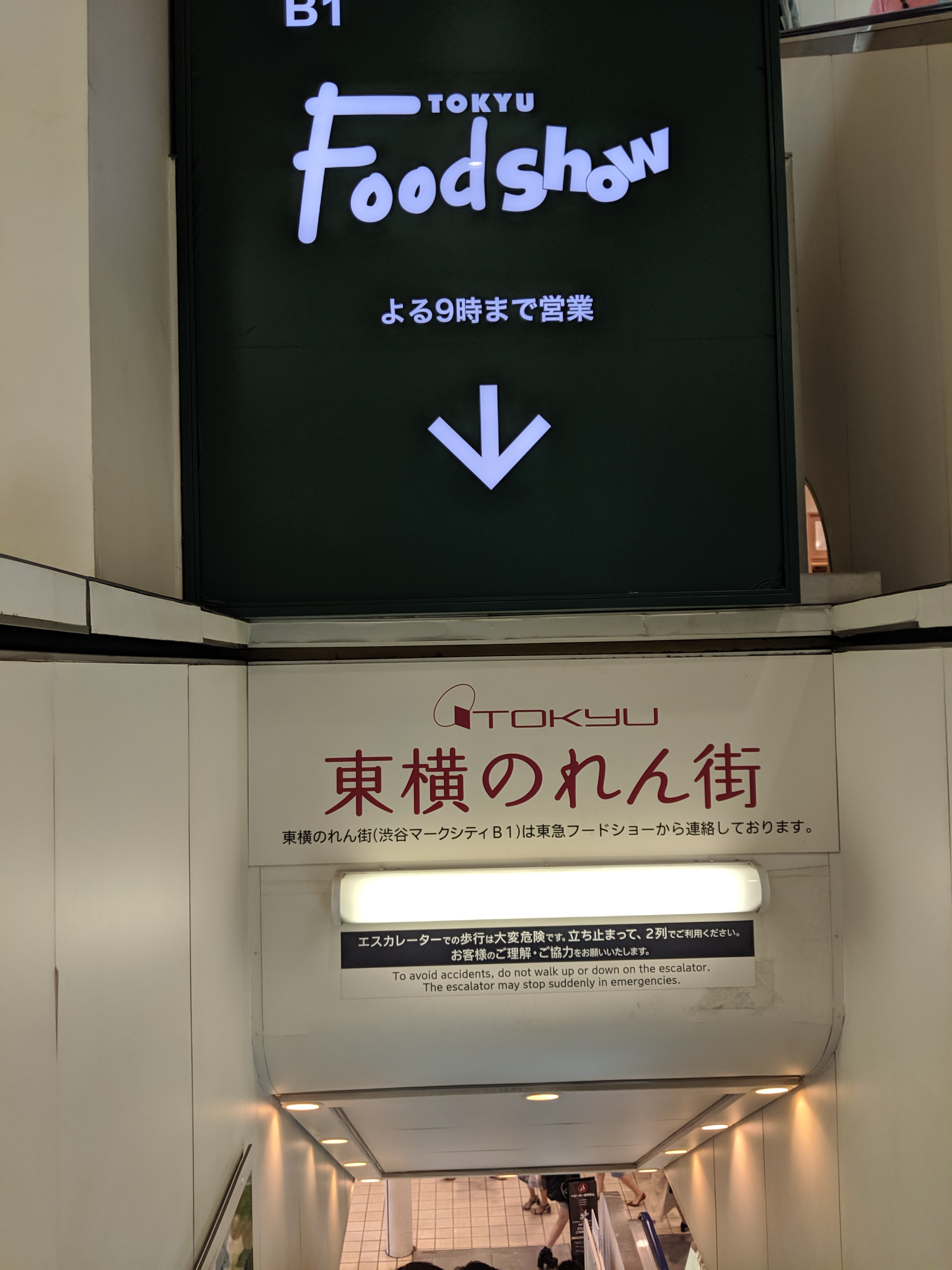
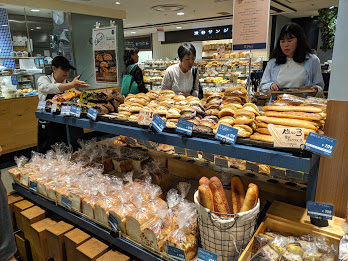
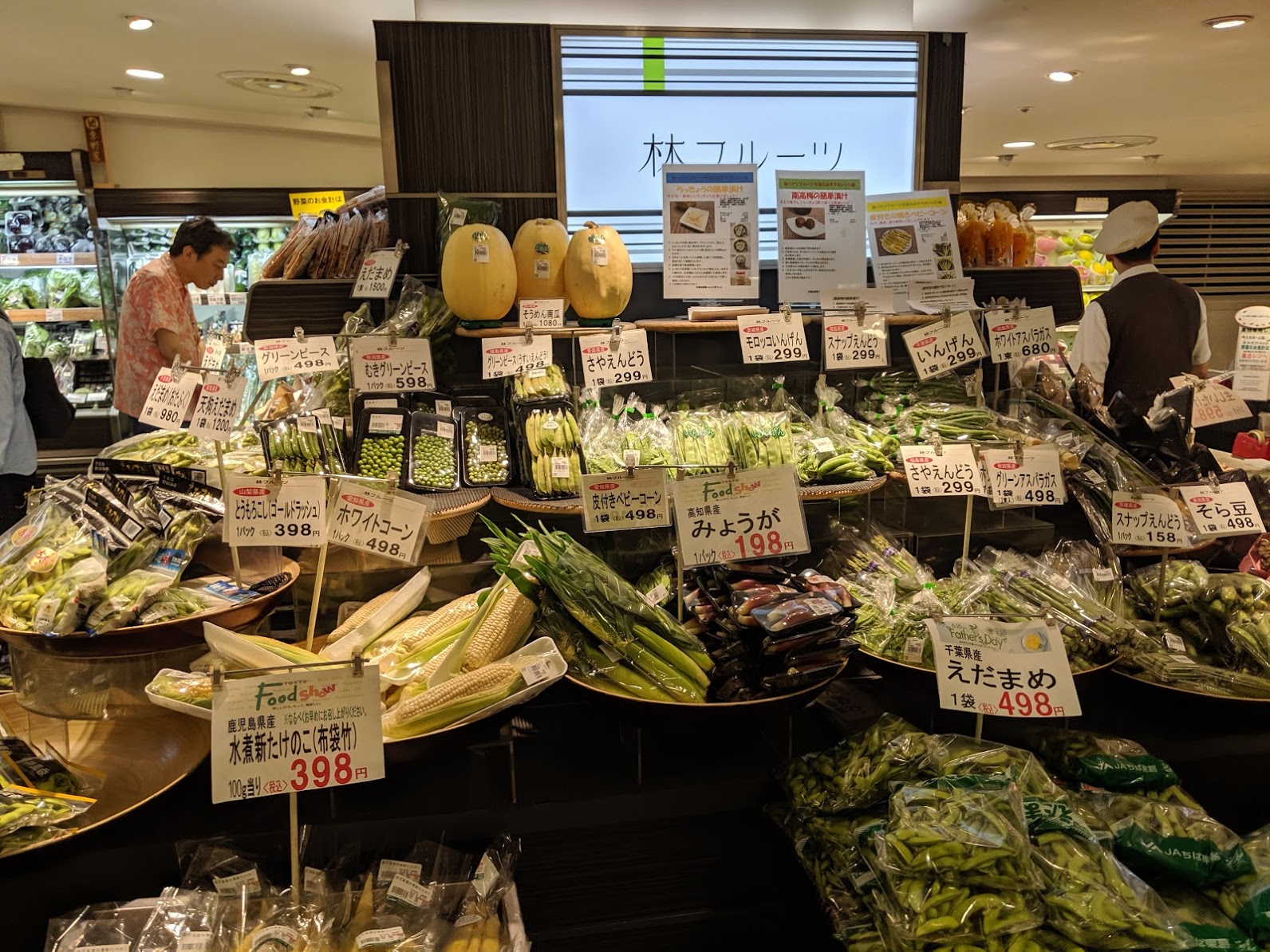
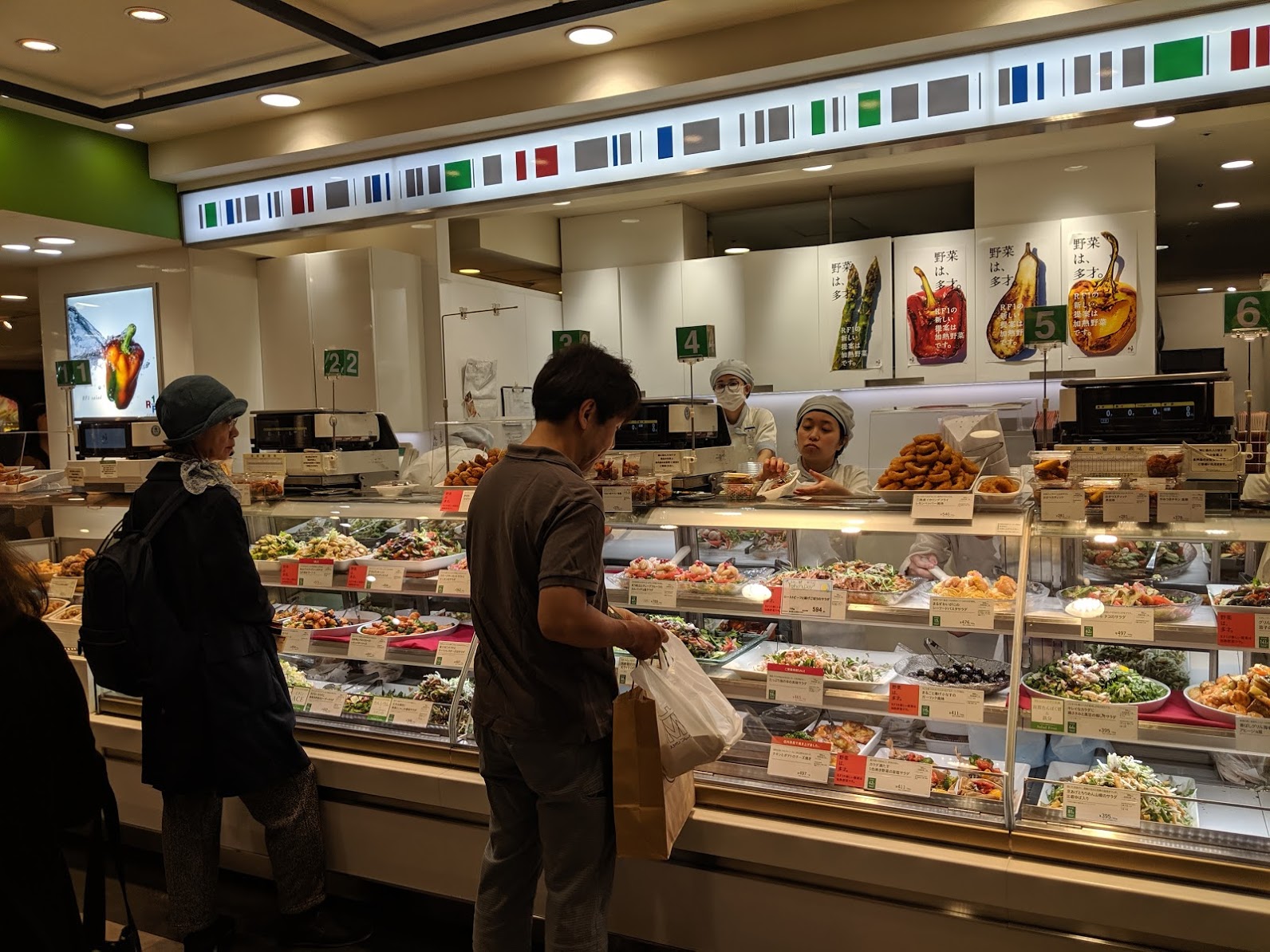
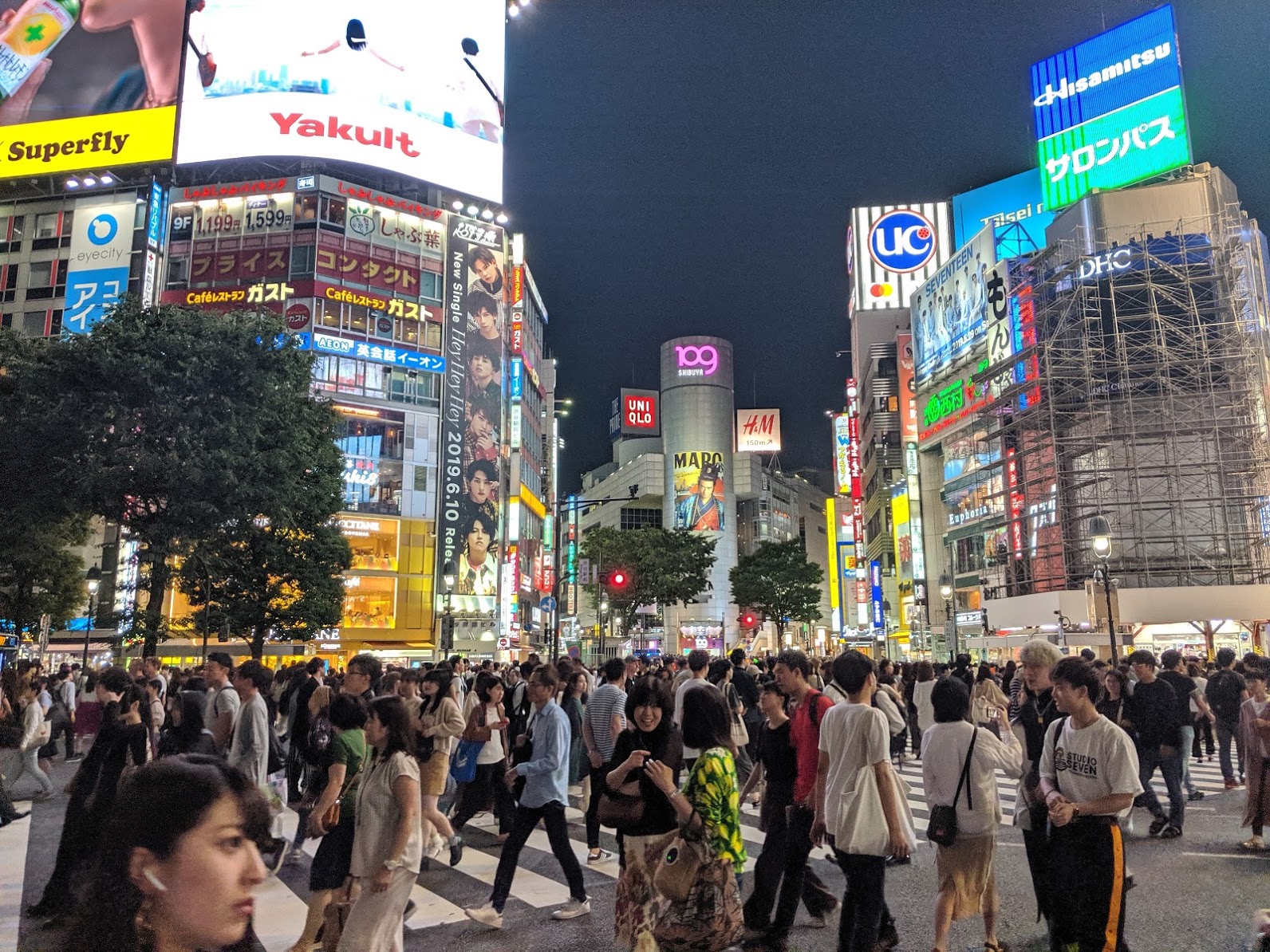
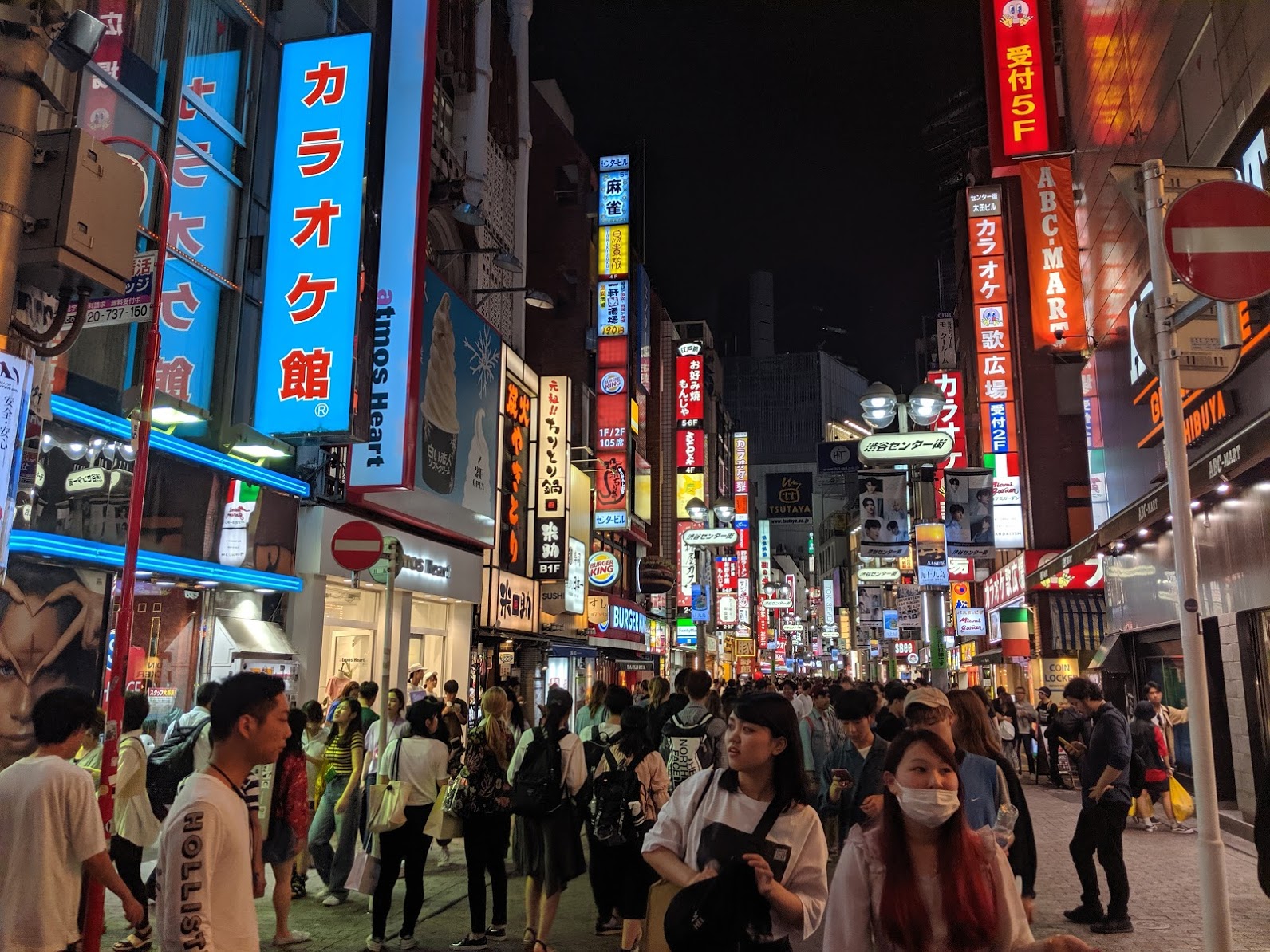
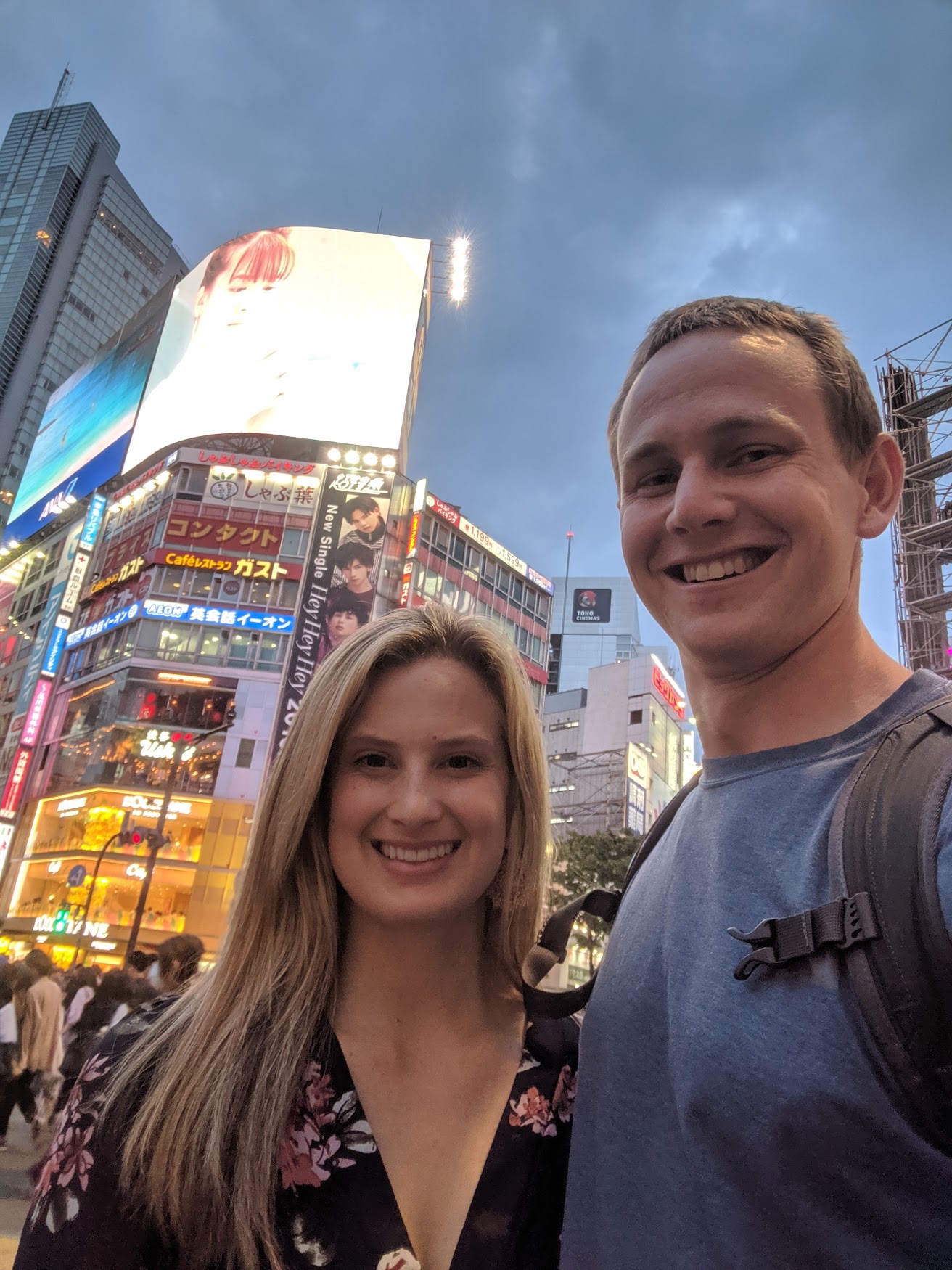
We then went on a Night Walking Tour in Shibuya with Tokyo Localized. Since it was on a Saturday Night, we saw the city at its best when it comes alive. It was extremely crowded but our tour guide kept track of us.
After the tour we went to Harajuku for some dessert crepes. They were closing down when we got there around 9:00PM but we still got one. It was ok but not amazing, we found crepes in Japan don’t have Nutella which really makes a crepe.
Day 13 June 9
We woke up and took a run around the Edo Castle, which was 5 miles round trip from hotel. One thing we realized when we started our run was that everyone was running the opposite way. We knew something was up but were not sure exactly why they were all running the same way. After finishing the run we googled it and apparently everyone there runs counterclockwise because this is a very popular run around the castle so it helps with traffic. It you go make sure you run counterclockwise and dont be the stupid tourist like we were.
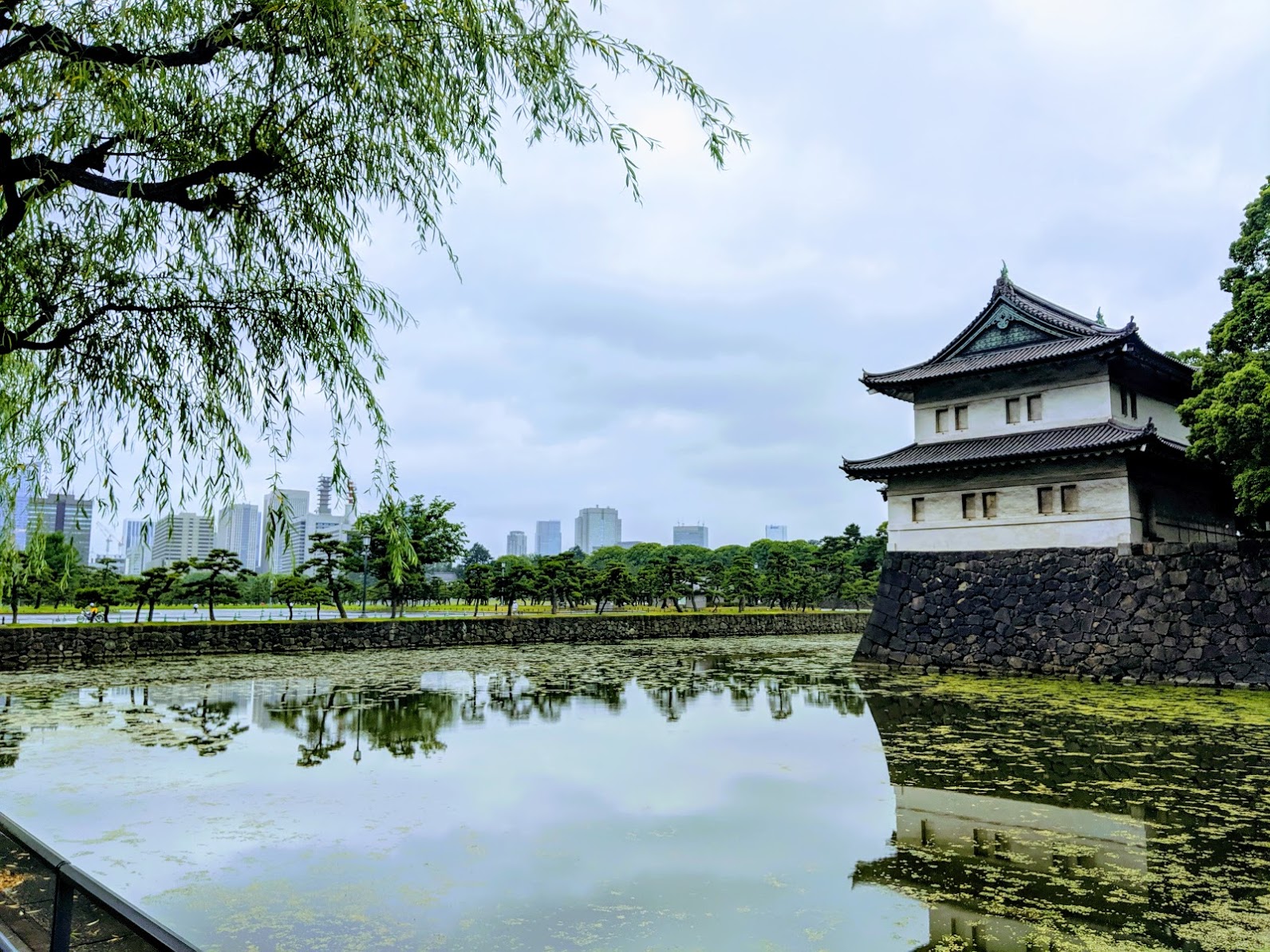
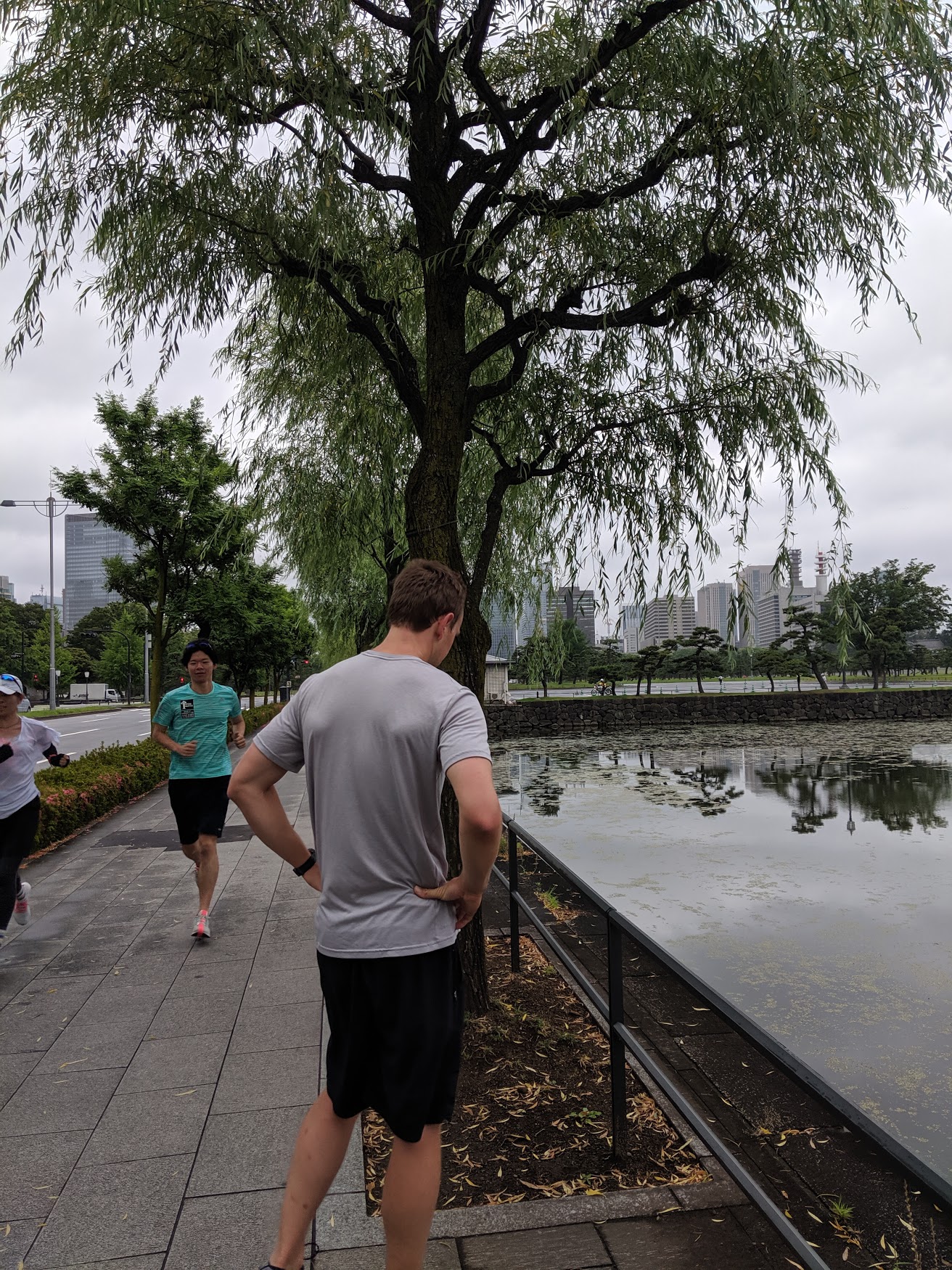
After the run we went back to the hotel and packed since we were flying home that day. We then walked to Shibuya crossing to watch the scramble from Starbucks a little more. After starbucks we went back to the food hall since we loved it so much from the night before. We had lunch here as our last meal.
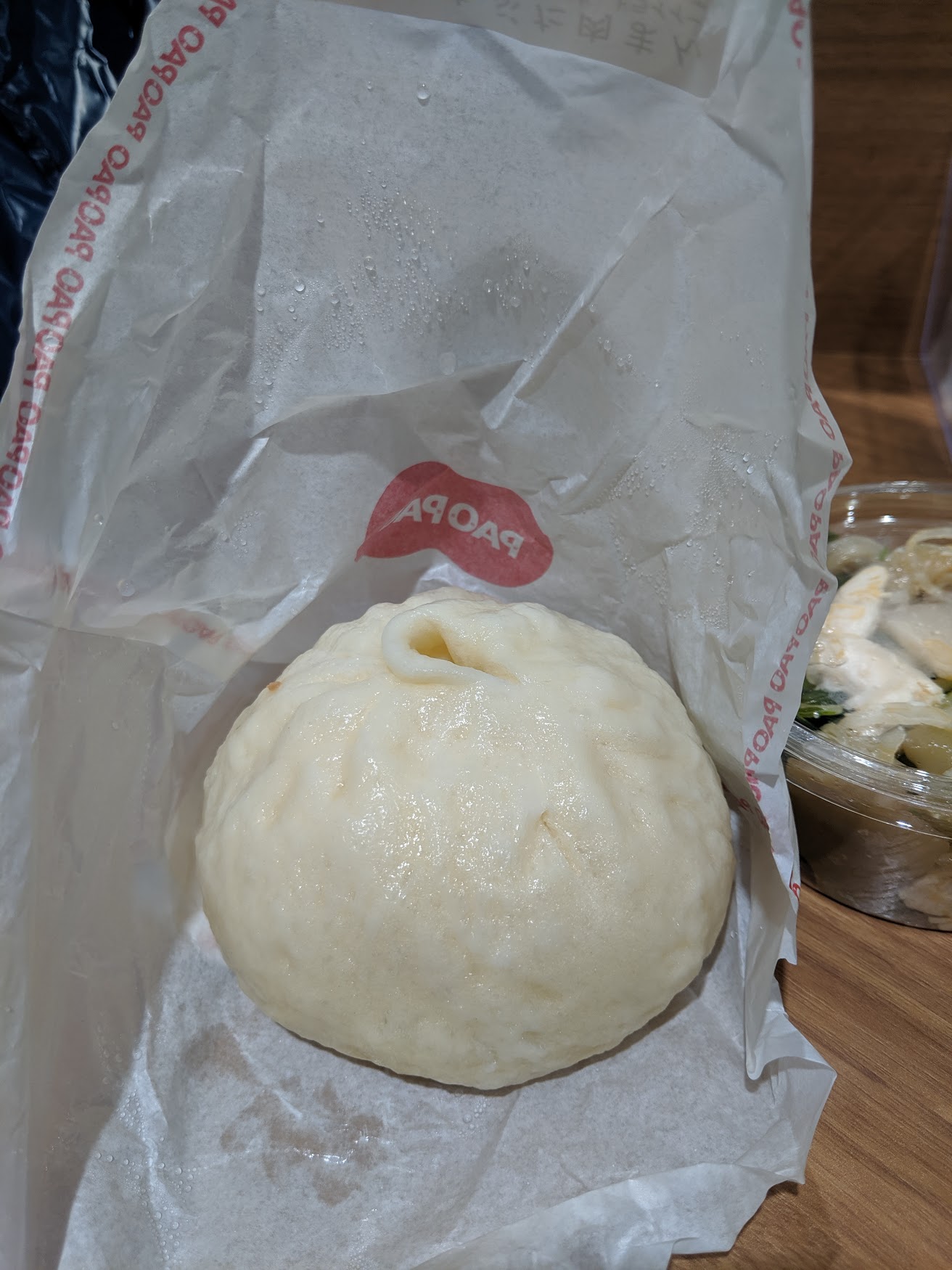

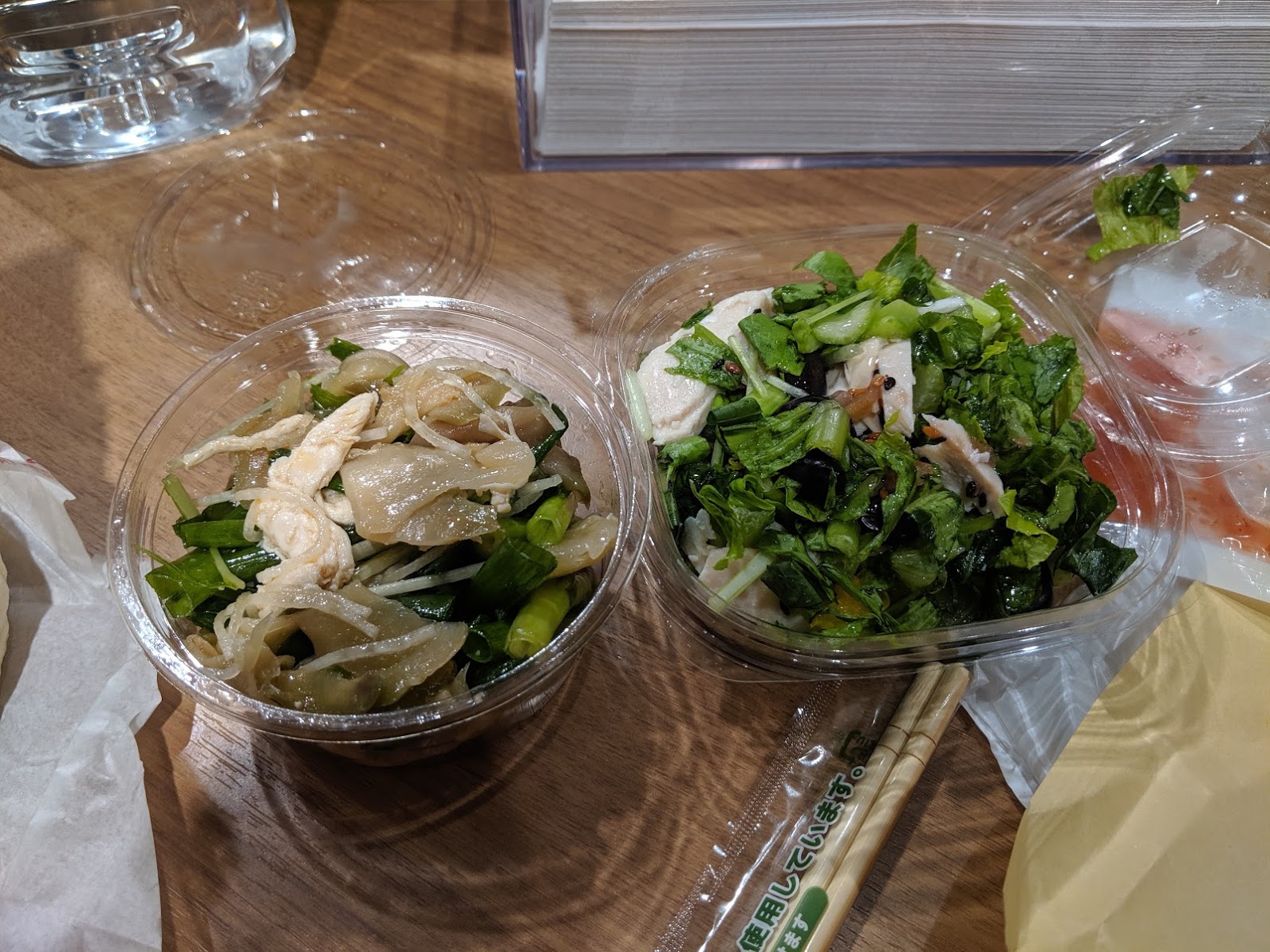
We then took the train to the airport and arrived way earlier than we needed to since we got through the airport so quickly, it took maybe 20 minutes. It was an amazing trip and I loved everything about it and I can’t wait to go back.
 Journeys of a Foodie